





Scandinavian Folk Art Box
A scandinavian folk art box brings centuries of northern European domestic history and vibrant painted character straight into a modern interior.
Scandinavian Folk Art Box
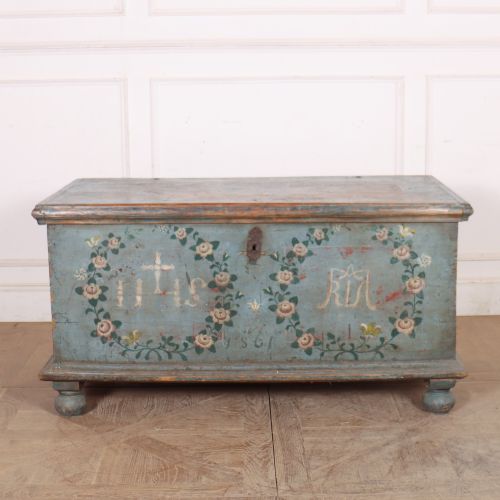
A scandinavian folk art box encompasses small storage caskets, oval tines, and larger marriage chests originating primarily from the eighteenth and nineteenth centuries. These pieces reflect the traditional rural crafts of Sweden and wider Scandinavia, where everyday containers doubled as canvases for decorative expression.
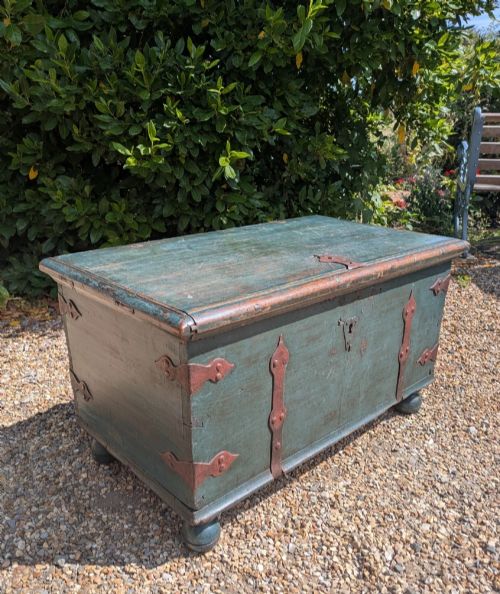
The most common examples encountered in this selection are nineteenth-century painted pine strong boxes and dome-top coffers. These domestic storage items range from compact table-top boxes to substantial marriage chests intended to hold a bride's dowry.
Earlier eighteenth-century items incorporate baroque influences and heavy iron strapwork alongside traditional timber construction. Regional variations display specific structural forms, such as bentwood weaving techniques and shaped surfaces tailored for specific domestic uses.
Timber and pigment construction
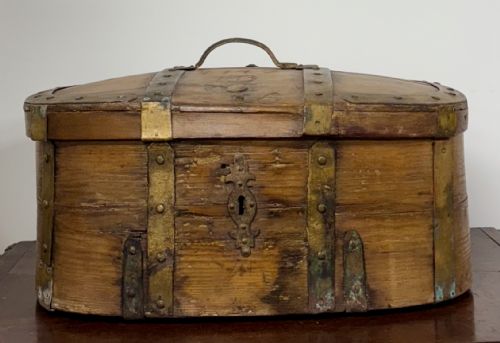
Construction relies heavily on native pine and oak, shaped into boards or woven into flexible strips for bentwood tines. Workshops utilised hand tools to fashion dovetailed corners, pegged joints, and curved lids designed to shed moisture.
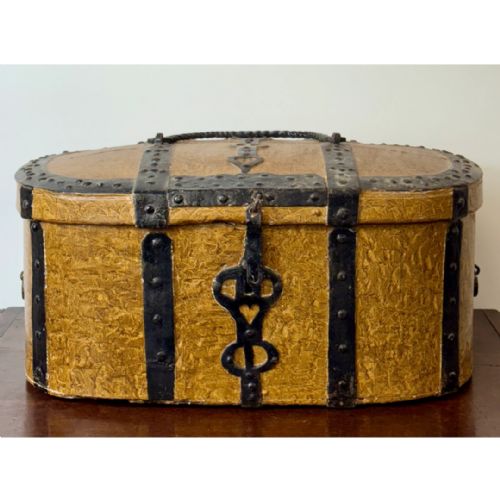
Surface decoration depends on applied pigments and oil-based paints, often combined with hand-forged iron hinges, latches, and strapwork. Blacksmiths hammered out robust hinges and braces that reinforced the wooden carcasses against heavy daily use.
Makers finished many items with intricate freehand brushwork, lettering, or carved pokerwork details. The combination of durable timber, protective paint layers, and iron hardware ensured these containers survived decades of agricultural life.
Scandinavian Folk Art Box Retail Price Guide 2026
Typical asking prices for scandinavian folk art box among the pieces listed under this phrase on Sellingantiques today, from the lower quarter to the upper quarter. They describe what is for sale here now, not the wider market.
Several boxes double as doctors' bags, proving that rural physicians once made house calls carrying considerable folk charm.
Judging painted surfaces and structural integrity
Quality rests significantly on the preservation and authenticity of the original painted surface. Untouched historical pigment layers with natural craquelure and patina command greater appreciation than later overpainting or modern restoration.
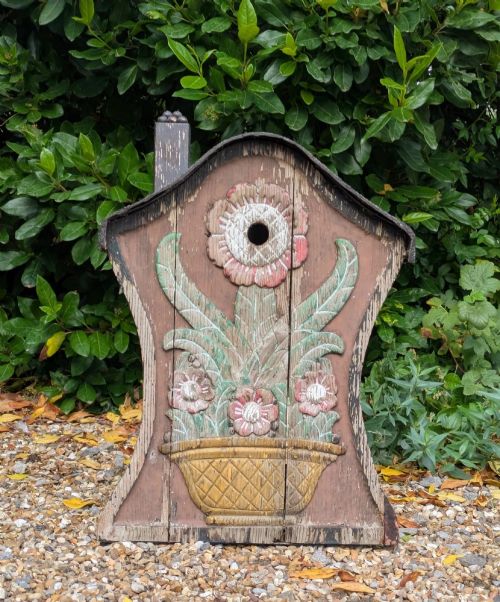
The sophistication of the hand-painted decoration separates standard utilitarian containers from masterworks of folk design. Fine examples feature complex floral motifs, detailed borders, and deliberate colour palettes that reflect the hand of a skilled regional decorator.
Structural soundness also dictates standing, with tight joints, original hand-forged iron strapwork, and intact wooden bases. Boxes retaining their original locking mechanisms and interior compartments display superior craftsmanship from their period of manufacture.
The Scandinavian Folk Art Box Glossary
- Coffer
- A heavy wooden chest traditionally used for storing valuables or household goods. These pieces often feature dome tops and robust iron reinforcement.
- Tine
- A traditional Scandinavian bentwood box featuring overlapping wooden rims secured with wooden pins. They were originally designed for storing food or small domestic items.
- Pigment
- Natural colouring material ground and mixed with binders to create the distinctive painted finishes found on rural woodwork. These historical paints weather uniquely over centuries.
- Strapwork
- Decorative or reinforcing bands of wrought iron fitted across the exterior of a chest or box. This technique provides structural strength while adding visual contrast to the timber.
- Bentwood
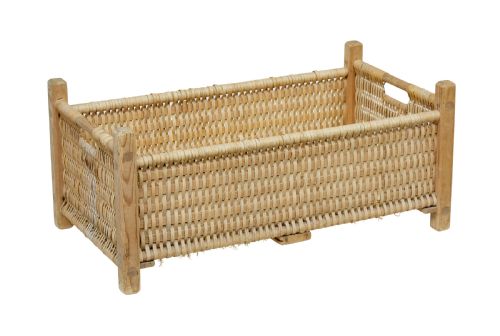
- Wood that has been rendered pliable through steaming or soaking and then shaped into curves. This technique forms the rounded walls of oval boxes and baskets.
Scandinavian Folk Art Box: Frequently Asked Questions
What were these boxes originally used for?
Rural households utilised these containers for storing daily provisions, textiles, documents, and valuable household possessions. Larger marriage chests specifically held the linens and dowry items prepared for a bride.
Smaller lidded caskets and oval tines kept precious small items safe in farmhouses and cottages. Their sturdy construction made them practical for both stationary storage and transportation.
How do I care for a painted wooden box?
Keep painted wooden surfaces away from direct sunlight and steady heat sources to prevent the historic pigments from fading or flaking. Maintain a stable indoor humidity level to protect the old pine or oak timbers from splitting.
Dust the exterior gently with a dry, soft cloth and avoid applying modern polishes or chemical cleaners. Preserving the fragile dry surface protects the historical integrity of the piece.
How can I tell an eighteenth-century box from a nineteenth-century one?
Eighteenth-century pieces frequently display heavy baroque influences, thicker hand-sawn boards, and robust wrought iron strapwork. The paint chemistry and motifs on these earlier items tend towards darker, earthier tones and simpler structural framing.
Nineteenth-century examples often introduce brighter green or multi-coloured painted schemes, finer dovetail joinery, and more varied regional decorative styles. The transition from purely blacksmith-made ironwork to factory-influenced hardware also helps date the construction.
Why do some boxes feature marriage dates?
Marriage chests and boxes were often commissioned or decorated specially to mark a wedding ceremony in the community. Painters inscribed the names or initials of the couple alongside the specific year of union.
These commemorative pieces formed a central part of rural heritage, celebrating family alliances and the establishment of a new household. They remain highly personal records of Scandinavian social history.