





Scandinavian Enamel Pin
These scandinavian enamel pin pieces combine sterling silver and vibrant vitreous glass work, offering wearable mid-century design.
Scandinavian Enamel Pin
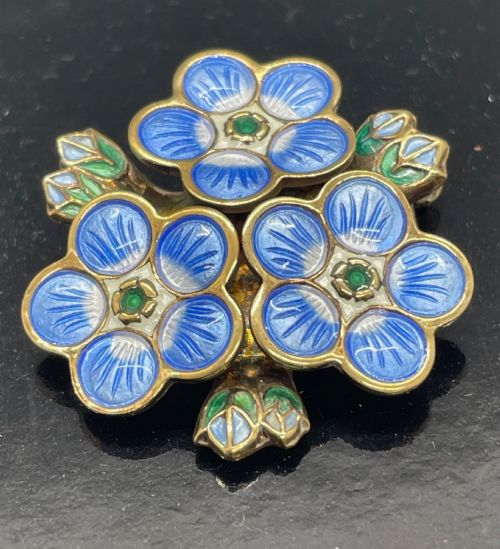
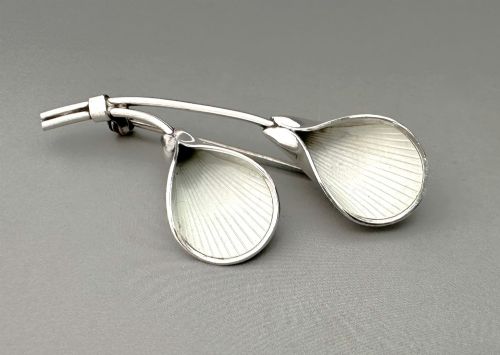
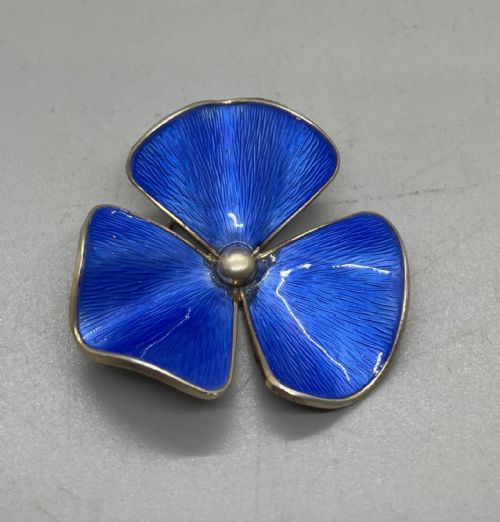
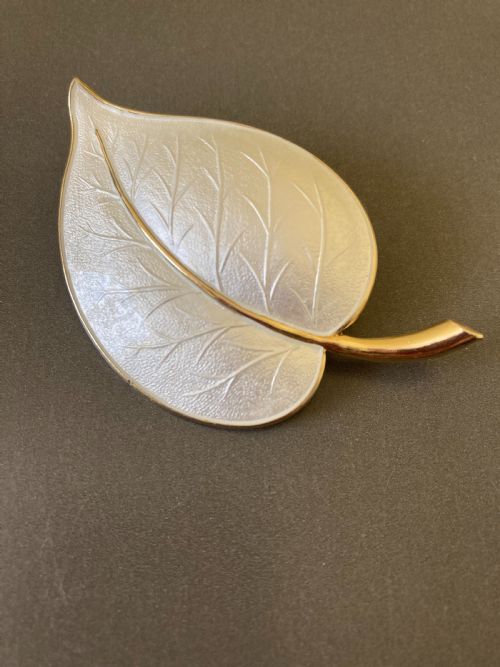
When you search for a scandinavian enamel pin, you encounter wearable ornaments primarily created as brooches and small decorative items. The selection leans heavily towards mid-century Scandinavian and Scandinavian Modern aesthetic movements, originating mainly from Norway and Denmark.
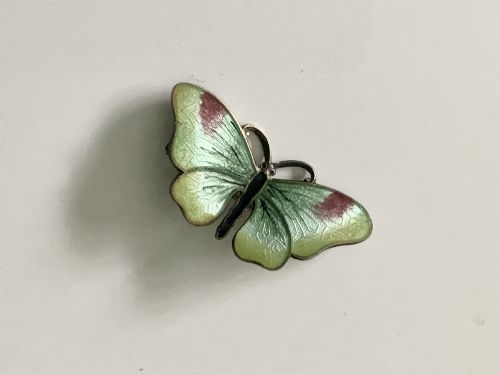
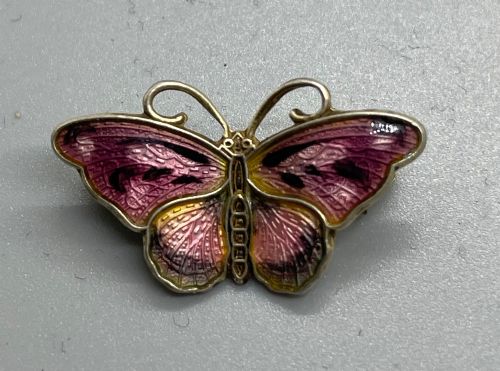
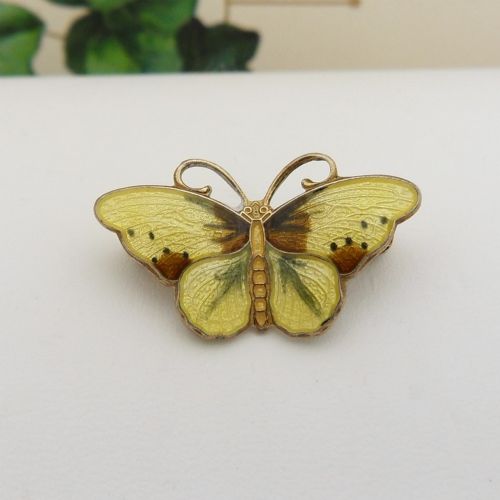
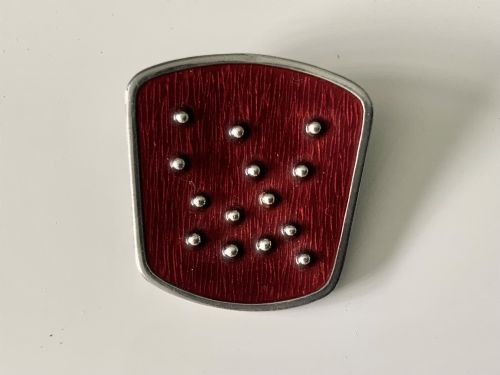
The pieces you meet most frequently on this page date from the nineteen fifties and sixties, often taking the form of delicate butterflies, floral subjects, or geometric bar brooches. Earlier examples stretching back through the nineteen thirties and Victorian periods occasionally appear.
Makers working within these traditions utilised sterling silver bases, frequently applying layers of silver gilt or gold vermeil to enhance the visual depth of the coloured glass surfaces.
Materials and construction
The foundation of these items rests upon solid sterling silver, frequently treated with a heavy gold wash known as silver gilt or vermeil. Vitreous enamel is then fused to the metallic surface through high-temperature firing, creating a durable glass coating.
Many workshops employed engine-turned guilloche techniques beneath translucent enamel layers to produce shimmering wave or sunburst patterns. Hand-applied opaque enamels were similarly utilised to render naturalistic details on floral and insect motifs.
Scandinavian Enamel Pin Retail Price Guide 2026
Typical asking prices for scandinavian enamel pin among the pieces listed under this phrase on Sellingantiques today, from the lower quarter to the upper quarter. They describe what is for sale here now, not the wider market.
Several Norwegian workshops turned the humble garden butterfly into a shimmering collection of jewel-toned pocket companions.
Judging the work
Quality in these ornaments rests upon the precision of the metalwork and the clarity of the glass fusion. Superior pieces display crisp guilloche engraving beneath translucent enamel without cloudiness or surface pitting.
The refinement of the maker's hand separates standard production items from exceptional workshop output. Attention to the reverse side, secure pin mechanisms, and intact gilding over the silver base indicate higher workshop standards.
David Andersen·Aksel Holmsen·Hroar Prydz·Gustav Gaudernack
The Scandinavian Enamel Pin Glossary
- Guilloche
- An intricate mechanical engraving technique etched into metal before translucent enamel is applied. This creates repeating geometric patterns that catch the light beneath the coloured glass.
- Silver gilt
- Sterling silver that has been coated with a thin layer of gold. This treatment provides a warm golden contrast against brightly coloured enamel work.
- Vitreous enamel
- A material made by fusing powdered glass to a metallic substrate at high temperatures. The resulting glossy compound resists scratching and retains its colour over decades.
- Vermeil
- High-quality silver plated with a heavy layer of gold. It ensures the durable base of the ornament retains a precious golden appearance.
- Bar brooch
- A narrow, elongated pin format popular across multiple design periods. These items often feature central enamel ornamentation mounted on a straight metal shaft.
Scandinavian Enamel Pin: Frequently Asked Questions
How do I wear a vintage enamel brooch safely?
Secure the pin by fastening it through tightly woven fabrics that can adequately support the weight of the silver piece without sagging. Avoid pinning them to delicate silks or loose knits that might pull under pressure.
Store the items flat in lined compartments away from direct sunlight and humidity to protect both the silver and the glass surface from accidental impact.
What periods do these silver pins come from?
The available selection spans from Victorian times through the nineteen twenties, thirties, forties, fifties, and sixties. Mid-century modern designs form the largest share of the current inventory.
Earlier examples often display distinct Art Nouveau or Art Deco stylistic influences, while nineteen fifties pieces favor naturalistic subjects like butterflies and flowers.
How do I clean silver and enamel jewelry?
Use a soft, dry cloth to gently wipe away surface dust and skin oils after wearing. Avoid harsh chemical dips or abrasive silver polishes that can scratch the glass surface or remove the gold gilt.
Store them individually in soft pouches to prevent neighbouring pieces from scratching the vitreous enamel or bending the silver pin stems.
Are these items made of solid silver?
Most pieces utilise solid sterling silver as the primary structural metal for the body and pin mechanisms. Many are further enhanced with a layer of gold wash over the silver.
Look for maker marks and silver standard stamps on the reverse of the pieces to confirm the metal purity used by the workshop.