

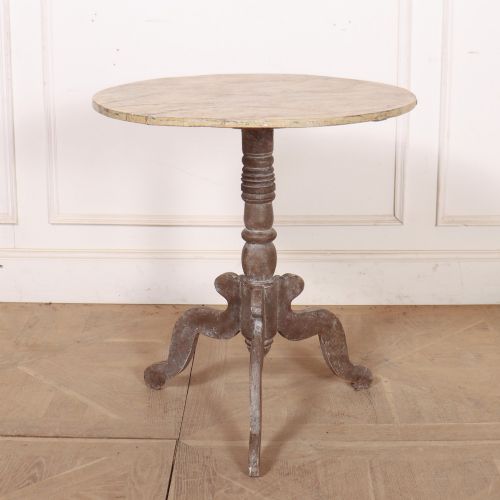
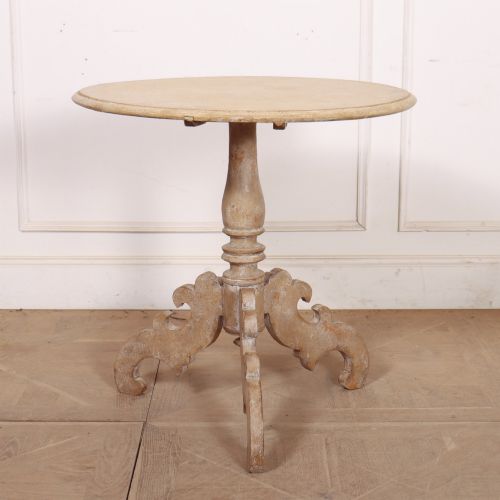
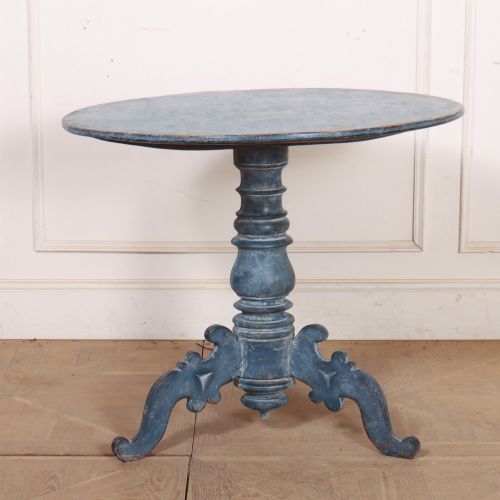
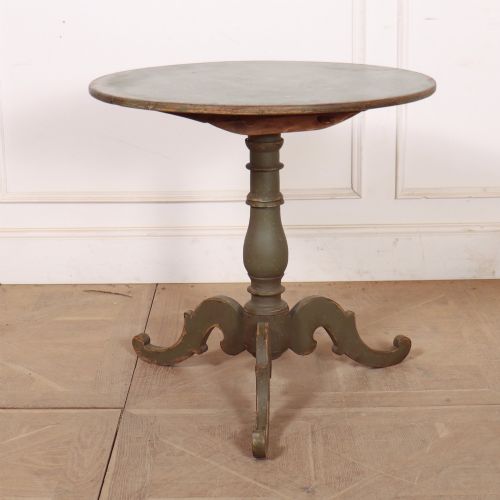


Scandinavian Country Side Table
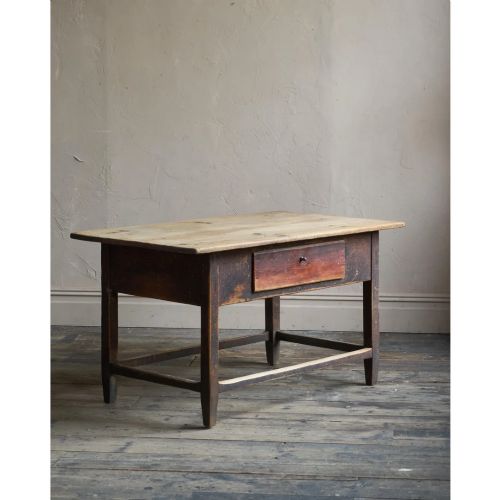
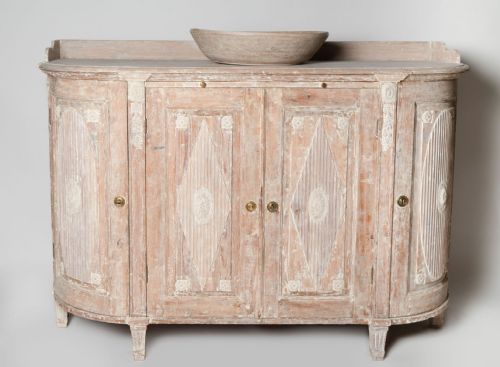
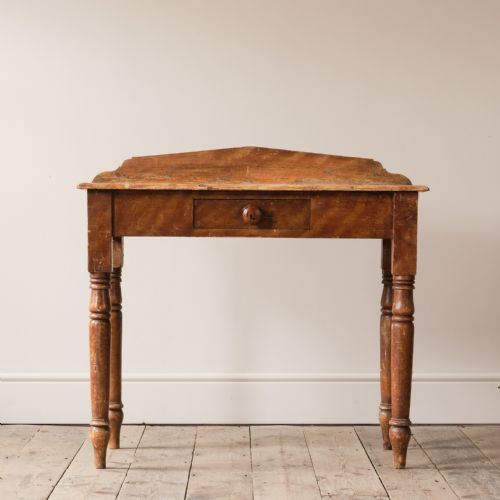
These pieces are a Scandinavian country side table, offering utilitarian utility and rustic painted charm for any interior.
Scandinavian Country Side Table
A scandinavian country side table embodies the practical domestic traditions of northern Europe, spanning the nineteenth century through the early twentieth century. These furnishings take many forms, including lamp tables, occasional tables, console tables, and bedside cupboards.
Most examples found here originate from Sweden, fashioned from pine and other softwoods for daily use in farmhouses and provincial homes. Buyers frequently encounter painted surfaces and functional timber constructions designed to serve specific household tasks.
The selection ranges from simple tripod bases and box stretchers to demi lune shapes and kitchen preparation tables. Each piece reflects the straightforward carpentry of its period without unnecessary elaboration.
Construction and materials
Makers relied primarily on pine and softwood timbers, frequently incorporating birch, alder root, and brass hardware for structural stability. Joinery remained straightforward and robust, suited to the demands of rural kitchens and parlours.
Surface finishes define the visual character of these objects, utilising paint, Falu red pigment, ragwork patterns, and gilt accents. Original paint layers often survive, showing the gradual wear of generations of domestic use.
Listings feature items dated from the 1870s through the Edwardian era, constructed primarily in pine, birch, and alder.
Distinctions in craftsmanship and finish
The survival of original surface treatments separates ordinary examples from finer specimens, particularly where early paint or distinct ragwork decoration remains intact. Subtleties in the proportion of turned legs and the execution of box stretchers indicate the maker's care.
Timber selection also plays a part, as denser pine and figured birch sustain cleaner edges and more durable structures over time. Tables retaining their authentic hardware and untouched regional characteristics command closer attention from collectors.
The Scandinavian Country Side Table Glossary
- Falu Paint
- A traditional red earth paint derived from copper mine waste, commonly used to protect and colour wooden buildings and furniture in rural Sweden. This matte finish weathers distinctively over decades of exposure.
- Demi Lune
- A half-moon shape used for console tables and occasional tables designed to stand flat against a wall. This form saves floor space while providing a useful surface.
- Box Stretcher
- An internal wooden frame connecting the lower section of table legs to increase rigidity. Carpenters often integrated these horizontal rails to support small items stored underneath.
- Ragwork
- A decorative paint technique where rags or cloths are applied to wet glazes to create mottled or textured patterns. Artisans utilised this method to imitate more expensive stones or simply add visual depth to softwood.
Scandinavian Country Side Table: Frequently Asked Questions
What is a scandinavian country side table used for?
These tables served as versatile work surfaces, bedside stands, and lamp supports in traditional rural homes throughout Sweden and neighbouring regions.
Today, they function well in modern interiors as hallway consoles, accent surfaces beside seating, or bedside cupboards.
How do I identify original paint?
Original paint surfaces display natural craquelure, soft edge wear, and multiple underlying layers visible through minor losses.
Recent repainting often presents a flat, uniform texture without the accumulated patina of nineteenth-century domestic use.
Are these tables made of solid pine?
Most pieces utilise solid pine or other regional softwoods like birch and alder root for their primary construction.
Carpenters built them entirely from timber without modern laminates or veneered particle boards.
How do I date a nineteenth-century table?
Dating relies on construction methods, tool marks left by saws or planes, and the specific stylistic revival indicators present.
Nineteenth-century examples frequently combine utilitarian joinery with regional paint traditions that shifted from bright pigments toward muted tones.