



Scandinavian Tripod Wine Tables
Scandinavian tripod wine tables are compact nineteenth-century pieces prized for their distinctive pedestals and rich regional woods.
Scandinavian Tripod Wine Tables
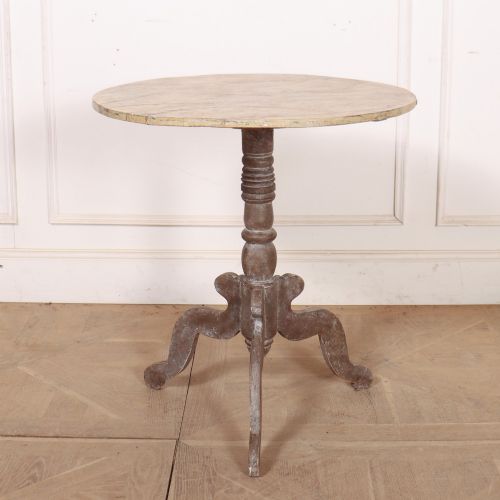
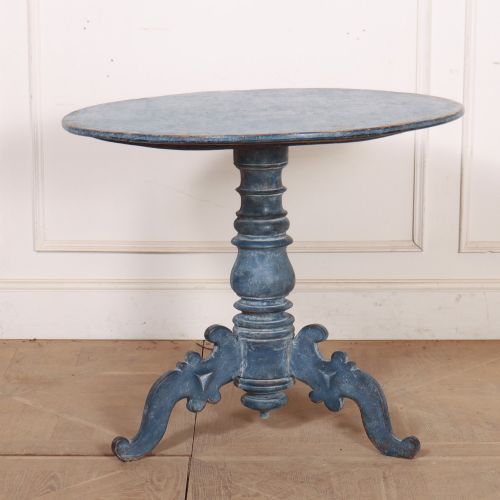
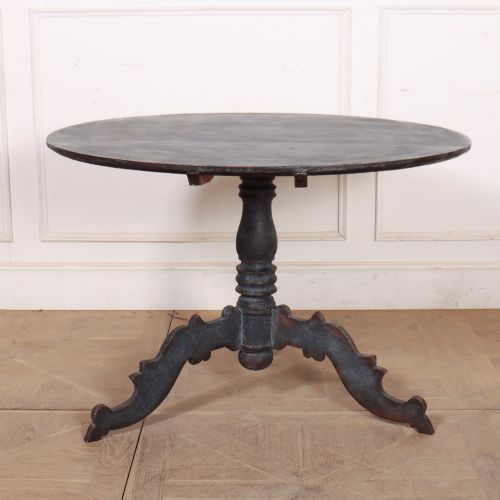
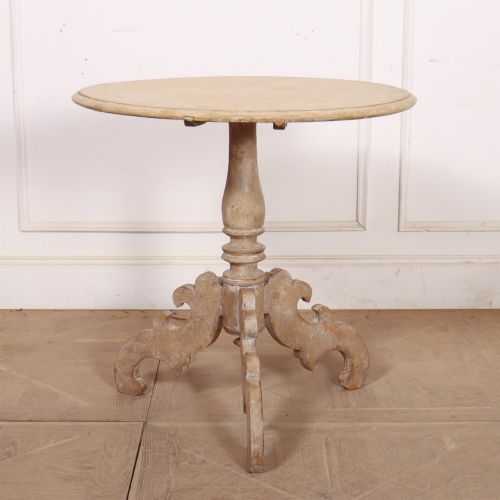
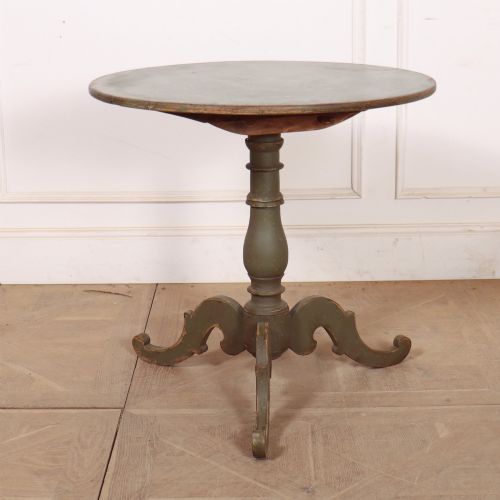
When you search for Scandinavian tripod wine tables, you are looking at nineteenth-century occasional furniture originating from Sweden. These versatile items typically function as lamp tables, supper tables, or compact side tables rather than strictly dedicated wine receptacles.
The most common examples on this page are painted Swedish pieces dating from the nineteenth century, often finished in pale tones characteristic of Swedish country interiors. You will also encounter pedestal and tilt-top formats designed to save space in domestic settings.
Forms vary from square and octagonal tops to round surfaces supported by three-legged pedestals. Makers utilised native timbers, resulting in diverse tabletop appearances that range from smooth painted softwood to highly figured grain.
How they were made
Carpenters constructed these tables using native regional timbers such as pine, alder root, birch, and burr elm. Softwood provides a stable base for painted finishes, whilst burr birch and alder root offer striking natural grain patterns.
Surface treatments define a large portion of these pieces, employing traditional paint finishes alongside ebonised wood details. Tilt-top mechanisms rely on simple wooden catches and pivots built into the central pillar and block.
Scandinavian Tripod Wine Tables Retail Price Guide 2026
Typical asking prices for scandinavian tripod wine tables among the pieces listed under this phrase on Sellingantiques today, from the lower quarter to the upper quarter. They describe what is for sale here now, not the wider market.
What varies in quality
The sophistication of the timber selection dictates much of the visual value. Highly figured burr birch and richly patterned alder root root-wood create far more striking tabletops than plain pine or standard softwood.
Execution of the painted finish and the integrity of the pedestal joints also distinguish finer examples. Tables retaining their original nineteenth-century paint show a depth and patina that later re-painting obscures.
The Scandinavian Tripod Wine Tables Glossary
- Tripod table
- A small freestanding table supported by a central pillar resting on three legs. This construction keeps the perimeter clear of floor obstructions.
- Tilt-top table
- A table featuring a mechanism that allows the top to pivot to a vertical position when not in use. This clever design enabled easy storage against a wall.
- Burr birch
- Timber harvested from birch tree growths that display swirling, knotted grain patterns. Cabinet makers prized this figured wood for high-end decorative surfaces.
- Alder root
- Wood taken from the root system of the alder tree, known for chaotic and organic grain formations. It creates a heavily patterned surface on nineteenth-century tops.
- Ebonised wood
- Timber treated with chemical stains or dark paint to imitate expensive ebony. It provides stark contrast and formal definition.
Scandinavian Tripod Wine Tables: Frequently Asked Questions
What were Scandinavian tripod wine tables used for?
These nineteenth-century tables served multiple domestic duties as flexible lamp stands, supper surfaces, and side tables in northern European homes.
Their compact footprints allowed them to sit beside seating or in corners where larger furniture would not fit.
How do I identify a nineteenth century Swedish table?
Look for characteristic construction methods using regional timbers like birch, pine, and alder root combined with pale painted surfaces.
Proportions remain modest, reflecting the functional requirements of Swedish country and Biedermeier interior design.
What is a tilt top table mechanism?
A tilt-top mechanism uses a hinged block beneath the tabletop that allows the surface to lock flat for use or swing upright.
This saved valuable floor space in smaller nineteenth-century rooms when the furniture was idle.
Are these tables suitable for modern living rooms?
Their small scale makes them ideal as impromptu drink stands or lamp supports beside contemporary sofas and armchairs.
Natural wood grains and painted finishes integrate easily into minimalist or rustic interior schemes.