



Scandinavian Country Pine Cupboard
A scandinavian country pine cupboard brings honest regional joinery and pale painted surfaces into a room.
Scandinavian Country Pine Cupboard
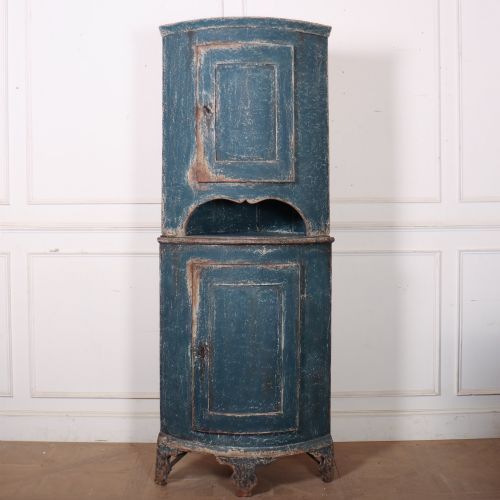
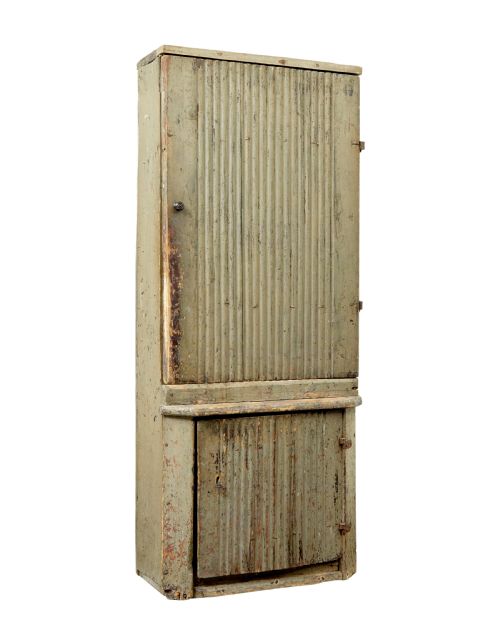
When searching for a scandinavian country pine cupboard, buyers encounter practical storage furniture originating primarily from Sweden and Denmark during the eighteenth and nineteenth centuries. These utilitarian pieces include linen cupboards, wall cabinets, kitchen cupboards, corner cupboards and dressers built for regional homes.
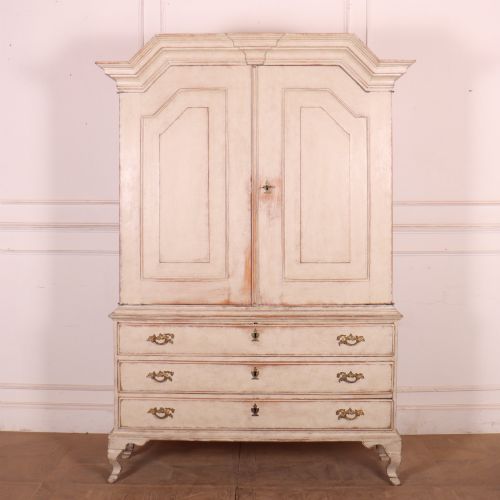
The version most commonly met on this page is the nineteenth-century Swedish painted pine cupboard, often standing tall with single or double doors. Such pieces reflect rural domestic life, providing deep interior shelving while occupying minimal floor space in contemporary interiors.
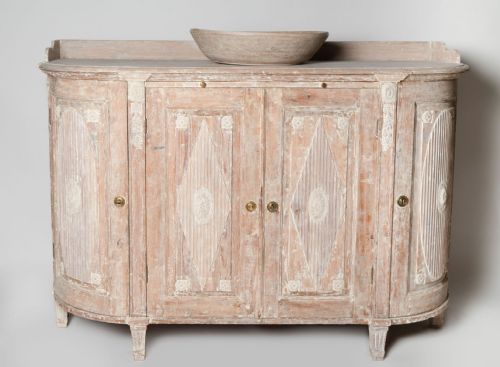
Alongside tall freestanding cupboards, listings feature specialised forms such as clock cupboards, sideboards and compact wall-mounted cabinets. These variations demonstrate the broad adaptability of pine furniture across Scandinavian farmhouses and town houses alike.
Materials and construction
Makers constructed these pieces using softwood pine, selected for its accessibility and workability by regional carpenters and folk artisans. Iron and brass hinges, locks and latches provided durable functional hardware, while zinc surfaces occasionally topped later sideboards.
Surfaces were frequently finished with paint, mineral paint or applied folk art decoration, including traditional ragwork techniques. Many nineteenth-century examples preserve original scraped paint or layered hand-painted finishes that define their distinct regional appearance.
Listings span the eighteenth and nineteenth centuries, incorporating pine, paint, iron, brass and glass across Scandinavian country and Gustavian styles.
Distinctions in quality
Quality in these cupboards rests primarily on the integrity of the surface finish and the retention of original paint layers. Pieces featuring untouched scraped paint or authentic folk art decoration command greater interest than those stripped down to bare wood or repainted in modern times.
Construction methods also separate standard utility items from finer examples, with hand-carved details, balanced proportions and original ironwork marking superior regional craftsmanship.
The Scandinavian Country Pine Cupboard Glossary
- Ragwork
- A decorative paint technique utilising rags or cloths to apply textured colour patterns to pine surfaces. This method created soft, mottled finishes characteristic of traditional Scandinavian folk furniture.
- Gustavian
- The Swedish neoclassical style spanning the late eighteenth and early nineteenth centuries. It combines restrained classical proportions with lighter painted finishes, often in pale greys or creams.
- Linen cupboard
- A tall storage piece designed specifically to hold household textiles and bed linens. These vertical cupboards usually feature deep internal shelving behind panelled doors.
- Softwood
- Timber derived from conifer trees, predominantly pine in these northern European pieces. It provided an accessible material for regional cabinetmakers building everyday domestic furniture.
- Wall cupboard
- A compact storage cabinet designed to be hung directly onto a wall. These space-saving units frequently appeared in Scandinavian kitchens and parlours.
Scandinavian Country Pine Cupboard: Frequently Asked Questions
What rooms suit a scandinavian country pine cupboard?
These cupboards integrate naturally into kitchens, hallways and living spaces where practical storage is required. Their pale painted surfaces and upright proportions complement both traditional and minimalist interiors.
Larger linen cupboards and armoires serve effectively as wardrobe storage in bedrooms, while compact wall cabinets and corner cupboards utilise awkward wall spaces efficiently.
How do I distinguish eighteenth-century pieces from nineteenth-century ones?
Eighteenth-century examples often exhibit heavier architectural moulding and deeper hand-planed timbers. Regional construction methods and iron hardware can also offer clues to the dating of rural pieces.
Nineteenth-century pieces frequently display lighter painted finishes, including folk art decoration and ragwork patterns. Comparing joinery details helps establish the chronological span of these items.
Are painted finishes on these cupboards original?
Many listings preserve original or early scraped paint surfaces that reveal layers of historic colour beneath. Documented pieces often retain their period decorative schemes applied by regional makers.
Some items show evidence of later overpainting or restoration work carried out during subsequent generations of use in Scandinavian homes.
How should I care for historic pine furniture?
Historic pine responds best to stable indoor environments away from direct heat sources and strong sunlight. Regular dusting with a dry or slightly damp cloth maintains the painted or waxed surface.
Avoiding excessive moisture protects the softwood timber and preserves delicate historic paint layers from lifting or deterioration.