


Scandinavian Art Deco
Scandinavian art deco brings geometric clarity and warmth to furniture and silver, offering refined craftsmanship that elevates any interior.
Scandinavian Art Deco
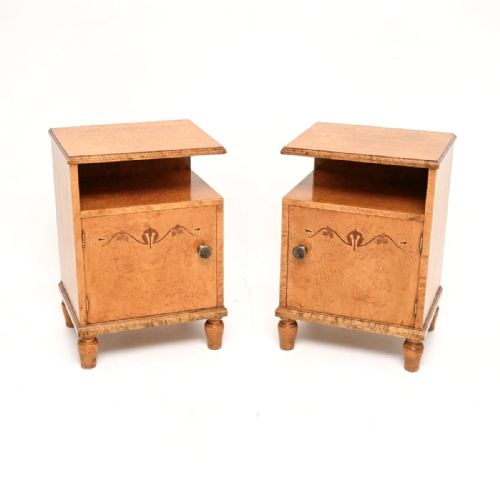
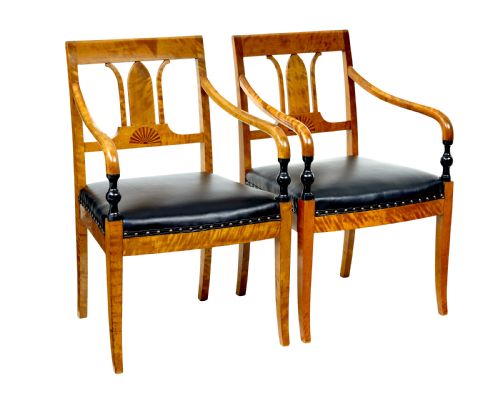
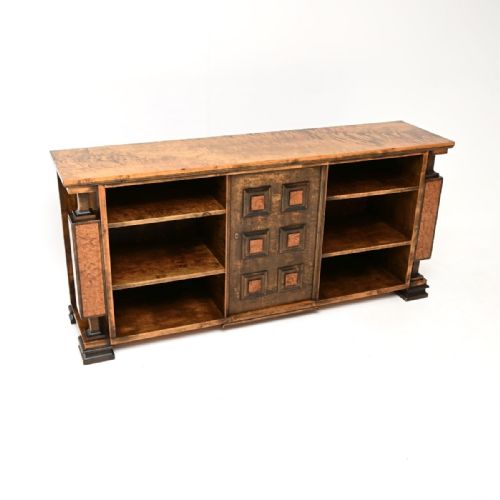
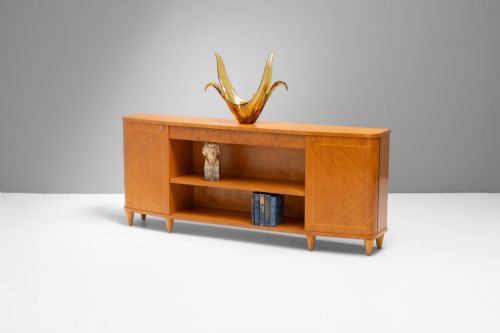
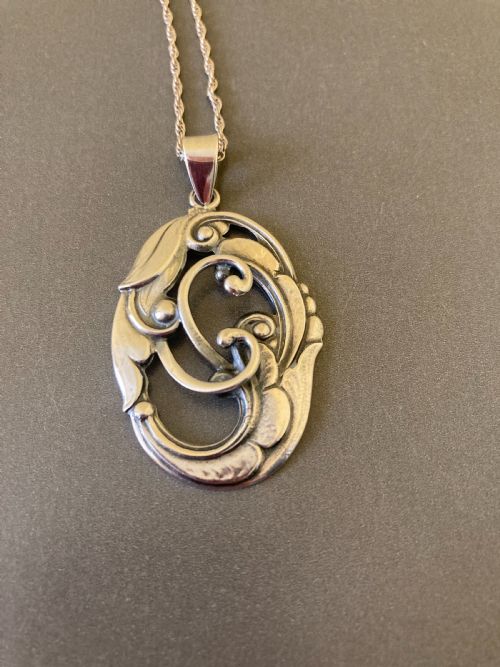
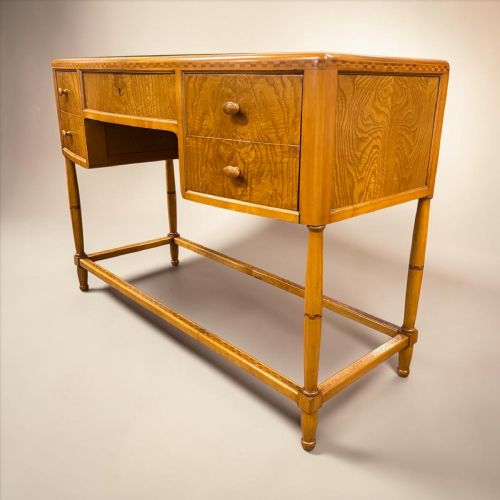
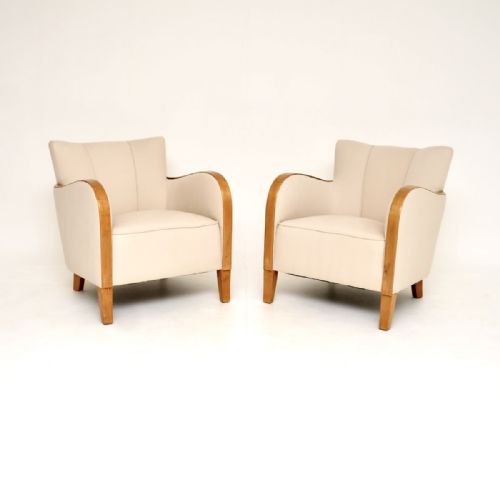
When buyers search for scandinavian art deco, they encounter striking furniture and silver shaped by regional interpretations of modernist design during the early twentieth century. The selection leans heavily towards robust seating, cabinets, and tables alongside delicate silver and enamel decorative items from the nineteen-thirties.
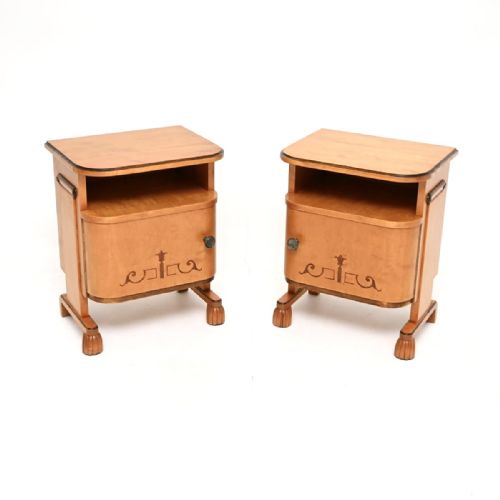
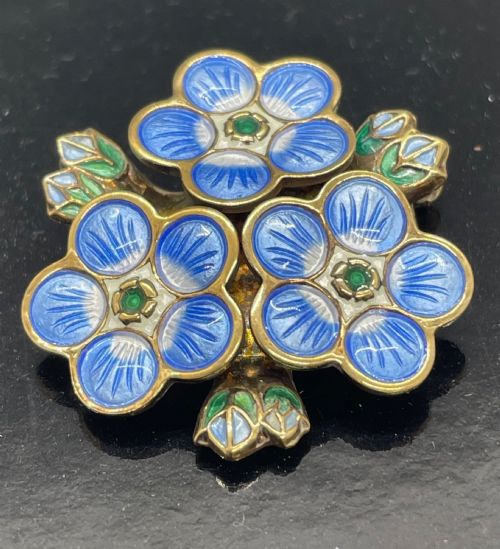
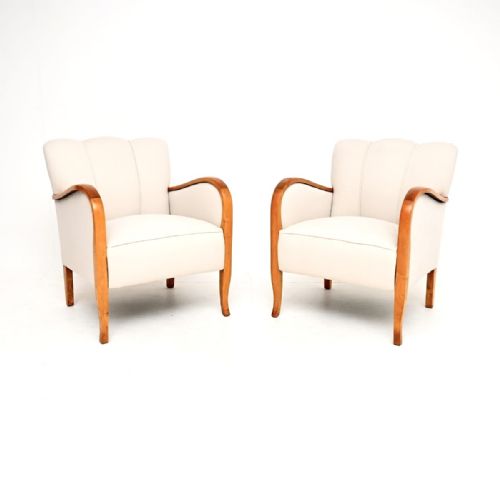
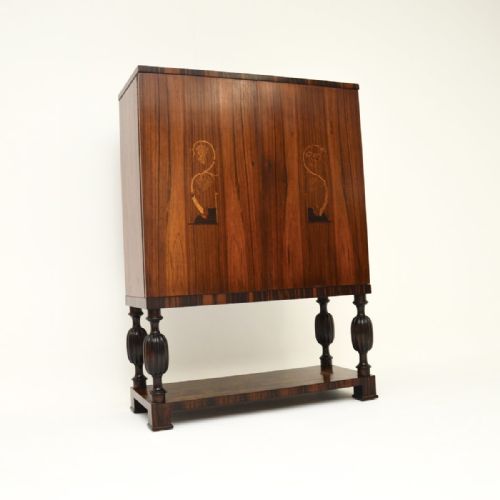
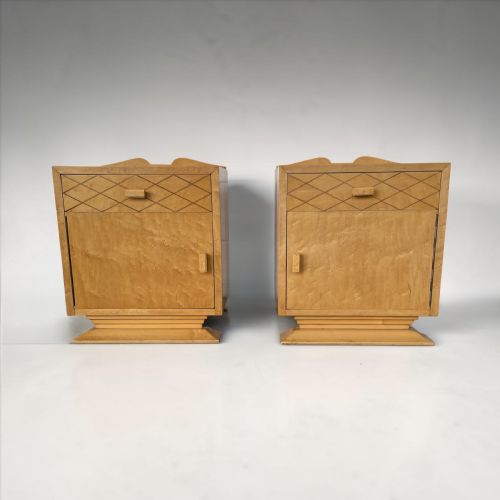
Armchairs, bedside tables, and sideboards dominate the furniture category, often displaying the warm grain of northern timbers. Smaller objects include brooches, napkin rings, and cocktail shakers featuring vibrant enamel work.
Materials and Construction
Makers relied extensively on domestic hardwoods like birch, flame birch, satin birch, and elm, frequently utilising veneers to display dramatic grain patterns. Furniture construction combined solid timber frames with careful inlay work and polished surfaces.
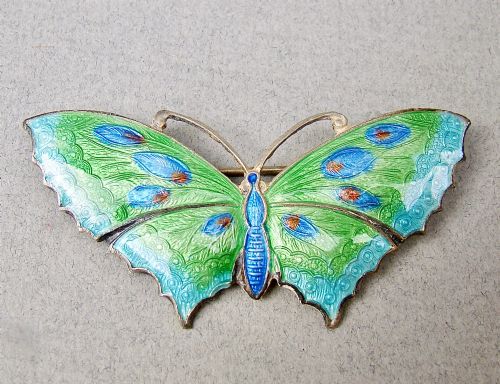
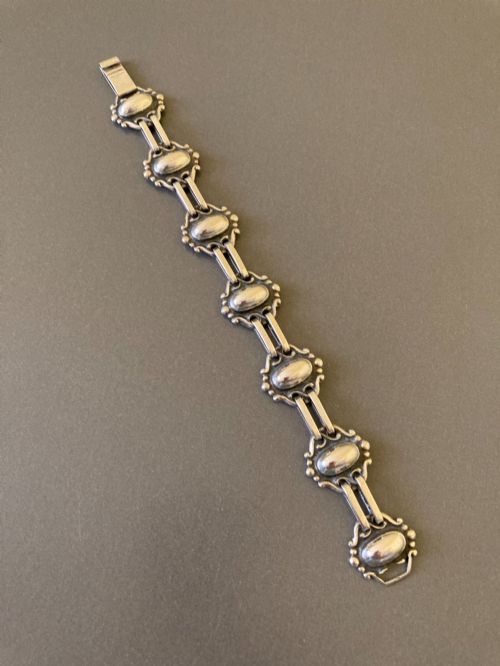
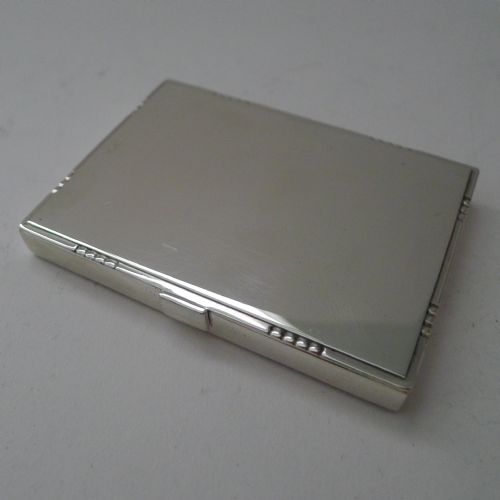
Silver items incorporated sterling silver combined with coloured guilloche enamel, creating translucent coloured finishes on brooches, boxes, and tableware.
Scandinavian Art Deco Retail Price Guide 2026
Typical asking prices for scandinavian art deco among the pieces listed under this phrase on Sellingantiques today, from the lower quarter to the upper quarter. They describe what is for sale here now, not the wider market.
Materials recorded in current inventory include satin birch, flame birch, sterling silver, enamel, elm, and porcelain.
Assessing Quality
Quality rests on the selection of timber veneers, where book-matched grain patterns and clean geometric inlays elevate a piece from utilitarian to exceptional. The depth and clarity of guilloche enamel on silver items separate standard production from masterwork design.
The precision of carved details and the structural integration of upholstery in armchairs reveal the hand of skilled workshops rather than mass output.
David Andersen·Sigvard Bernadotte for Georg Jensen·Hans Henrik Hansen·Sandberg & Co
The Scandinavian Art Deco Glossary
- Satin Birch
- A pale northern timber displaying a shimmering, reflective grain surface. It was frequently utilised across Swedish cabinets and seating.
- Guilloche Enamel
- Decorative enamel applied over a mechanically engraved metal background. This technique creates repeating geometric patterns visible beneath translucent colour.
- Swedish Grace
- An architectural and design style bridging neoclassical restraint and early modernist simplification. It precedes and informs many regional furniture designs.
- Silver Gilt
- Sterling silver coated with a thin layer of gold. This treatment provides a rich two-tone finish often seen on Norwegian enamel accessories.
Scandinavian Art Deco: Frequently Asked Questions
What defines scandinavian art deco furniture?
These pieces combine streamlined modernist geometry with warm northern timbers like birch and elm. They rely on clean lines rather than heavy ornamentation.
Craftsmen balanced functional utility with sophisticated veneer work, creating armchairs, sideboards, and tables that feel both modern and organic.
How do I care for birch veneer surfaces?
Keep polished timber away from direct sunlight and excessive moisture to prevent veneer lifting and fading. Dust regularly with a soft, dry cloth.
Occasional application of appropriate furniture wax maintains the lustre without building up heavy residues on the grain.
What is guilloche enamel?
Guilloche enamel involves engraving precise geometric patterns into metal before applying translucent coloured enamel coatings. The underlying pattern shines through the glassy surface.
This technique was widely used on silver brooches, boxes, and cocktail accessories from the period.
How do I identify Swedish Grace pieces?
Swedish Grace objects display slender proportions, classical restraint, and subtle surface carving. They represent a transitional phase towards full modernist design.
Look for refined silhouettes on cabinets and seating produced around the nineteen-twenties and nineteen-thirties.