




Scalloped Silver Dish
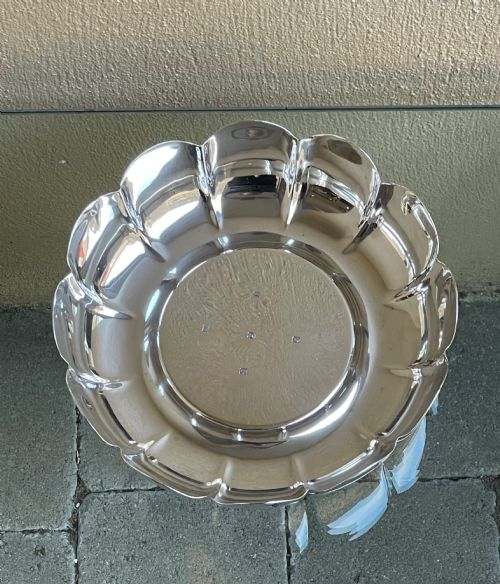
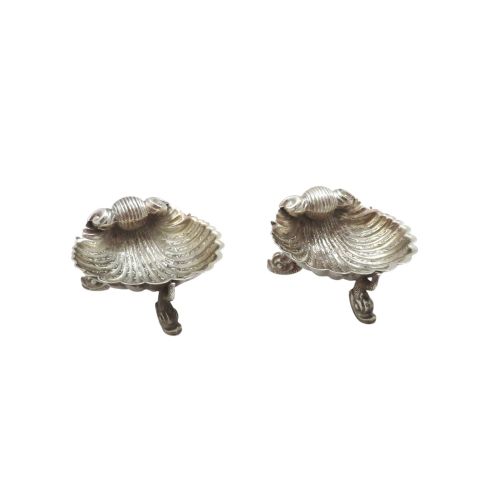
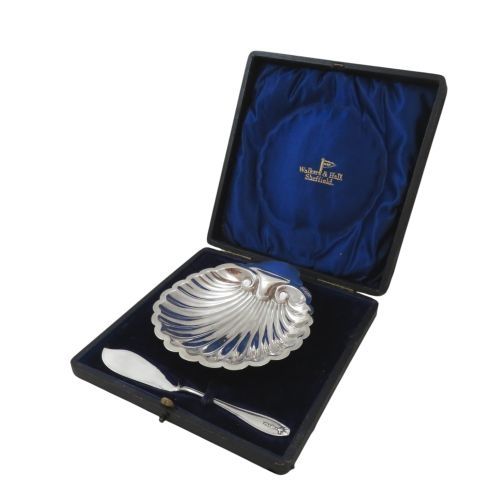
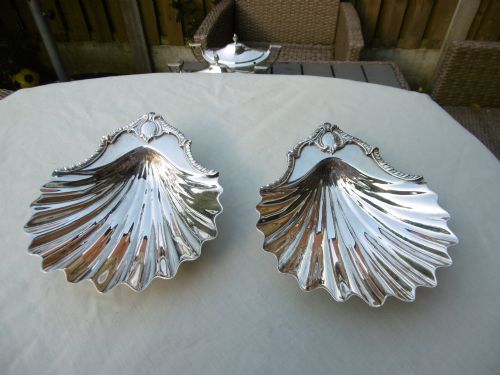
A scalloped silver dish brings fluid, organic form to the table, and on this page you will find shell-shaped butter dishes, salts and serving vessels spanning several centuries.
Scalloped Silver Dish
When you search for a scalloped silver dish, you encounter a variety of forms rooted in domestic dining traditions from the eighteenth century onwards. The shell shape dominates, appearing frequently as small butter dishes, salt cellars and bonbon vessels designed for the dining table.
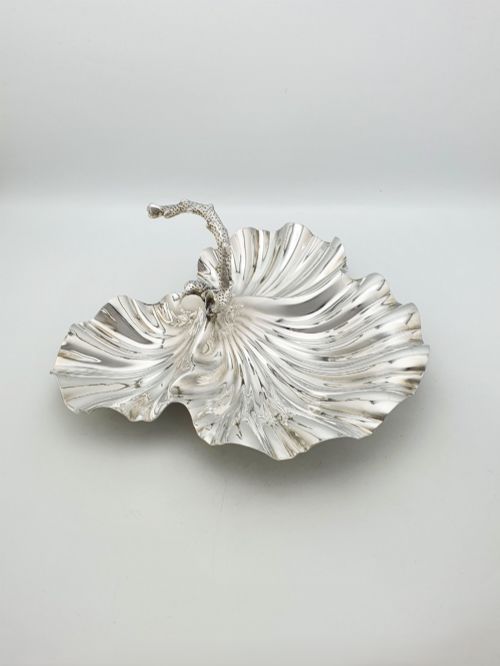
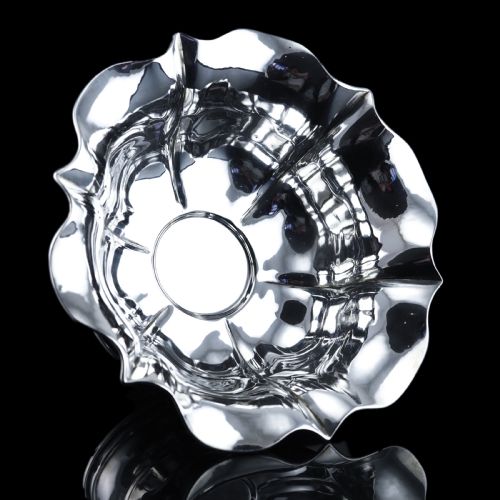
You are most likely to meet Victorian and Edwardian examples in sterling silver or silver plate, alongside earlier Georgian iterations and continental European silverwork. Larger serving pieces, centrepieces and chargers also emerge within these periods, utilising the same characteristic curved and fluted edges.
Materials and Construction
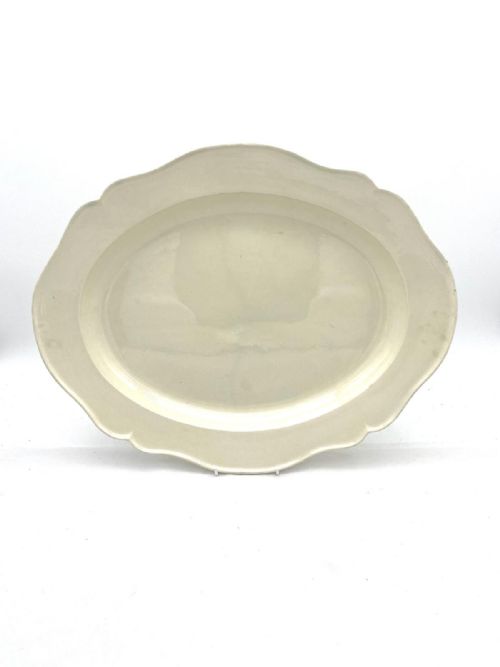
The material evidence spans solid sterling silver, silver-plated base metals, electroplated nickel silver and even copper, creamware, earthenware and pewter. Solid silver items often display hallmarks indicating Dublin, London, Birmingham or continental assay offices, whilst plated pieces rely on a durable coating over a supportive core.
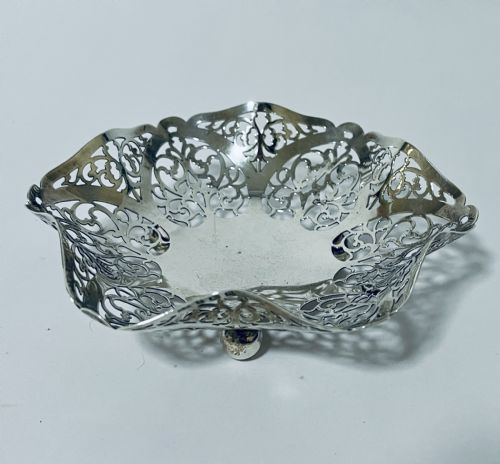
Maker techniques involve repoussé, chasing and piercing to achieve the characteristic wavy borders and shell ribs. Some pieces incorporate cast handles shaped like coral, or rest upon fitted velvet and silk within presentation cases.
Listings feature items from the eighteenth, nineteenth and twentieth centuries, encompassing Victorian, Edwardian, Georgian and Art Nouveau styles.
Judging Quality and Craftsmanship
Quality rests upon the crispness of the chasing and the weight of the metal itself. Finer pieces demonstrate deep, clean fluting and confident hand-forming rather than repetitive machine stamping, maintaining rigidity across the curved rim.
The distinction between top-tier examples and simpler wares lies in the proportion of the design and the clarity of the maker marks. Sterling silver items by notable silversmiths retain sharper detail in their relief work compared to heavier, utilitarian plated wares.
William Plummer·Goldsmiths & Silversmiths·Edward Farrell·Thomas Smily·James Deakin·Tiffany & Co·Garrard London·WMF
The Scalloped Silver Dish Glossary
- Sterling silver
- An alloy comprising ninety-two point five percent silver by mass, with the remainder being copper or other metals. This standard guarantees the purity of the metal used in British and colonial silverwork.
- Electroplated nickel silver
- A base metal alloy of copper, nickel and zinc coated with a thin layer of silver through an electrolytic process. This technique became widespread in the nineteenth century for producing affordable tableware.
- Bonbon dish
- A small decorative vessel intended to hold sweets or confectionery on a drawing room table. These pieces often feature pierced bodies and delicate pedestal feet.
- Silver gilt
- Silver that has been coated with a thin layer of gold on its surface, sometimes referred to as vermeil. This treatment gives the object a warm, dual-toned appearance.
- Rococo design
- An artistic style characterised by elaborate ornamentation, asymmetrical scrollwork, naturalistic shell motifs and curving lines. It heavily influenced Georgian silverwork during the eighteenth century.
Scalloped Silver Dish: Frequently Asked Questions
What were small scalloped dishes used for?
These small vessels served specific functions at the dining table, most commonly holding individual portions of butter, salt or small sweets. Their shell forms suited the presentation of condiments during formal meals.
Over time, their domestic role shifted towards decorative display, particularly smaller bonbonnières and sweetmeat dishes kept on sideboards and tables.
How do I identify a Georgian scalloped dish?
Georgian pieces from the eighteenth century typically display heavier gauge silver with hand-chased rococo scrolls and distinct hallmarks corresponding to London assay offices. The construction relies on traditional smithing techniques rather than industrial stamping.
Examining the underside and the sharpness of the relief work helps separate these earlier items from later Victorian revival pieces.
Are silver-plated shell dishes collectable?
Silver-plated wares from the Victorian and Edwardian periods are widely collected for their decorative appeal and practical utility. Makers such as James Deakin and various electroplate manufacturers produced high-quality items that rival solid silver in design complexity.
Condition and the intactness of the original plating remain key considerations for collectors of these pieces.
How should I clean antique silver dishes?
Antique silver requires gentle cleaning with non-abrasive cloths and specialised silver polishes to preserve the integrity of the metal and any hand-chased details. Harsh scrubbing can wear away thin silver plating or soften crisp hallmarks.
Storing pieces away from direct moisture and handling them with clean hands helps maintain the natural patina built up over generations.