


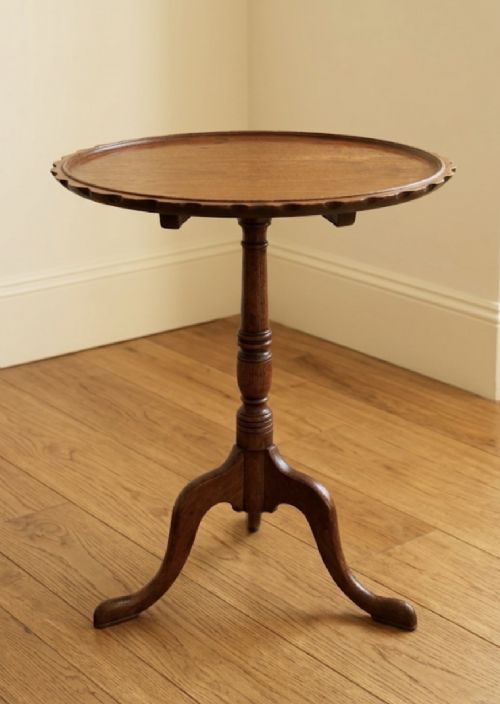


Scalloped Edge Stand
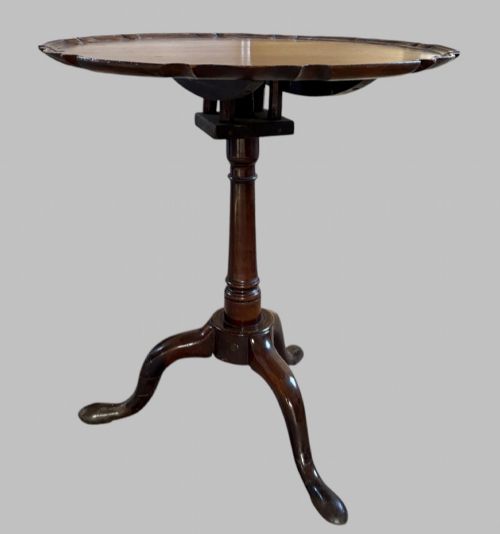
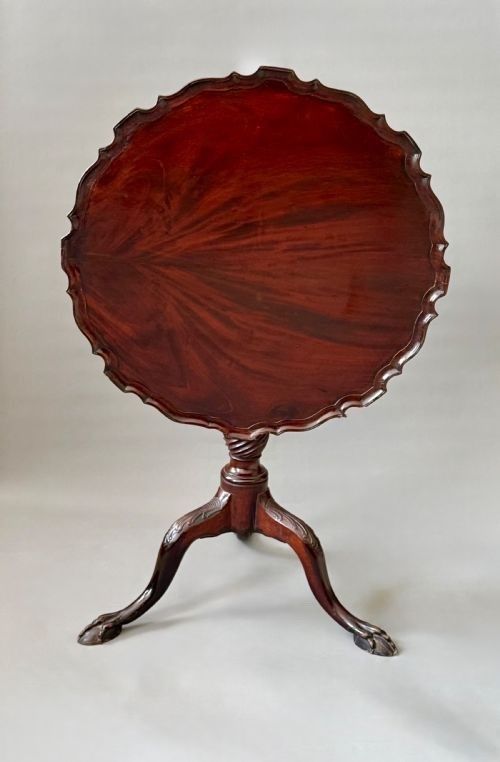
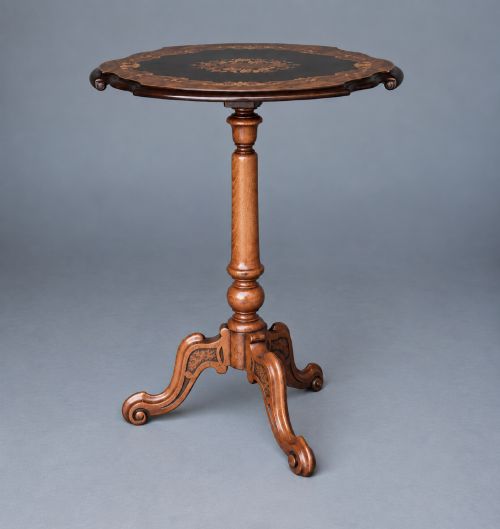
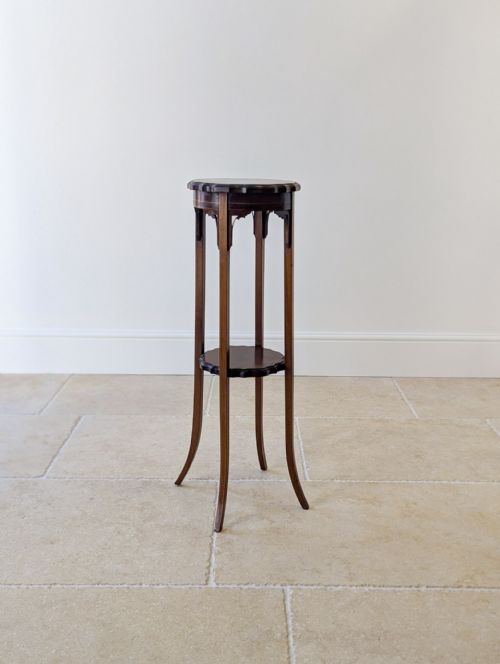
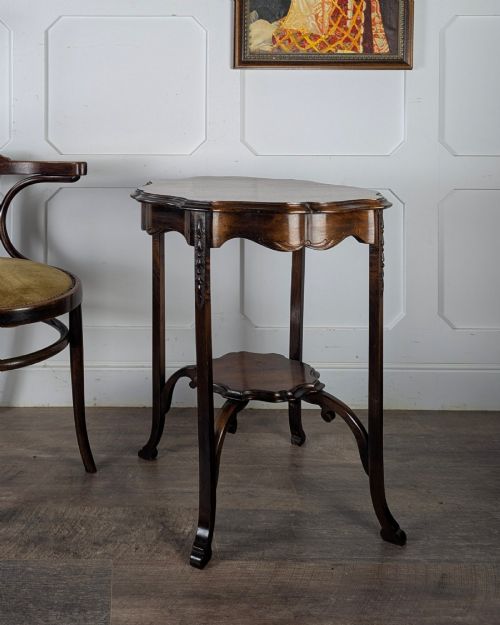
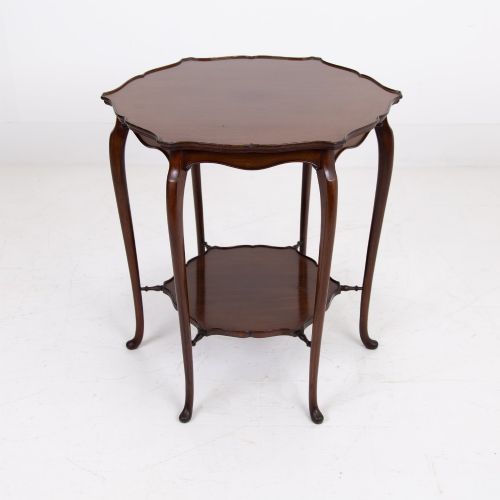
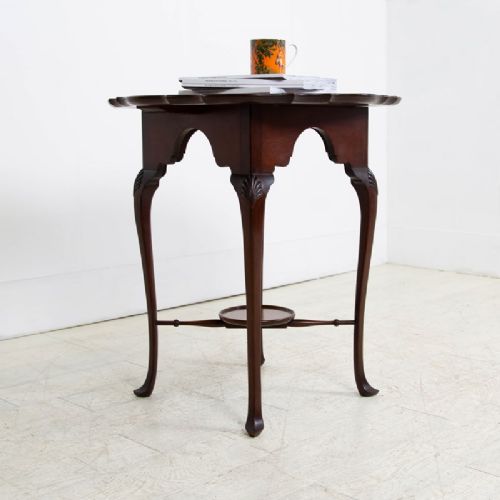
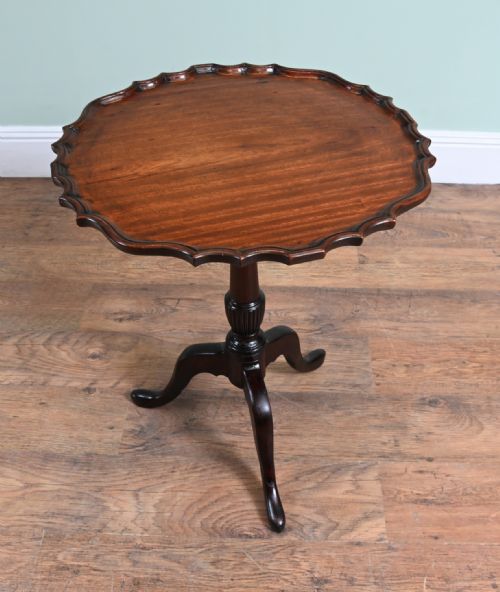
When you search for a scalloped edge stand, you find tripod tables, occasional tables and plant stands shaped with curved borders.
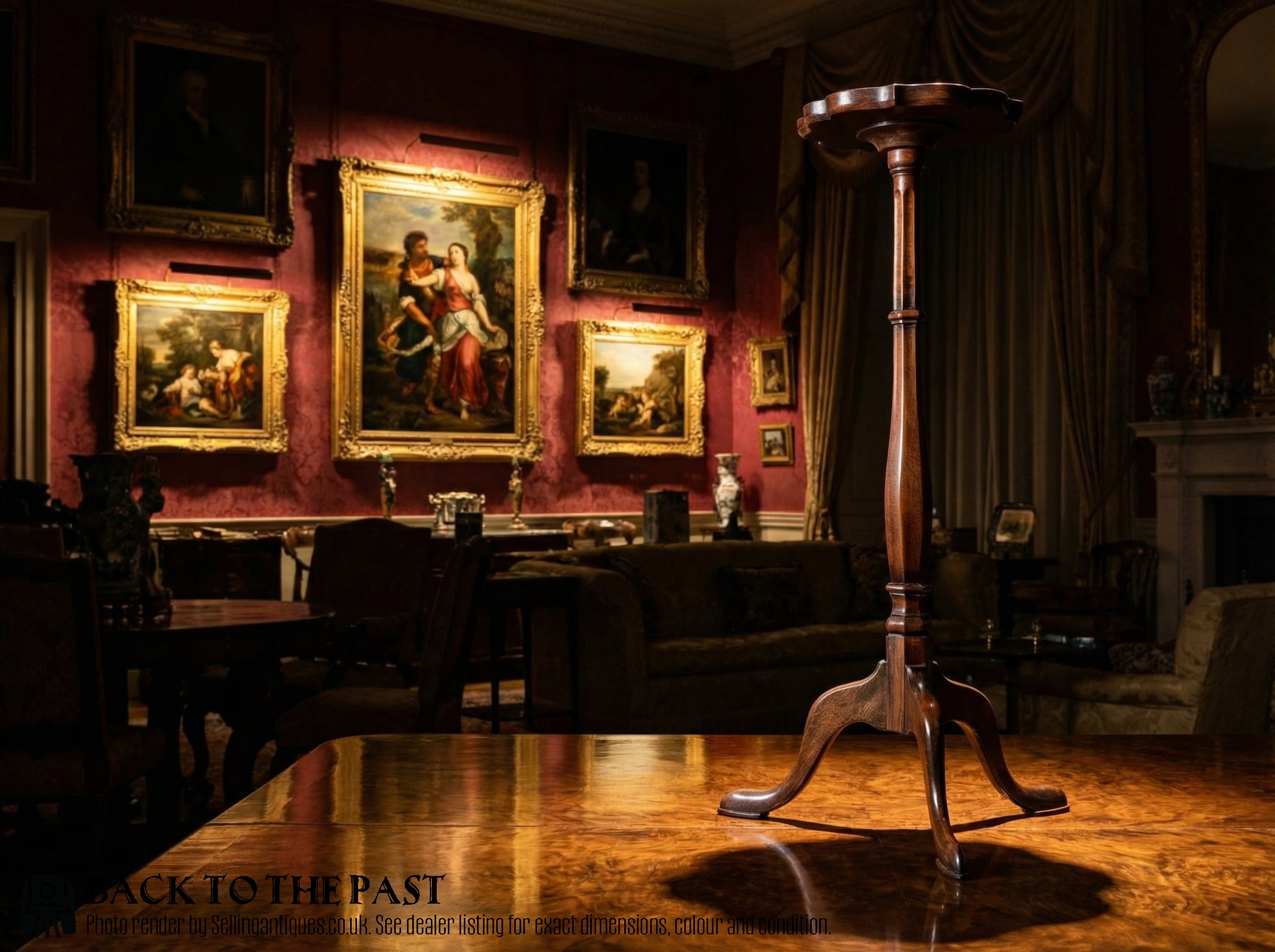
Scalloped Edge Stand
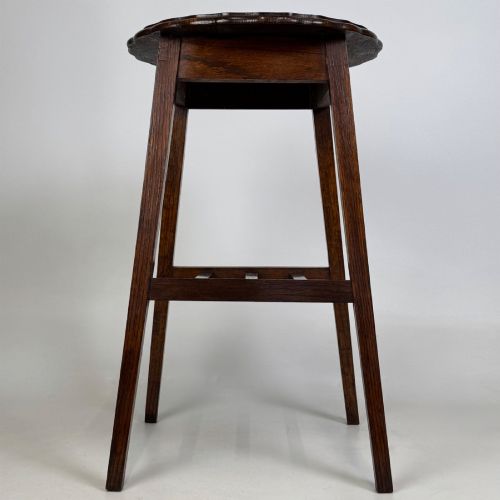
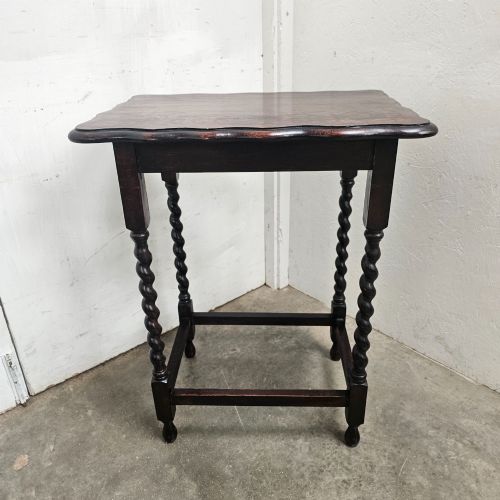
A scalloped edge stand covers a range of small household furniture where the perimeter of the surface is carved or shaped into curves, most commonly seen in tripod tables, occasional tables and plant stands. The pieces span several centuries, appearing in Georgian, Victorian and Edwardian iterations alongside later twentieth-century examples.
The form frequently takes the shape of a wine table, kettlestand or torchère, designed to hold small objects or lamps rather than bear heavy loads. Buyers are most likely to encounter mahogany and walnut versions featuring circular or octagonal tops supported by central pedestals or slender legs.
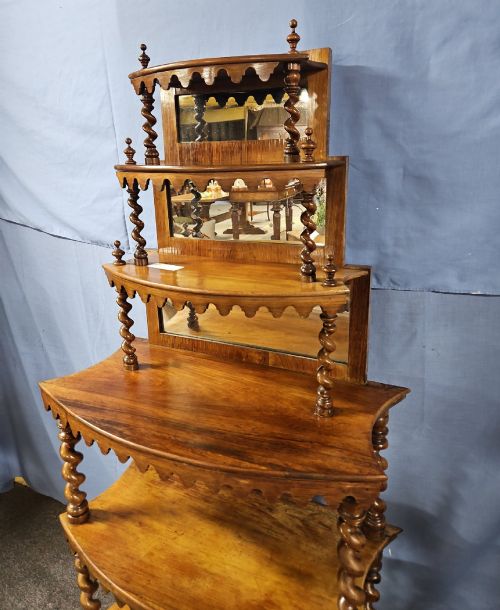
Makers produced these stands for domestic parlours and drawing rooms, often incorporating tilt mechanisms or multiple tiers for display. Styles range from plain classical lines to Chippendale-influenced carving and inlaid satinwood details.
Materials and construction
Makers relied heavily on hardwoods such as mahogany, oak, walnut and rosewood, frequently selecting figured veneers to catch the light on table surfaces. Brass fittings and satinwood inlay appear on refined examples, while simpler pieces utilise solid oak or mahogany.
Carpenters formed the characteristic curved borders by cutting directly into solid timber tops or applying raised mouldings, creating the distinct indented outline. Tripod bases employ turned central pillars slotted into three curved legs, sometimes featuring tilt-top mechanisms with catch fasteners.
Scalloped Edge Stand Retail Price Guide 2026
Typical asking prices for scalloped edge stand among the pieces listed under this phrase on Sellingantiques today, from the lower quarter to the upper quarter. They describe what is for sale here now, not the wider market.
Listings feature eighteenth-century George III pieces alongside twentieth-century Art Deco mirrors and occasional tables.
Factors of quality
The distinction between ordinary and superior pieces rests on the crispness of the edge carving and the selection of timber grain. Figured walnut and richly grained mahogany indicate careful material choice by the cabinetmaker.
Stability in the central pedestal and the seamless movement of tilt-top mechanisms reveal the precision of the original joinery. Fine proportion in the turning of the legs and restraint in applied inlay separate master workshop production from standard commercial output.
Shapland and Petter
The Scalloped Edge Stand Glossary
- Pie crust table
- A small circular table with a raised, carved scalloped border resembling pastry work. This style originated in the eighteenth century and remained popular in later revival periods.
- Tripod table
- A small freestanding table supported by three legs radiating from a central pillar. These pieces often feature tilting tops for convenient storage against a wall.
- Torchère
- A tall, slender stand designed to hold a candle or lamp. They frequently incorporate circular tops and decorated stems.
- Etagere
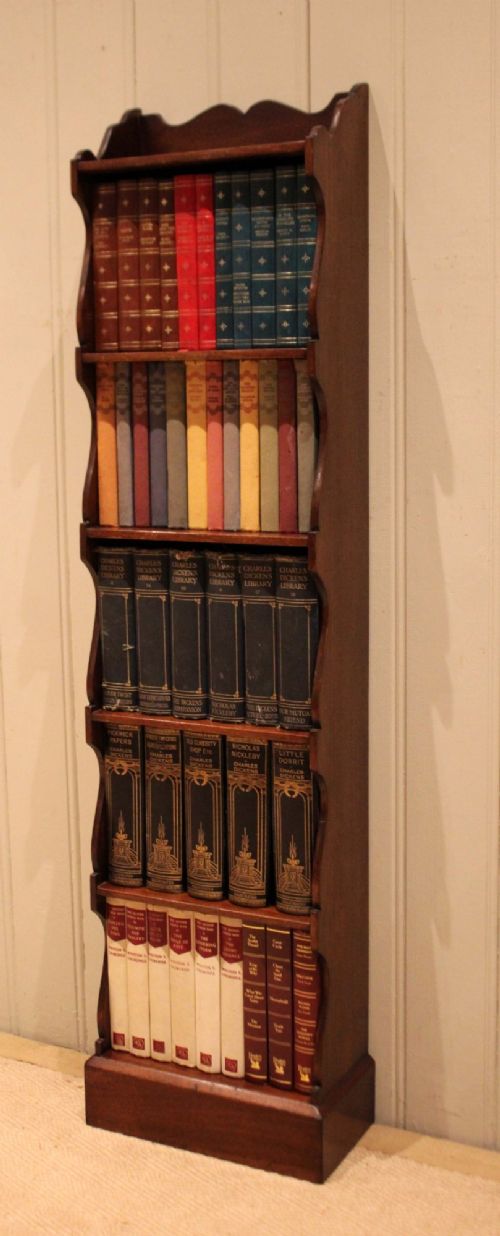
- A piece of furniture consisting of open shelves for displaying small objects or ornaments. They appear in multi-tiered wooden configurations.
- Tilt top
- A tabletop hinged to the pedestal so it can pivot vertically when not in use. This mechanism allows the furniture to occupy less floor space.
Scalloped Edge Stand: Frequently Asked Questions
What is a scalloped edge stand used for?
These pieces function primarily as occasional furniture for holding small decorative objects, lamps or tea service items. Their compact footprints suit placement beside seating or in corners.
Historically, specific versions like kettlestands and wine tables served designated refreshments in formal rooms. Today they provide surface space in smaller domestic areas.
How do I identify a Georgian scalloped edge stand?
Georgian examples typically feature solid mahogany construction with hand-carved borders, slender turned pedestals and pad or snake feet. The timber exhibits a deep, natural patina developed over centuries.
Later revival pieces from the Edwardian period or twentieth century often display machine-cut details or lighter wood tones, lacking the dense weight and tool marks of eighteenth-century work.
Are tilt-top mechanisms original?
Most period tripod tables retain their original iron or wooden catches beneath the surface, which lock the top horizontally. Inspecting the pivot area reveals whether the blocks and pins match the age of the timber.
Replacements or later repairs are common due to the strain placed on the hinge pivot during use.
How do I care for a wooden stand?
Maintain the finish by keeping the wood away from direct heat sources and strong sunlight, which cause timber to dry and split. Regular dusting with a dry, soft cloth preserves the polish.
Apply a traditional beeswax sparingly when the surface appears dull, buffing gently to maintain the natural sheen of the grain.