




Scalloped Chinoiserie Table
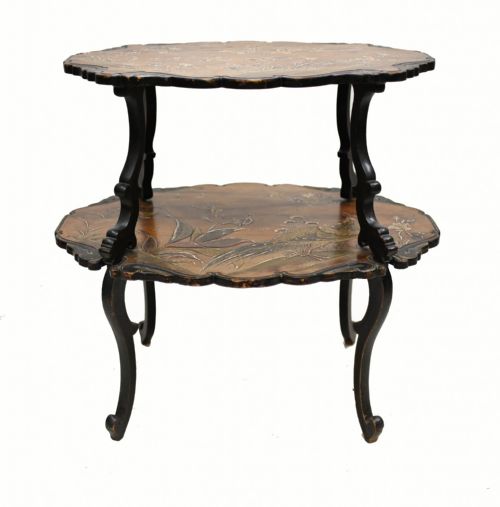
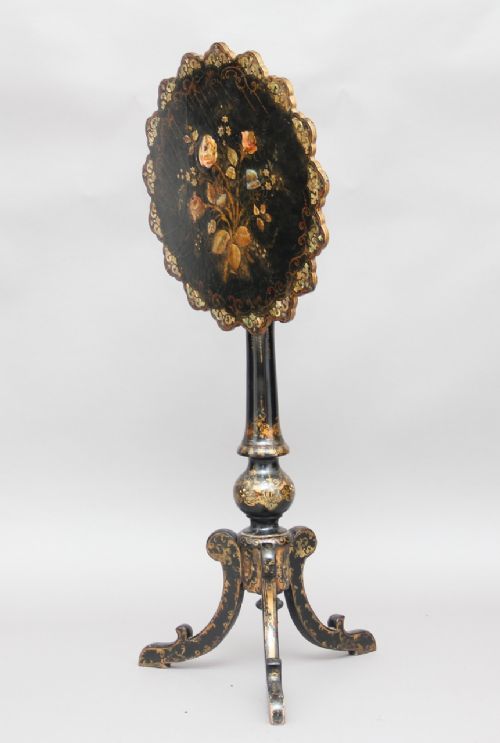
A scalloped chinoiserie table brings hand-painted lacquer and striking decorative motifs into a room, offering a distinctive surface that collectors prize.
Scalloped Chinoiserie Table
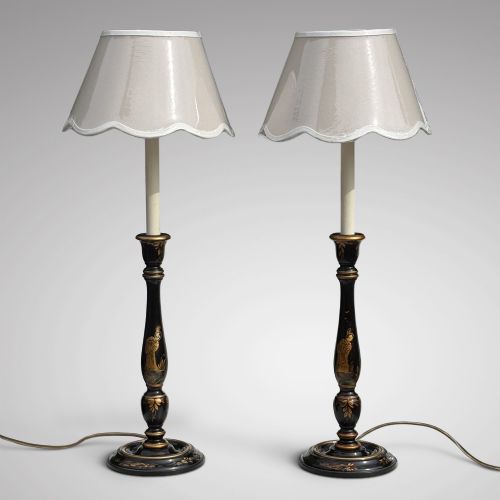
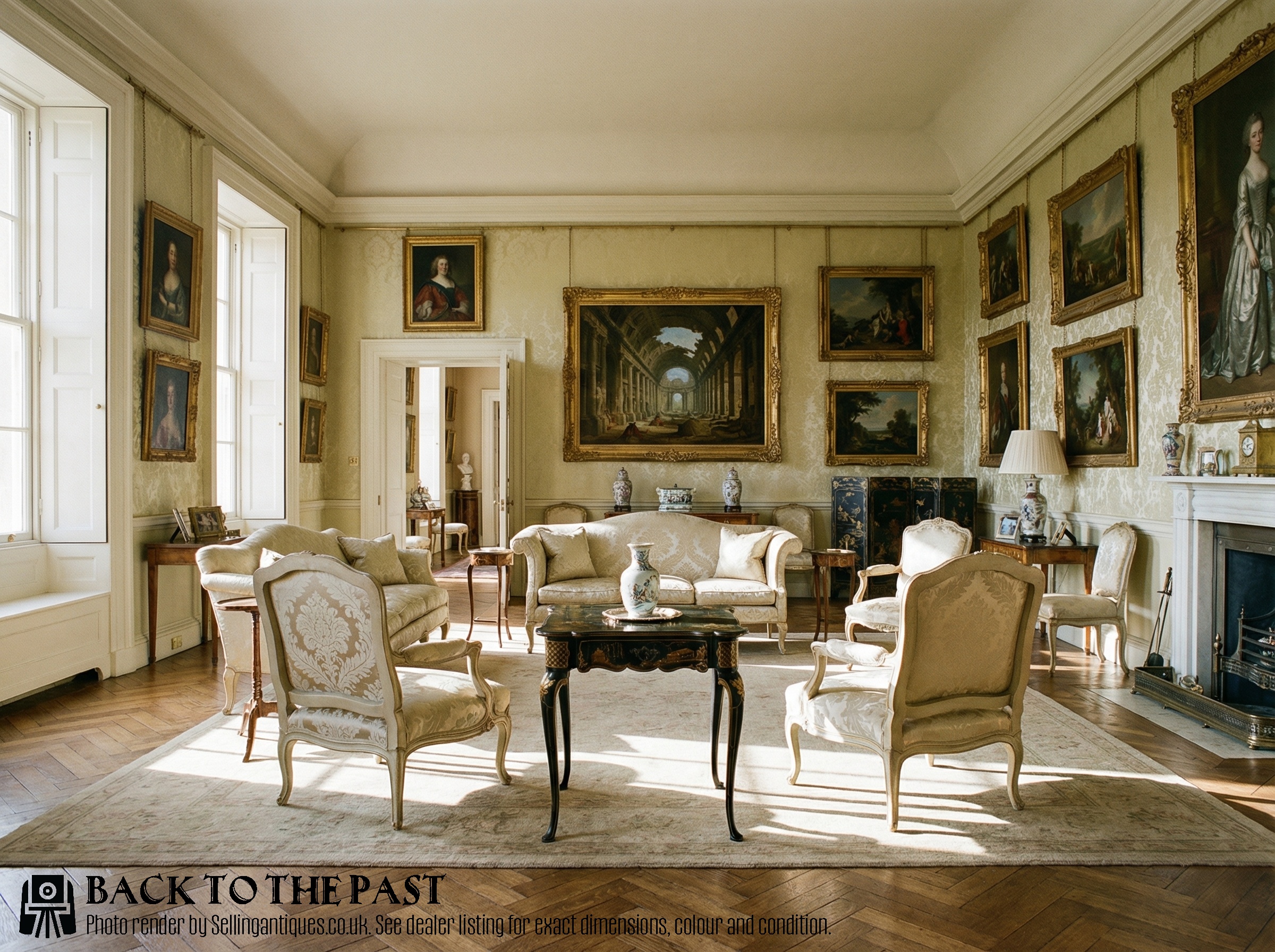
When you search for a scalloped chinoiserie table, you encounter occasional tables, side tables, and tray tables produced across the nineteenth century and into the early twentieth century. These pieces display distinct decorative influences linked to Chinese export traditions, Japanese aesthetics, and Brighton Pavilion style.
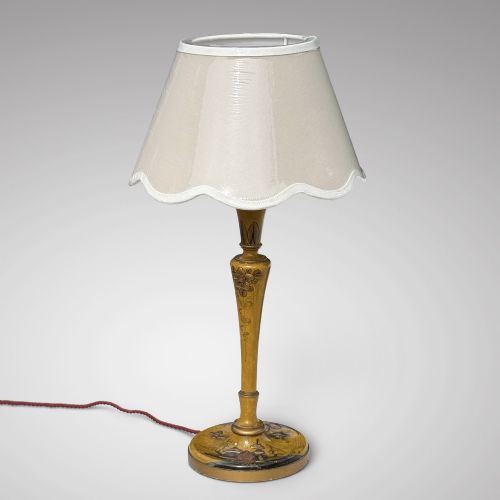
The examples available here lean heavily towards nineteenth-century craftsmanship, including black and ochre lacquered surfaces alongside ebonised wood structures. Forms range from compact wine tables with tripartite bases to occasional tables featuring painted details.
How they were made
The makers of these items relied on wood, papier-mâché, and ebonised timber as structural foundations, applying layers of lacquer to achieve deep, lustrous finishes. Artisans embellished these surfaces using gold leaf and hand-painted motifs characteristic of chinoiserie and japanning techniques.
Further detailing often incorporates brass fittings and integrated fabric elements, binding the decorative scheme together. The construction methods reflect traditional nineteenth-century cabinetmaking combined with specialist surface ornamentation.
Listings feature items spanning the nineteenth century up to nineteen-twenty, utilising wood, lacquer, papier-mâché, and ebonised timber.
What varies in quality
Quality rests primarily on the depth and execution of the lacquerwork and hand-painted decoration. Superior examples display intricate, crisp detailing in the gold leaf and pictorial scenes, whereas simpler pieces show broader brushwork and less refined surface preparation.
The integrity of the underlying material, whether solid wood or papier-mâché, dictates the structural resilience of each form. Finer specimens maintain sharp contours along edges and corners, preserving the decorative impact over generations of use.
The Scalloped Chinoiserie Table Glossary
- Chinoiserie
- European decorative style reflecting Chinese artistic influences, prominent in furniture and ornamentation. It relies on motifs of figures, landscapes, and pavilions rendered in paint and lacquer.
- Japanning
- European imitation of Japanese and East Asian lacquerwork used on furniture. This technique involves layering varnishes and curing them before adding painted designs.
- Ebonised wood
- Timber treated to resemble ebony, creating a dense black finish popular in nineteenth-century furniture. It provides a dark backdrop that makes gold leaf details stand out.
- Tripartite base
- A three-legged or three-sided support structure common on small tables and wine tables. This configuration ensures stability on uneven floors.
- Papier-mache
- Composite material made from paper pulp mixed with adhesive, moulded and dried before finishing. It offers a lightweight yet rigid base for lacquered decorative trays and small tables.
Scalloped Chinoiserie Table: Frequently Asked Questions
What periods do these tables come from?
The pieces span the nineteenth century and the early twentieth century, encompassing Victorian production and items dated around eighteen-ninety to nineteen-twenty.
Stylistic influences range from Brighton Pavilion aesthetics to traditional Chinese export designs, reflecting shifts in British and European interior tastes.
How do I care for a lacquered surface?
Lacquered and japanned surfaces require gentle dusting with a soft, dry cloth to prevent scratching the delicate finish. Avoid placing them in direct sunlight or near heat sources to protect the varnish and gold leaf from deterioration.
Keep moisture away from the timber and papier-mâché cores by using coasters and avoiding liquid cleaning agents.
Are these pieces purely decorative or functional?
While highly ornamental, these tables served practical purposes in historic interiors as occasional surfaces for drinks, serving, or display. Side tables, wine tables, and tray tables remain useful for similar display roles in contemporary spaces.
Care should be taken with older papier-mâché and lacquered tops when placing heavy objects upon them.