
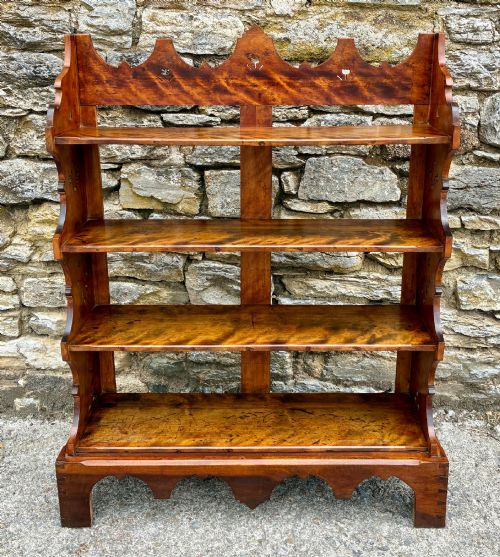
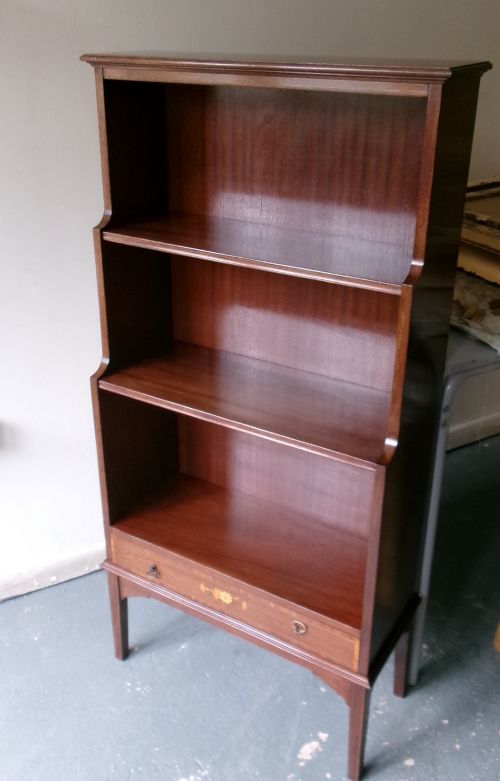
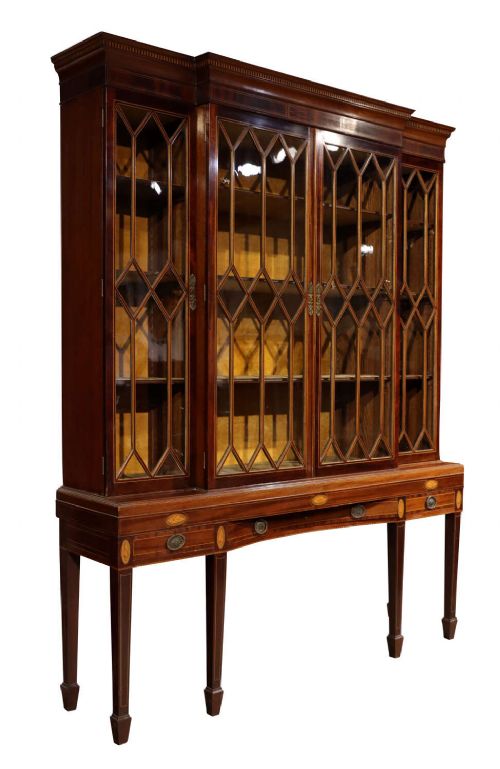
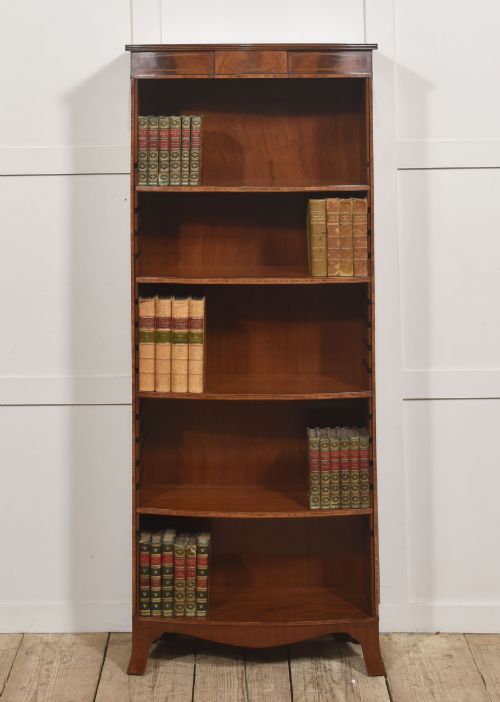
Satinwood Display Stand
A satinwood display stand offers a pale, figured surface designed to elevate treasured objects in a room.
Satinwood Display Stand
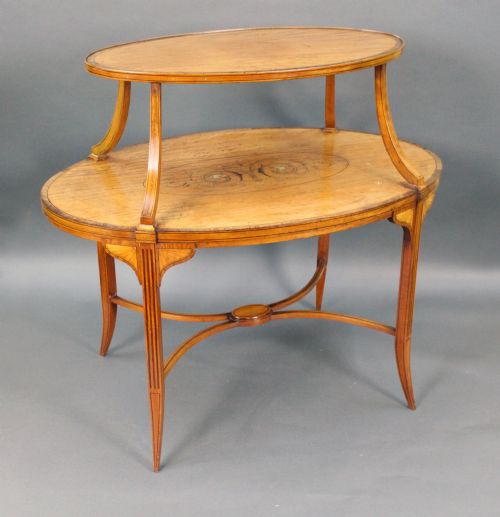
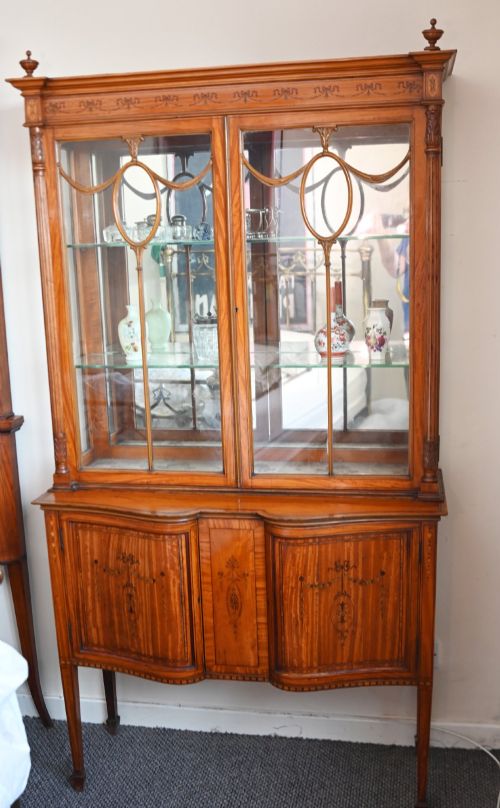
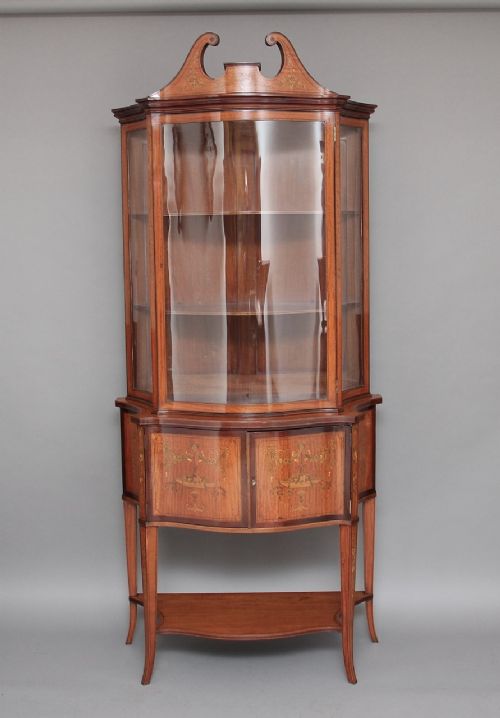
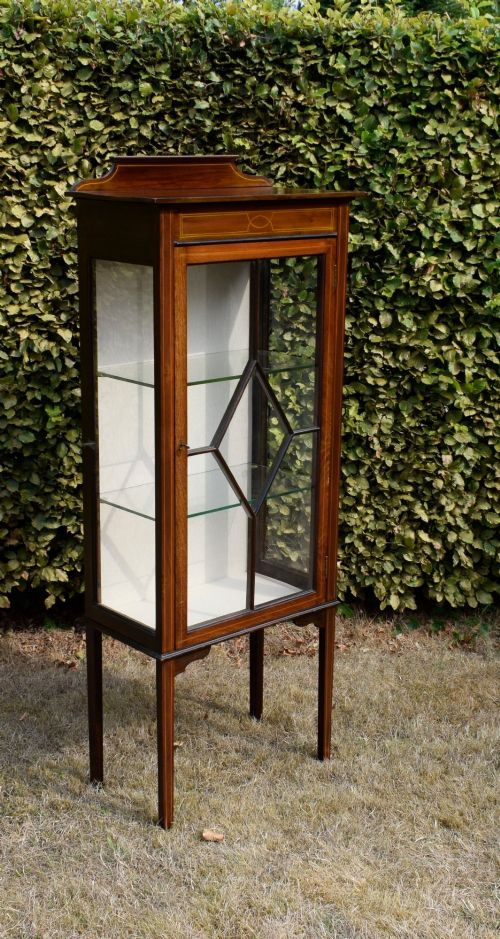
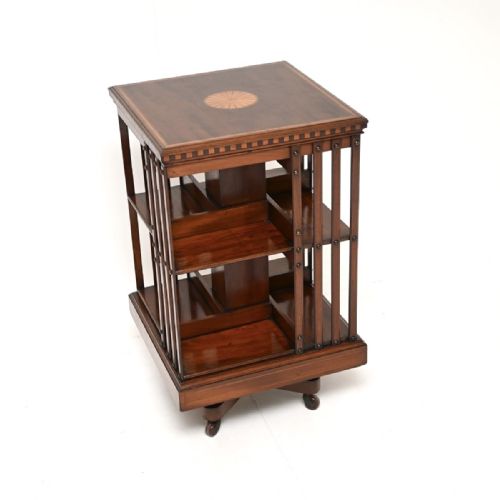
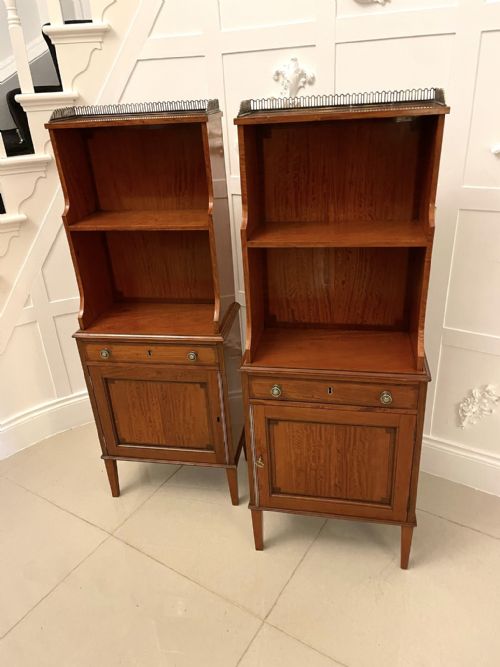
A satinwood display stand brings together refined cabinetry and polished timbers designed to showcase precious items. When searching for a satinwood display stand, buyers encounter pieces spanning the Georgian, Victorian, and Edwardian eras, with Edwardian examples and Sheraton Revival interpretations appearing frequently.
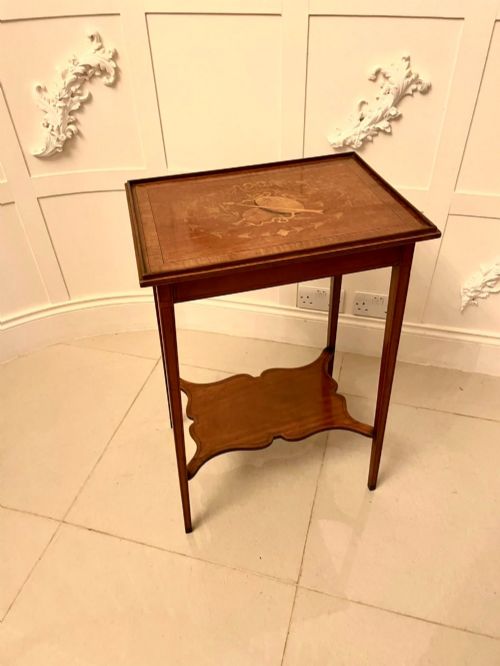
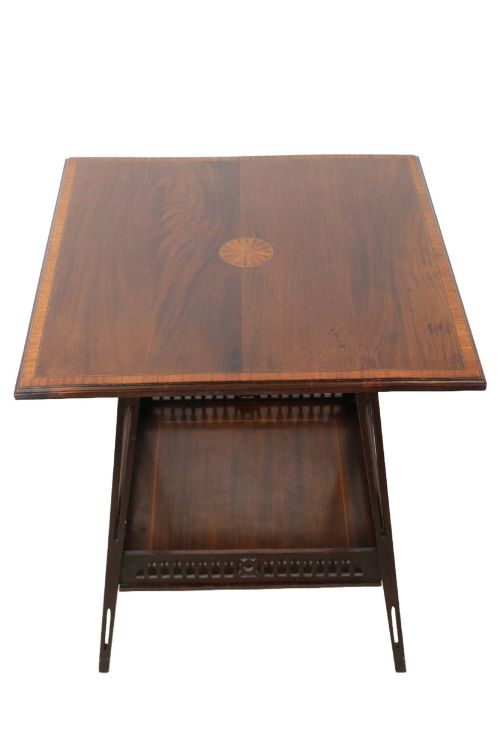
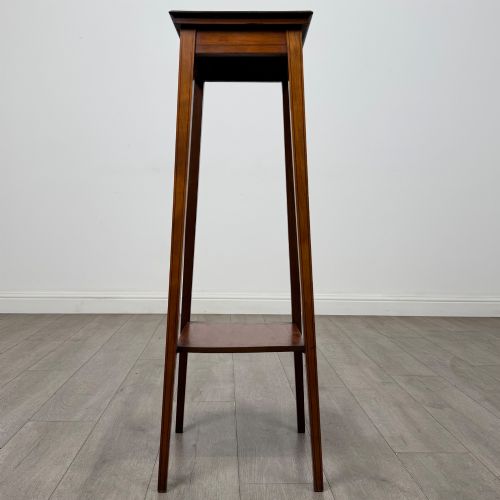
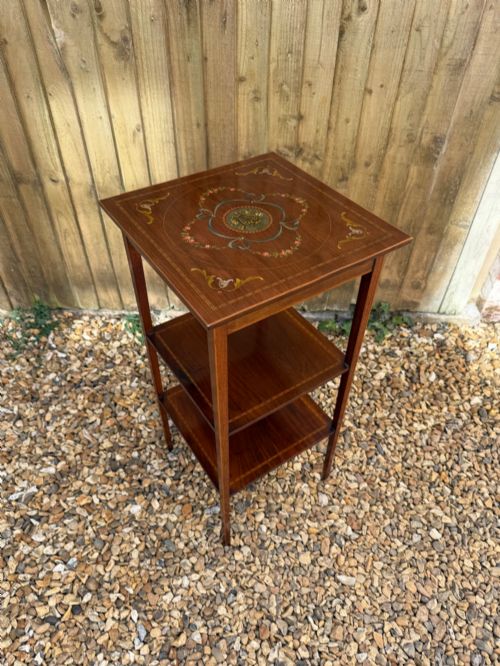
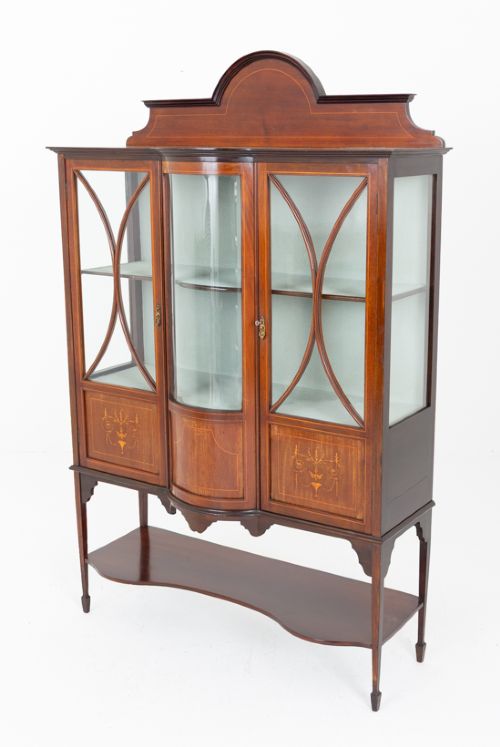
The form often takes the shape of a cabinet on stand, a compact plant stand, or an occasional table fitted with glass or open shelving. These pieces serve to lift objects into the line of sight while introducing warm, golden timber tones to an interior.
Origins trace across the nineteenth and early twentieth centuries, drawing heavily on eighteenth-century design vocabularies. Makers utilised the timber's natural lustre to create light furniture that contrasts with heavier Victorian dark woods.
How they were made
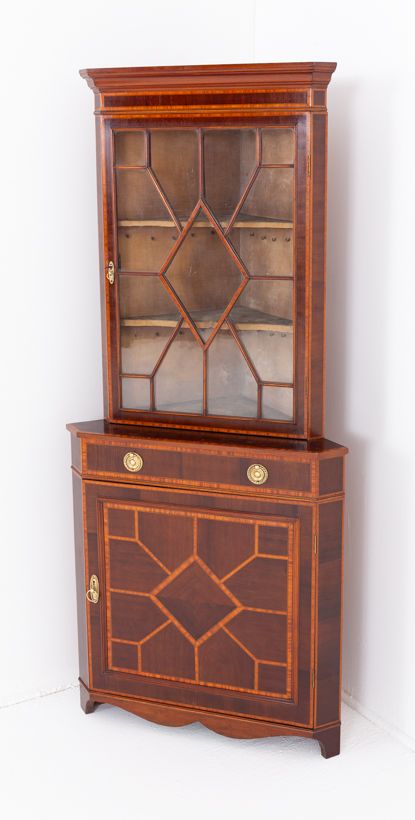
Cabinet makers built these pieces using solid and veneered satinwood, frequently paired with mahogany, harewood, kingswood, or walnut carcases. Surfaces often incorporate delicate boxwood inlay, satinwood inlay, and marquetry details that define panels and borders.
Glazing bars frame glass panels on cabinet doors, while brass fittings secure doors and drawers. Interior elements include fabric-lined shelves or mirrored backs designed to reflect light through displayed objects.
Listings demonstrate a strong presence of Edwardian and Sheraton Revival pieces, alongside 18th-century and Victorian examples utilising satinwood, mahogany, and glass.
What varies in quality
The fineness of the marquetry and the grain selection in the satinwood veneer set superior examples apart from standard workshop production. Dense, highly figured timber paired with crisp boxwood stringing indicates careful selection by the maker.
Proportion and structural harmony also separate finer pieces, where brass hardware, locks, and glazing show deliberate integration rather than hasty assembly.
Trevor Page & Co·Gillows·Waring & Gillow·Hobbs & Sons·Edwards & Roberts
The Satinwood Display Stand Glossary
- Satinwood
- A dense, hard timber known for a golden sheen and a natural lustre that catches light. It serves as the primary veneer or solid wood for high-status cabinet work.
- Sheraton Revival
- A late nineteenth and early twentieth-century design movement inspired by the furniture of George Sheraton. It relies on neoclassical symmetry, fine inlay, and tapered supports.
- Marquetry
- The art of forming decorative patterns using fitted pieces of wood veneer. Craftsmen arrange contrasting timbers like boxwood and harewood into floral or geometric motifs.
- Crossbanding
- A border technique where veneer is laid with the grain running perpendicular to the surrounding panel. This frames the central wood and creates a defined optical edge.
- Bijouterie cabinet
- A specialised display case with a glass top and sides designed for holding small ornaments, medals, or jewellery. These pieces elevate small treasures for close inspection.
Satinwood Display Stand: Frequently Asked Questions
Where should I place a satinwood display stand?
Position the piece in a drawing room or study away from direct sunlight to protect the pale timber veneer and any interior fabric lining.
Allow enough surrounding space for glass doors to open fully without obstruction so you can easily access your displayed items.
How do I clean satinwood furniture safely?
Dust the surfaces regularly with a soft, dry lint-free cloth to prevent particulate buildup on the polished timber and glass panels.
Avoid using silicone-based polishes or damp cloths, applying a quality traditional wax sparingly only when the wood appears dry.
How can I tell Edwardian pieces from earlier ones?
Edwardian interpretations often exhibit lighter construction and rely heavily on Sheraton Revival motifs combined with machine-sawn veneers.
Earlier nineteenth-century pieces generally feature thicker timber carcases, hand-cut dovetails, and deeper patination across the wood grain.
Were these stands made for specific rooms?
Cabinet makers designed these pieces for principal reception rooms where hosts entertained guests and exhibited portable decorative arts.
Smaller plant stands and occasional tables functioned as versatile furniture for corners or beside seating areas to hold small ornaments.