


Satinwood Commode Chest
A satinwood commode chest brings pale timbers and refined storage into a room, offering the polished surfaces that collectors seek.
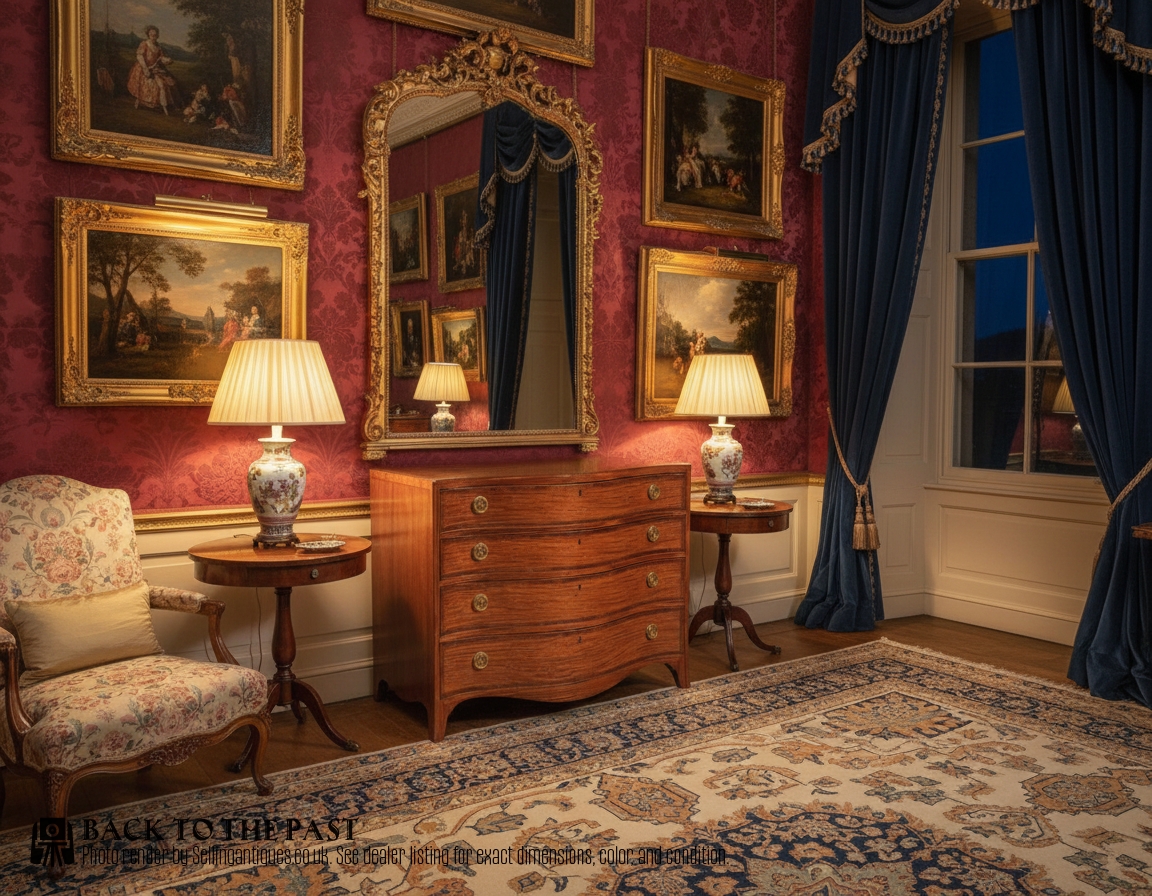
Satinwood Commode Chest
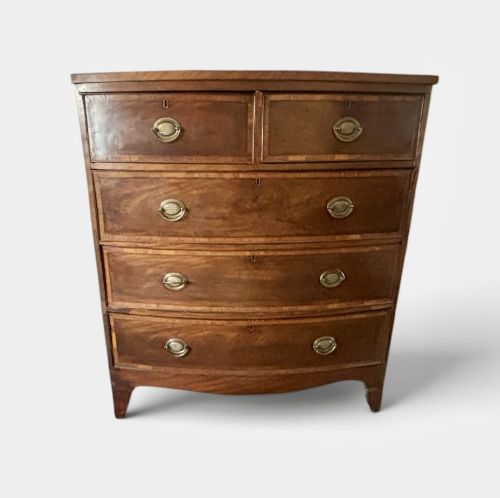
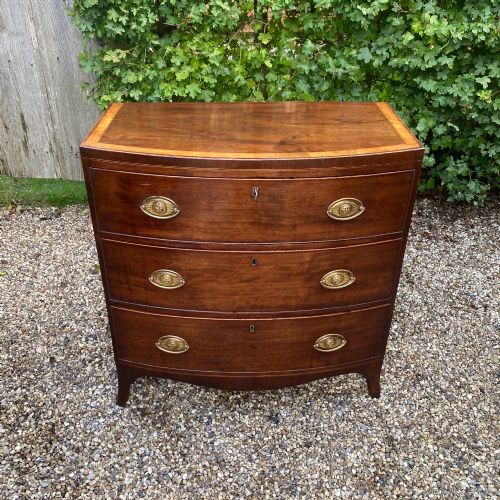
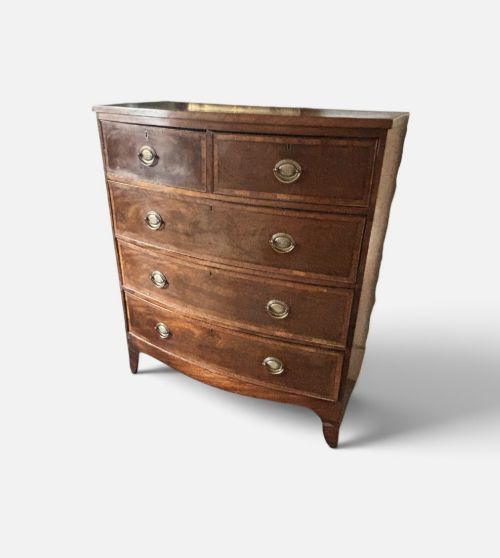
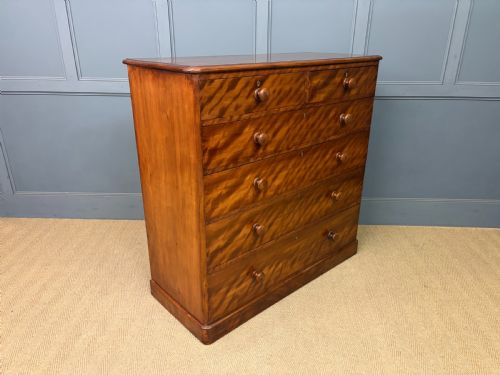
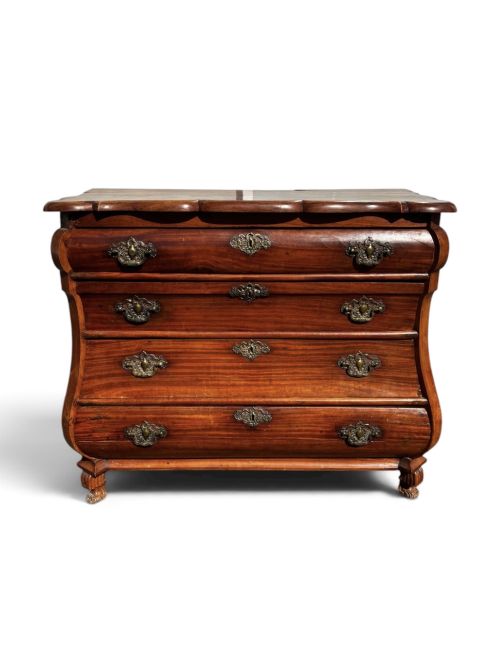
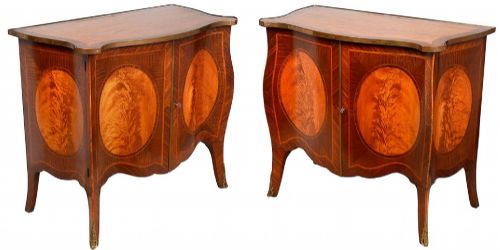
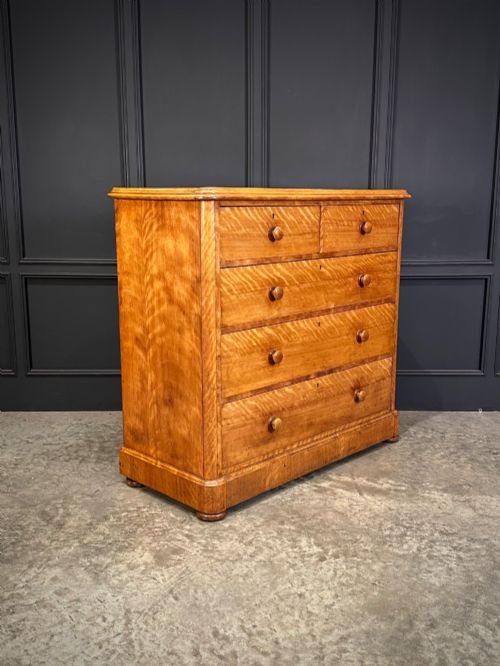
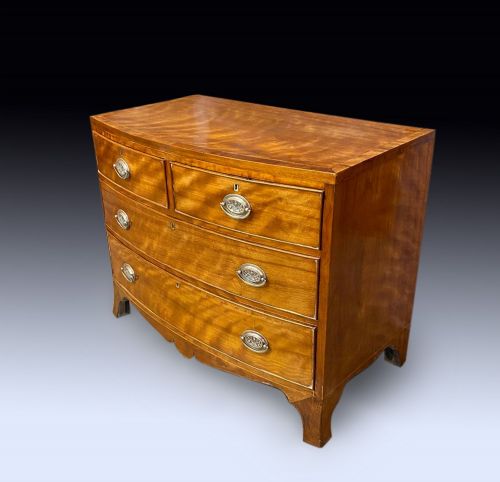
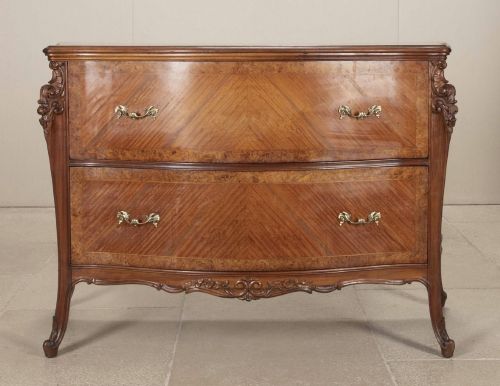
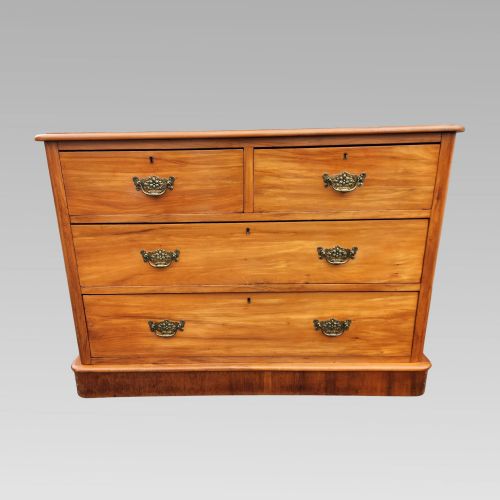
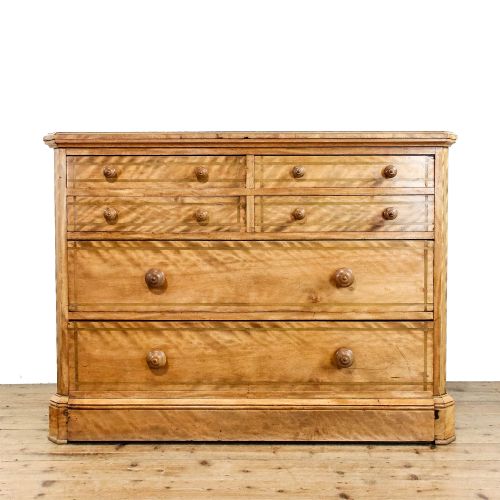
A satinwood commode chest combines the form of a chest of drawers with the decorative presence of a French-influenced commode or side cabinet. These pieces appear frequently in George III, Regency, and Edwardian guises, often featuring bow fronts or serpentine shapes.
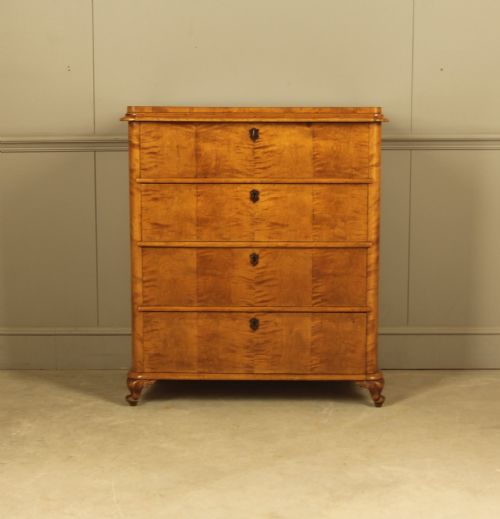
The buyer meets various forms here, ranging from compact bedside tables and secretaire chests to large serpentine gentlemen's dressing chests and bombe shapes. Origin and period span 18th-century English and Dutch colonial workshops through to 19th-century Swedish birch and French transitional designs.
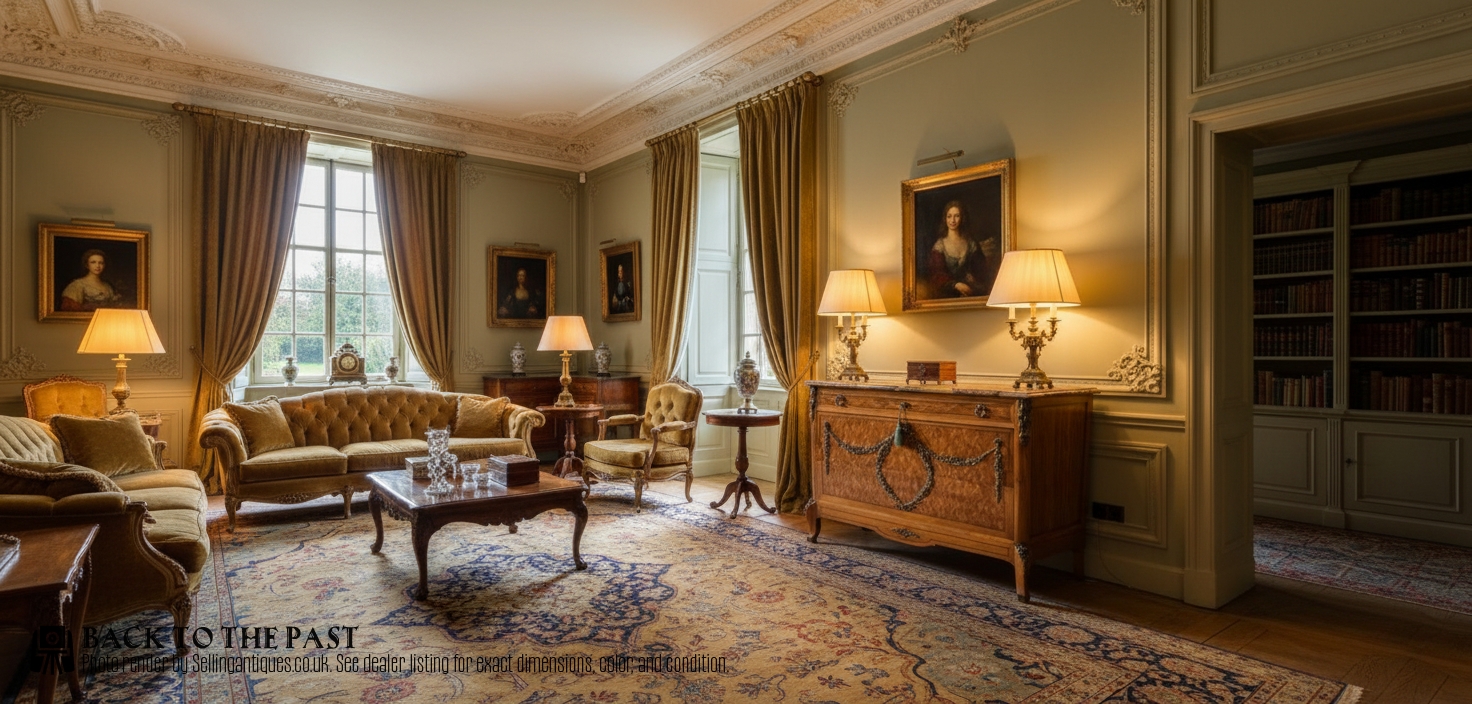
How they were made
Cabinetmakers constructed carcass frames from pine, mahogany, or solid satinwood, then applied fine veneers of satinwood, flame birch, walnut, and kingwood across the primary surfaces. Crossbanding in contrasting timber and delicate line inlay define the edges of drawers and tops.
Mounts in ormolu and brass furnish handles and key escutcheons, while select commodes feature heavy marble tops fitted directly to the wooden frame. Marquetry panels incorporate floral or geometric motifs executed in diverse exotic hardwoods.
Listings feature 18th-century, Regency, and Victorian periods alongside Edwardian Sheraton revival pieces in solid satinwood and veneered mahogany.
What varies in quality
The standard of a satinwood commode chest rests on the selection and matching of the timber grain, particularly where flame birch or figured satinwood creates symmetrical patterns across drawer fronts. Superior execution appears in crisp, tightly fitted marquetry and the precision of curved serpentine or bow fronts.
Construction details such as solid secondary timbers, original brass or ormolu hardware, and the integration of marble tops distinguish finer workshop production from simpler domestic utility pieces.
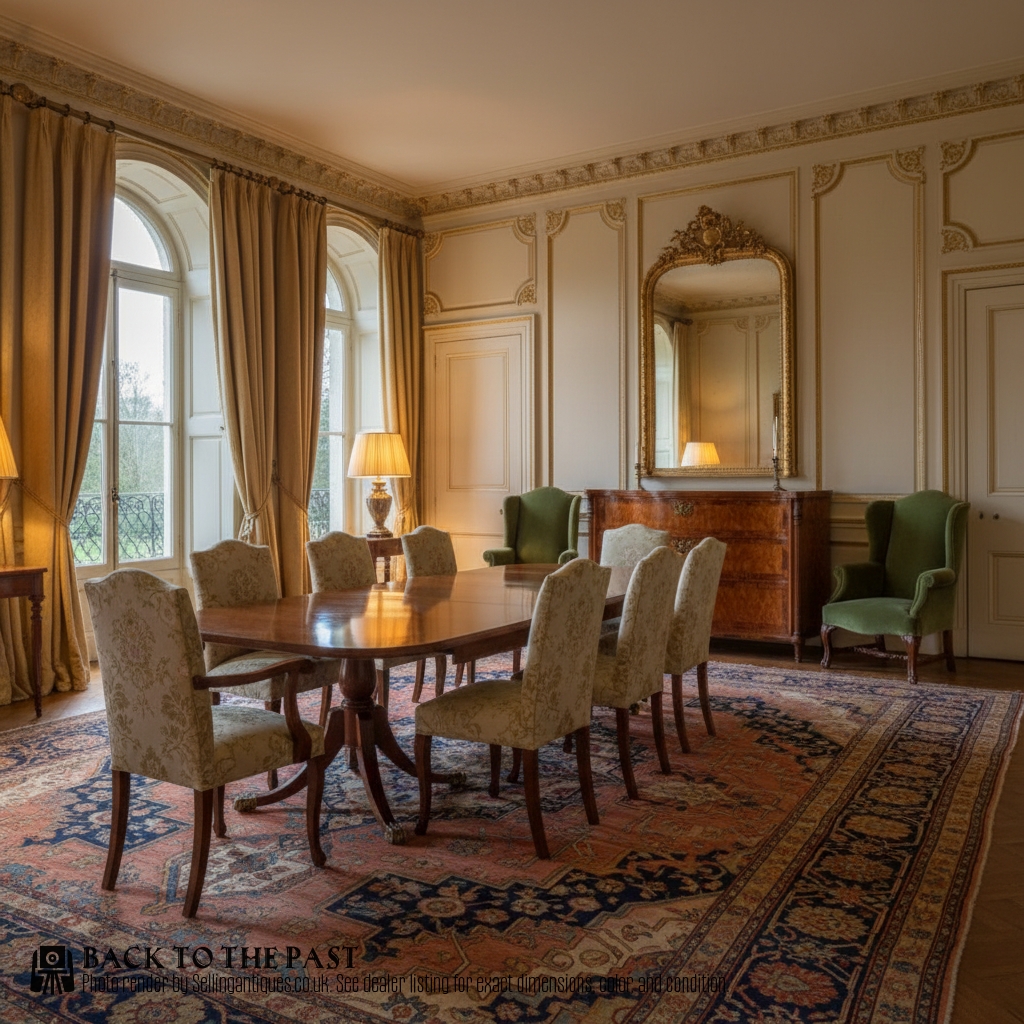
Heal And Son·Edwards And Roberts
The Satinwood Commode Chest Glossary
- Satinwood
- A lustrous tropical hardwood known for its pale yellow colour and natural sheen. It takes a high polish and forms the principal decorative veneer on these chests.
- Crossbanding
- A narrow strip of veneer laid around the border of a drawer or top so that the grain runs at right angles to the central panel. This technique frames the primary timber.
- Bombe
- A swollen, bulging outward contour typical of continental European commodes. It requires advanced shaping of both wood and veneer.
- Serpentine
- A front contour curving outward in the centre and inward at the sides. This shape demands precise woodworking skill to align drawer edges.
Satinwood Commode Chest: Frequently Asked Questions
How do I care for satinwood?
Keep these chests away from direct sunlight and excessive heat to prevent the pale veneer from darkening or splitting. Regular dusting with a soft, dry cloth preserves the polished surface.
Avoid commercial silicone sprays and moisture, applying only traditional beeswax sparingly when the timber appears dry.
Where should I place a commode chest?
These pieces function effectively in bedrooms as chests of drawers or bedside tables where their reflective surfaces brighten the space. They also serve in hallways and drawing rooms as side cabinets.
Ensure the selected spot has stable humidity levels to protect the underlying carcase and delicate inlay work.
How do I distinguish George III from Edwardian pieces?
George III pieces typically exhibit heavier construction with hand-cut dovetails, dense mahogany secondary woods, and subtle string inlay. Edwardian examples often display lighter framing, satin walnut or birch linings, and Sheraton revival motifs.
Examine the drawer construction and internal timber choices to confirm the period of manufacture.
What is the difference between a chest and a commode?
A traditional chest provides stacked drawer storage for linens and garments, whereas a commode often incorporates cabinet doors, serpentine shapes, or marble tops influenced by continental design. Many items bridge both definitions.
Review the specific configuration of doors, drawers, and top surfaces to understand the precise form of each piece.