



Samson Porcelain Figures
Samson porcelain figures are nineteenth-century French interpretations of earlier European models, offering collectors the decorative charm of Chelsea, Derby, and Meissen without the original price.
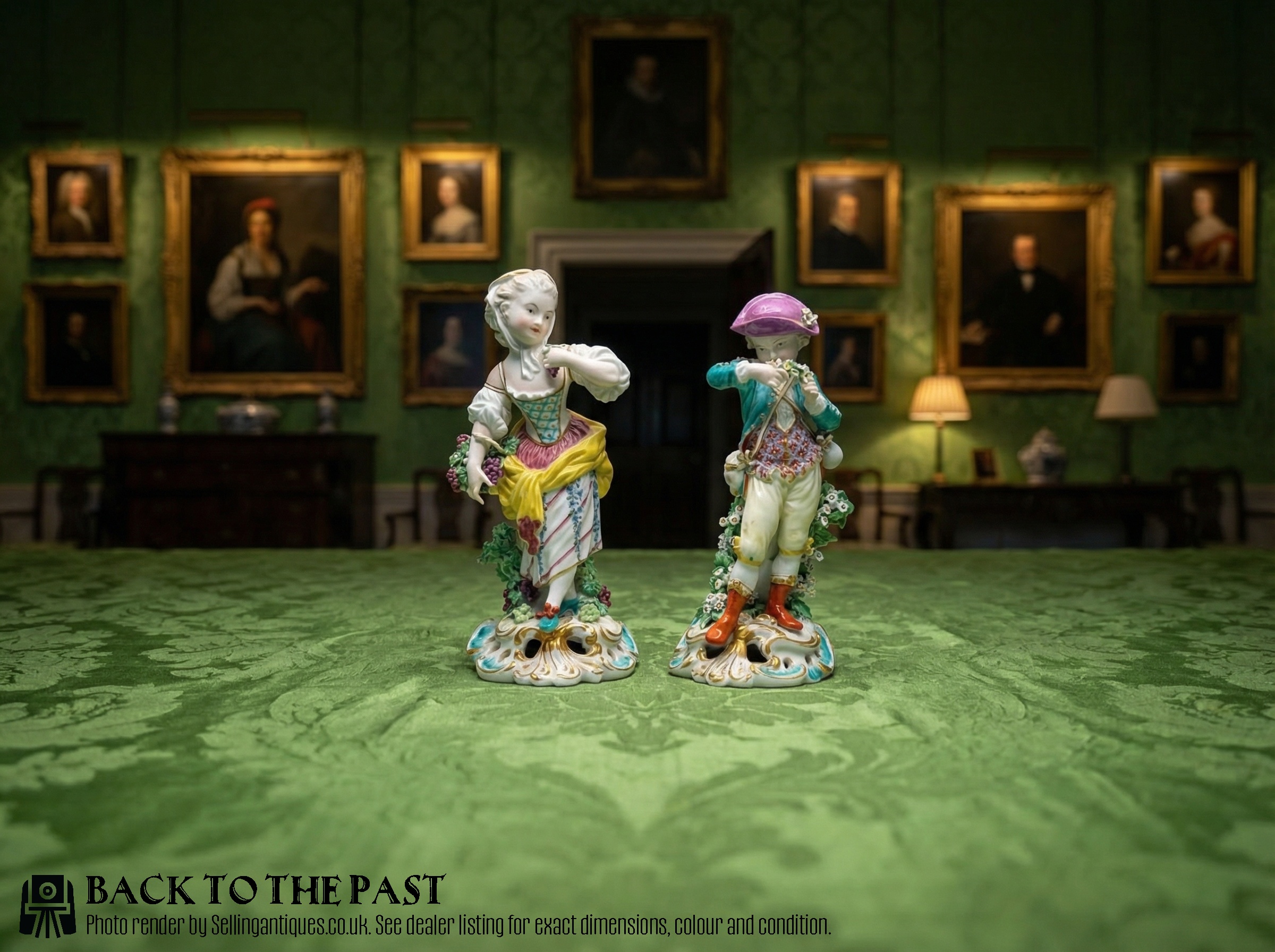
Samson Porcelain Figures
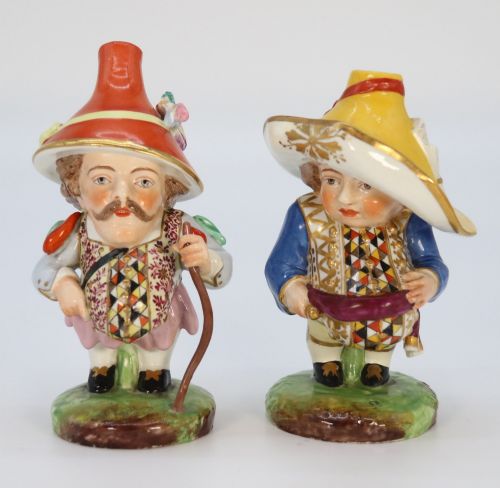
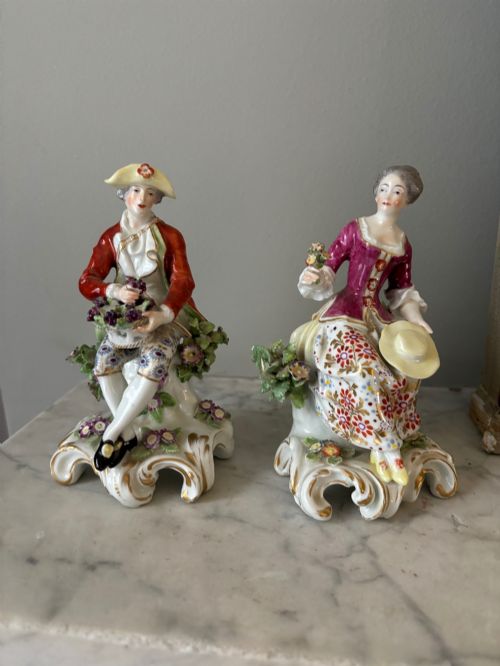
Samson porcelain figures are decorative pieces produced in Paris during the nineteenth century, largely imitating eighteenth-century prototypes from famous factories such as Chelsea, Derby, and Meissen. When you search for samson porcelain figures, you will frequently encounter pairs of allegorical subjects, mythological characters, and pastoral figures influenced by the Rococo Revival and Neoclassical styles.
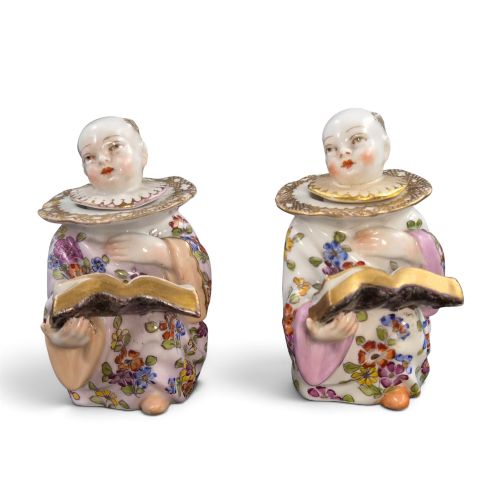
The objects appearing in this category extend beyond standard figurines to include specialised forms such as figural inkwells, trinket boxes, and bonbonnières. Many of these pieces emulate specific historic models like Mansion House dwarves or Chinese singing boys, utilising traditional European ceramic designs adapted for nineteenth-century interiors.
How they were made
These works are constructed from hard-paste porcelain, a durable ceramic material fired at high temperatures to achieve a dense body. The surfaces are then decorated using polychrome enamel paint alongside areas of gold leaf and gilding.
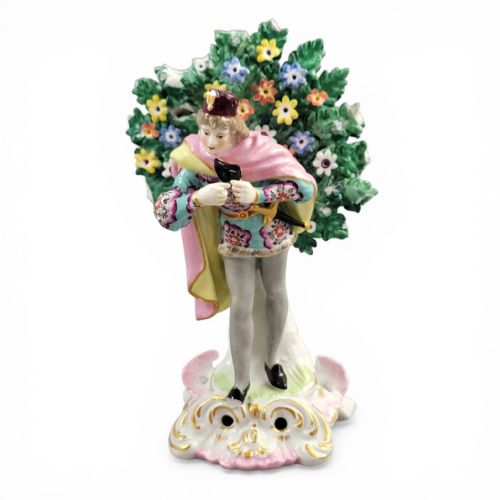
Makers shaped these figurines through meticulous moulding techniques, often incorporating intricate background elements like bocage foliage for pastoral scenes. Metal mounts in gilt metal also appear on specific functional forms such as inkwells and trinket boxes.
Listings feature hard-paste porcelain and polychrome enamel materials applied across nineteenth-century French Rococo Revival and Chinoiserie styles.
What varies in quality
Modelling sharpness and the complexity of auxiliary elements, such as bocage work or sculptural framing, also set individual items apart. Pieces retaining crisp definition in the porcelain and bright, intact gilding represent the superior tier of nineteenth-century production.
Edmé Samson
The Samson Porcelain Figures Glossary
- Hard-paste porcelain
- A durable ceramic composed of kaolin and petuntse, fired at very high temperatures to create a vitrified body. This material formed the standard base for nineteenth-century Parisian decorative wares.
- Polychrome enamel
- Glass-based paints fired onto the glazed porcelain surface in multiple colours. These pigments created the vibrant hues seen on historical costume and scenic details.
- Bocage
- A decorative background of clustered leaves and branches applied behind ceramic figures. This technique was frequently utilised in eighteenth-century English factories and later copied in Paris.
- Bonbonniere
- A small ornamental box designed for holding sweets or trinkets, often fitted with a hinged lid. In porcelain, these objects took whimsical figural forms.
- Gilding
- The application of gold leaf or powdered gold onto the ceramic surface to highlight borders and decorative motifs. This finish was typically fixed by a final low-temperature firing.
Samson Porcelain Figures: Frequently Asked Questions
How can I date these porcelain figures?
Dating relies on stylistic evidence, typical nineteenth-century paste characteristics, and known factory marks such as simulated anchor symbols. Most pieces date from the mid to late nineteenth century.
Comparing the specific costume details and revival styles against known production periods helps narrow down the decade of manufacture.
Were these figures meant to deceive buyers?
The Samson firm generally produced these items as homage pieces and decorative substitutes rather than outright counterfeits, though they often added pseudo-historic marks. Collectors appreciate them today as skilled nineteenth-century art works in their own right.
Understanding their origin allows modern buyers to enjoy the craftsmanship of the Parisian workshops without mistaking them for eighteenth-century originals.
How do I care for antique porcelain figures?
Maintain these pieces by dusting them gently with a soft, dry brush to prevent dirt accumulation on the enamel and gilding. Avoid using liquid cleaners, which can damage delicate painted surfaces and historic metal mounts.
Display the figures away from direct sunlight and areas prone to sudden temperature fluctuations to protect the hard-paste body and gold leaf.