

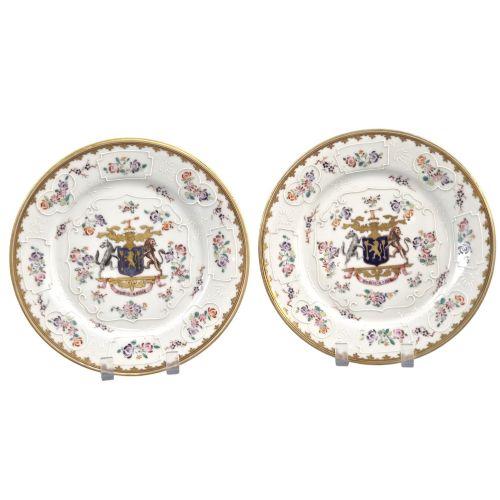
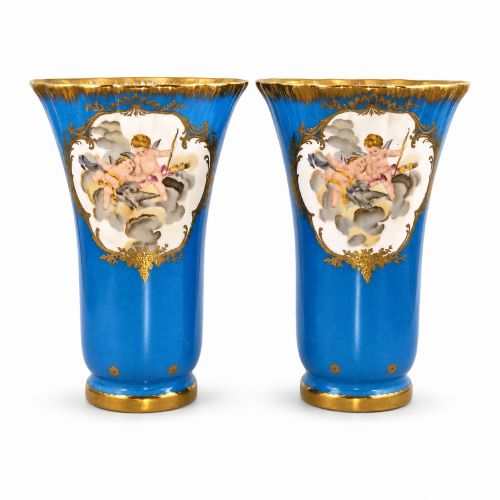


Samson Ceramics Pair
Samson ceramics pair items are skilled 19th century porcelain replicas that offer collectors the aesthetic charm of coveted earlier factories.
Samson Ceramics Pair
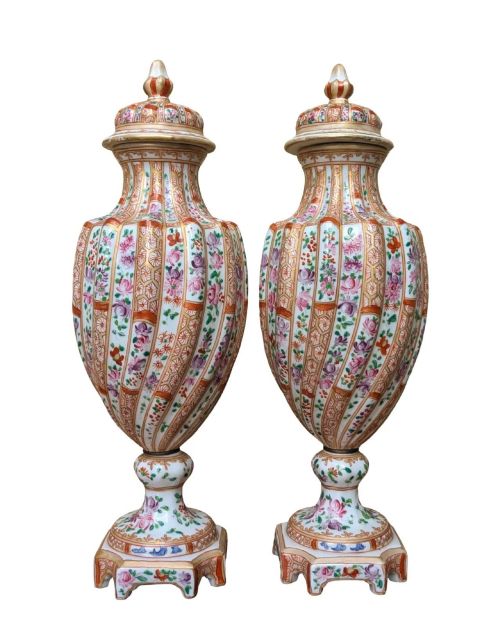
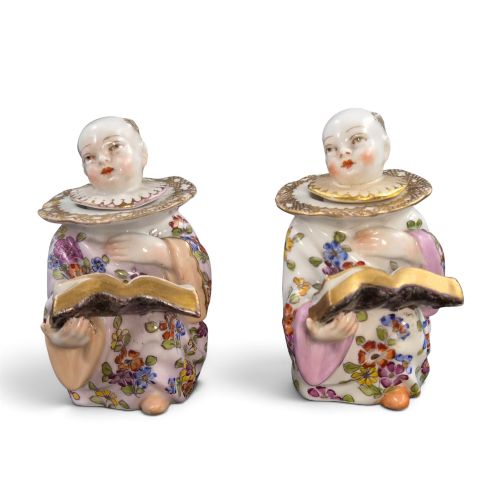
When you search for a samson ceramics pair, you encounter decorative objects and functional vessels produced primarily in nineteenth century Paris by the Edmé Samson firm. The listings here present diverse forms including figural inkwells, vases, decorative plates, and porcelain figurines modelled after earlier makers.
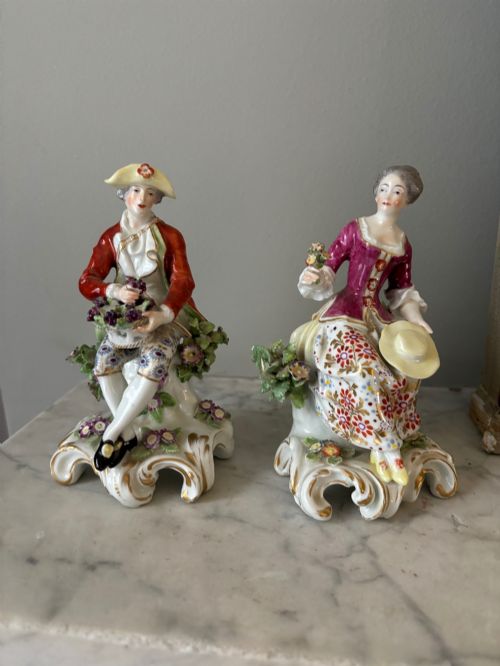
The objects frequently adopt historicist identities, channelling eighteenth century styles such as Sèvres, Chelsea, Derby, and Chinese export porcelain alongside Japanese Imari and Chinoiserie aesthetics. Buyers are most likely to meet these balanced pairs reflecting Rococo Revival tastes or specific historical series like the Seasons and street vendors.
Originating predominantly from French workshops during the Victorian era, these pieces demonstrate a deliberate revivalism that sought to replicate the visual language of earlier European and Asian ceramics. Each pair provides a window into the nineteenth century appetite for collectible historical interpretations.
Evaluating quality and execution
The standard of a pair rests primarily in the crispness of the porcelain modelling and the precision of the hand painted details. Superior examples exhibit fine facial expressions on figures and cleanly defined botanical or heraldic motifs rather than hasty brushwork.
Application of gilding and enamel work dictates the upper tier of the range, where careful layering and precise registration elevate the piece closer to the historical models being emulated. Lesser examples may display heavier glaze pooling or less disciplined line work in the secondary decorative elements.
Samson Ceramics Pair Retail Price Guide 2026
Typical asking prices for samson ceramics pair among the pieces listed under this phrase on Sellingantiques today, from the lower quarter to the upper quarter. They describe what is for sale here now, not the wider market.
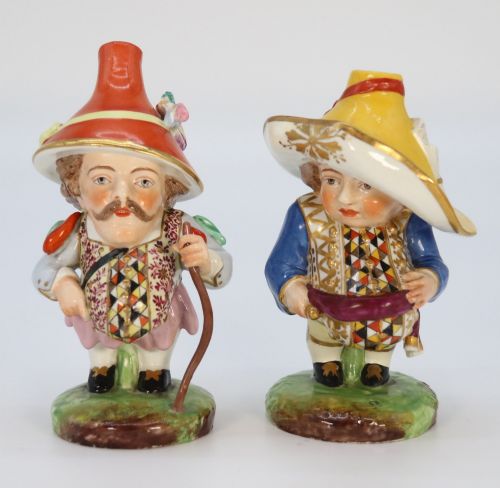
Nineteenth century Parisian potters occasionally indulged in creating charmingly eccentric porcelain dwarves that would surely amuse any visitor.
Edmé Samson & Cie·Samson of Paris
The Samson Ceramics Pair Glossary
- Hard-Paste Porcelain
- A dense, vitrified ceramic material composed of kaolin and petuntse fired at high temperatures. It forms the durable white body typical of many nineteenth century French factory productions.
- Polychrome Enamel
- A multi-coloured glass-based paint applied to the surface of fired porcelain. Artisans use these pigments to achieve vibrant pictorial scenes and floral details.
- Rococo Revival
- A nineteenth century design movement that reinterprets the asymmetrical scrolls, shell motifs, and exuberant curves of the eighteenth century movement. This style dominates many of the figural and vase forms found in Samson productions.
- Bocage
- An ornamental background of applied foliage, leaves, and flowers surrounding ceramic figures. It creates a lush, naturalistic setting derived from Chelsea porcelain traditions.
- Gold Leaf
- Hammered gold beaten into extremely thin sheets and applied to ceramic surfaces as part of the gilding process. It provides a reflective metallic highlight to rims, handles, and painted motifs.
Samson Ceramics Pair: Frequently Asked Questions
Are these real eighteenth century pieces?
Most items listed under this search phrase date from the nineteenth century rather than the actual historical periods their styles imitate. Edmé Samson and other Parisian makers specialised in creating high quality interpretations of earlier factory output.
While they utilise historic designs and sometimes borrow earlier factory marks, the paste, pigments, and manufacturing techniques generally point to Victorian era production.
What is the Sèvres taste?
The Sèvres taste refers to decorative ceramics that emulate the royal French factory style, known for rich ground colours like bleu céleste combined with elaborate gilding. These pieces often feature pastoral scenes or exotic motifs framed in ornate gold borders.
Nineteenth century makers adopted this aesthetic to satisfy collector demand for royal French luxury wares.
How do I identify a Samson piece?
Identification often relies on factory marks, such as interlocking letter devices, though Samson also used crossed marks that intentionally resembled those of earlier European porcelain works. Examining the paste, the brightness of the enamel colours, and the style of hand painting helps separate these nineteenth century creations from original eighteenth century pieces.
Many examples also bear distinctive nineteenth century potting characteristics while successfully capturing earlier forms.
How should I display porcelain figures?
Porcelain figures and paired vases benefit from placement in stable cabinets away from direct sunlight to preserve the vibrancy of the hand painted enamels. Ensuring they rest on secure, level surfaces protects delicate elements like applied bocage foliage or protruding limbs from accidental damage.
Gentle dusting with a soft brush maintains the surface without risking abrasion to the gilt highlights.