



Sailing Ship Seascape Painting
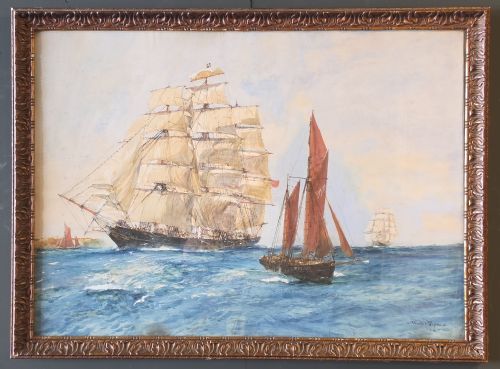
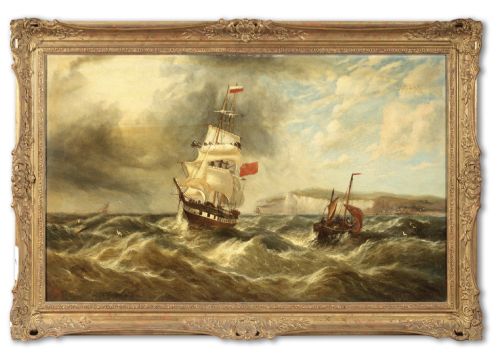
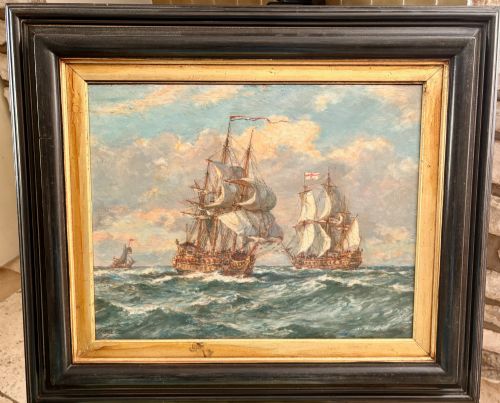
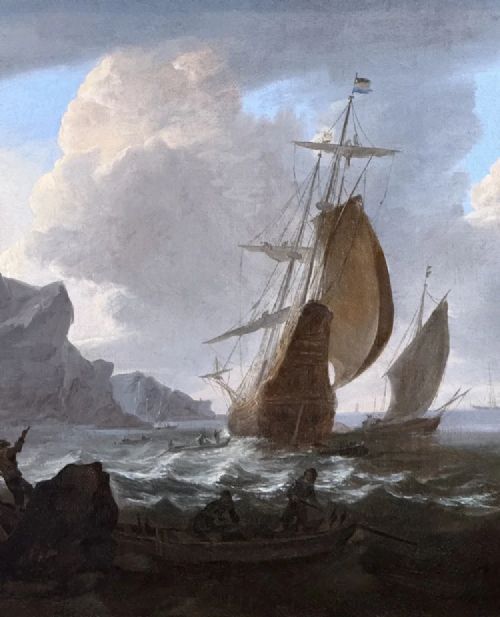
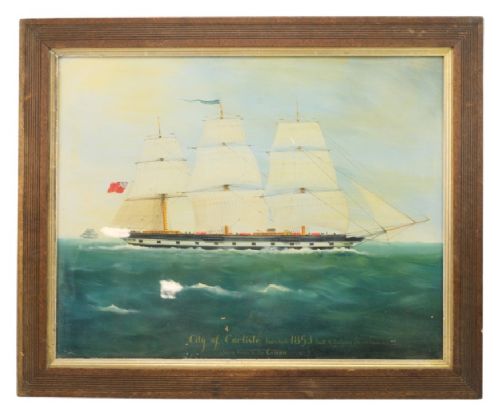
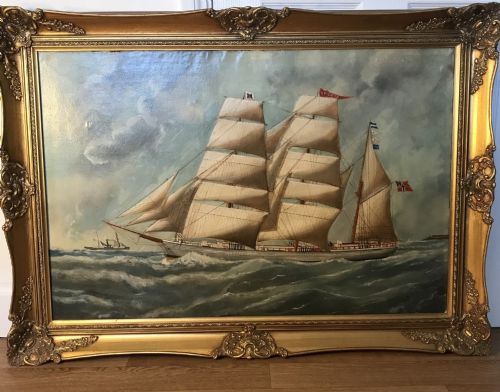
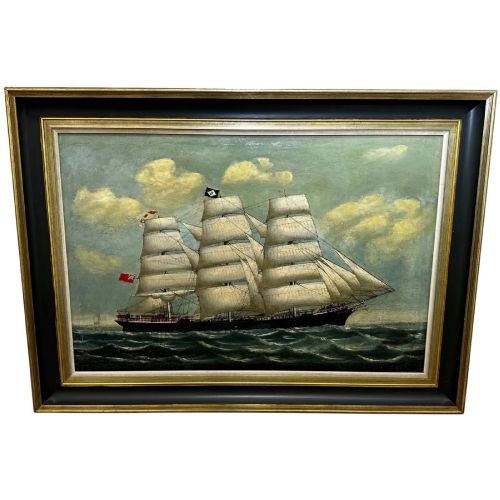
When you search for a sailing ship seascape painting, you enter a world of nineteenth-century canvas and watercolour depictions of three-masted schooners, clippers, and warships.
Sailing Ship Seascape Painting
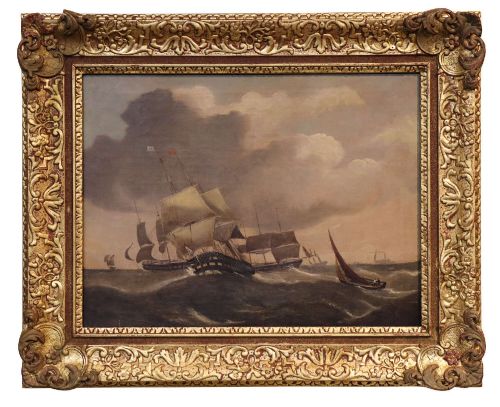
A sailing ship seascape painting captures maritime history, featuring merchant vessels, barques, and naval engagements across varied waters from calm harbours to heavy gales. These works emerge predominantly from the nineteenth and early twentieth centuries, reflecting an era when maritime commerce and naval power dominated global exchange.
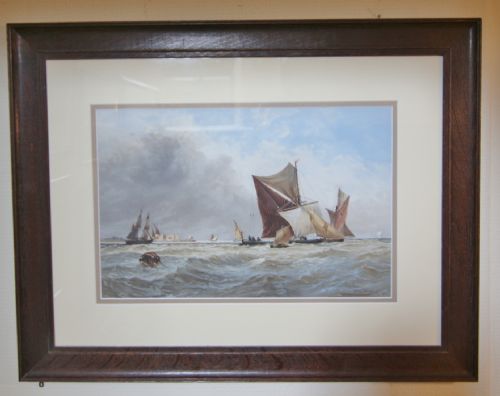
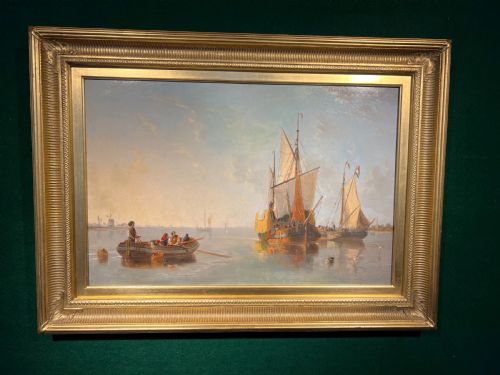
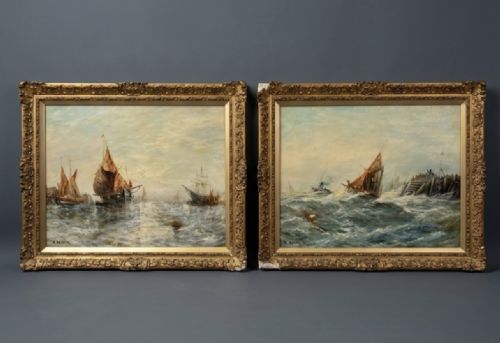
The most common formats on this page include framed watercolours on paper and oil paintings executed on canvas, panel, or board. Painters often documented specific locations, such as Valletta Harbour, the River Humber, or the coast of Malta, alongside dramatic depictions of stormy seas and coastal shipping.
Collector interest centres on the historical accuracy of the vessels, the atmospheric rendering of light and water, and the inclusion of identifiable ship types like clippers and galleons. Pieces range from intimate cabinet watercolours to large oil compositions depicting naval battles and merchant packets under full sail.
How they were made
Artists utilised oil paint on canvas, board, and panel to build rich, layered surfaces capable of capturing turbulent waves and atmospheric skies. This medium allowed painters to manipulate light and shadow across the hulls of vessels and the swell of the sea.
Watercolour on paper served as a primary medium for detailed maritime sketches and finished coastal scenes, often capturing the translucent quality of water and sky. Painters applied these pigments with precise brushwork to delineate rigging, sails, and distant shorelines.
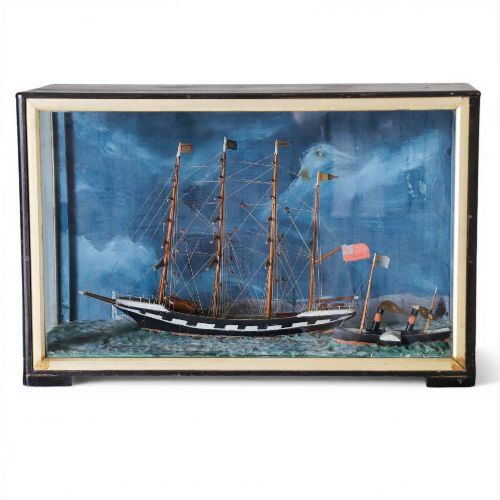
Supports frequently included wood panels, heavy paper, and stretched canvas housed within period gilt frames or shadow boxes. Makers occasionally incorporated mixed media elements like dioramas to give three-dimensional depth to the depicted vessels and steam barges.
Listings feature works spanning the eighteenth, nineteenth, and mid-twentieth centuries, executed in oil, watercolour, and mixed media shadow boxes.
What varies in quality
Quality rests in the artist's technical command of maritime anatomy, specifically the accurate rigging, hull proportions, and perspective of the sailing ships against the movement of water. Master hands render the physics of wind in canvas and the weight of heavy seas with convincing precision, whereas lesser works rely on stiff, formulaic representations.
Atmospheric depth and tonal harmony distinguish accomplished works from standard decorative pieces, with superior paintings capturing shifting light, salt spray, and distant horizon haze. The handling of the medium, whether the buttery impasto of oil or the delicate wash of watercolour, dictates the visual impact of the seascape.
James Hardy·Charles Edward Dixon·John Rose Miles·Bernard Gribble·Bonaventura Peeters·John Wilson Carmichael·Lai Fong·Frank Kelsey·Abraham Hulk I·William Frederick Settle·Charles William Adderton·Thomas Bush Hardy·Ernest Dade·Daniel Sherrin·George Shaw·Dion Pears
The Sailing Ship Seascape Painting Glossary
- Barque
- A sailing vessel with three or more masts having the fore and mainmasts square-rigged and the mizzenmast fore-and-aft rigged. These sturdy ships formed the backbone of nineteenth-century ocean freight.
- Galleon
- A large, multi-decked sailing ship used primarily as a warship or armed merchantman from the sixteenth through the eighteenth centuries. They are easily identified by their high forecastles and sterncastles.
- Clipper
- A very fast nineteenth-century merchant sailing ship with three masts and a square rig, built for maximum speed on trade routes. Their sleek hulls made them a favourite subject for marine artists.
- Diorama
- A three-dimensional scene, in this context often featuring a model sailing ship set against a painted curved background depicting the sea and sky. These pieces combine craftsmanship in miniature woodworking with marine painting.
Sailing Ship Seascape Painting: Frequently Asked Questions
How do I identify the date of a maritime painting?
Look closely at the style of the ship rigging, the cut of the sails, and the clothing of any figures visible on deck or shore. Artists frequently inscribed dates or signed the canvas, while framing techniques and stretcher construction offer additional chronological clues.
Comparison with documented vessel launch dates, such as the Harland & Wolff clipper ships or specific naval engagements, often helps narrow the timeframe of the depicted scene.
What is the difference between oil and watercolour marine art?
Oil paintings on canvas or panel offer rich texture, deep tonal range, and durability, making them suited for dramatic nighttime seas or stormy gale scenes. Watercolour works on paper provide a lighter, luminous quality that excels at capturing bright coastal light and calm harbour reflections.
Both mediums were widely used by marine artists, though oils were typically chosen for larger, more ambitious exhibition pieces.
Where should I hang a sailing ship painting at home?
Choose a wall with stable ambient light away from direct sunlight, which can fade watercolours and discolour old varnish on oil paintings. Rooms with traditional wood furniture or neutral walls provide a complementary backdrop for gilt frames and maritime tones.
Ensure the hanging height allows comfortable viewing of fine details like ship rigging and distant lighthouses.
Are these paintings depicting real historical ships?
Many works record actual vessels, ranging from named merchant clippers like the Cutty Sark to specific naval warships involved in historical engagements. Artists often worked from direct observation in port or on commission for ship owners wanting portraits of their fleet.
Other paintings capture anonymous coastal craft or composite scenes intended to evoke the general atmosphere of nineteenth-century trade.