


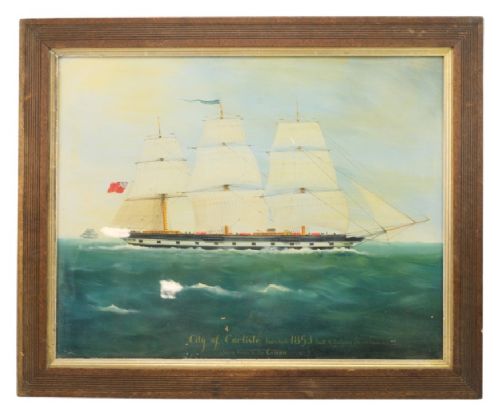
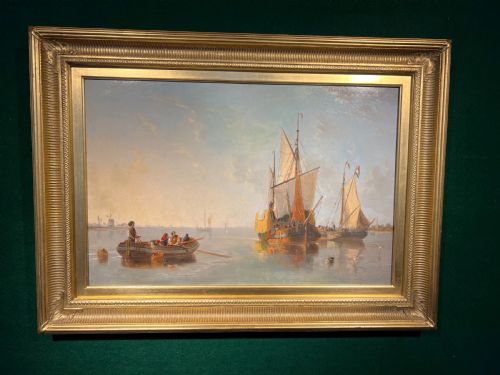
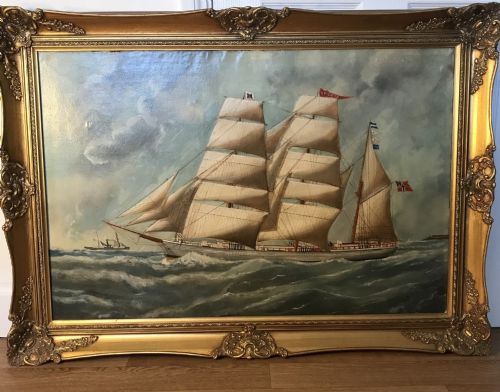
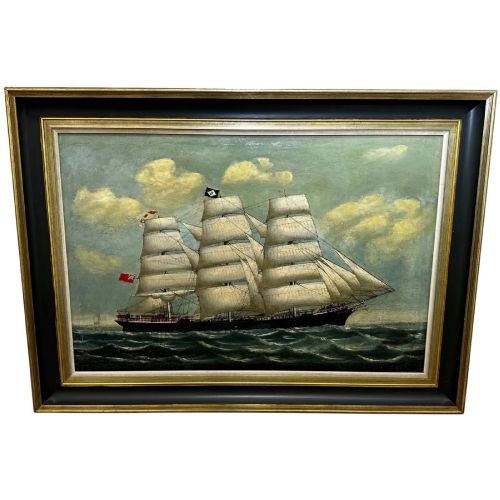
Sailing Ship Oil Artwork
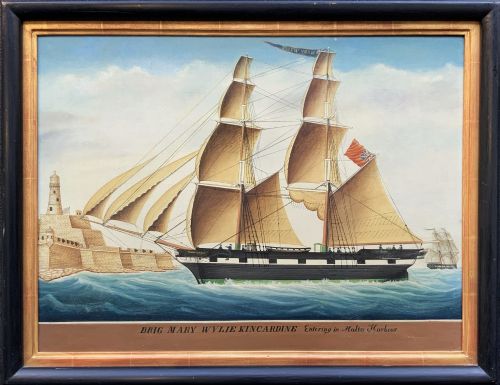
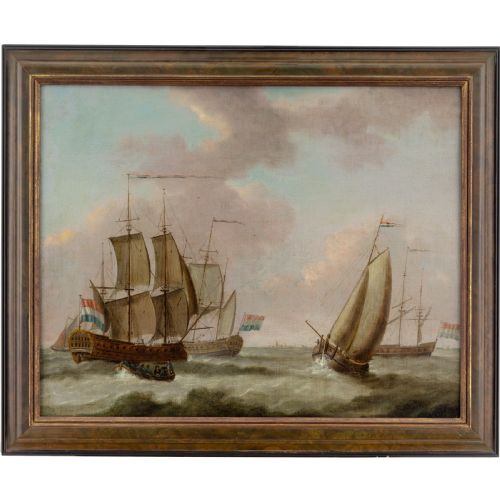
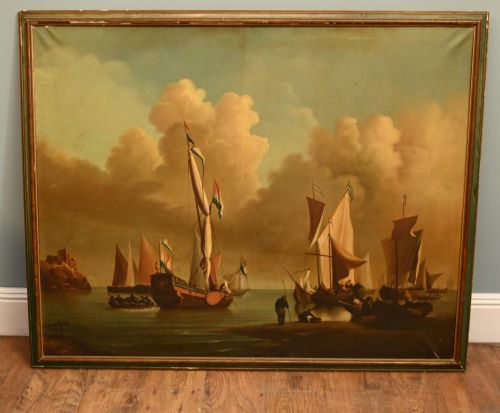
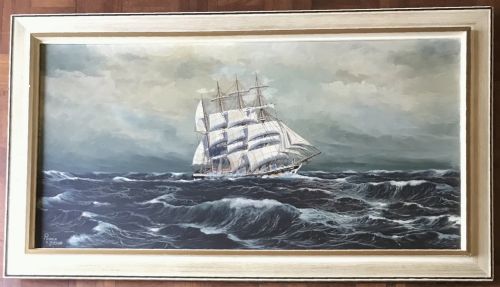
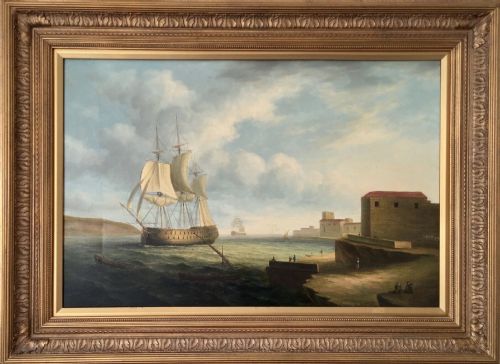
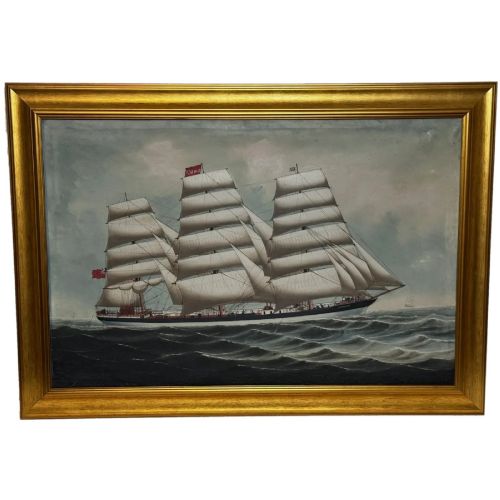
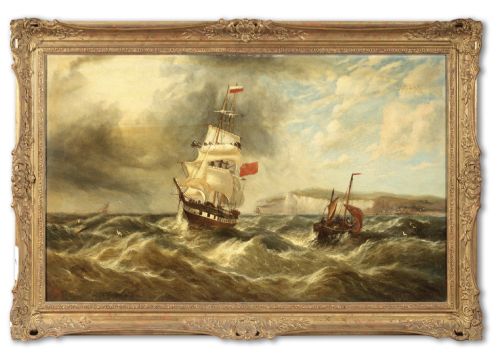
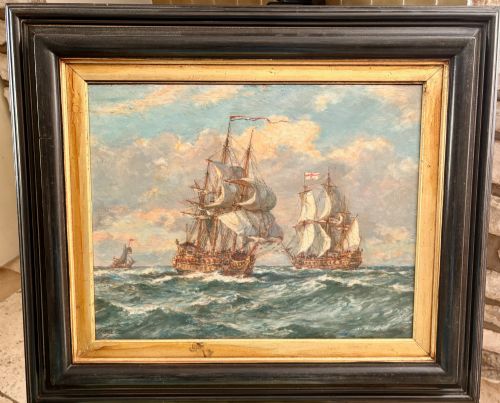
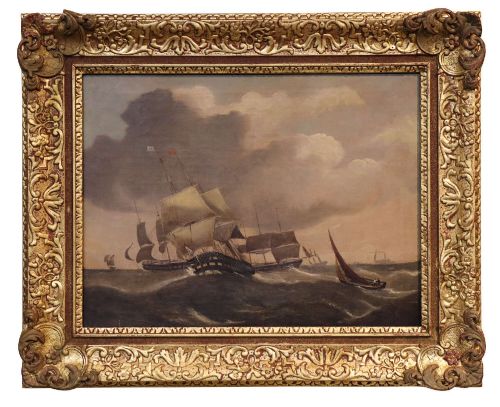
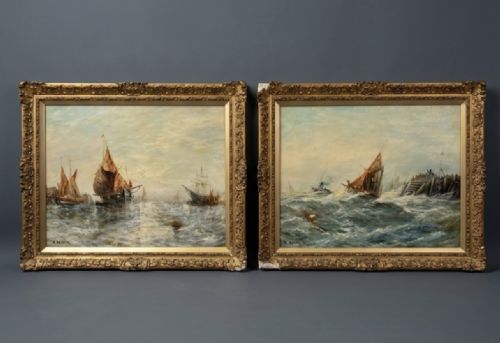
These sailing ship oil artwork pieces capture maritime history on canvas and panel, offering a classic nautical focal point for any room.
Sailing Ship Oil Artwork
When you search for sailing ship oil artwork, you find oil paintings, fine art paintings, and wall art depicting maritime scenes. The pieces on this page span the 18th century, 19th century, Victorian period, Edwardian era, and mid-20th century.
Most examples feature naval vessels, merchant ships, galleons, and coastal scenes rendered on canvas, board, panel, or card. You encounter works ranging from stormy seas with heavy waves to calm harbour views.
British and European schools dominate the selection, alongside depictions of international vessels from American tall ships to Hong Kong junks. Works appear as single compositions as well as matched pairs in period frames.
Materials and Technique
Makers utilised oil paint applied to woven canvas, wooden panels, or rigid board substrates to build up depth and texture in water and sky. These mediums allowed artists to portray translucent light on water and heavy storm clouds with realistic graduation.
Many surviving works retain their original giltwood or gilt wood frames, often accented with gold leaf. These frames complement the maritime subjects and provide structural support for the stretched canvas or panel.
Several canvases faithfully record historic naval engagements complete with billowing cannon smoke and distressed rigging.
Composition and Execution
The degree of anatomical accuracy in rigging, hull construction, and sail set separates standard decorative marine works from masterclass maritime pieces. Artists who understood nautical architecture rendered vessels with precise detail that satisfied contemporary captains and shipowners.
Brushwork handling in difficult elements like churning water, heavy spray, and atmospheric skies dictates the overall success of the painting. Superior hands capture the weight of a vessel in a gale and the specific movement of wind through canvas.
Reginald Arthur Borstel·John Rose Miles·Bernard Gribble·Bonaventura Peeters·John Wilson Carmichael·Lai Fong·Abraham Hulk I·Daniel Sherrin·George Shaw·Dion Pears·George Gregory·Marie Edouard Adam·John Callow·E Tucker·Ebeneezer Colls
The Sailing Ship Oil Artwork Glossary
- Galleon
- A large sailing ship utilised by European nations from the 15th to the 18th centuries for trade and war. These multi-decked vessels feature high sterns and distinctive raised forecastles.
- Barque
- A sailing vessel with three or more masts having the fore and mainmasts square-rigged and the mizzenmast fore-and-aft rigged. This configuration proved popular for long-distance cargo transport.
- Giltwood
- Wood that has been coated with gold leaf or gold paint for decorative effect. Frames utilising this finish were standard for showcasing fine oil paintings.
- Seascape
- A work of art depicting the sea, ocean, or marine vessels in motion. These compositions focus primarily on water conditions and maritime activity.
- Provenance
- The chronological history of the ownership and origin of an artwork. Documented lineage helps confirm the authenticity and attribution of historical marine paintings.
Sailing Ship Oil Artwork: Frequently Asked Questions
What periods do these paintings date from?
The inventory includes works from the 18th, 19th, and 20th centuries, covering Georgian, Victorian, and Edwardian styles. Mid-century modernist interpretations also appear alongside traditional academic maritime scenes.
Dates often relate to the active period of the artist or the specific historical vessel depicted in the composition.
How do I identify the type of ship shown?
Look at the number of masts and the rigging configuration to distinguish between schooners, barques, clippers, and warships. Historical records on the specific vessels often name the exact ship class and build.
Artists frequently inscribed titles or ship names directly onto the canvas or frame edge to assist identification.
Where were these maritime scenes painted?
Locations range from British coastal ports like Portsmouth and the Isle of Wight to international waters near Malta, Gibraltar, and Hong Kong. Many works record specific historical voyages and naval engagements.
Artists often worked from direct observation at coastal vantage points or aboard working merchant vessels.
How should I display maritime art at home?
Hang these pieces away from direct sunlight to protect the oil pigments and organic canvas substrates from fading. Pairing them with traditional wall lighting highlights the texture of the brushwork and the detail of the gilt frames.
Ensure stable room humidity to prevent warping in works executed on wooden panels or board.