






Sail Ship Artwork
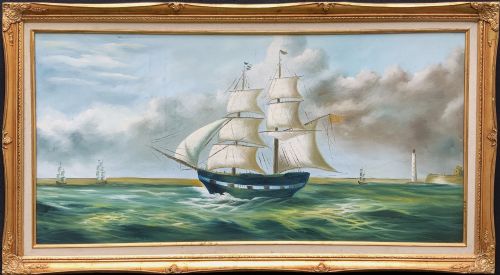
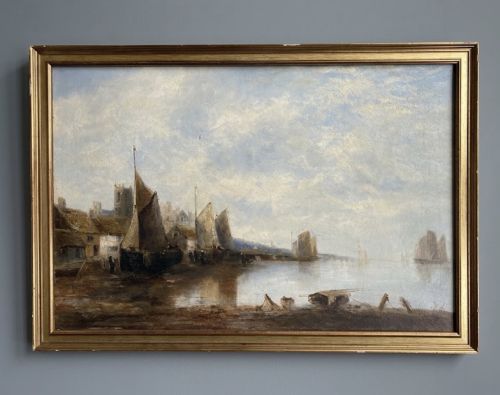
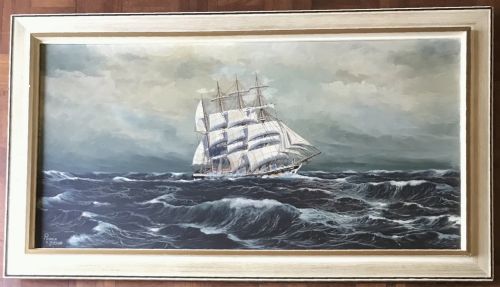
Sail ship artwork captures maritime history through oil paintings, watercolours and prints depicting vessels navigating rolling seas and bustling harbours.
Sail Ship Artwork
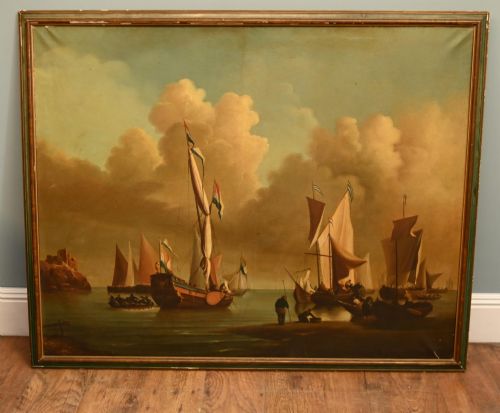
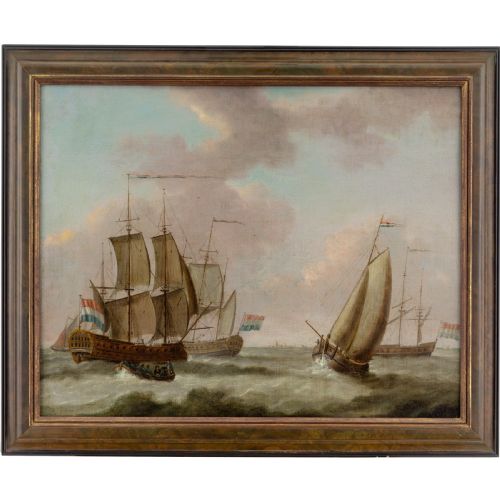
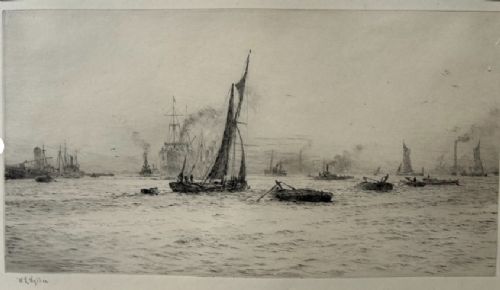
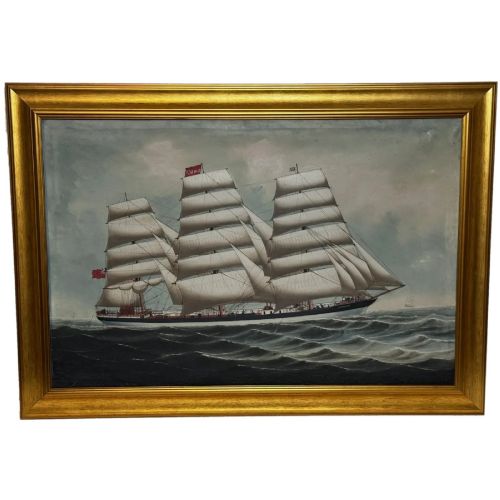
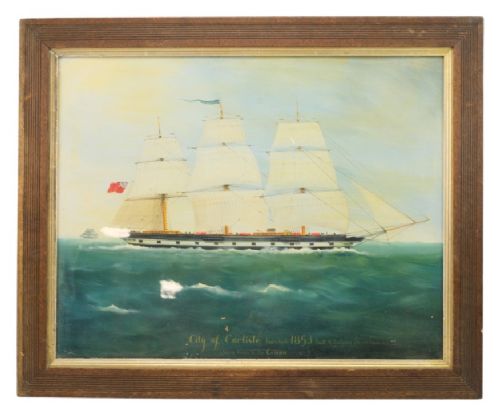
When searching for sail ship artwork, collectors encounter maritime scenes ranging from eighteenth-century Dutch shipping to mid-century coastal views. Oil paintings on canvas and board dominate the selection, alongside watercolours, woodblock prints and pencil signed etchings.
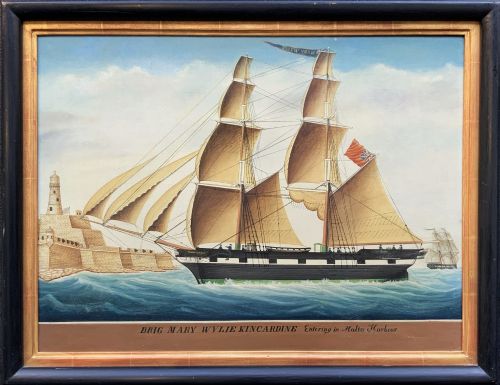
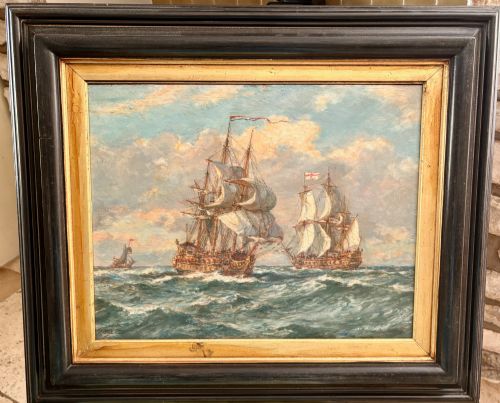
The pieces frequently depict named vessels, naval engagements, merchant ships and harbour scenes from the nineteenth and early twentieth centuries. Works span Dutch, British, French, Australian and Japanese origins, reflecting diverse stylistic interpretations of maritime life.
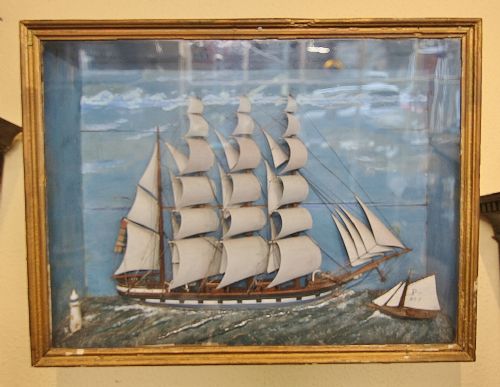
Framed artworks often include period details such as giltwood frames, dioramas and panels that place the vessels within specific historical contexts like the Crimea or Trafalgar.
Materials and Technique
Artists painted oil on canvas, wood panel and board, utilising rich pigment layers to capture the movement of stormy seas and the detailed rigging of three-masted schooners. Watercolours on paper provide a lighter medium, often finished with delicate pencil work for coastal views and harbour scenes.
Giltwood frames house many of the canvases and watercolours, providing period ornamentation that complements the marine subjects. Woodblock prints and pencil signed etchings demonstrate graphic techniques applied to nautical themes on paper.
Sail Ship Artwork Retail Price Guide 2026
Typical asking prices for sail ship artwork among the pieces listed under this phrase on Sellingantiques today, from the lower quarter to the upper quarter. They describe what is for sale here now, not the wider market.
Among the rolling seas and warships, one print depicts the Seven Lucky Gods sailing together in a traditional treasure ship.
Assessing Quality
Quality rests upon the artist's command of maritime anatomy, atmospheric light and the dynamic movement of water against wood and metal hulls. Masterful handling of perspective in rough seas distinguishes accomplished marine art from standard decorative paintings.
Provenance and attribution elevate specific pieces, particularly when works bear signatures of recognised marine painters or document historic vessels and named locations with documentary precision.
Hans Harlander·Katsukawa Shunshō·Reginald Arthur Borstel·John Rose Miles·Bernard Gribble·William Lionel Wyllie·John Wilson Carmichael·Lai Fong·Abraham Hulk I·Charles William Adderton·Thomas Bush Hardy·Ernest Dade·Daniel Sherrin·George Shaw
The Sail Ship Artwork Glossary
- Maritime oil painting
- A fine art painting executed in oil paints on canvas or board, focusing on ships, oceans and coastal views. These works often record specific vessels and naval engagements.
- Woodblock print
- A relief printing technique where an image is carved into wood and transferred to paper. This method produced traditional Japanese maritime works such as the Takarabune.
- Diorama
- A three-dimensional model scene enclosed in a case, often depicting a historic ship. Cornish examples combine craftsmanship with nautical history.
- Giltwood
- Wood carved and coated with gold leaf to form decorative picture frames. These frames frequently accompany nineteenth-century oil paintings and watercolours.
Sail Ship Artwork: Frequently Asked Questions
What periods do these paintings cover?
The selection spans from the eighteenth century through to the mid-twentieth century. Pieces reflect artistic styles of the Georgian, Victorian and Edwardian eras.
Later works extend into the nineteen-fifties and sixties, showing the continued appeal of marine subjects.
How do I identify the ship in a painting?
Many nineteenth-century maritime works include inscriptions on the canvas, stretcher bars or frames naming the vessel, captain or location. Details such as flag pennants, rigging configurations and specific port landmarks often provide clues for identification.
Artists frequently recorded historical events and merchant voyages with documentary accuracy.
Where should I hang maritime art?
These works suit traditional studies, living rooms or hallways where adequate wall space allows the gilt frames and detailed canvases to stand out. Avoid placing oil paintings and watercolours in direct sunlight to protect the pigments and paper.
Pairing pieces with similar maritime or wooden decor enhances the nautical theme in an interior.
What is the difference between an etching and an oil painting?
An oil painting involves applying pigmented oil suspended in medium to canvas or board, creating textured and luminous surfaces. An etching is a print created by acid biting lines into a metal plate before ink is applied and transferred to paper under pressure.
Etchings offer monochromatic line work, whereas oils present full colour and brushwork.