
Rustic Wooden High Chair
A rustic wooden high chair is a sturdy country seat raised for a child, combining honest craftsmanship with practical family use.
Rustic Wooden High Chair
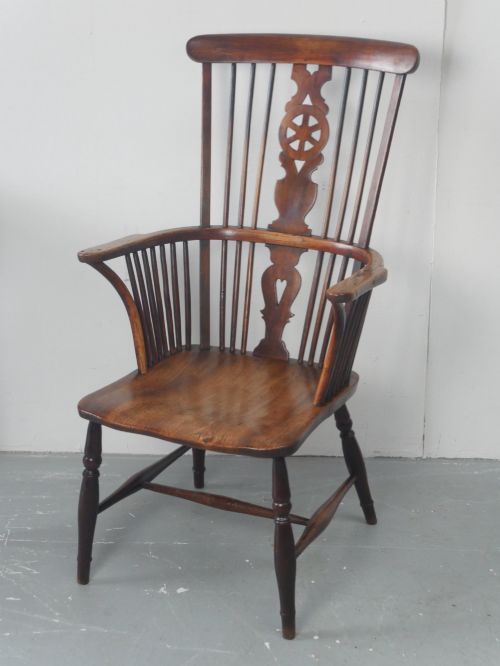
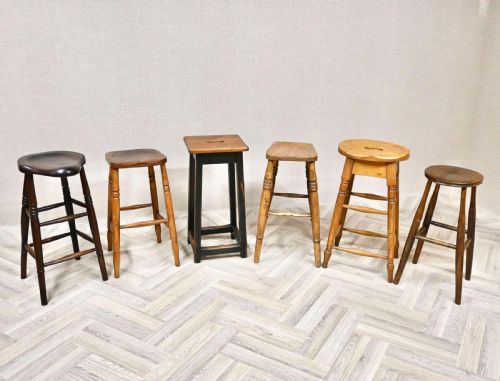
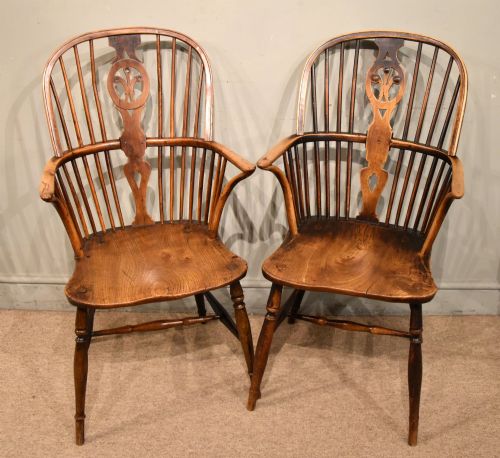
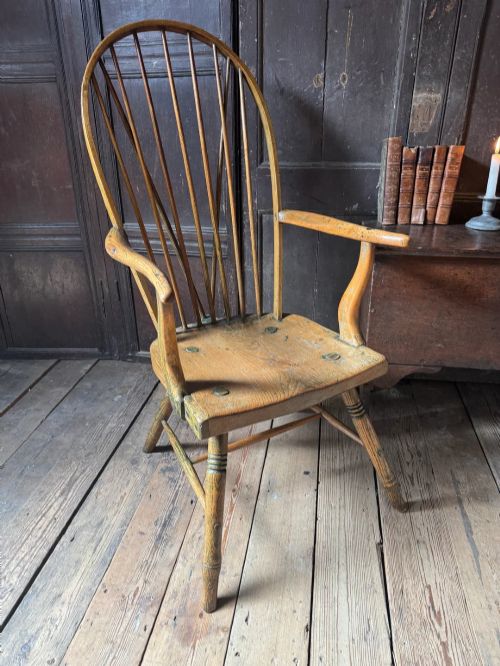
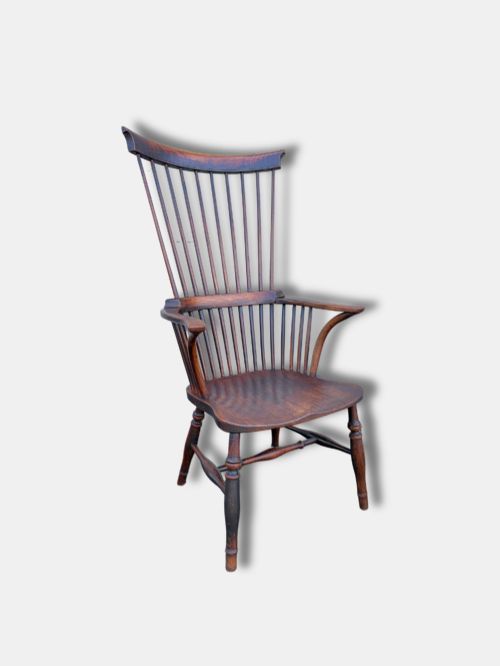
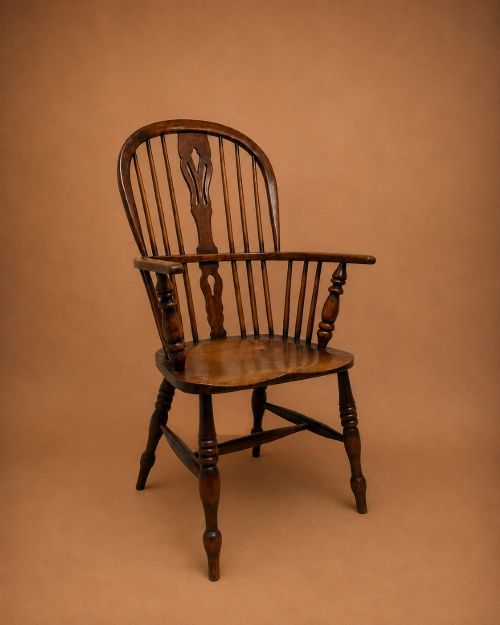
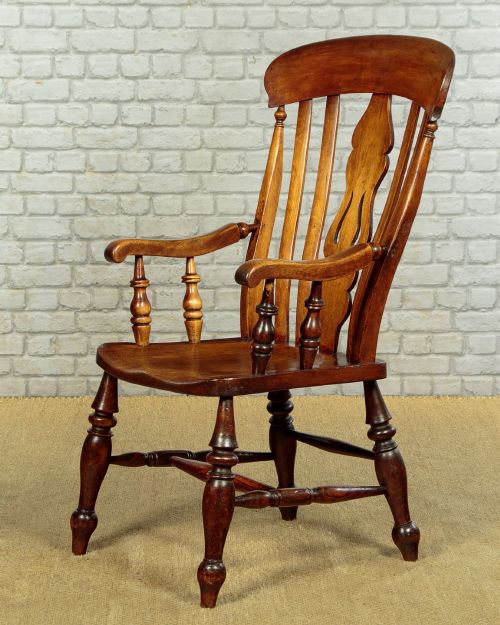
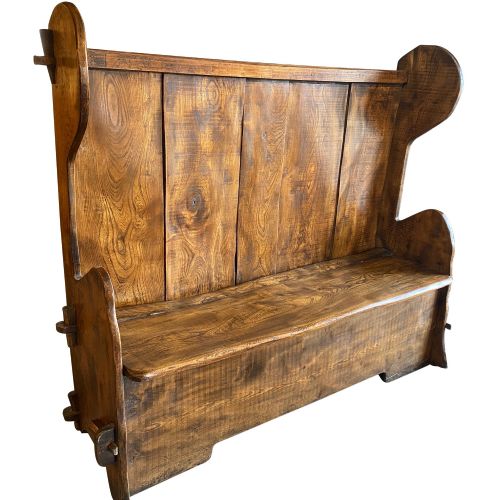
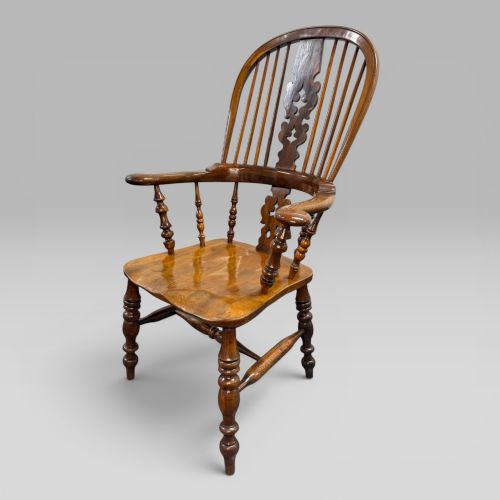
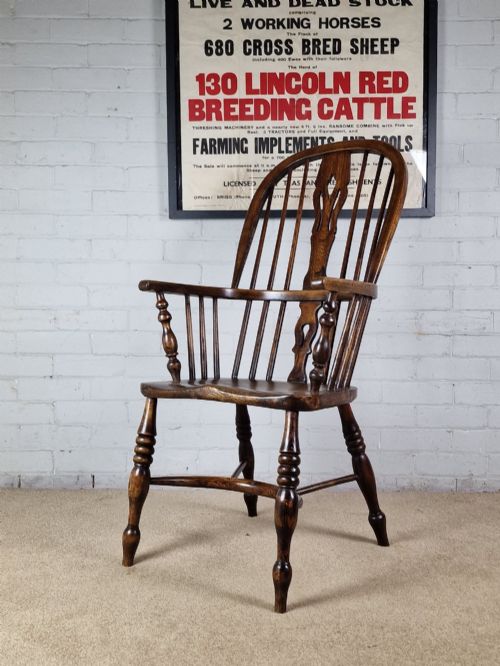
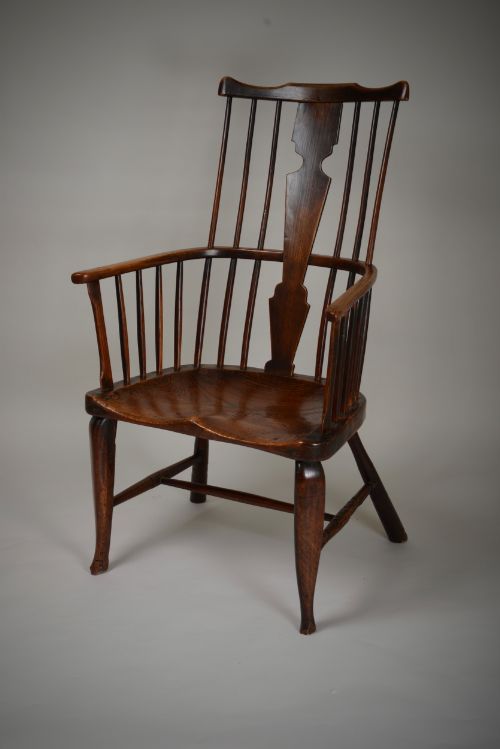
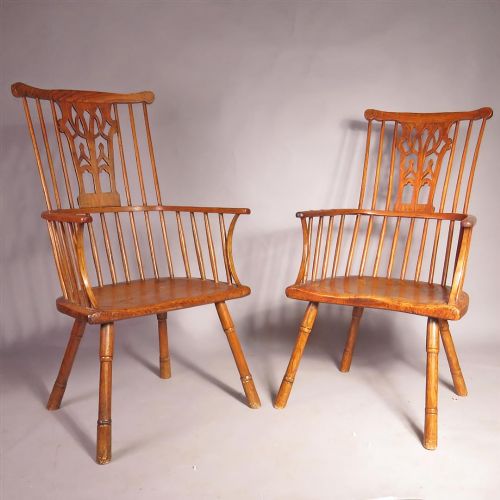
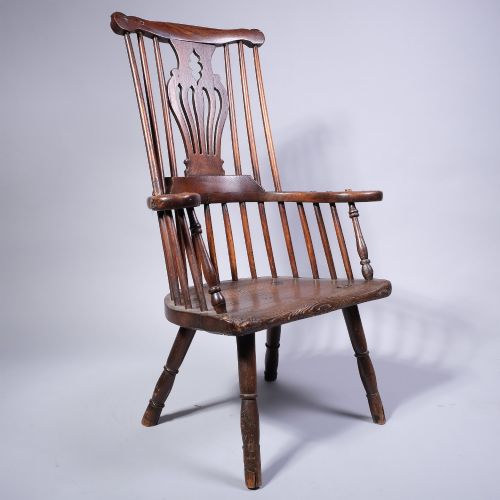
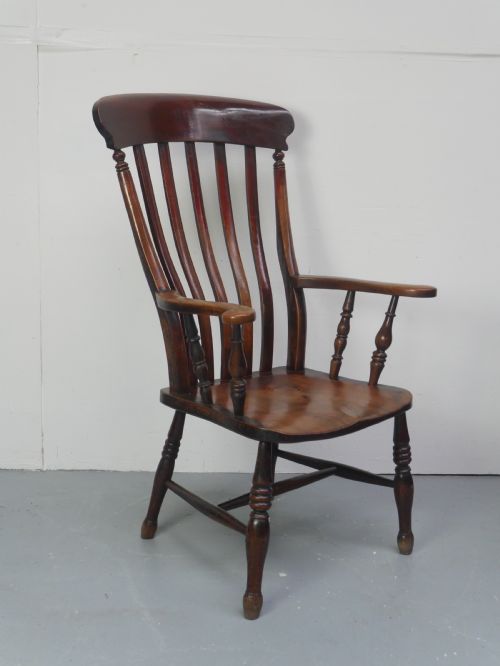
A rustic wooden high chair is a traditional children's seat elevated for use at table height, born from practical domestic needs in rural homes. When searching for a rustic wooden high chair, buyers encounter pieces stemming from the Georgian era through to the Victorian period and the late nineteenth century. These chairs frequently draw upon vernacular furniture traditions, sharing construction methods with adult country seating like high-back Windsors and ladderbacks.
Makers in English country districts and beyond built these elevated chairs using robust native timbers to withstand daily nursery use. The selection spans straightforward folk art examples to refined vernacular designs, sometimes reflecting regional styles from localities such as Yorkshire or Lincolnshire. Survivors range from spindle-backed children's chairs to dedicated high chairs with footrests and protective front barriers.
Materials and Construction
Makers constructed these chairs primarily from sturdy native hardwoods, pairing elm seats with ash or beech spindles and bending bow backs. Elm provided a tough, interlocked grain for the solid seat that resisted splitting when driven with legs and uprights. Ash supplied flexible strength for steam-bent hoops and comb backs, while yew wood appeared in finer regional pieces.
Joinery relied on traditional stick-construction and bodging techniques, where turned legs and spindles fit directly into bored holes in the solid wooden seat. Pegs, wedges and wedged tenons secured the joints tightly without relying on complex cabinet-making hardware. Surfaces received simple finishes like wax or oil, highlighting the natural grain and growth marks of the timber.
Regional styles span English country workshops, Swedish vernacular pieces, and large-scale armchairs originating from the Philippines.
Assessing Quality and Character
Quality in these children's seats rests upon the balance of proportions and the selection of figured timber for the seat and crest rail. A superior piece displays thoughtful turning on the legs and spindles, showing the hand of a skilled rural craftsman rather than hurried mass production. The integration of the footrest and structural safety elements also distinguishes finer vernacular work from basic utility items.
Patina and surface survival dictate much of the visual appeal, with untouched waxed finishes scoring over stripped or heavily restored timber. The integrity of the stick construction, where legs remain firmly seated in the underside of the elm slab, marks the difference between a sound survivor and a compromised chair.
Benjamin Gilling
The Rustic Wooden High Chair Glossary
- Comb back
- A Windsor chair variation where the vertical spindles extend upward through a low back to support a distinct top rail, resembling the teeth of a comb.
- Elm
- A durable native hardwood with a twisted, interlocking grain that prevents splitting, traditionally chosen for chair seats.
- Windsor
- A chair built with stick-construction methods, where legs and back spindles fit directly into a solid carved wooden seat rather than a framed chassis.
- Vernacular
- Everyday utilitarian furniture designed by regional craftsmen for local use, unconstrained by formal academic styles.
Rustic Wooden High Chair: Frequently Asked Questions
What woods were used?
Craftsmen built these chairs from readily available native timbers, selecting elm for solid, split-resistant seats and ash or beech for flexible spindles and legs.
Finer examples occasionally incorporated yew wood or fruitwood, showcasing distinct grain patterns and rich natural colour acquired through decades of handling.
How do I date a piece?
Dating relies on observing construction traits, tool marks and timber wear alongside stylistic clues linked to Georgian and Victorian vernacular furniture.
Early pieces often display broader elm seats and simpler, hand-turned undercarriages, whereas later nineteenth-century examples incorporate steam-bent components and factory-influenced lathe work.
Were they made for homes?
These elevated seats served rural families in farmhouses and cottages, lifting young children up to table height for meals and daily domestic life.
Sturdy construction ensured the chairs survived generations of nursery use, often remaining central to the household before entering collections as folk art.
How should I clean wood?
Maintain the surface by applying a gentle beeswax and buffing with a soft cloth to nourish the dry timber without removing its historic patina.
Avoid modern chemical polishes or water washing, which can strip the protective wax layers and dull the natural grain developed over centuries.