




Rustic Wooden Form
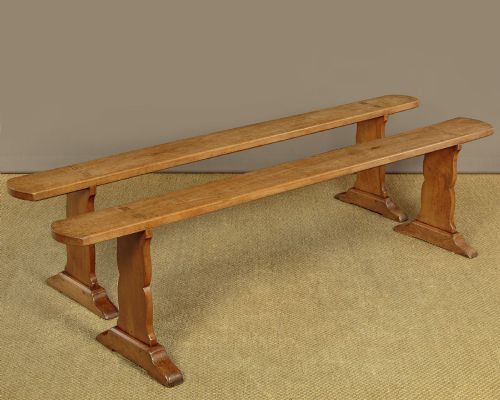
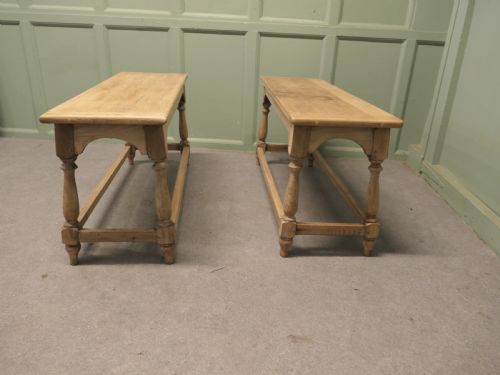
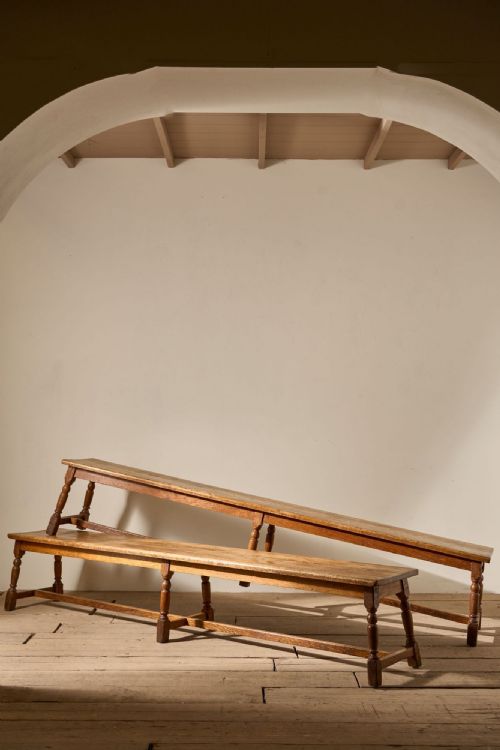
A rustic wooden form brings straightforward utility and honest grain to a room, offering simple seating crafted from solid timber.
Rustic Wooden Form
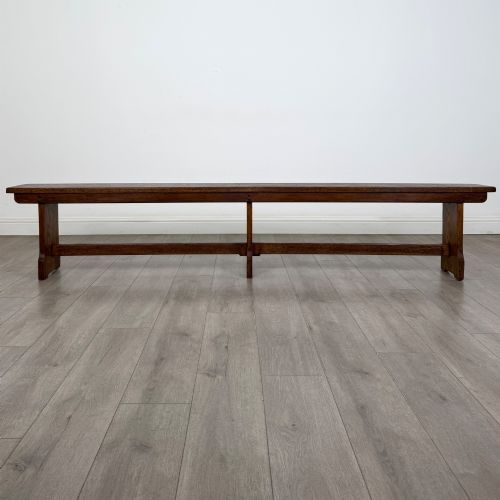
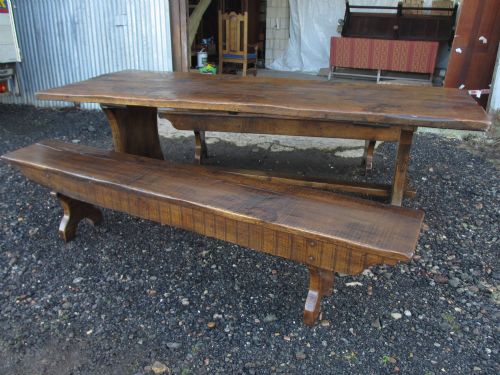
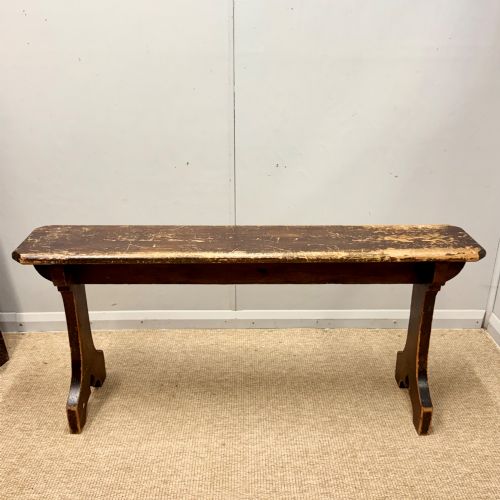
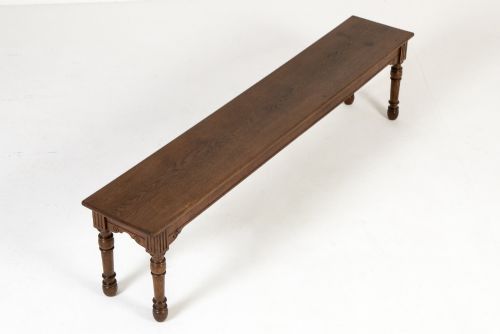
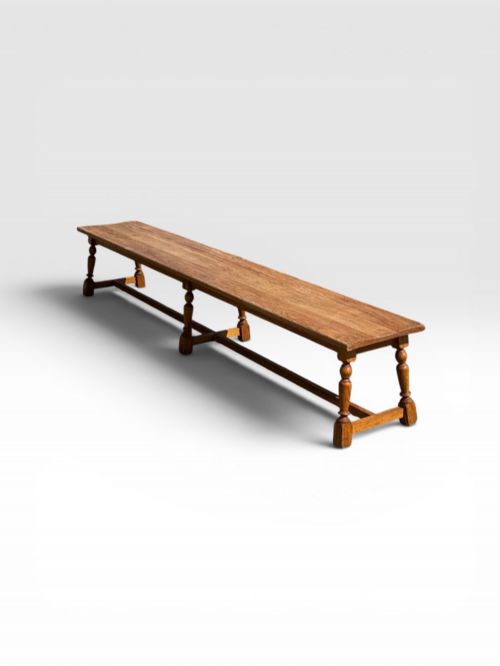
A rustic wooden form is primarily encountered as a bench, stool, or long seat derived from domestic, agricultural, or institutional settings. These functional pieces appear in various lengths, ranging from compact children's stools to long refectory and tavern benches.
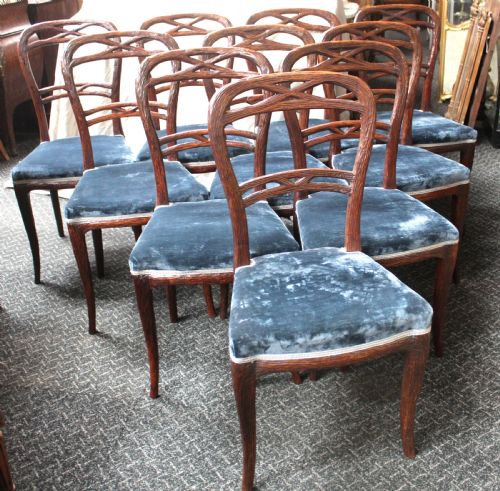
The materials and styles span centuries of vernacular woodworking, covering 18th-century Welsh oak, Victorian pine, and French fruitwood. Makers relied on straightforward construction methods to produce sturdy seating for daily use rather than ornamental display.
Materials and construction methods
Makers utilised solid timbers such as oak, pine, elm, and cherrywood, selecting woods based on local availability and structural strength. Planks were often hand-sawn and joined with simple fixings, mortise and tenon joints, or trestle ends to support heavy daily loads.
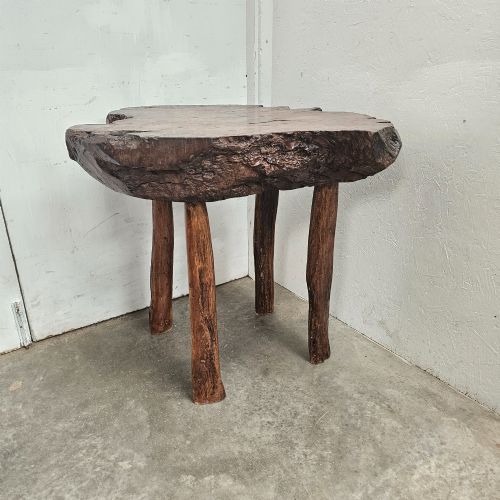
Surfaces frequently show the natural grain, enhanced through plain wax, scrubbed finishes, or early layers of paint and scumble. Some examples display carved details or naturalistic shapes, reflecting the unpretentious traditions of country workshops.
Listings feature timbers such as oak, pine, elm, and cherrywood, originating from periods spanning the 17th century to the Edwardian era.
Judging quality in country seating
Quality rests in the integrity of the timber, the stability of the joints, and the proportions of the piece. Well-balanced forms with thick original seats and minimal structural replacement command greater interest among collectors.
Patina and surface preservation separate ordinary utility items from finer survivals. Pieces retaining untouched scrubbed pine, early paint, or rich oak surfaces demonstrate age and honest wear far better than heavily restored equivalents.
The Rustic Wooden Form Glossary
- Refectory table
- A long dining table traditionally used in communal dining halls. These are frequently accompanied by long matching benches.
- Joint bench
- A bench constructed using traditional tight joinery rather than simple nails or screws. This method provides superior structural rigidity.
- Scumble
- A translucent layer of paint applied over a lighter base coat to imitate grain or add texture. It is frequently found on country pine furniture.
- Trestle
- A structural support consisting of a horizontal beam fixed to two splayed legs. This design offers robust support for long seating forms.
Rustic Wooden Form: Frequently Asked Questions
What is a wooden form?
A wooden form is a bench or long seat constructed from solid timber without a backrest. These utilitarian pieces were designed for practical seating in homes, schools, and halls.
They appear in various woods including oak, pine, and elm, spanning several centuries of vernacular furniture production.
How were these benches used?
These benches served as communal seating around dining tables, in schoolrooms, and along tavern walls. Their long, linear design allowed multiple people to sit together easily.
In domestic settings, they functioned as hallway seats or flexible dining furniture that could be tucked beneath a table.
How do I date a pine bench?
Dating relies on construction marks, timber thickness, and surface wear. Hand-sawn boards, early square-headed nails, and pegged joints indicate older manufacture.
Examine the underside and legs for tool marks and the natural accumulation of patina that comes from generations of use.
Are these benches sturdy enough for daily use?
Most surviving benches were built for heavy institutional or domestic labour and remain remarkably robust. Solid oak and thick pine examples easily handle everyday seating requirements.
Check the joints and feet for stability to ensure the timber has not weakened from damp conditions over the centuries.