




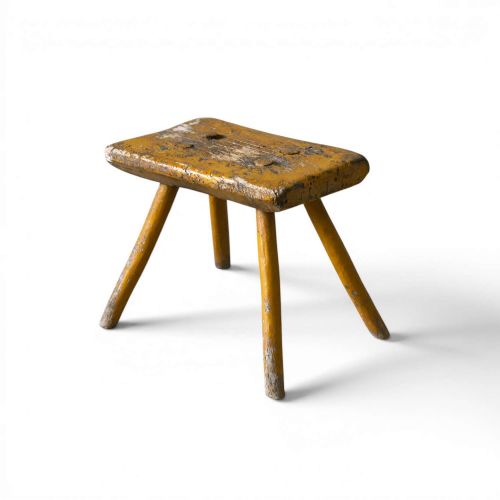
Rustic Wooden Footstool
A rustic wooden footstool brings practical utility and honest craftsmanship into a room, grounded in centuries of vernacular design.
Rustic Wooden Footstool
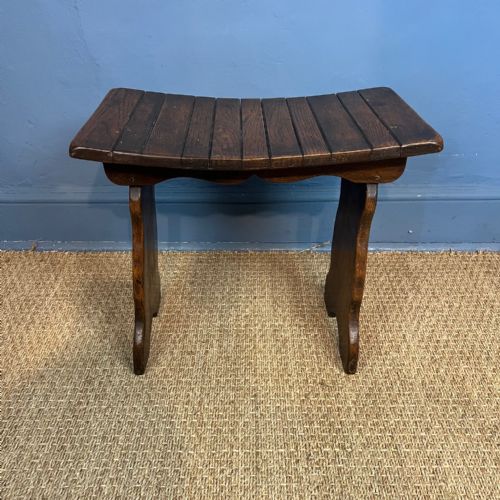
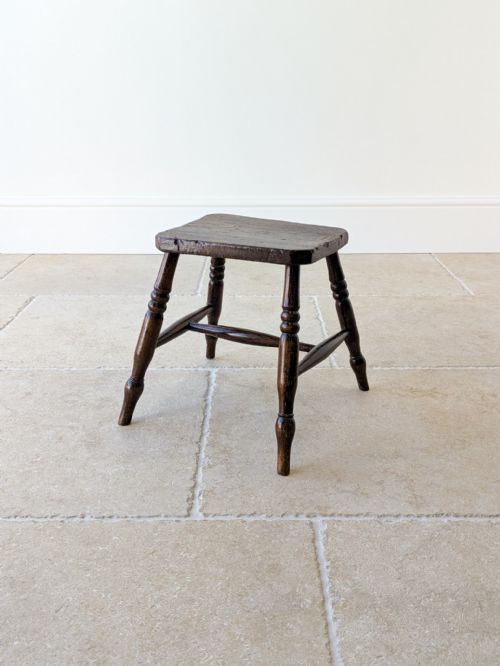
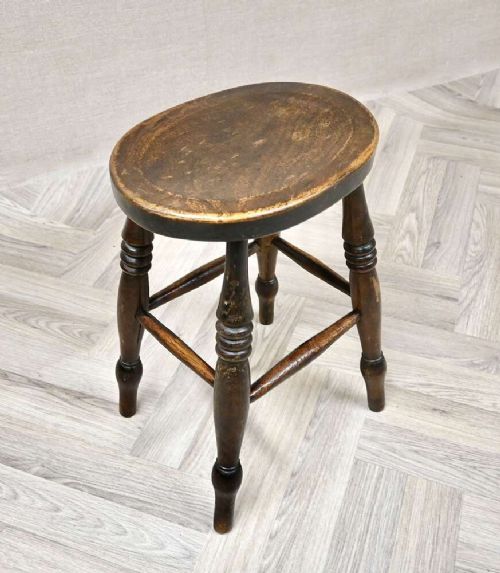
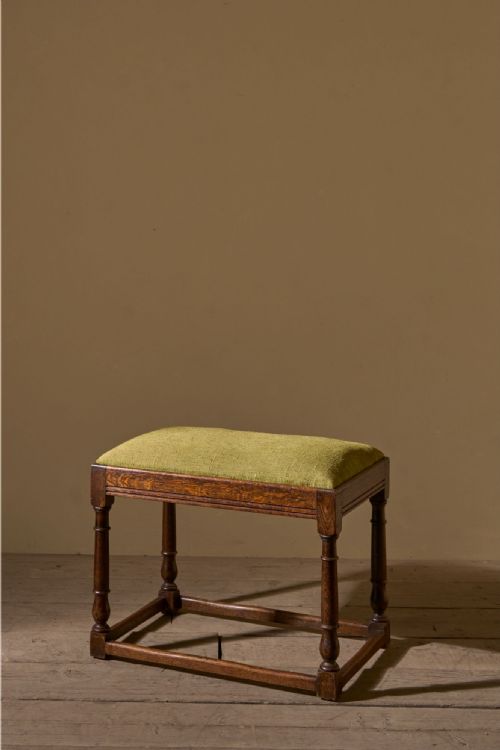
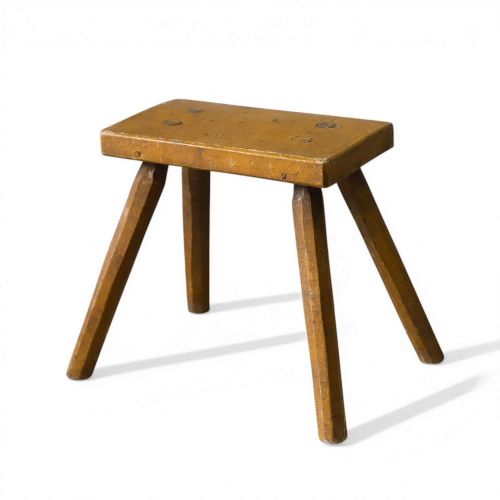
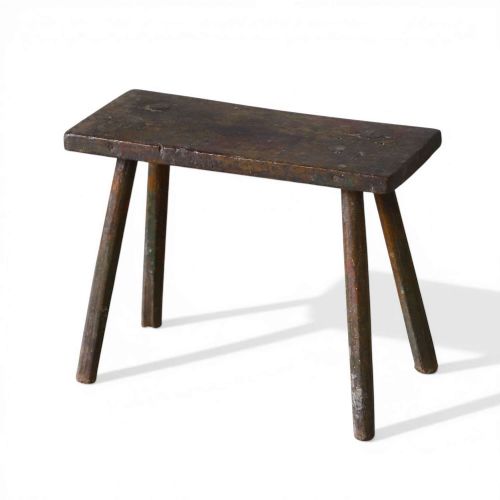
A rustic wooden footstool is a low seating piece or stand rooted in domestic and agricultural utility, appearing in forms ranging from simple joint stools to milking stools and Windsor designs. These pieces span from the seventeenth century through to the Edwardian period and the early twentieth century, reflecting practical working lives.
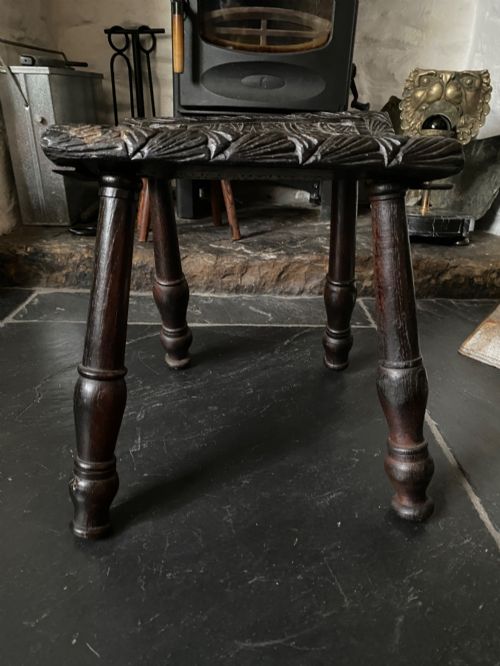
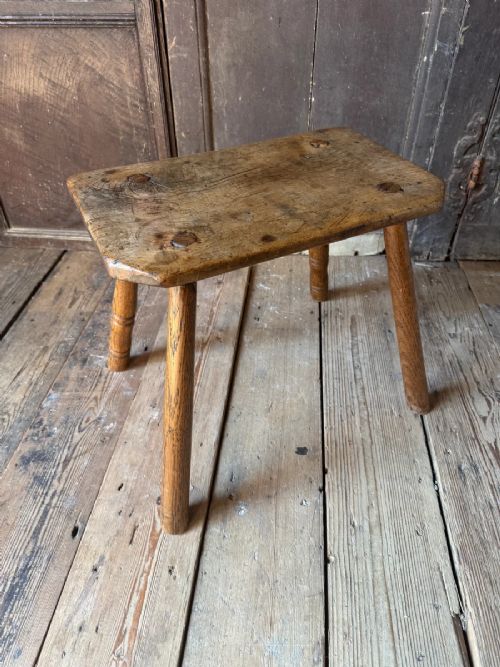
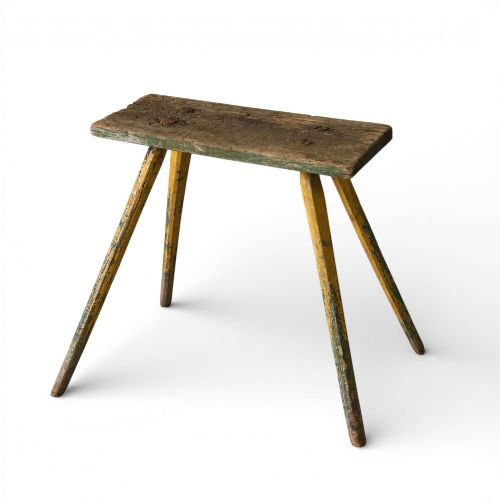
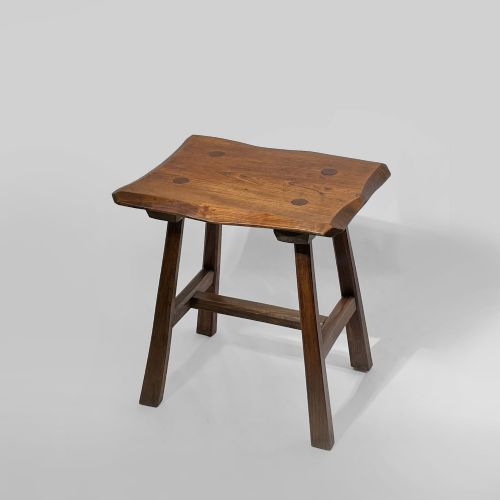
The versions most commonly met on this page include nineteenth-century oak, elm, and pine examples alongside regional variations like Eastern European milking stools finished in original paint. Buyers also encounter Arts and Crafts pieces and vernacular items with sculpted seats or turned legs.
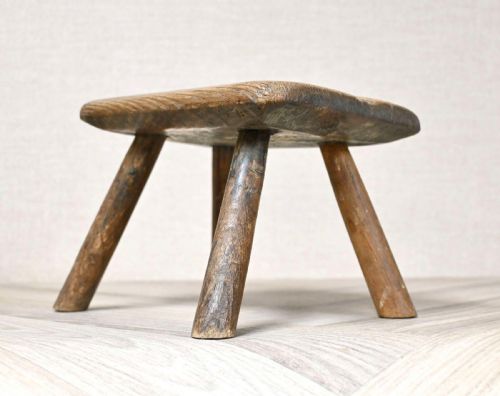
Forms vary from small square joint stools and hearth stools to three-legged milking stools and low tables. They serve as seats, footrests, or small display stands in modern interiors.
Materials and construction
These stools rely on sturdy native timbers such as oak, elm, ash, beech, and pine, selected for durability and local availability. Makers utilised pegged construction, jointed frames, and turned legs to create stable, load-bearing structures that survived generations of daily use.
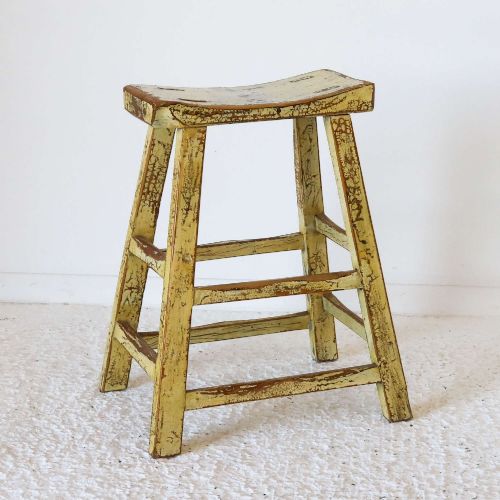
Many examples feature solid plank or saddle-shaped seats, sometimes shaped with adzes or chisels for comfort. Surface treatments range from exposed grain and polished timber to original ochre, green, yellow, or lacquered paint finishes.
Rustic Wooden Footstool Retail Price Guide 2026
Typical asking prices for rustic wooden footstool among the pieces listed under this phrase on Sellingantiques today, from the lower quarter to the upper quarter. They describe what is for sale here now, not the wider market.
Listings feature pieces spanning from the 17th century through to the 1920s, including Arts and Crafts and Victorian country styles.
Evaluating quality and character
Quality in these pieces depends on the integrity of the original construction, such as tight pegged joints and honest wear to the timber. Pieces that retain their original surface finishes, whether early paint or aged patina, hold greater character than stripped or overly restored examples.
The balance of proportions and the degree of hand-shaping in the seat or legs distinguish standard utility items from finer vernacular and Arts and Crafts pieces. A well-proportioned frame with solid timber and minimal modern intervention represents the better end of the range.
Jack Grimble
The Rustic Wooden Footstool Glossary
- Joint stool
- A sturdy wooden stool constructed with mortise and tenon joints, often pegged together. These pieces date back to the seventeenth and eighteenth centuries and served multiple household purposes.
- Milking stool
- A low, typically three-legged stool designed for use while milking animals. Their simple, functional tripod design ensures stability on uneven earthen floors.
- Windsor stool
- A seat featuring turned legs and spindles socketed directly into a solid, often sculpted wooden seat. This construction method derives from traditional Windsor chair making.
- Vernacular furniture
- Items made by local craftsmen using regional styles and available materials rather than following high-style academic designs. These pieces emphasise straightforward utility and local tradition.
- Hearth stool
- A low, long stool placed near the fireplace for sitting close to the warmth. They often feature robust timber construction to withstand heat and frequent use.
Rustic Wooden Footstool: Frequently Asked Questions
What is a joint stool?
A joint stool is a rigid wooden seat made with pegged mortise and tenon joinery rather than glued joints. These items date primarily from the seventeenth and eighteenth centuries and were built to endure heavy domestic use.
In period homes, they functioned as extra seating, small tables, or stands for household objects. Their sturdy rectangular frames and turned legs define the classic early English country aesthetic.
How do I date an old wooden stool?
Dating relies on examining the timber species, tool marks, joinery methods, and wear patterns. Seventeenth and eighteenth-century pieces usually feature heavy oak construction with pegged joints, while nineteenth-century examples often utilise elm, ash, or pine with simpler turned supports.
Original paint surfaces and tool marks left by adzes or saws also offer clues to the era of manufacture. Comparing the construction style to dated vernacular examples helps narrow down the period.
Were milking stools used inside the home?
Milking stools originated as agricultural implements designed for milking livestock in barns and fields. Their three-legged construction provided stability on uneven ground.
Over time, their simple charm and compact size brought them into domestic spaces as decorative stands or low seats. Today, surviving examples often retain traces of their original agricultural paint.
How do I care for antique timber?
Maintain antique wood by keeping it away from direct heat sources and drastic humidity changes, which can cause the timber to split. Regular dusting with a soft cloth preserves the dry finish and natural patina.
Avoid modern silicone polishes that build up on the surface. Instead, apply a traditional beeswax sparingly to nourish dry wood if needed.
What is vernacular furniture?
Vernacular furniture refers to everyday items made by local country craftsmen for regional use. These makers prioritised function and local materials over fashionable urban styles.
This approach produced honest, unpretentious pieces using woods like elm, ash, and pine. Each item reflects the practical needs of the community where it was made.