



Rustic Wooden Figure Carving
These rustic wooden figure carving pieces bring tactile presence into a room, shaped by hands across the eighteenth, nineteenth, and early twentieth centuries.
Rustic Wooden Figure Carving
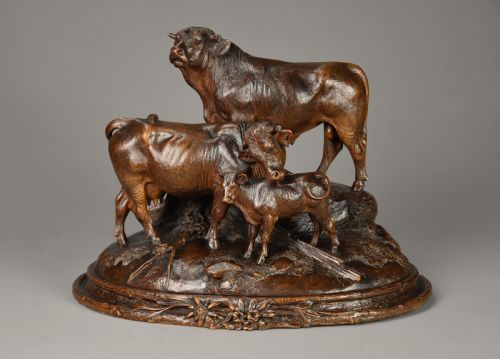
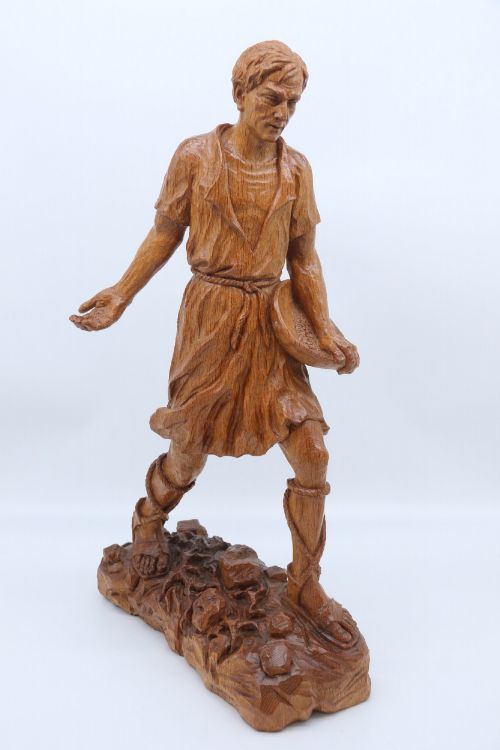
A rustic wooden figure carving captures animals, birds, and human subjects fashioned outside mainstream academic traditions. These pieces include folk art sculptures, Black Forest animal groups, and utilitarian objects rendered in sculptural form.
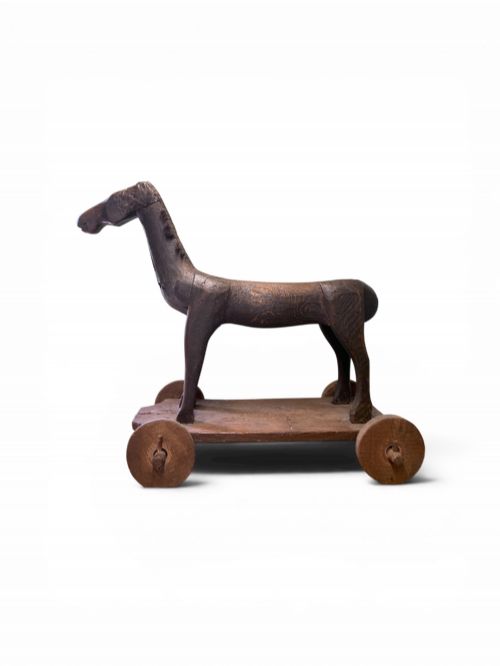
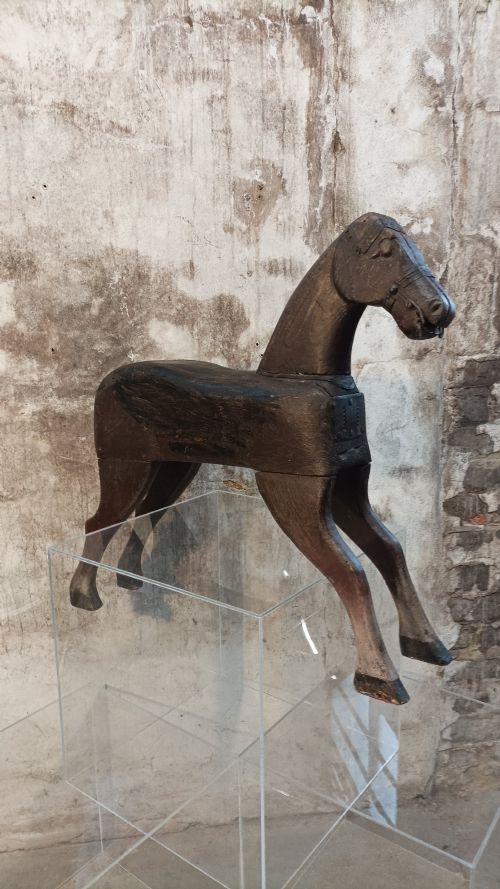
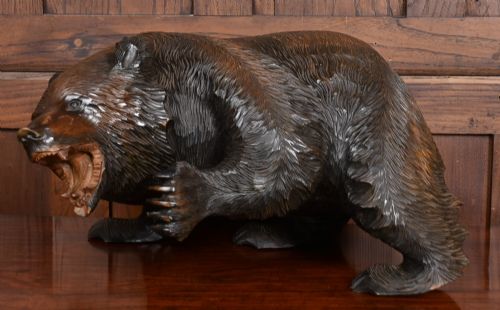
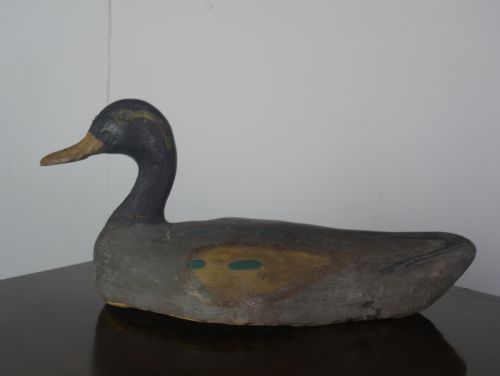
The selections span European and American traditions, ranging from French shop displays and Japanese bears to naive British farm workers and primitive toys. Nineteenth-century examples dominate the offerings, alongside earlier eighteenth-century survivals and twentieth-century decoys.
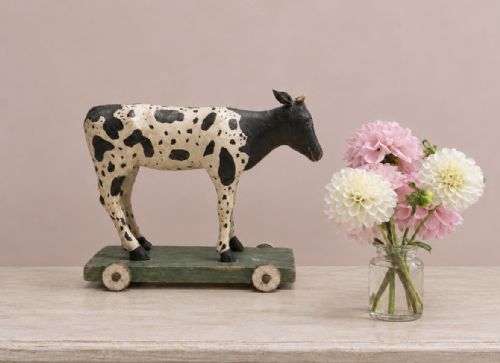
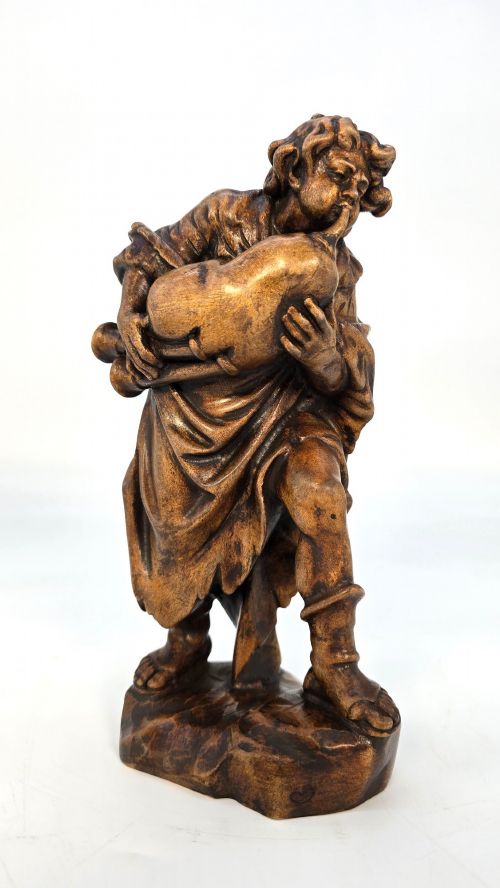
Forms vary widely from practical items like inkstands and spoon racks to pure decorative sculptures and kinetic whirligigs. Buyers encounter everything from small linden wood cattle to large fruitwood figures and painted shop displays.
Materials and construction methods
Carvers utilised local timbers such as oak, fruitwood, pine, and limewood or linden wood, selecting woods that suited both fine detail and robust utilitarian service. Many pieces display original surface paint, adding colour and character to the exposed grain.
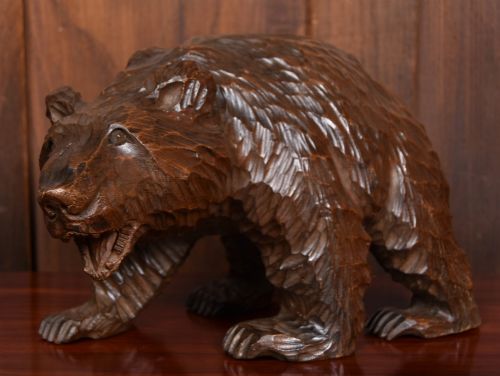
Working methods combine traditional hand-chelling with specific regional techniques, such as the Nata-Tsukuri style seen in Japanese carvings. Assemblages often incorporate iron hardware or branch sections, embracing the natural quirks of the timber.
Rustic Wooden Figure Carving Retail Price Guide 2026
Typical asking prices for rustic wooden figure carving among the pieces listed under this phrase on Sellingantiques today, from the lower quarter to the upper quarter. They describe what is for sale here now, not the wider market.
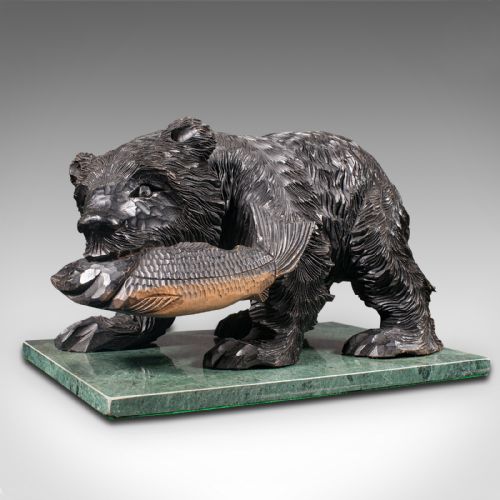
Several wooden bears double as inkstands, combining fierce forest imagery with the practical task of holding Victorian fountain pen nibs.
Judging quality in carved wooden figures
Quality rests upon the confidence of the carving and the expression achieved within the medium, whether handling a detailed animal group or a naive toy. Superior pieces demonstrate purposeful tool marks and anatomical conviction rather than mere decorative repetition.
The retention of original paint surfaces and patination elevates an object, as does a well-documented workshop origin or specific regional attribution. Structural integrity matters alongside surface preservation, distinguishing genuine period character from later surface alterations.
J HUGGLER
The Rustic Wooden Figure Carving Glossary
- Folk art
- Artistic work produced from an indigenous culture or by a peasant or other labouring trade outside professional academic traditions. It relies on traditional skills and style rather than professional training.
- Black Forest
- A style of wood carving originating from the Brienz region of Switzerland during the nineteenth century. These pieces predominantly feature bears, cattle, and woodland animals rendered with notable realism.
- Decoy
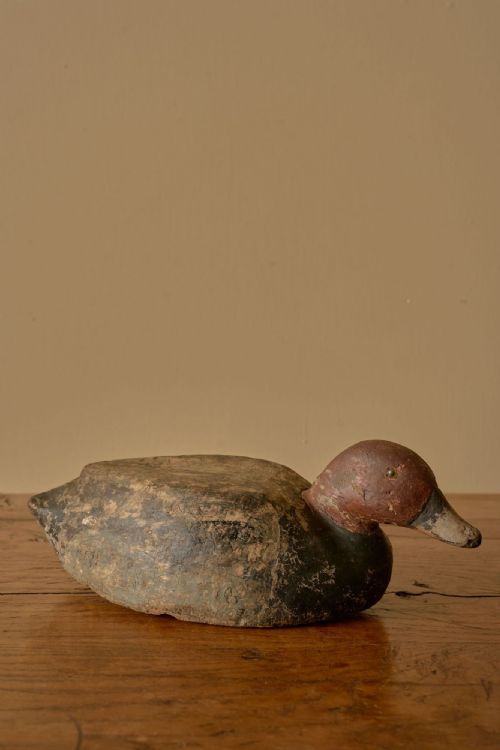
- A carved and painted bird or animal utilised historically to attract game or waterfowl for hunting. They are prized today for their sculptural qualities and weathered painted surfaces.
- Whirligig
- A kinetic folk art object driven by the wind, featuring moving parts that animate when exposed to the elements. American and European examples often depict human figures performing simple mechanical actions.
- Fruitwood
- Dense timber derived from fruit-bearing trees such as pear, apple, or cherry. Carvers favoured it for fine detail work due to its smooth grain and durability.
Rustic Wooden Figure Carving: Frequently Asked Questions
How do I date a wooden carving?
Dating relies upon tool marks, timber choice, wear patterns, and stylistic conventions associated with specific periods like the nineteenth century. Examining the construction methods and any historical paint layers helps establish age.
Comparative analysis with documented workshop pieces or regional folk art traditions further narrows the manufacturing window. Natural oxidation of the wood provides additional clues to antiquity.
Are these carvings suitable for daily display?
These pieces function well in domestic interiors when kept away from direct heat sources and dramatic humidity fluctuations. Stable environmental conditions preserve both the timber substrate and any historic painted surfaces.
Routine dusting with a soft, dry cloth maintains the surface without introducing moisture or chemical residues. Avoid abrasive cleaners that might strip the original patination.
What is Black Forest carving?
Black Forest carving refers to nineteenth-century Swiss wood sculpture, famous for realistic depictions of bears, deer, and cattle. Artisans in the Brienz region produced everything from small inkstands to large hall furniture.
These works often utilise linden wood or limewood, finished with a warm wax polish that highlights the intricate fur and muscle texture.
How should I clean painted wooden items?
Painted wooden carvings require minimal intervention, usually limited to gentle surface dust removal using a soft natural-bristle brush. Water and liquid cleaning agents risk lifting fragile historic paint layers.
Professional conservation advice should be sought if deeper cleaning becomes necessary to stabilise flaking pigments or damaged timber.