

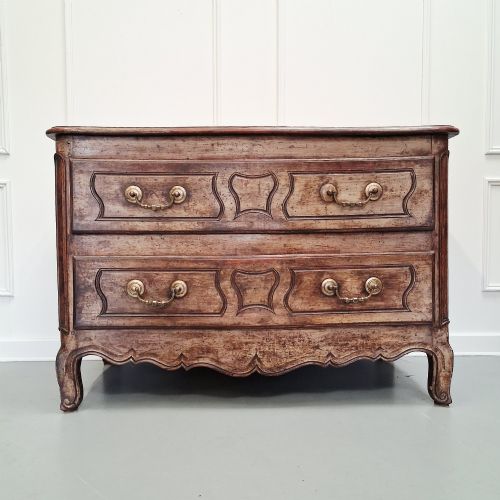
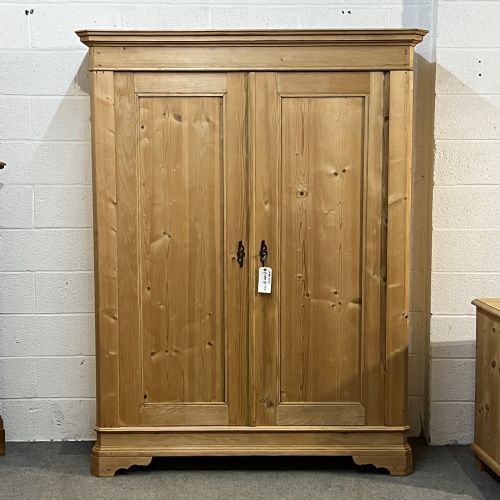
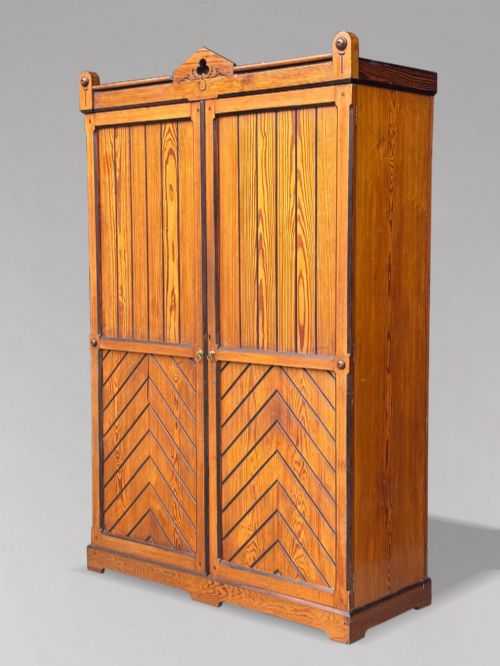
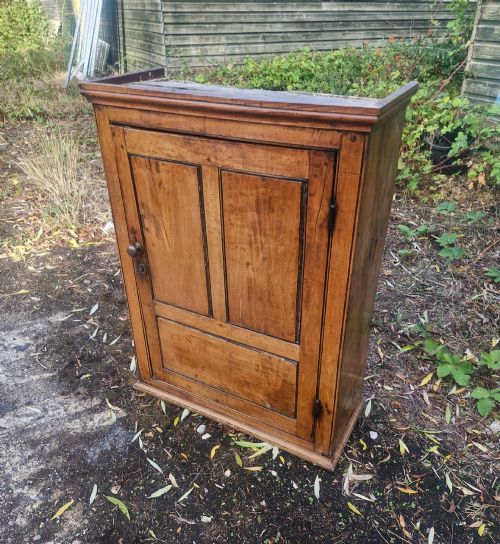
Rustic Wooden Cabinet
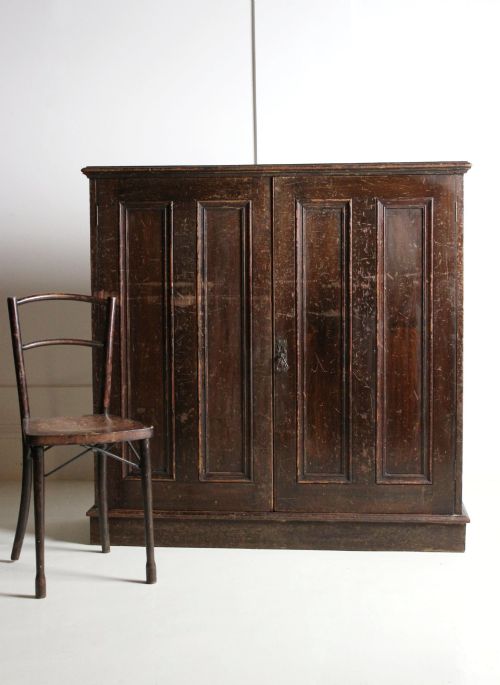
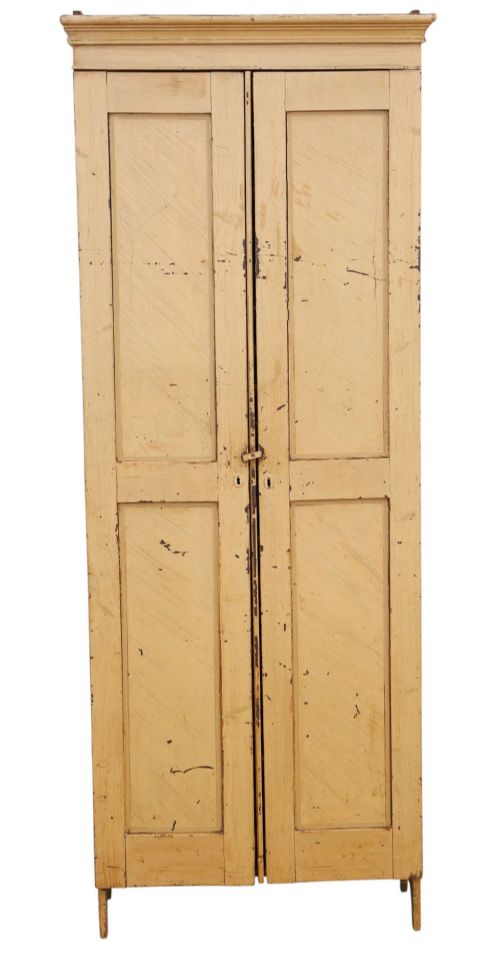
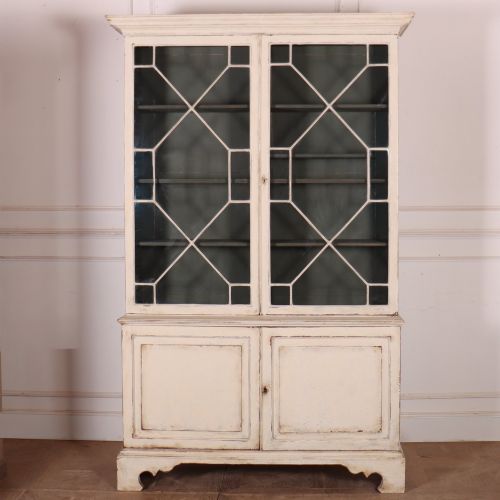
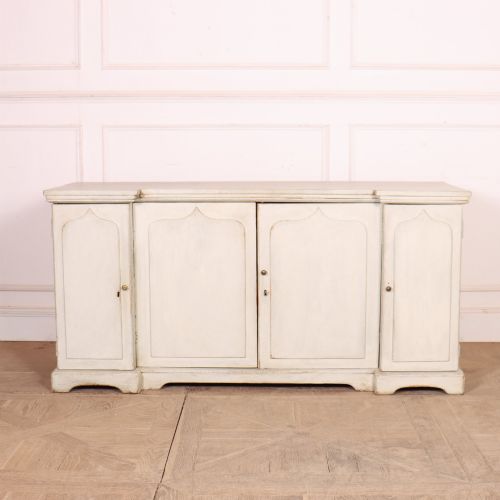
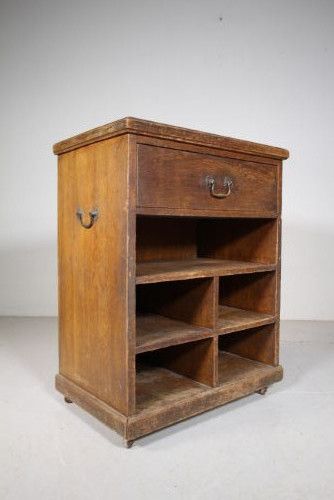
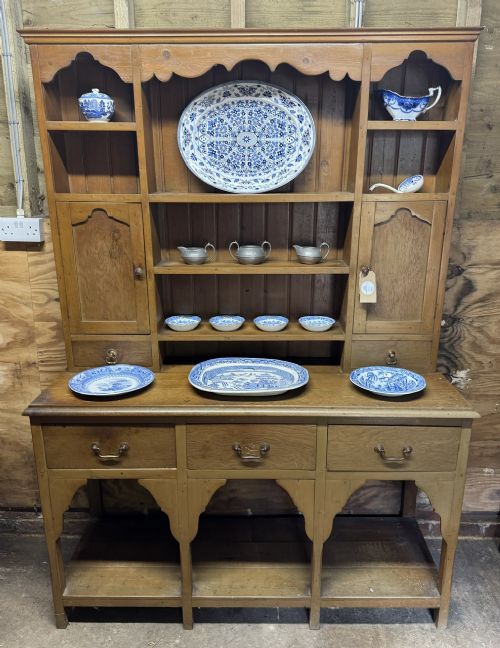
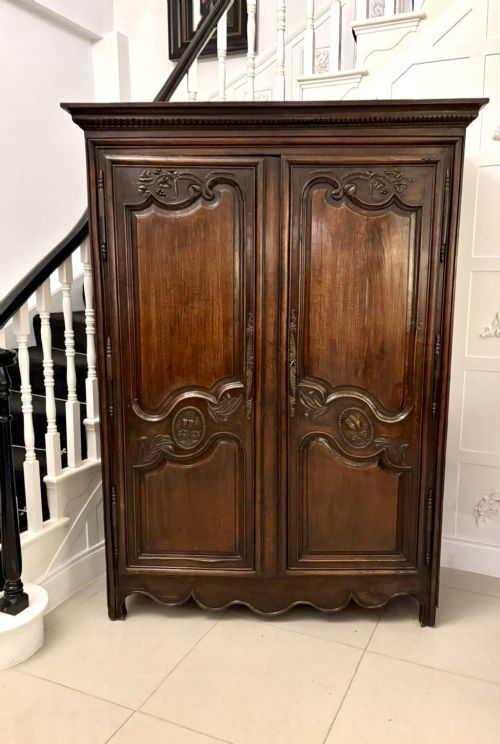
A rustic wooden cabinet brings honest grain, historic paint, and functional storage into a room.
Rustic Wooden Cabinet
A rustic wooden cabinet encompasses utilitarian storage pieces shaped by vernacular traditions across Britain, France, Ireland, Wales, and further afield. Buyers seek these items for their straightforward construction, generous proportions, and the character that decades of use impart to the timber.
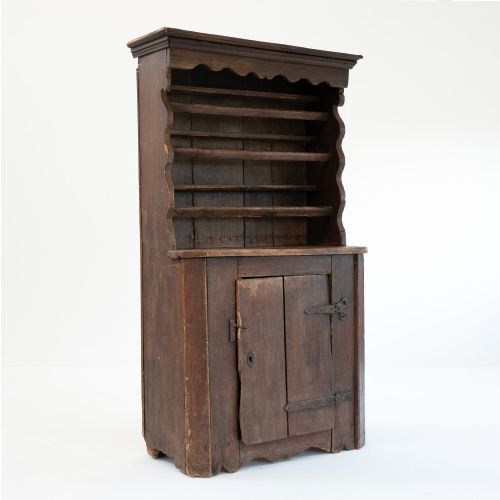
The selections available here lean heavily toward pine, oak, and elm, spanning periods from the eighteenth century through the Edwardian era and the early twentieth century. Common forms include kitchen dressers, housekeeper's cupboards, bedside units, and painted sideboards.
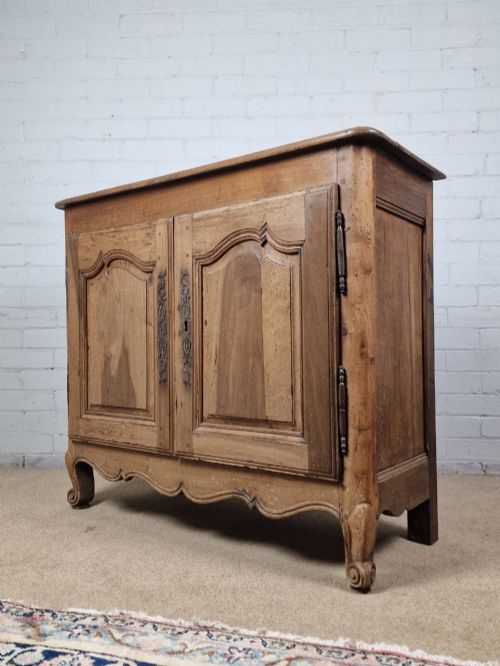
Regional variations dictate much of the character, from Welsh pine dressers to French confituriers and Indian teak storage cupboards. These pieces reflect the local woods and domestic needs of their makers, prioritizing practical utility above formal courtly design.
Materials and Construction
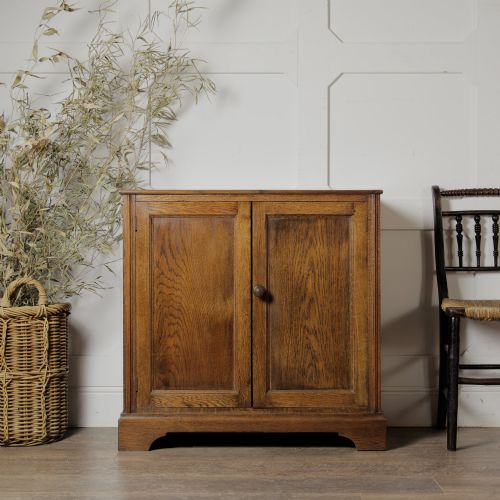
Solid woods such as pine, oak, elm, and teak form the structural core of these items, frequently joined by hand using traditional mortise and tenon joints. Carpenters utilised local timber stocks, meaning British pieces rely on native oak and pine, while continental examples often employ fruitwoods or regional pines.
Surface finishes range from waxed or polished bare grain to layered historic paintwork that preserves original patination and colour. Iron and brass hardware - including hinges, latches, and drop handles - secure the doors and drawers while grounding the heavier wooden frames.
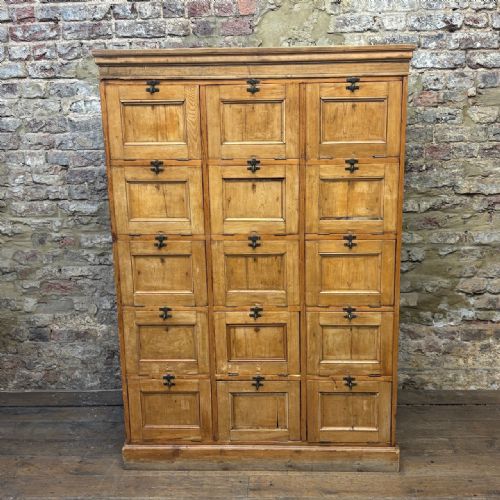
One twenty-five-drawer bank originally served the patrons of Luxmore's of Ilfracombe before joining the open market.
Evaluating Quality and Integrity
Quality in a rustic wooden cabinet rests upon the integrity of its timber and the preservation of its original surface skin. Examples retain untouched painted finishes or deep waxed patinas built up over generations, whereas over-restored pieces lose the subtle marks of their working history.
Structural honesty separates utilitarian items of higher merit from lesser builds, visible in pegged joints, well-fitted backboards, and drawers that retain their original sides and bottoms. The balance of proportions and the restraint of applied mouldings indicate the care taken by the original workshop.
The Rustic Wooden Cabinet Glossary
- Patina
- The surface sheen and colour acquired by wood and paint through age, handling, and exposure to light over many decades.
- Confiturier
- A small French cupboard originally designed to store pots of confit or preserves in provincial homes.
- Breakfront
- A piece of furniture whose central section projects forward from the flanking outer sections, creating architectural depth.
- Almirah
- A freestanding cupboard or wardrobe originating from the Indian subcontinent, frequently constructed from reclaimed teak.
- Linen press
- A tall cupboard featuring upper shelving for household textiles and lower drawers for additional storage.
Rustic Wooden Cabinet: Frequently Asked Questions
How do I clean a painted rustic cabinet?
Dust the surfaces regularly with a soft, dry cloth to prevent dirt accumulation without disturbing fragile historic finishes. Avoid modern chemical solvents that strip original paint or soften aged wax.
Test any cleaning method on a hidden underside first if the paint is flaking. Preserving the dry, chalky texture of early surface layers maintains the historic integrity of the piece.
Can I use an antique dresser in a modern kitchen?
These pieces integrate naturally into contemporary spaces by offering open display shelving and substantial lower storage for daily tableware. Their historical utility translates directly to modern domestic organisation.
Ensure the floor is reasonably level so doors and drawers hang and slide correctly. Fastening tall cupboards to a wall provides necessary stability in busy rooms.
What is the difference between oak and pine storage pieces?
Oak offers a dense, heavy structure with prominent medullary rays, common in earlier Georgian and provincial English or Welsh furniture. Pine provides a softer, lighter alternative that frequently carries historic layers of paint or milk wash.
Both woods respond well to wax polishing, though pine items often display more knocks and dents from active domestic service in kitchens and pantries.
How can I tell an eighteenth-century cupboard from a later copy?
Examine the construction marks, tool traces on internal boards, and the hand-cut nature of dovetails in the drawer construction. Older pieces utilise hand- forged iron nails or wooden pegs rather than modern machine-made fasteners.
Check the timber shrinkage patterns and the wear around frequently handled areas like door stiles and drawer pulls. Consistent, natural ageing across all components indicates genuine period origin.