
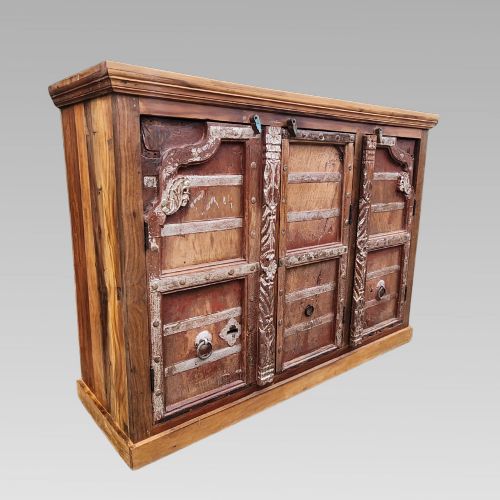
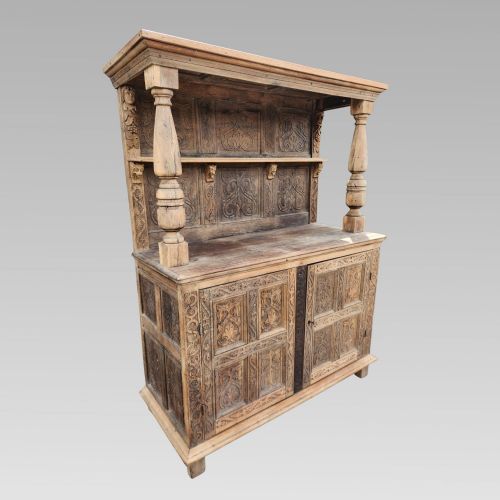


Rustic Wooden Buffet Cabinet
A rustic wooden buffet cabinet brings honest storage and solid utility to a room, drawing on centuries of provincial craftsmanship.
Rustic Wooden Buffet Cabinet
A rustic wooden buffet cabinet serves as a hardworking storage piece for dining rooms and kitchens, taking forms such as dresser bases, sideboards, and cupboards. These items originate from English, French, Scandinavian, and Italian traditions, spanning the eighteenth century through to the early twentieth century.
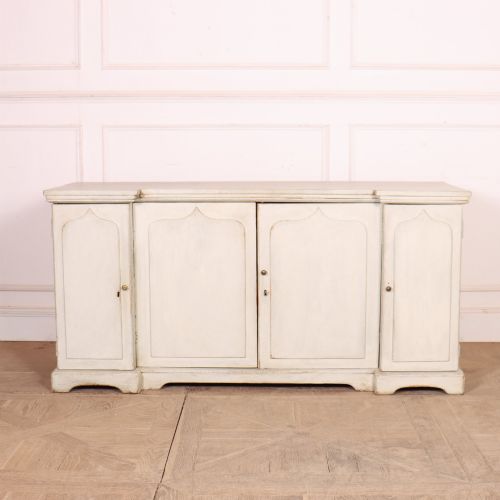
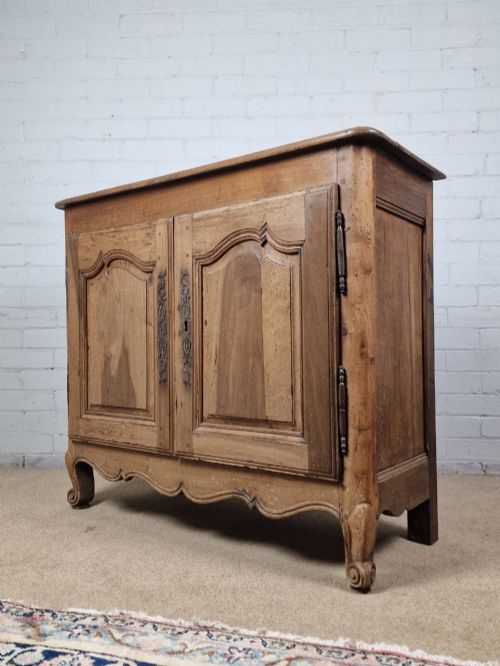
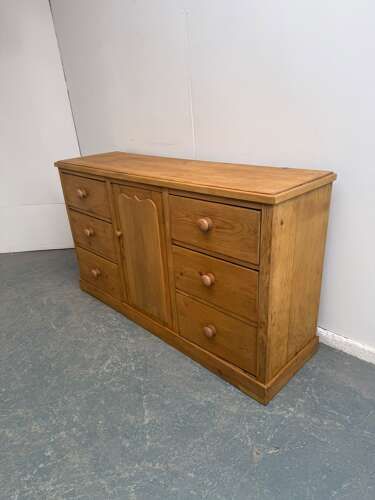
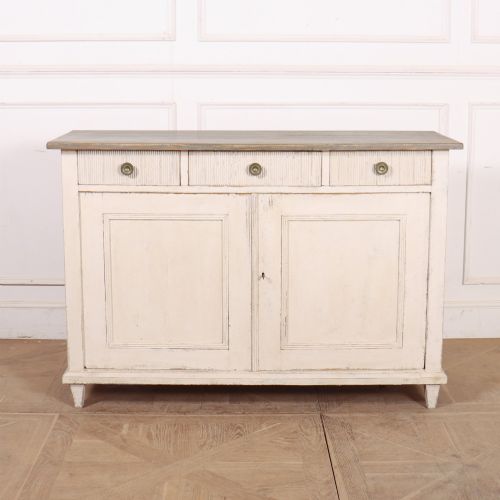
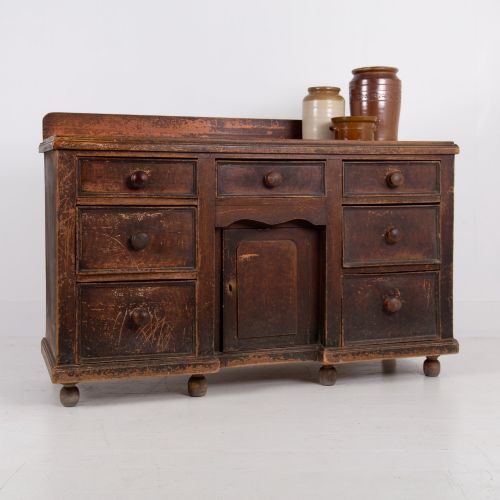
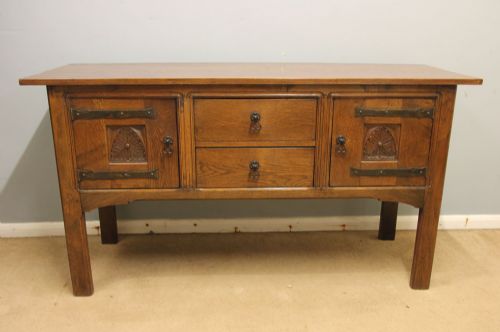
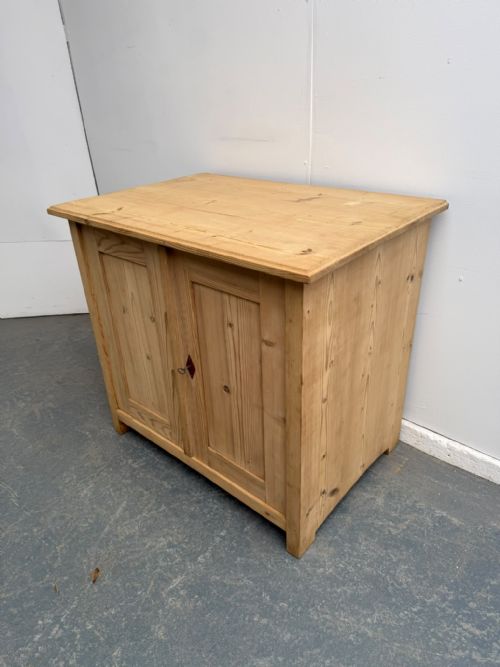
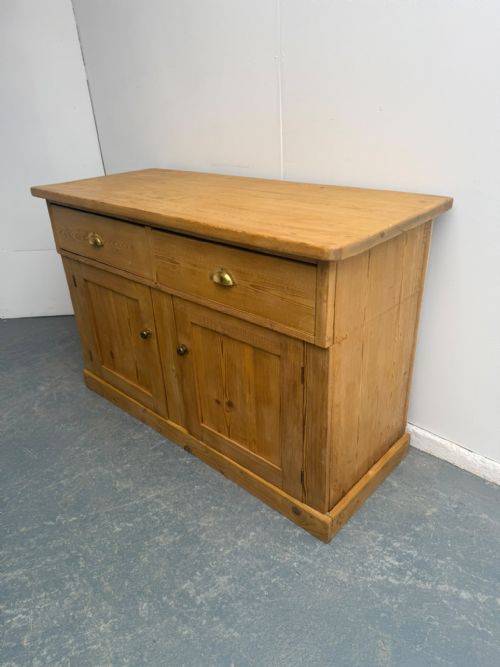
The most common examples on this page are pine and oak dresser bases and low cupboards, often retaining their original paint or wax finishes. Buyers find everything from low wide storage units to two-part dressers and housekeepers cupboards built for daily domestic service.
Construction and Materials
Carpenters built these cabinets from solid regional timbers, principally pine, oak, walnut, cherrywood, chestnut, and teak. Surfaces were often left unpainted and waxed, or coated in traditional paint finishes that now show age through wear.
Hardware such as hinges and pulls typically utilise brass or iron, reflecting the utilitarian origins of the pieces. Joinery relied on traditional methods suited to domestic furniture production without modern machinery.
Several cupboards spent centuries holding flour and linens before finding a second life as modern sideboards.
Judging Quality
Quality rests in the integrity of the timber and the preservation of original surfaces, such as early paint or patinated wax. Pieces that retain their original backboards, drawers, and iron or brass hardware hold greater integrity.
Proportion and construction depth separate standard utilitarian items from finer provincial examples. A balanced form with clean lines and unaltered proportions indicates superior cabinetmaking within regional traditions.
The Rustic Wooden Buffet Cabinet Glossary
- Dresser base
- The lower section of a kitchen dresser, usually comprising drawers and cupboards beneath a flat top. These units function independently as sideboards or serving tables.
- Court cupboard
- An enclosed antique cupboard used for storing food and utensils, featuring heavy timber construction. These early pieces often display carved detailing.
- Chiffonier
- A low sideboard or cabinet developed in the nineteenth century, equipped with doors and sometimes drawers. They provide compact storage for dining rooms and living spaces.
- Ragwork paint
- A decorative paint technique using rags to apply colour, creating a mottled or textured surface pattern. It appears on Scandinavian and continental country furniture.
- Breakfront
- A piece of furniture where the central section projects forward from the flanking sides. This architectural arrangement adds depth to large dresser bases and sideboards.
Rustic Wooden Buffet Cabinet: Frequently Asked Questions
How do I use a buffet cabinet today?
These cabinets suit modern dining rooms, kitchens, or living spaces for storing tableware, linens, and everyday items. The flat top surface also serves well for serving food or displaying decorative objects.
Their sturdy timber construction handles heavy daily use while adding provincial character to a room interior.
How can I tell the age of a wooden cabinet?
Dating relies on timber selection, tool marks, joinery methods, and hardware styles. Eighteenth-century pieces often show hand-planed surfaces and pegged joints, whereas Victorian examples utilise machine-sawn boards and standardised brass fittings.
Paint layers and surface wear also offer clues, as original nineteenth-century paint finishes age differently from modern reproductions.
What is the difference between pine and oak pieces?
Pine furniture tends to originate from country workshops and regional traditions, often finished with wax or paint for a lighter aesthetic. Oak pieces are heavier, denser, and frequently display carved details typical of earlier periods.
Both timbers provide durability, but oak offers a darker grain and greater resistance to heavy wear over centuries.
Are painted finishes original?
Many listings note original paint, which refers to historical decorative or protective coatings applied decades or centuries ago. Original paint exhibits natural cracking, fading, and wear consistent with age.
Unpainted pieces were typically waxed or left bare, and many pine items are stripped or prepared for re-waxing by modern owners.