
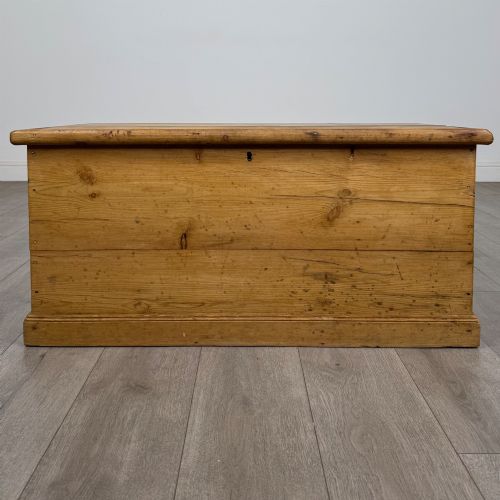


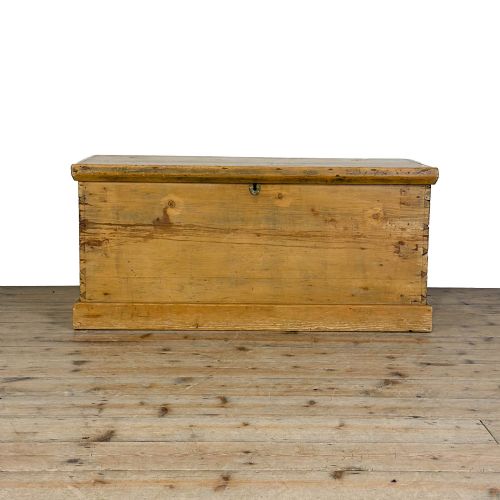
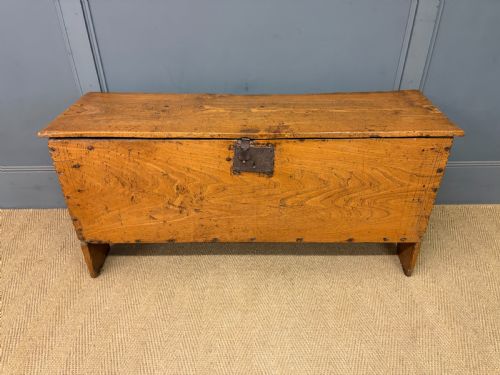
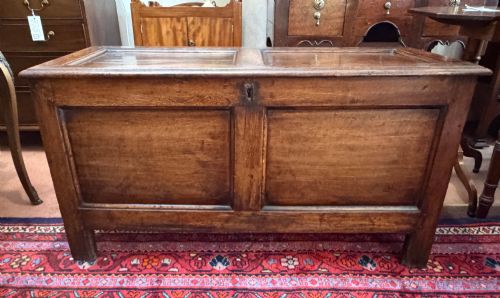
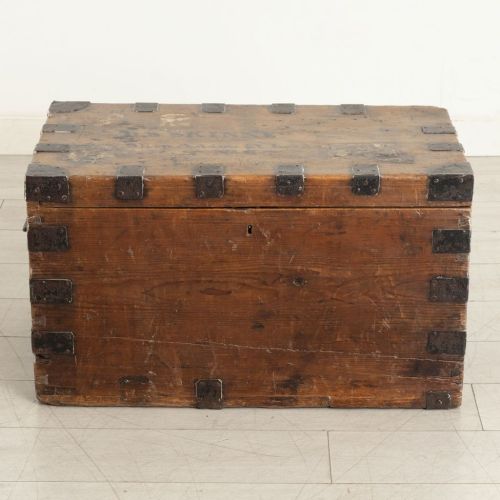
Rustic Wooden Blanket Chest
A rustic wooden blanket chest brings practical storage and centuries of character into a room.
Rustic Wooden Blanket Chest
A rustic wooden blanket chest serves as a robust storage box designed to hold household textiles and personal belongings. These items appear in various regional styles, ranging from simple domestic containers to heavier architectural pieces.
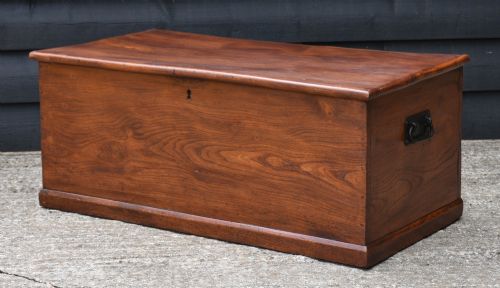
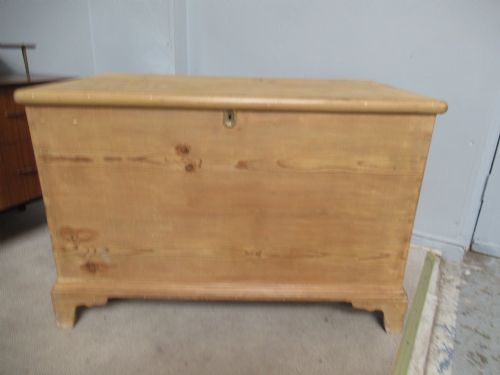
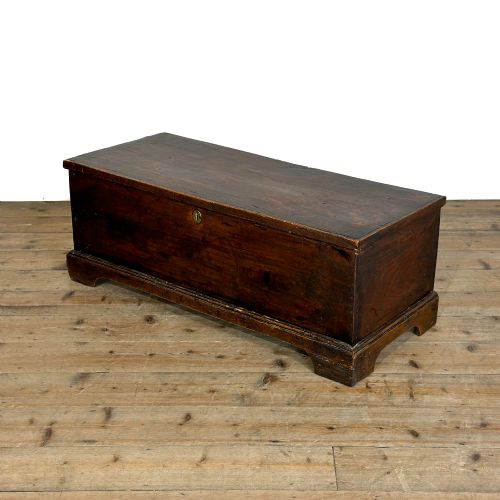
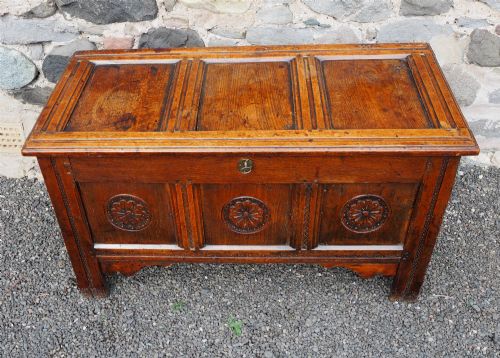
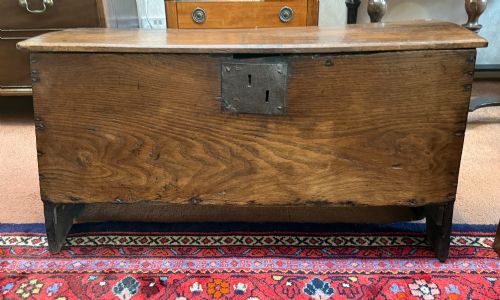
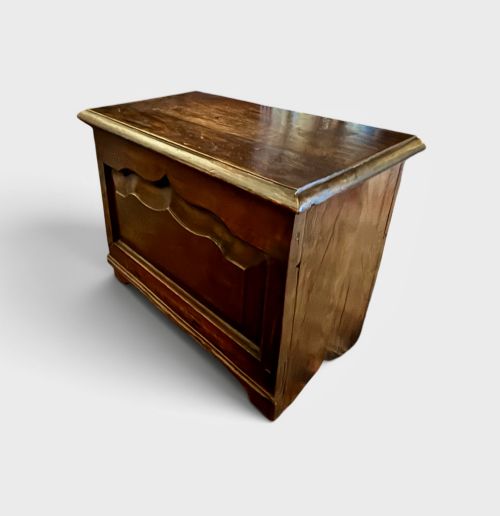
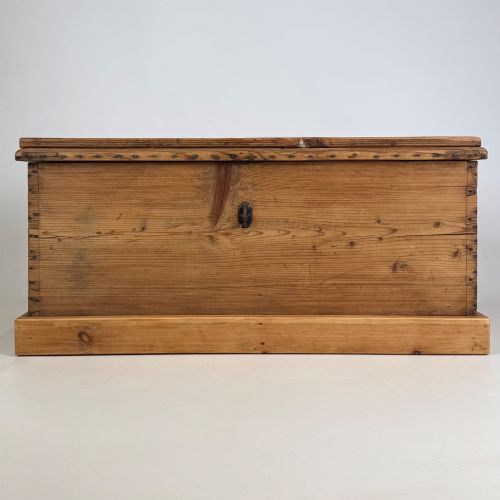
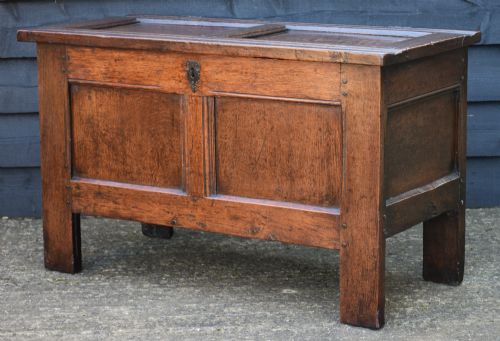
The most common examples on this page are pine and oak boxes originating from the seventeenth, eighteenth, and nineteenth centuries. Buyers encounter forms such as six-plank coffers, panelled storage chests, and fitted travel trunks.
Origins stretch across British, European, and wider traditions, encompassing utilitarian pine boxes alongside carved oak coffers and iron-bound teak storage chests. Each piece reflects the domestic storage needs of its period.
How they were made
Carpenters built these chests primarily using solid native timbers such as oak, pine, elm, and pitch pine, often supplemented by exotic woods like teak for larger trunks. Construction methods relied on sturdy joinery, including panelled frames and six-plank board assemblies.
Iron and brass hardware provided essential reinforcement and functionality, featuring hand-forged strapwork, hinges, and carrying handles. Surfaces were frequently left bare to age naturally, though some examples received protective coats of paint.
Listings feature timbers including pine, oak, elm, pitch pine, teak, and iron.
What varies in quality
The structural integrity of the timber and the retention of original hardware dictate the standing of an individual chest. Pieces retaining their original hinges, internal till compartments, and uncompromised board thicknesses hold greater authority.
Subtleties in proportion and surface wear separate standard utilitarian boxes from finer examples. Carved detailing on seventeenth-century oak coffers or clean joinery on eighteenth-century elm chests distinguishes workshops of higher skill.
The Rustic Wooden Blanket Chest Glossary
- Coffer
- A heavy wooden chest traditionally used for storing valuables, documents, or garments. These sturdy boxes often feature panelled construction and hinged lids.
- Six-plank coffer
- A primitive chest constructed from six individual boards joined directly at the edges. This straightforward method represents an early and enduring form of box-making.
- Strapwork
- Ornamental bands of metal, typically iron or brass, applied across the exterior of a chest to reinforce the joints. This hardware adds both structural strength and visual contrast.
- Till
- A small internal compartment built into the upper corner of a chest for smaller items. These internal boxes often include a tiny secondary lidded space.
- Dowry chest
- A large storage box commissioned or prepared to hold household goods and textiles for a bride. These pieces frequently display robust timbers and secure iron mountings.
Rustic Wooden Blanket Chest: Frequently Asked Questions
How were blanket chests originally used?
These chests served primarily to store heavy woolen blankets, linens, and garments away from dust and pests in homes with limited closet space. Families also used them to secure important household documents and personal valuables.
In many traditions, large dowry chests stored a bride's linens and possessions in preparation for marriage. Their sturdy construction frequently allowed them to double as impromptu seating benches or tables within the home.
Where should I place a wooden chest in my home?
A blanket chest functions effectively at the foot of a bed for storing spare bedding, pillows, and seasonal clothing. Their durable surfaces and flat lids also make them suitable as coffee tables or window seats in living areas.
Placement should avoid direct sunlight and extreme temperature shifts from radiators to protect the historic timber. Maintaining stable indoor humidity prevents the wood from drying out and keeps the original joinery stable.
How do I identify the period of a chest?
Dating relies on examining the timber species, construction techniques, and hardware style present on the box. Seventeenth-century examples often feature heavy oak paneling and hand-carved motifs, while nineteenth-century pine boxes tend to display simpler plank construction.
Tool marks left by hand saws or adzes provide clues regarding the manufacturing era before industrial standardisation. Forged iron strapwork and butterfly hinges further help distinguish earlier pieces from later reproductions.
What is the difference between a coffer and a trunk?
A coffer generally denotes a heavy, stationary wooden box, often made of oak with panelled walls and framed lids intended for permanent indoor storage. These pieces frequently incorporate decorative carvings or architectural mouldings.
A trunk typically implies a portable container designed for travel, often reinforced with iron straps, handles, and durable pine or pitch pine bodies. Travel trunks sometimes include internal drawers and specialised compartments for journeys.