
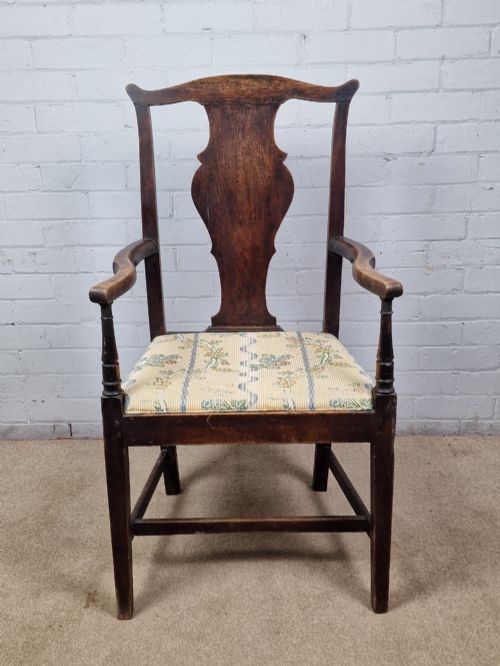
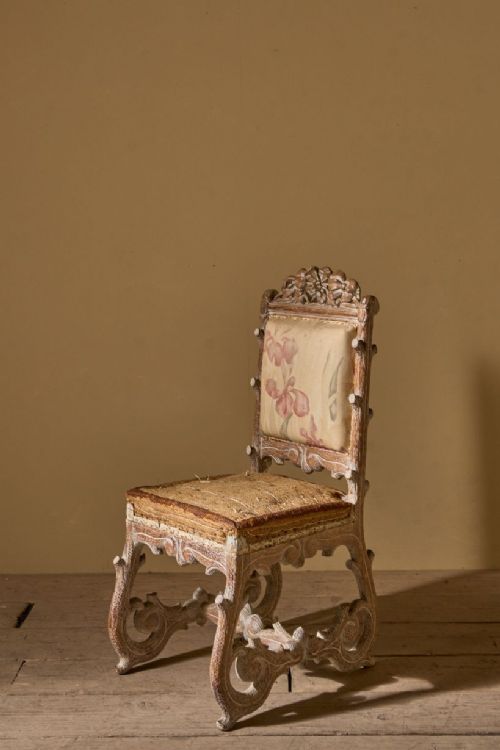

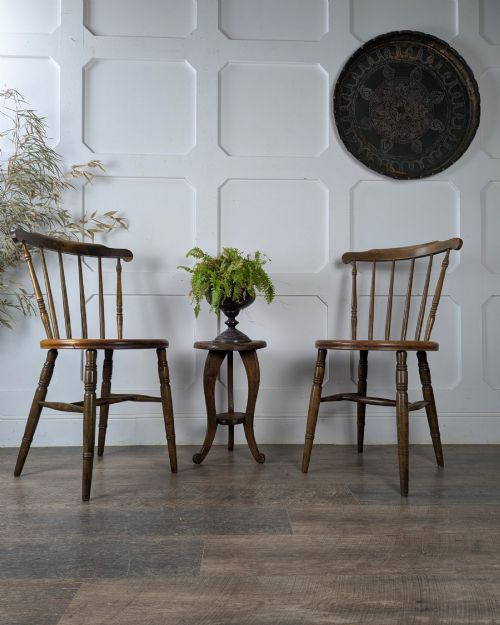
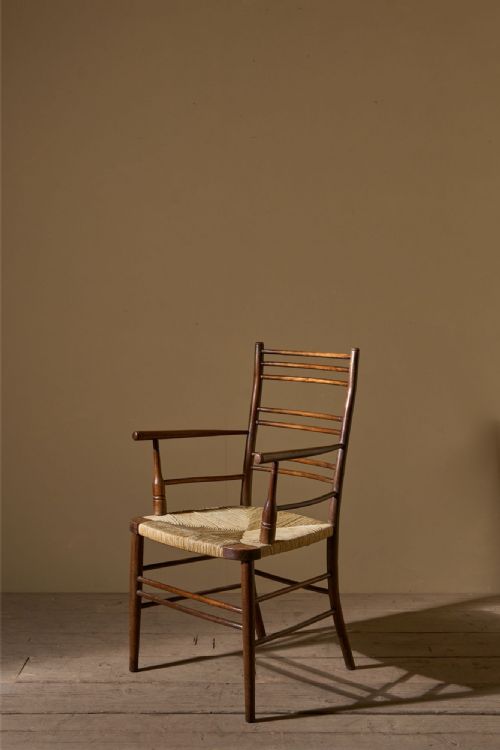
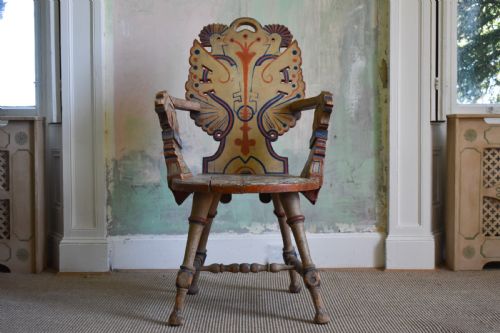
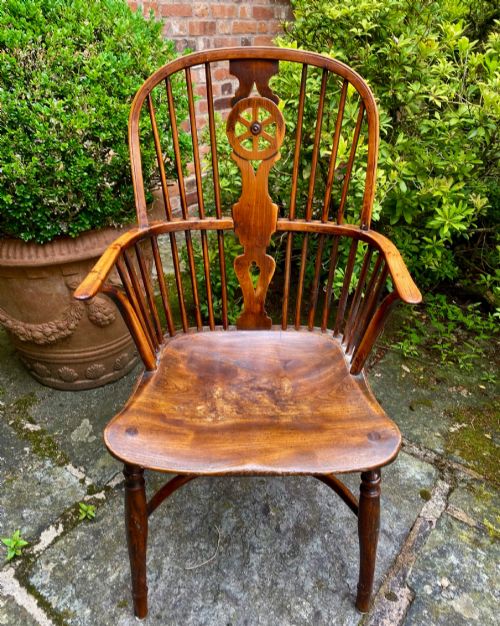
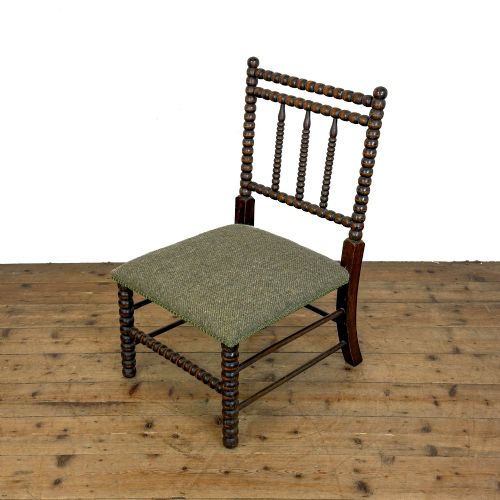
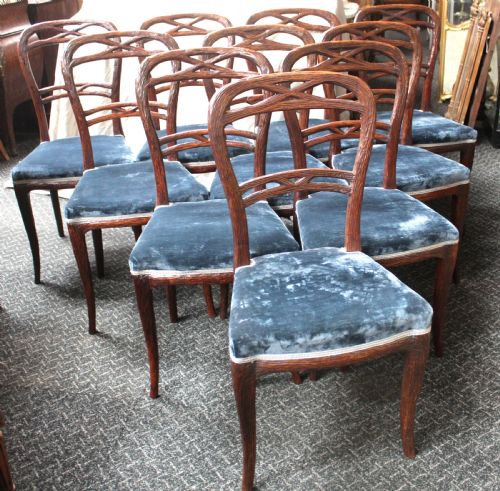
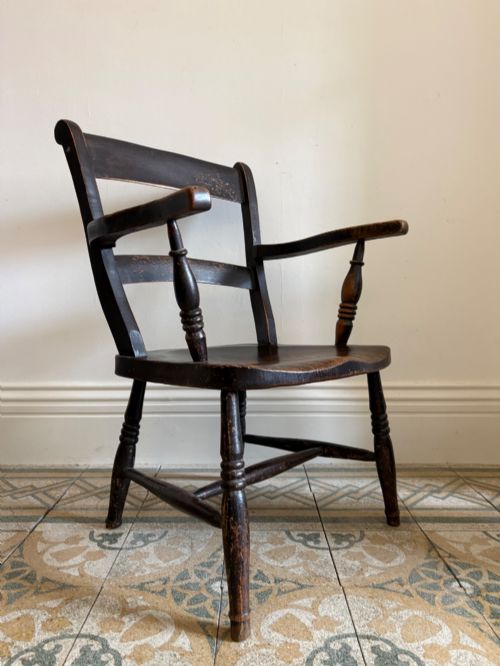


Rustic Wooden Accent Chair
A rustic wooden accent chair brings honest country character to a room through traditional timber construction and regional vernacular design.
Rustic Wooden Accent Chair
A rustic wooden accent chair encompasses vernacular seating designed primarily for domestic utility in rural homes, farmhouses and country cottages. These pieces prioritise functional comfort and sturdy construction over courtly refinement, utilising locally sourced timbers shaped by regional craftsmen.
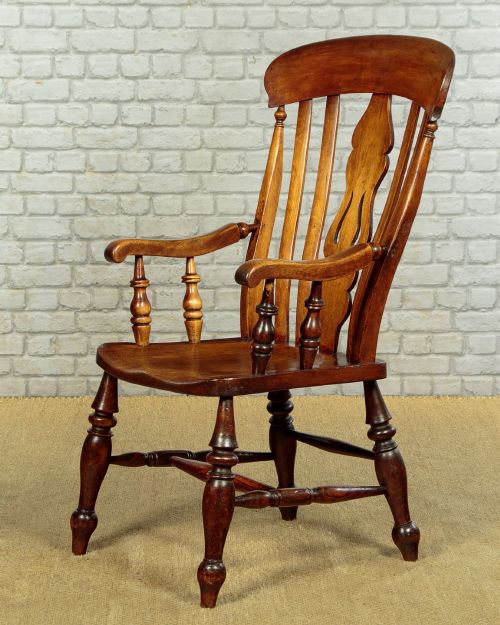
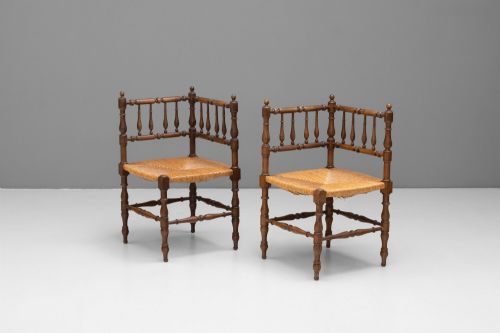
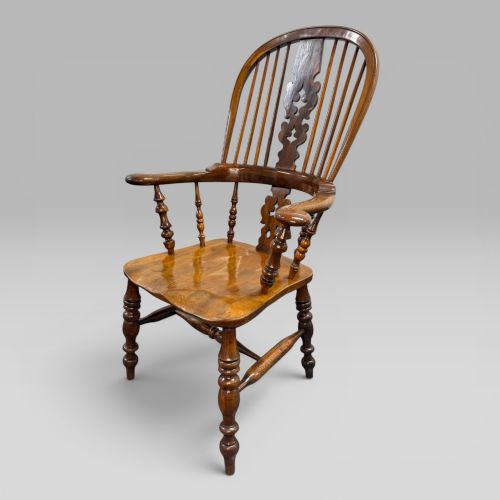
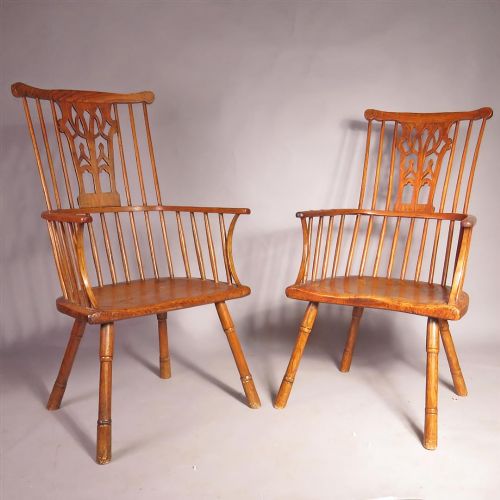
The selections available here lean heavily toward traditional Windsor armchairs, ladderback chairs and bobbin-turned designs originating across the eighteenth, nineteenth and early twentieth centuries. Side chairs, kitchen armchairs and occasional stools appear frequently alongside regional variants from English counties, Wales, Sweden and France.
Buyers seek these chairs to ground modern interiors with tactile warmth, visible wood grain and unpretentious form. Each piece carries the distinct imprint of country joinery, whether fashioned with a high comb back, a low elm seat or spindle turnings.
How they were made
Construction relies upon native hardwoods and softwoods such as elm, ash, oak, beech, yew and fruitwood, often combined within a single frame to exploit the specific properties of each timber. Elm frequently forms the shaped solid seats due to its resistance to splitting, while ash and beech provide flexible strength for spindles, legs and bow backs.
Joinery techniques follow traditional country methods including bodging, turning, mortise and tenon joints, and steam bending. Seats are typically saddled or scooped for comfort, and many incorporate rush seating or turned components fixed with wedges and pegs rather than modern adhesives.
What varies in quality
Quality in a rustic wooden accent chair rests upon the harmony of proportions, the integrity of the timber selection and the retention of original surface patination. Examples fashioned from desirable combinations like yew and elm, or those featuring sophisticated wheel backs and comb backs, demonstrate superior craftsmanship by master country joiners.
The survival of an uncompromised structural frame with minimal timber replacement distinguishes finer survivals from heavily restored utilitarian seating. Subtle details such as crisp turning on bobbin legs, well-balanced spindle spacing and deep patination accumulated through generations of use elevate certain pieces above standard vernacular workshop output.
Benjamin Gilling
The Rustic Wooden Accent Chair Glossary
- Windsor chair
- A chair built with a solid wooden seat into which the legs and back spindles are directly inserted. This design relies on a thick saddle-shaped wooden base for stability.
- Bobbin turning
- A method of lathe work that produces a series of rounded, spool-like shapes along the length of a furniture leg or stretcher. It appears frequently on seventeenth and nineteenth-century country seating.
- Ladderback
- A chair back constructed from horizontal wooden slats or rails positioned between two vertical upright posts. This traditional form offers strong lumbar support in vernacular kitchen and farmhouse seating.
- Rush seat
- A woven seating surface made from twisted dried marsh plants tied around a wooden frame. It provides a resilient and textured pad for country chairs and stools.
Rustic Wooden Accent Chair: Frequently Asked Questions
How do I date a country chair?
Dating a country chair requires examining the construction techniques, tool marks, timber choice and overall wear patterns. Eighteenth-century examples often feature deep patination, hand-carved saddle seats and pegged joinery unique to regional workshops.
Nineteenth and early twentieth-century pieces incorporate industrial advancements like steam bending alongside traditional hand-turning. Comparing the spindle layout, turning profiles and fastening methods helps narrow down the period of manufacture.
Are these chairs comfortable for daily use?
Most rustic wooden accent chairs are surprisingly comfortable due to ergonomically scooped wooden seats and carefully angled back spindles. Traditional Windsor and ladderback designs provide sturdy support suited for reading nooks or dining rooms.
Adding a loose sheepskin or a simple linen cushion softens the wooden seat for extended sitting. Their robust frames easily withstand regular daily use in modern living environments.
How should I care for antique timber?
Antique timber benefits from gentle cleaning using a soft, dry cloth to remove dust without damaging the historic surface finish. Avoid modern chemical polishes and keep wooden chairs away from direct heat sources and drastic humidity fluctuations.
Applying a traditional beeswax feed occasionally helps nourish dry wood and preserves the natural lustre of the grain. Proper placement ensures the antique surface retains its character for decades.