
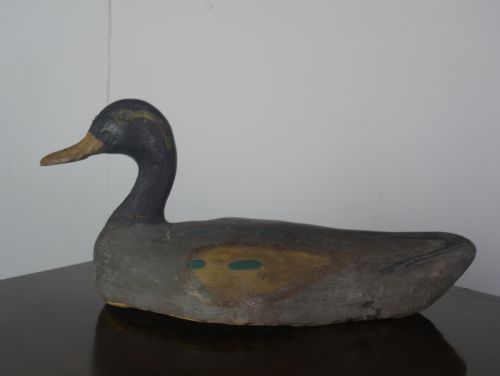


Rustic Wood Bird Sculpture
These rustic wood bird sculpture pieces bring tactile folk art character into a room through carved timber forms and weathered paint.
Rustic Wood Bird Sculpture
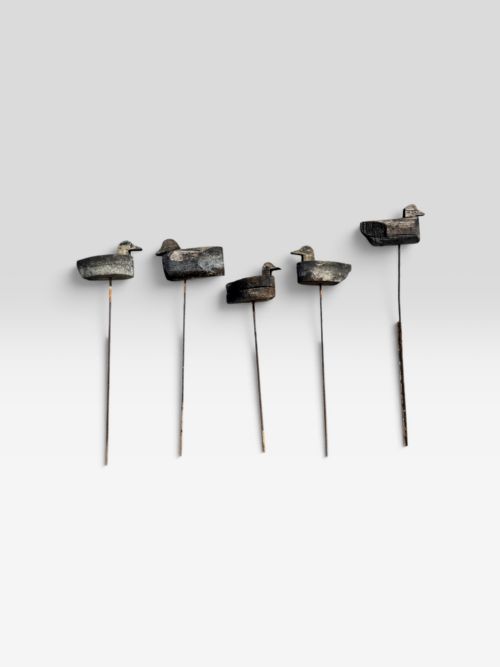
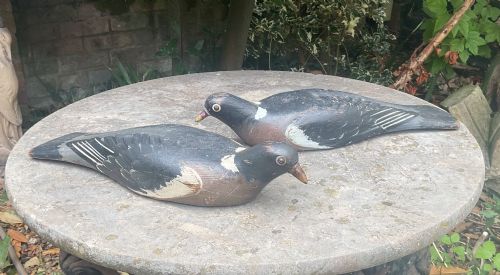
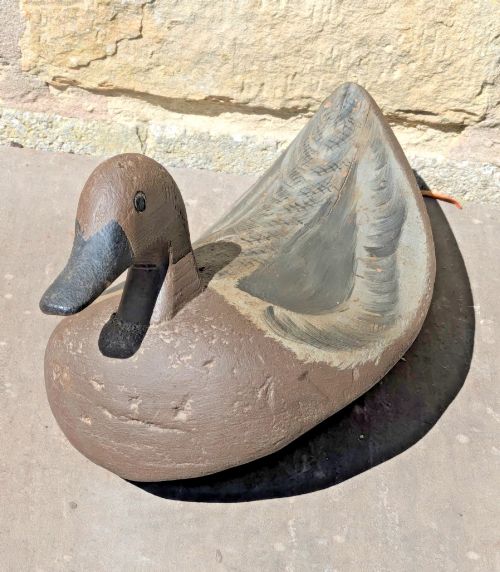
A rustic wood bird sculpture typically takes the form of a working decoy used for wildfowling or a decorative folk art carving. The selection on this page leans heavily toward utility pieces made for waterbirds and pigeons, shaped to attract game before finding a place on a shelf.
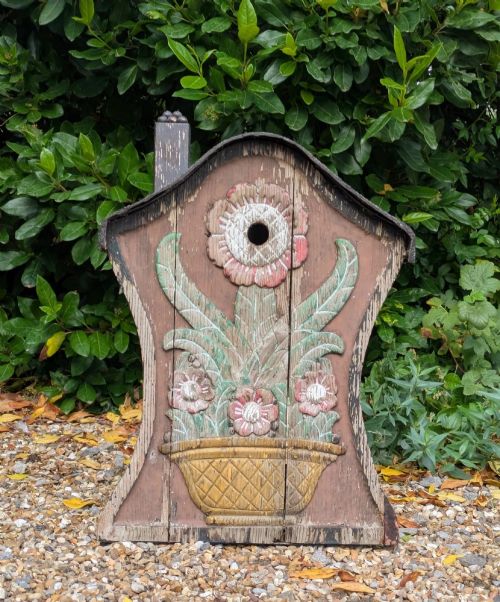
Makers fashioned these birds across several decades, ranging from nineteenth century examples to items dated around 1900, 1910, 1920, and 1930, alongside Edwardian creations. Forms include ducks, geese, pigeons, herons, and bird boxes.
Geographic origins span English, French, and Scandinavian country traditions, uniting diverse workshops under a shared vernacular of practical sculpture. Buyers find both paired groups and solitary figures, each retaining the utilitarian silhouette of its working past.
How they were made
Carvers shaped these sculptures directly from timber, utilising pine and general wood or heavy timber blocks to build the essential anatomy of a bird. Iron or metal components occasionally feature in the construction, particularly in fixings or structural reinforcement.
Listings span the nineteenth century through the 1930s, featuring folk art styles from English, French, and Scandinavian origins.
What varies in quality
Quality rests in the vigour of the carving and the integrity of the surface paint rather than smooth perfection or factory precision. A strong silhouette and expressive posture elevate certain examples above simpler production pieces.
The passage of time leaves natural wear that distinguishes honest working pieces from later imitations. The depth of the original paint layer and the character of the weathered timber determine the visual authority of each object.
The Rustic Wood Bird Sculpture Glossary
- Decoy
- A carved or moulded figure used to attract wild birds for shooting. These working objects form the foundation of most rustic bird sculptures.
- Folk art
- Utilitarian or decorative items made by self-taught or traditional craftsmen outside academic art circles. This style embraces direct carving methods and practical charm.
- Pine
- A softwood commonly utilised for carved sculptures and decoys due to its workable density. It takes paint readily and ages with a soft patina.
- Patina
- The surface sheen and colour acquired by wood and paint through age and handling. It serves as a visual indicator of authenticity.
- Edwardian
- Pertaining to the reign of King Edward VII, spanning the early years of the twentieth century. Pieces from this period share clean proportions and traditional craftsmanship.
Rustic Wood Bird Sculpture: Frequently Asked Questions
What is a rustic wood bird sculpture?
A rustic wood bird sculpture is a hand-carved decorative object or working decoy shaped from timber and finished with paint. These pieces capture avian forms with unpretentious folk art charm.
Most items in this category originated as working decoys for hunting waterfowl or pigeons before transitioning into interior decorative objects.
How do I identify the age of these carvings?
Age is identified by examining the tool marks left on the wood, the type of timber used, and the chemical composition or wear patterns of the surface paint. Nineteenth-century pieces often display hand-hewn surfaces that differ from later twentieth-century production.
Comparing construction styles against known periods such as the Edwardian era or the 1920s helps place an item within a broader historical timeline.
Were these birds used outdoors?
Many of these pieces began their working lives outdoors exposed to weather, water, and repeated handling by sportsmen. This functional history accounts for the weathered surfaces and flaking paint found on numerous examples.
Today, collectors house these objects indoors where stable humidity protects the aged wood and delicate remaining pigment from further environmental breakdown.
What woods were used for these sculptures?
Carvers typically utilised accessible regional timbers, with pine appearing frequently in carved figures and structural bird boxes. The choice of wood depended on what was locally available to the maker.
Heavier timbers provided necessary ballast for floating decoys, while lighter woods suited static decorative carvings intended for stationary display.
How do English and continental decoys differ?
English and continental pieces reflect regional folk art traditions through subtle variations in silhouette, paint application, and carving technique. French and Scandinavian country examples often emphasise distinct regional painting styles.
These geographic traits allow collectors to appreciate how different rural communities interpreted the same practical need for an avian decoy.