


Timber Bird Carving
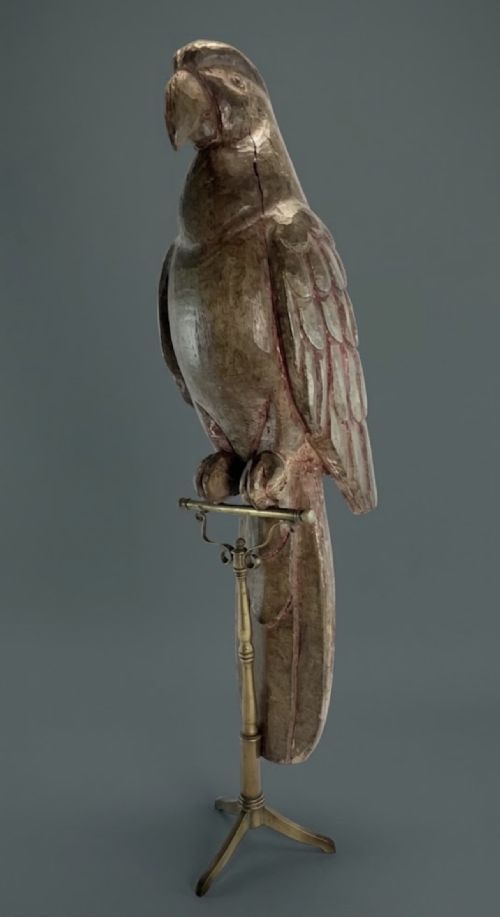
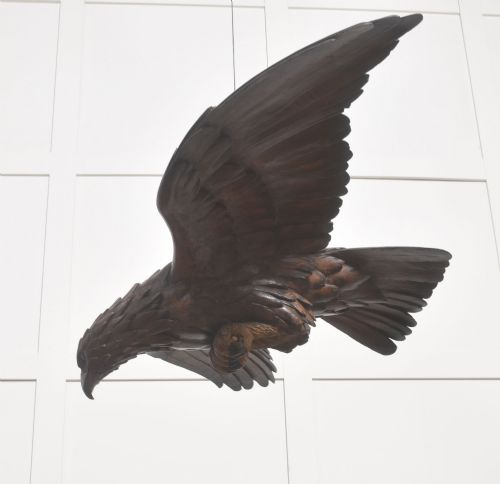
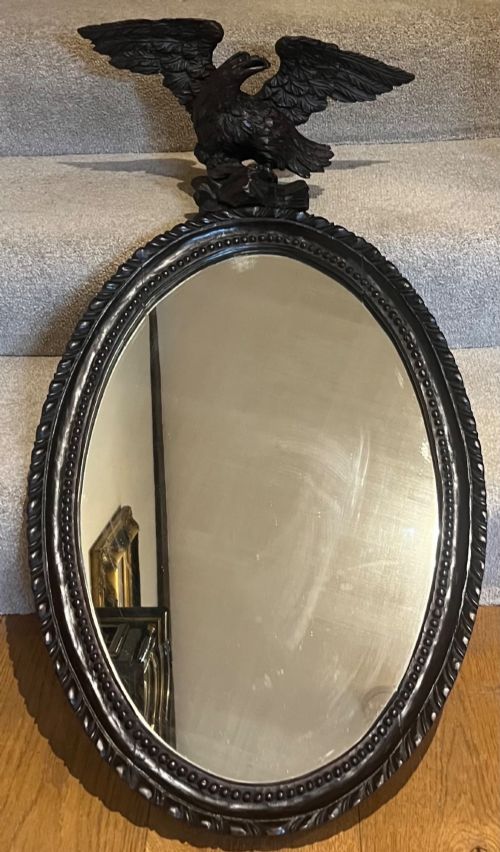
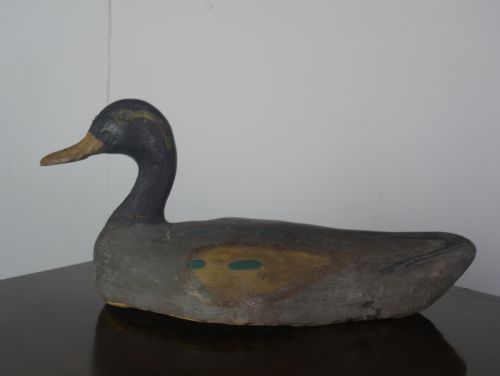
A timber bird carving brings the natural world indoors, taking the form of ducks, parrots, and eagles carved from wood.
Timber Bird Carving
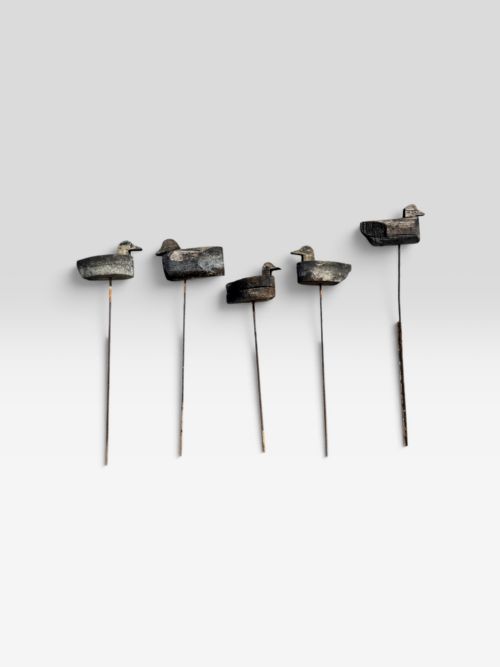
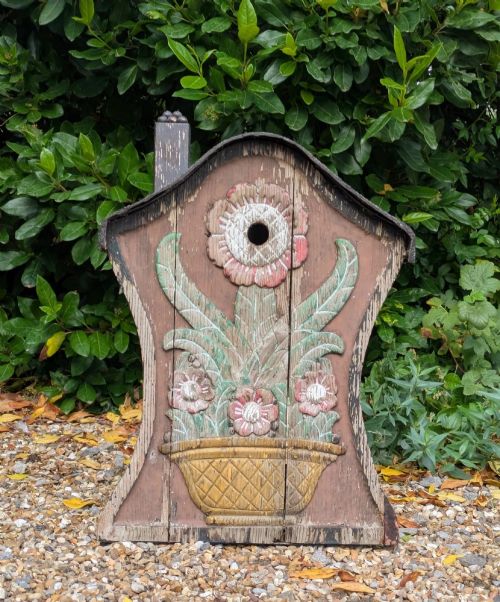
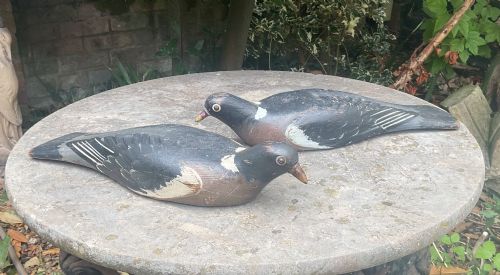
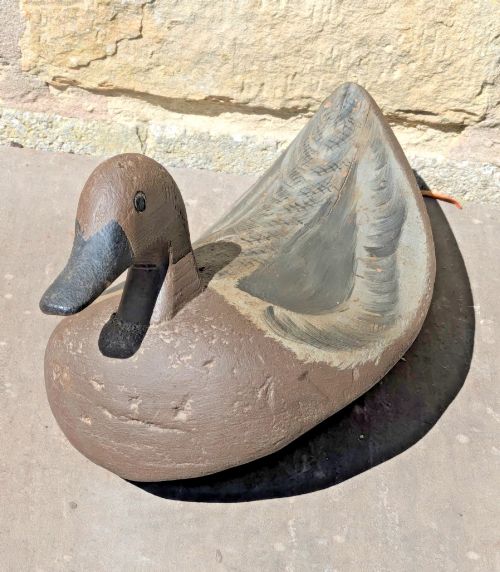
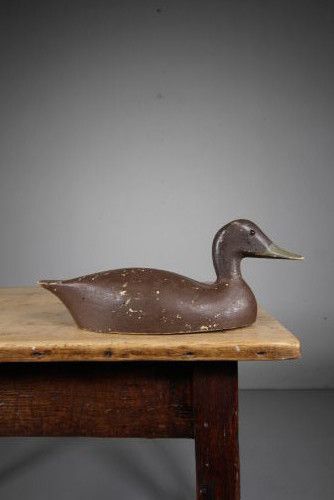
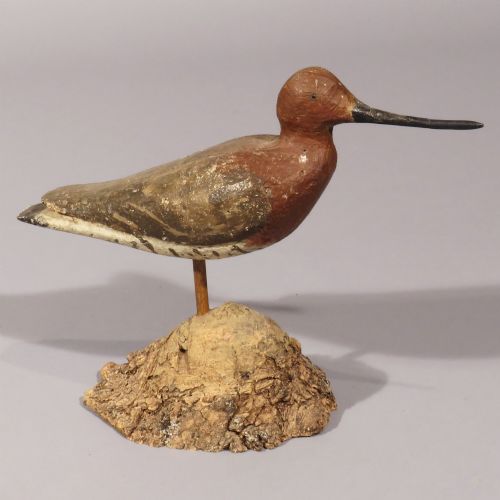
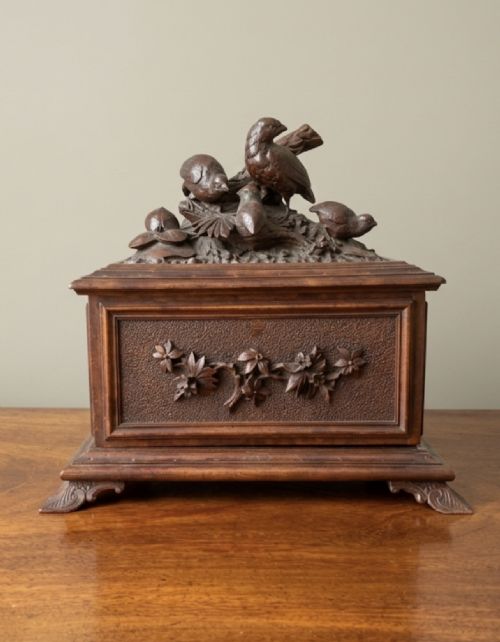
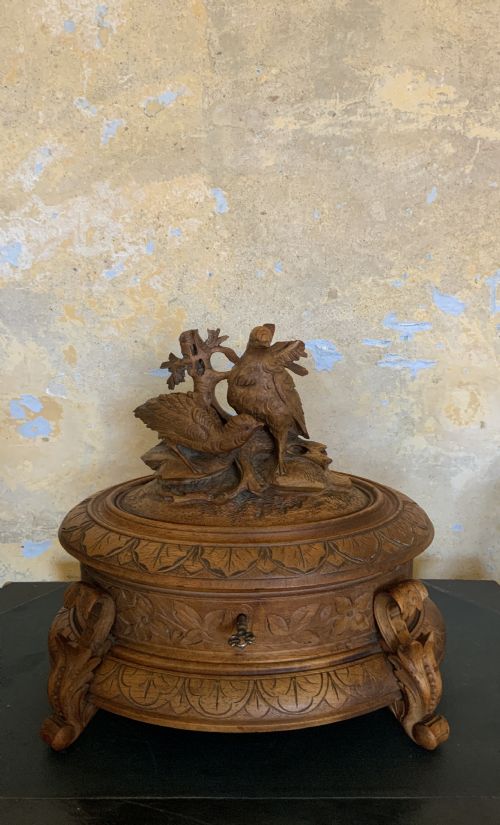
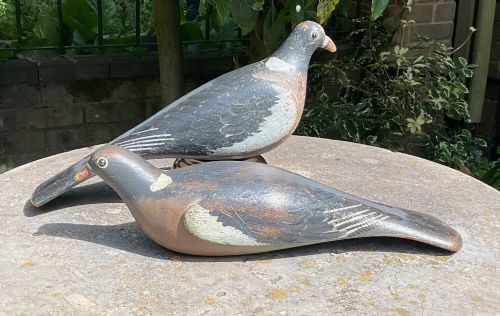
Forms range from simple painted duck and pigeon decoys to elaborate walnut caskets and stick stands featuring birds. Wall mirrors surmounted by carved birds also appear frequently.
Materials and methods
Carvers shaped these figures from various woods including pine, walnut, and general timber. Hand tools defined the feathers, bodies, and heads of each bird.
Paint was frequently applied to wooden decoys to mimic natural plumage, often using layered colours that wear over time. Glass eyes occasionally feature in bird carvings to add realism.
Some pieces integrate other materials such as brass stands, metal hardware, or giltwood finishes. Cabinets and mirrors use carved wooden panels assembled with traditional joinery.
Several wooden birds double as functional items, hiding inkwells or holding snuff inside their carved bodies.
Assessing quality
Anatomy and posture dictate success in avian carving, separating stiff blocks from pieces that capture natural movement. The rhythm of the tool marks reveals the carver's confidence and skill.
Original painted surfaces hold more visual depth than later overpainting, preserving the authentic character of working decoys. The crispness of carved feather detail determines the refinement of Black Forest pieces.
Gabriel Viardot
The Timber Bird Carving Glossary
- Decoy
- A carved and painted wooden figure used to attract wildfowl. These working objects often develop weathered patinas from outdoor use.
- Black Forest
- A nineteenth-century carving style originating in Switzerland and Germany. These pieces typically feature deep relief work depicting animals and foliage.
- Treen
- Small handmade wooden objects for domestic use. Snuff boxes and small containers fall into this category.
- Giltwood
- Wood that has been coated with gold leaf or gold paint. This finish appears on decorative wall elements and mirrors.
- Folk art
- Utilitarian or decorative objects made by self-taught or traditional makers. These items prioritise direct expression over academic convention.
Timber Bird Carving: Frequently Asked Questions
How were decoy ducks used?
Decoys were placed on water or shorelines by hunters to lure wildfowl within range. Their painted wooden bodies mimicked the silhouette and colour of real ducks or pigeons.
Over time, many working decoys transitioned from utilitarian tools to decorative folk art objects.
What is Black Forest carving?
Black Forest refers to heavily carved wooden items produced in central Europe during the Victorian era. They often incorporate realistic animals, birds, and natural foliage.
Common forms include cuckoo clocks, inkwells, humidor boxes, and large wall mirrors.
How do I care for wooden bird carvings?
Keep wooden carvings away from direct sunlight and sudden temperature changes to prevent cracking. Dust them gently with a dry, soft cloth.
Avoid using liquid polishes on painted decoys, as moisture can lift the historic surface pigment.