

Rustic Turned Leg Chairs
Rustic turned leg chairs bring vernacular warmth to a room through honest timber construction and simple vernacular forms.
Rustic Turned Leg Chairs
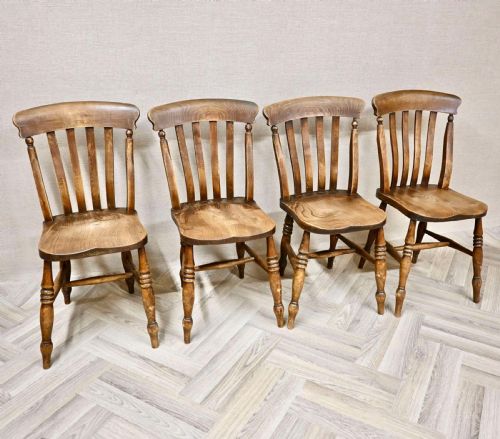
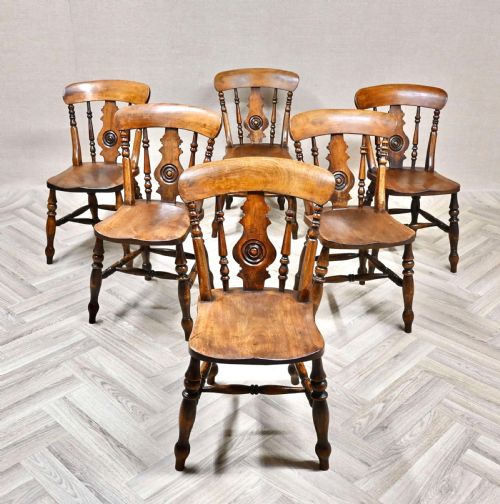
Rustic turned leg chairs encompass a wide variety of vernacular seating created for everyday use in kitchens, farmhouses, and country homes. These pieces emerge primarily from the eighteenth and nineteenth centuries, spanning Georgian, Victorian, and Edwardian periods.
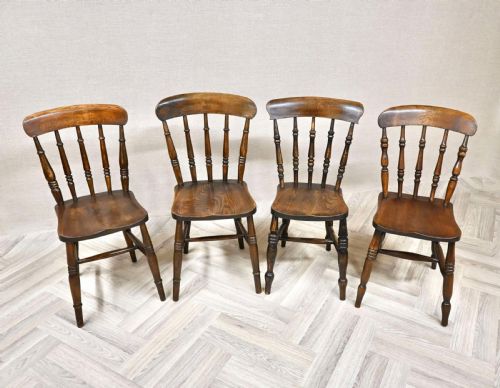
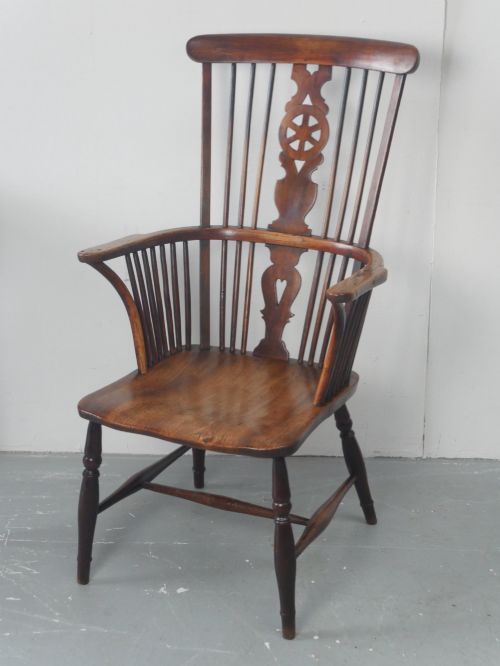
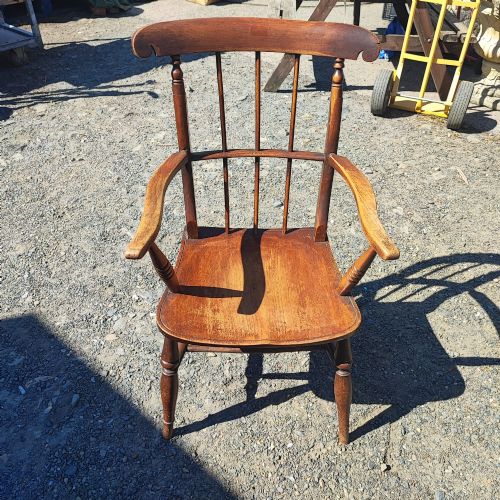
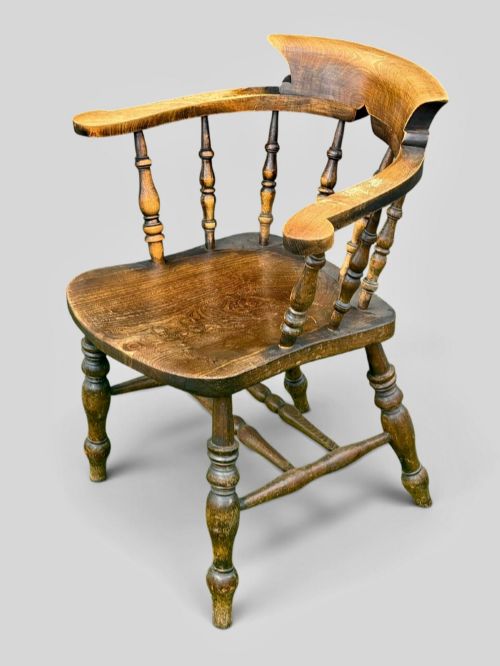
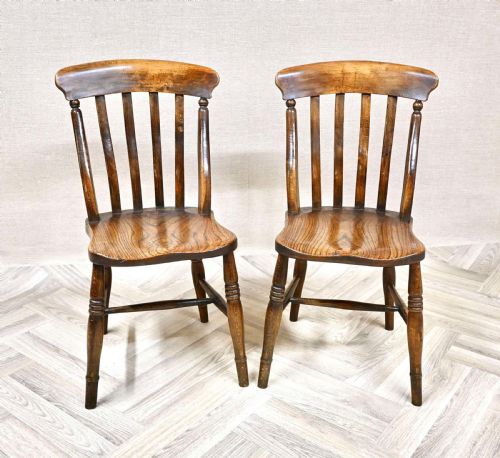
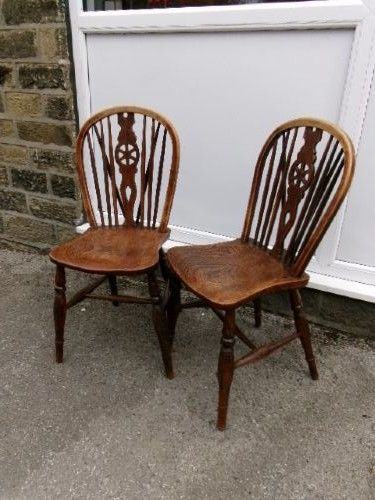
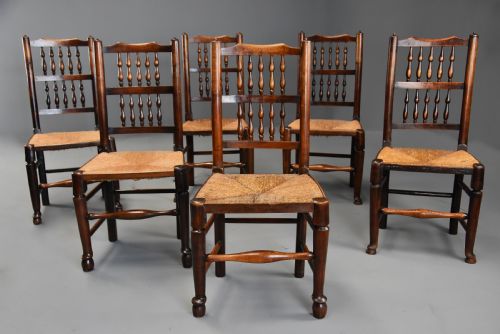
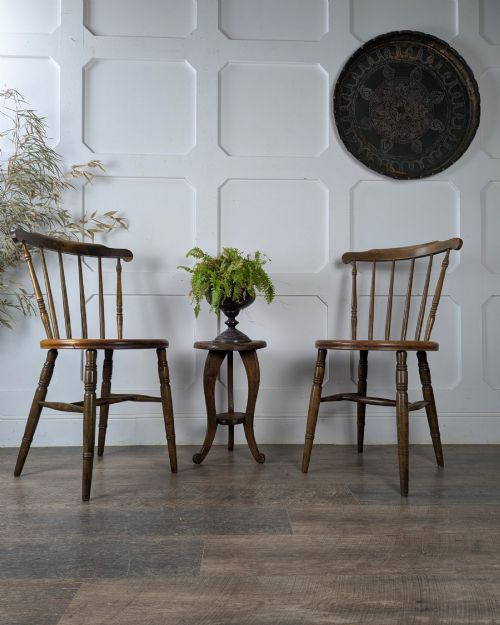
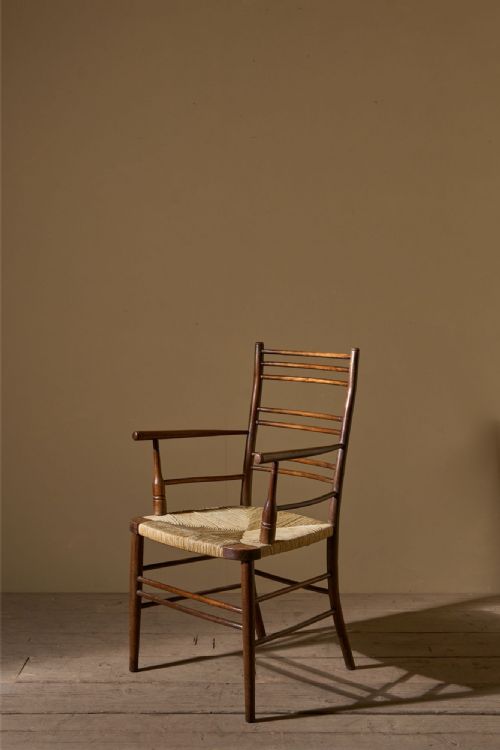
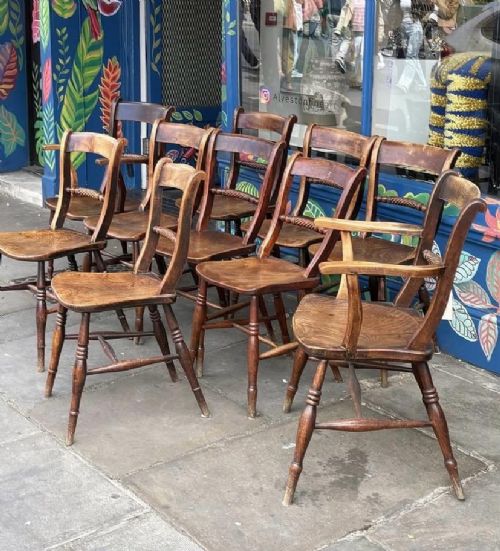
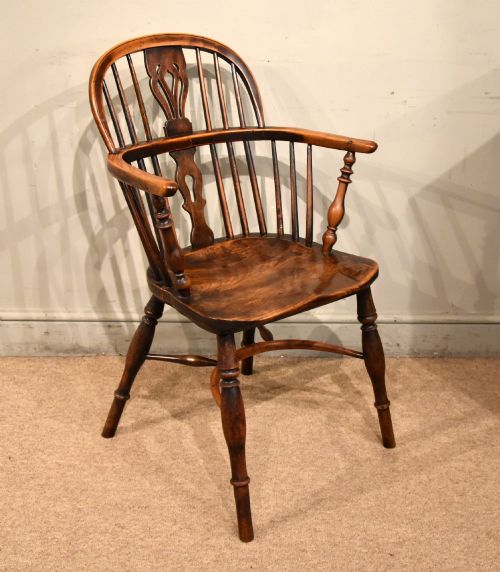
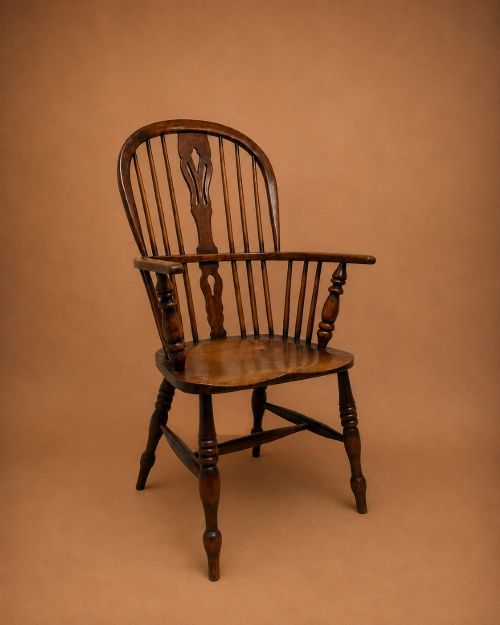
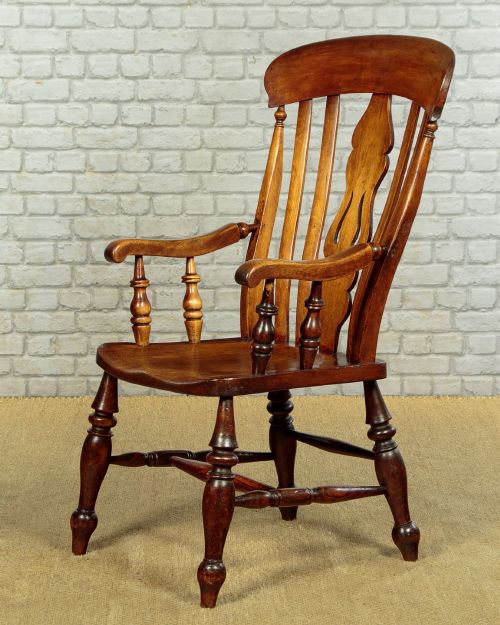
The selection on this page centres heavily on traditional wooden seating forms, including Windsor armchairs, stick backs, ladder backs, and bobbin turned side chairs. Makers utilised local timbers to construct practical dining chairs, carvers, and captains chairs that suited domestic life.
Construction and Materials
Cabinet makers and rural bodgers built these chairs using a combination of native hardwoods and softwoods suited to different parts of the frame. Elm provides a tough, splitting-resistant timber for sculpted seats, while ash, beech, and oak form strong spindles, legs, and bentwood hoops.
Turnery lathes shaped the distinctive legs and stretchers, creating bobbin, ring, and plain turned profiles that lock the underframe together firmly. Traditional joinery relies on wedged tenons and tapered joints rather than metal fixings, allowing the wood to move naturally over decades of use.
Listings feature eighteenth and nineteenth century periods, utilising native timbers such as elm, ash, beech, and oak across various regional forms.
Evaluating Quality and Character
The distinction between ordinary and exceptional examples rests upon the harmony of proportions, the selection of timber figure, and the survival of an untouched surface. Chairs retaining their original patination and grain depth display a visual honesty that over-restored pieces lack.
Structural integrity depends upon the tightness of the original joints and the degree of wear in the seat mortises. Master craftsmen achieved greater refinement in the thinning of Windsor hoops, the shaping of splats, and the comfort of the saddle seat.
The Rustic Turned Leg Chairs Glossary
- Windsor chair
- A chair built with a solid wooden saddle-shaped seat into which the legs, back spindles, and arms are directly socketed. This form developed deep regional variations across English counties during the eighteenth and nineteenth centuries.
- Bobbin turned
- A style of furniture leg or stretcher shaped on a lathe to resemble a series of wooden bobbins or spools end-to-end. This decorative turning technique appears frequently on seventeenth and nineteenth century vernacular seating.
- Smokers bow
- A low-backed Windsor armchair featuring a continuous curved armrail supported by turned spindles above the seat. These comfortable seats were common in country houses and rural inns.
- Rush seat
- A seating surface woven from dried marsh rushes or sedge over a wooden frame, creating a textured and resilient pad. This technique appears widely on traditional ladder back and country side chairs.
- Stick back
- A chair design where plain or steam-bent wooden rods form the back rest rather than a solid central splat. These clean lines characterise many nineteenth century vernacular kitchen chairs.
Rustic Turned Leg Chairs: Frequently Asked Questions
What is a rustic turned leg chair?
These are traditional wooden seats created by regional makers using locally sourced timbers for everyday domestic utility. They include Windsor forms, ladder backs, and turned frame chairs.
Their appeal lies in the straightforward construction and the warmth brought by honest materials like elm, ash, and oak.
How do I date an old wooden chair?
Dating relies on observing construction methods, tool marks, timber choice, and the overall style evolution from the eighteenth into the twentieth century. Regional vernacular pieces often retain traditional methods long after urban workshops adopted new technologies.
Examining the wear patterns and the method used to fix the legs into the seat helps determine the era of manufacture.
Are these chairs comfortable for daily dining?
Many country chairs feature saddle-moulded wooden seats shaped to fit the body comfortably during long sittings around a kitchen table. Adding loose cushions can enhance comfort while preserving the antique timber surface.
Armchair versions provide supportive armrests, while side chairs fit neatly beneath standard dining tables.
How should I care for antique wood furniture?
Maintain these pieces by keeping them away from direct heat sources and sudden humidity changes that cause timber to split. Regular dusting with a dry cloth and occasional application of beeswax preserves the natural patina.
Avoid modern liquid polishes containing silicones, which build up harmful layers on historic surfaces.