





Rustic Timber Hall Bench
A rustic timber hall bench brings substantial utility and plain architectural character to an entryway, spanning 16th century forms to Edwardian examples.
Rustic Timber Hall Bench
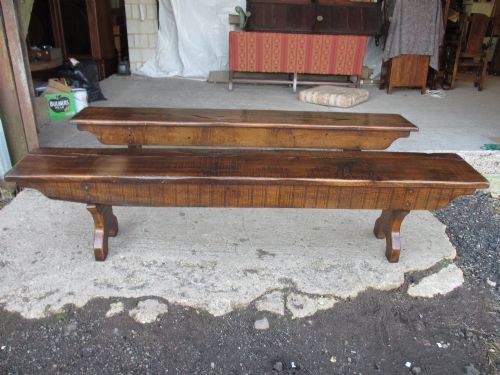
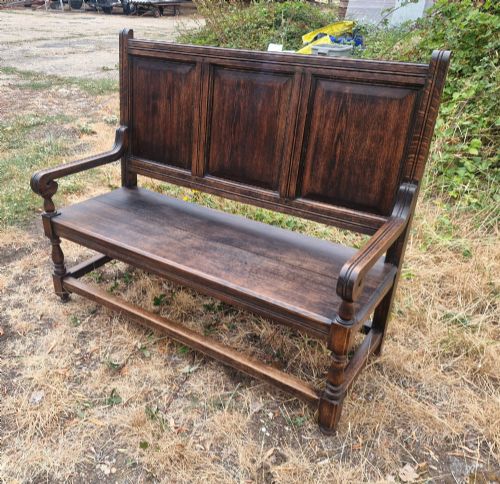
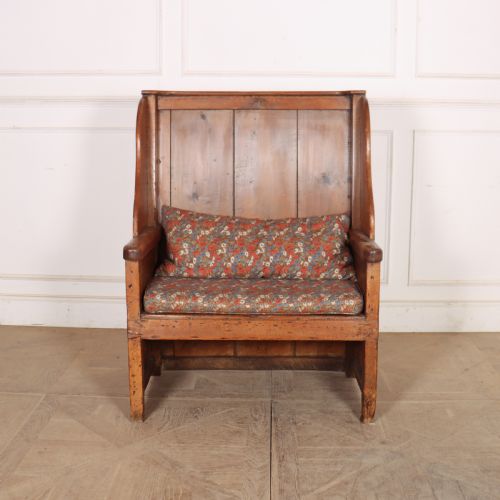
A rustic timber hall bench offers a practical seating option designed for corridors, hallways, and living spaces, drawing upon centuries of practical furniture tradition. When exploring a rustic timber hall bench, buyers encounter forms ranging from high-backed oak settles to long elm benches and scrubbed sycamore variants.
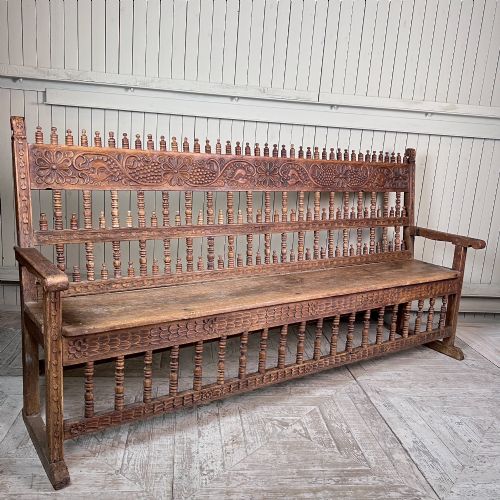
The selection encompasses regional styles such as French provincial, English country, and Spanish colonial pieces. Makers across periods utilised native timbers to construct robust seating solutions suited for heavy daily use.
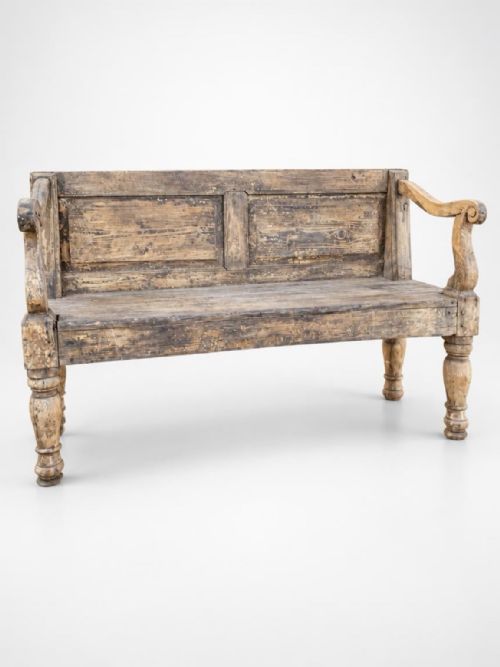
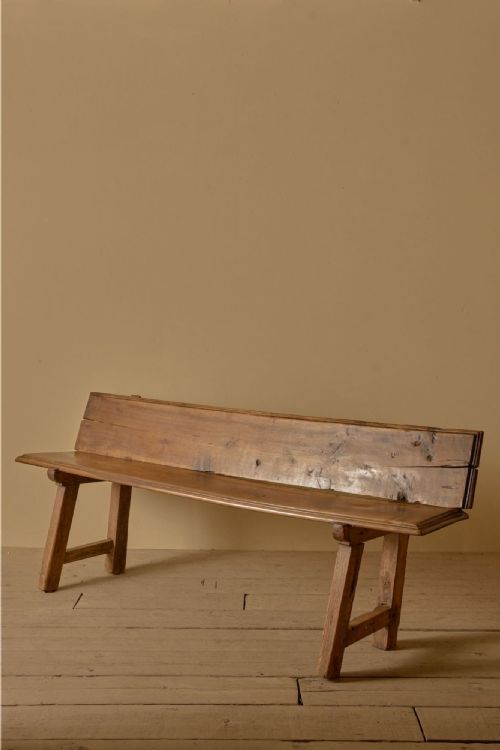
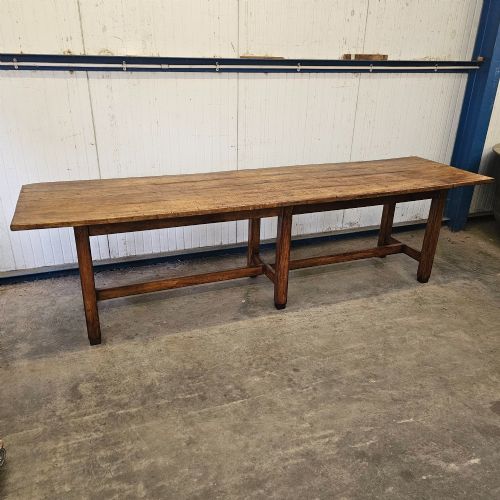
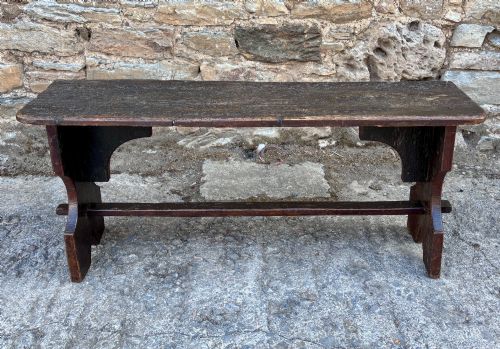
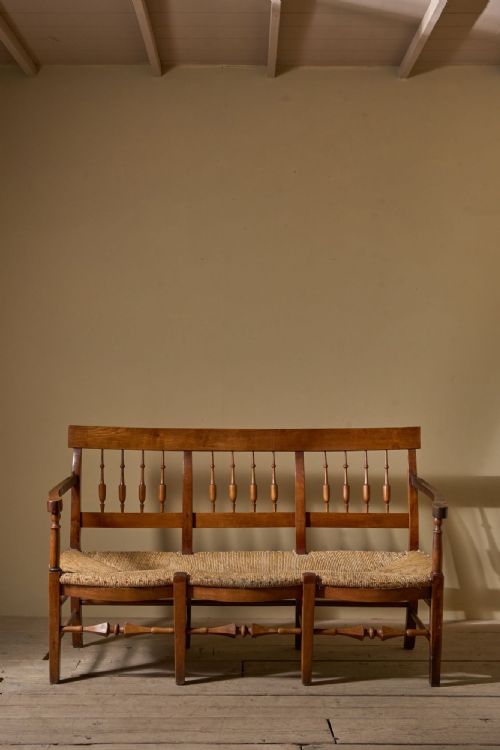
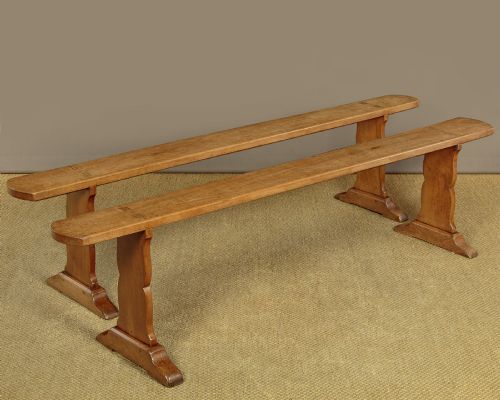
Examples span several eras, including the 16th century, 18th century, 19th century, and Edwardian periods. Pieces take the shape of settle benches, hall seats, and dining benches, incorporating trestle ends or panelled construction.
How they were made
Makers constructed these benches primarily from solid hardwoods and softwoods such as oak, pine, elm, chestnut, cherrywood, and sycamore. Carpenters often integrated iron components for structural reinforcement on heavy items.
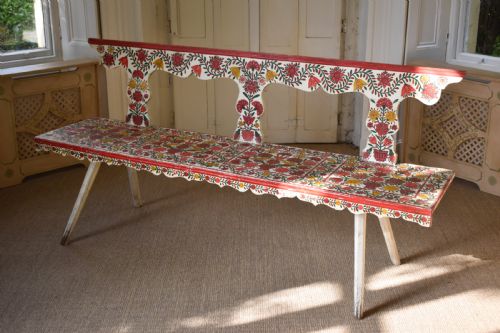
Construction techniques involve pegged mortise and tenon joints, panelled backs, and shaped trestle ends designed to withstand substantial weight. Certain pieces feature original painted surfaces, bleached finishes, or folk art carvings executed directly into the timber.
Rustic Timber Hall Bench Retail Price Guide 2026
Typical asking prices for rustic timber hall bench among the pieces listed under this phrase on Sellingantiques today, from the lower quarter to the upper quarter. They describe what is for sale here now, not the wider market.
What varies in quality
The architectural integrity of the frame and the retention of original timber surfaces distinguish individual examples. Benches displaying untouched patination, original paint, and period joinery represent the upper tier of craftsmanship.
Proportion and scale dictate the visual impact within a hallway, where substantial length or unusual forms such as high-backed settles elevate desirability. The choice of dense hardwoods like oak or chestnut against softer pine introduces variance in weight and durability.
The Rustic Timber Hall Bench Glossary
- Settle
- A wooden bench with high back, solid arms, and often a box base intended to block draughts in historical interiors. These pieces frequently served dual purposes for seating and storage.
- Trestle
- A structural support consisting of a horizontal beam fixed to two flared legs. This method provides robust stability for long dining benches and heavy hall seating.
- Patina
- The surface sheen and colour acquired by timber through decades of handling, polishing, and environmental exposure. Collectors value this indicator of age and genuine use.
- Bleached
- Wood treated to lighten the natural tone, revealing the grain structure while removing darker historical finishes. This treatment appears frequently on oak and chestnut examples.
- Rush
- A wetland plant material woven to create resilient seat pads. Rush seating is traditionally found on provincial chair and bench forms.
Rustic Timber Hall Bench: Frequently Asked Questions
Where should I place a hall bench?
These benches fit naturally in wide corridors, entrance halls, and boot rooms where long or high-backed forms anchor the space. They provide practical seating for putting on shoes while establishing a distinct period character.
Ensure you measure the walkway carefully, as many historical examples feature considerable length or protruding settle backs that require ample clearance.
How do I care for antique timber?
Maintain the wood by applying natural beeswax sparingly and buffing with a soft cloth to preserve the surface sheen. Avoid placing timber furniture near direct heat sources to prevent splitting.
Keep humidity levels stable in the room to protect historical joinery and original painted or bleached finishes from degrading.
What is the difference between a settle and a bench?
A settle incorporates a high panelled back and solid side arms designed to shield occupants from cold draughts in historical homes. Standard benches offer open seating without the high protective back structure.
Settles often include enclosed box bases beneath the seat for storing household goods, whereas benches rely on open underframes or trestle ends.
How can I tell the age of a wooden bench?
Examine the construction methods, tool marks, and wood species to determine the likely period of manufacture. Hand-cut peg joints, surface wear patterns, and the depth of the timber patina offer key clues to dating.
Compare the proportions and stylistic details, such as regional folk carvings or provincial turned elements, against documented examples from the same era.