



Rustic Storage Unit
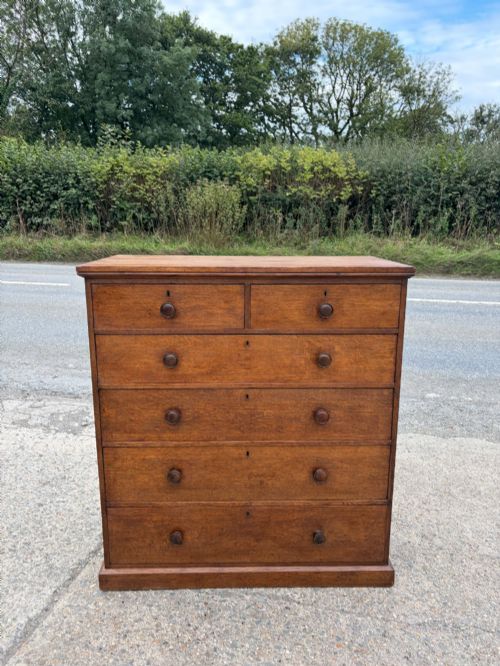
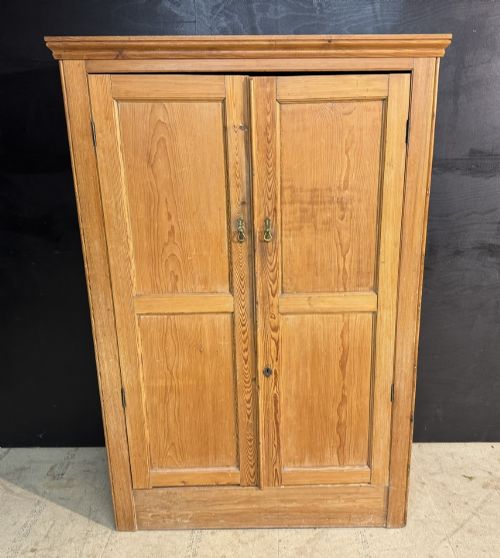
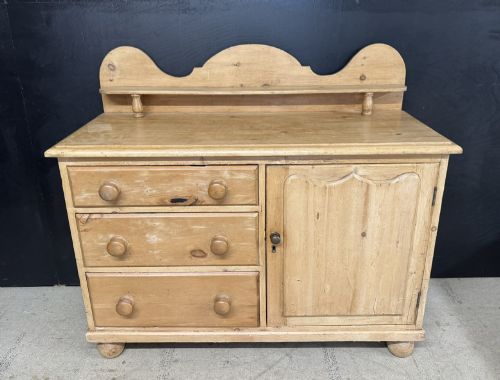
A rustic storage unit brings practical utility and warmth to a room, offering sturdy pine dressers, oak chests of drawers and painted cupboards built for daily use.
Rustic Storage Unit
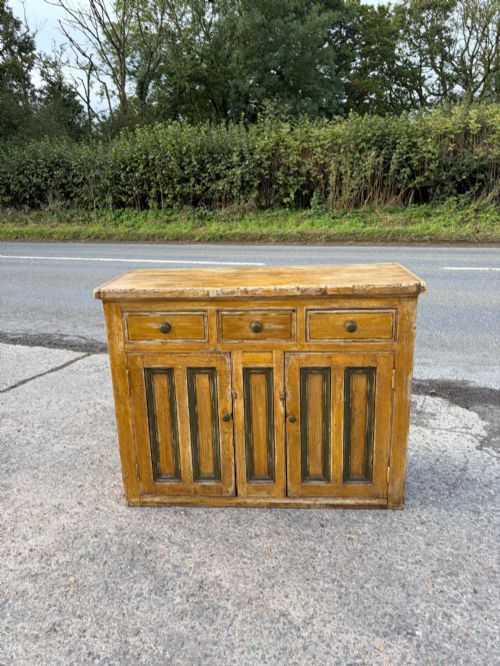
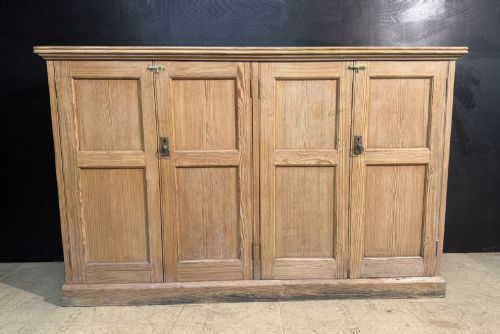
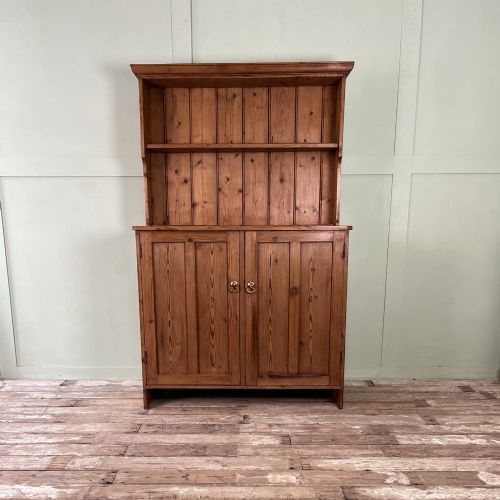
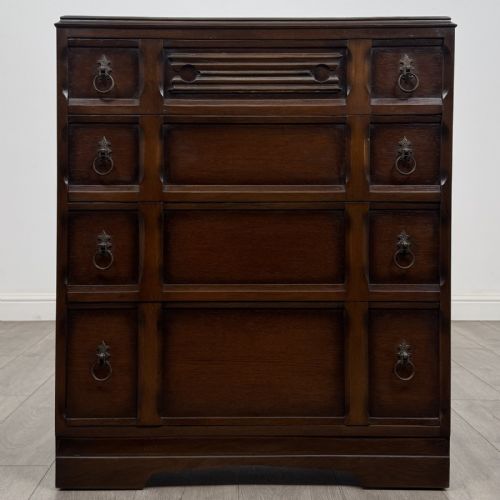
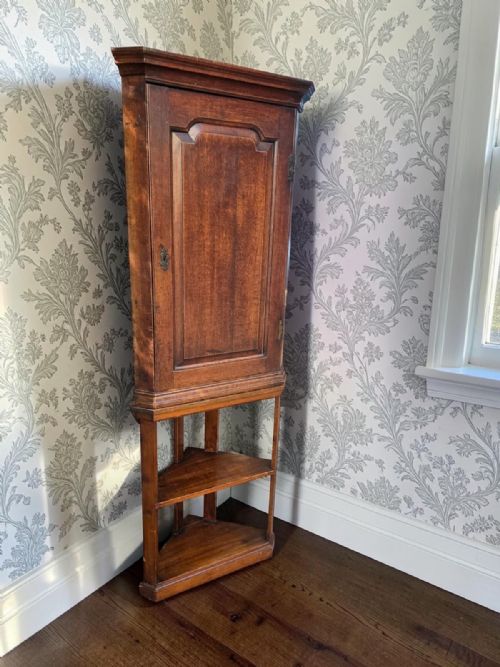
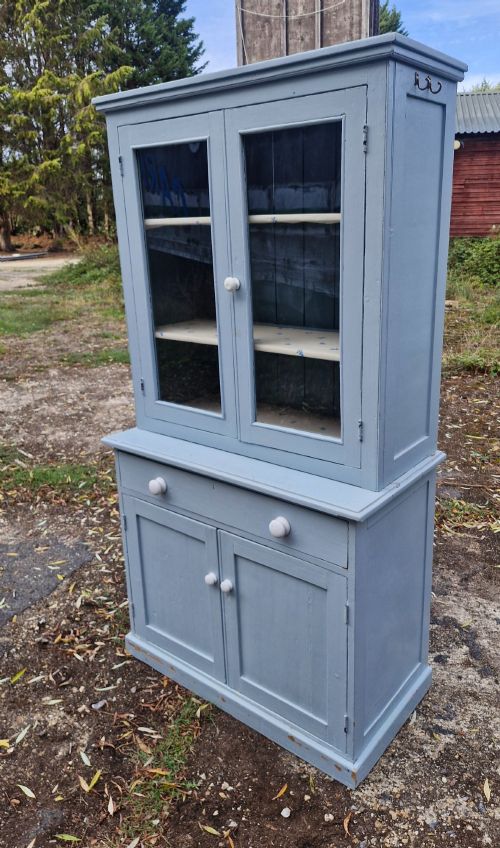
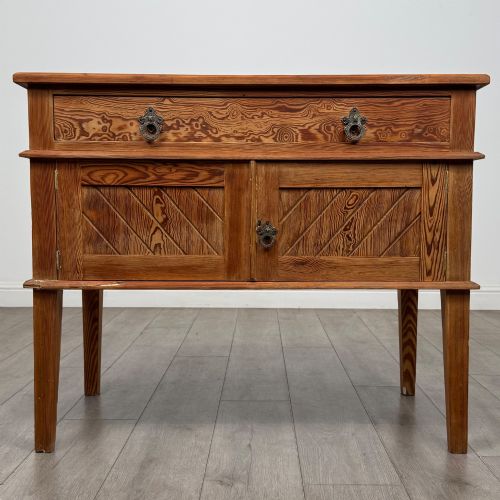
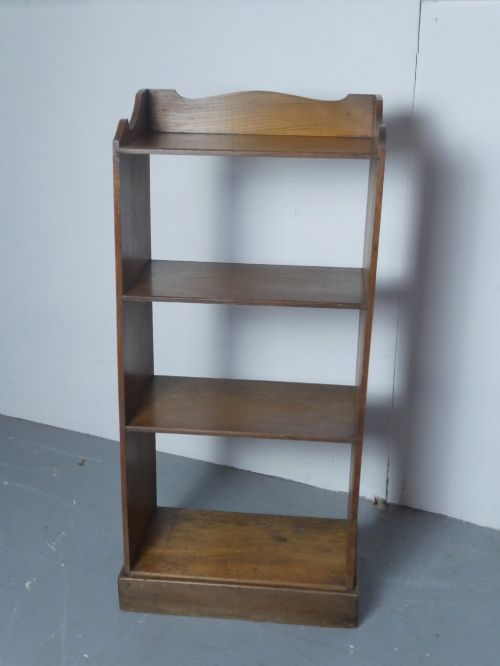
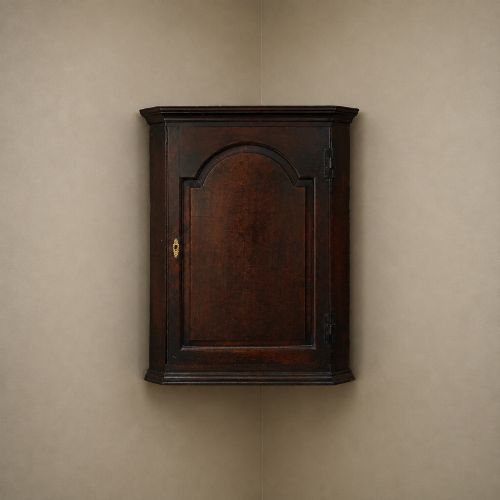
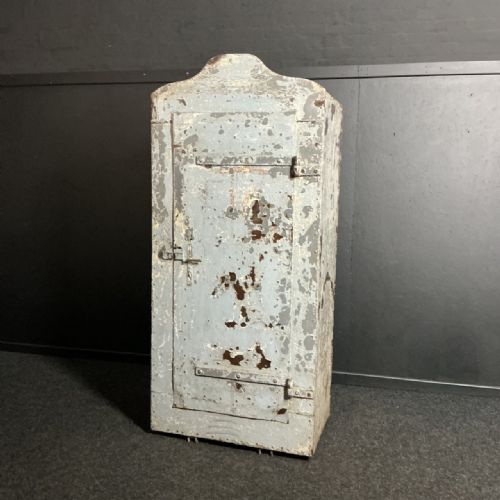
A rustic storage unit takes many forms across this selection, appearing most frequently as pine chests of drawers, kitchen dressers, and corner cupboards. These items originate from periods spanning the Georgian era through to the early twentieth century, reflecting domestic utility in town and country homes alike.
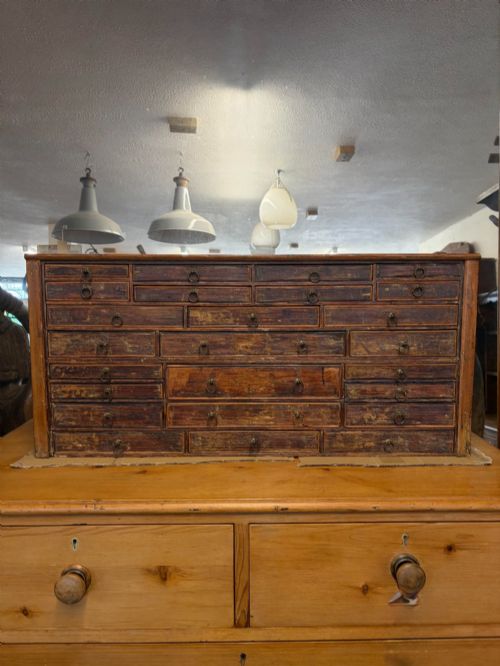
Buyers encounter regional pieces such as Scottish shoe racks, Irish chests, and English country cupboards, alongside occasional examples from further afield like Indian reclaimed teak storage cabinets. The forms serve straightforward domestic purposes, from housing provisions in larder cupboards to organising papers in banks of drawers and pigeon holes.
The aesthetic leans towards functional simplicity, encompassing Victorian country styles, French provincial furniture, and industrial metalwork. Whether choosing a two-part kitchen cupboard or a wall-hanging corner cabinet, the focus rests on honest construction designed to withstand generations of use.
How they were made
Makers relied primarily on timbers such as pine, oak, and teak, selecting softwood for painted kitchen furniture and durable hardwoods for cabinetry and chests. Construction often involved pegged joints, dovetailed drawer boxes, and fielded panels that accommodated the natural movement of solid wood over time.
Iron and brass hardware provides structural support and operation, appearing as knob handles, hinges, and strapwork on cupboards and dressers. Surfaces were treated with paint, wax, or left as polished timber, allowing the grain and signs of age to remain visible.
Rustic Storage Unit Retail Price Guide 2026
Typical asking prices for rustic storage unit among the pieces listed under this phrase on Sellingantiques today, from the lower quarter to the upper quarter. They describe what is for sale here now, not the wider market.
Common forms include corner cabinets, kitchen dressers, chests of drawers, and pigeon holes.
What varies in quality
Quality in a rustic storage unit depends on the integrity of its timber and the retention of original structural elements, such as backboards, shelves, and hardware. Pieces exhibiting thoughtful proportions and clean joinery stand apart from utilitarian items built strictly for speed.
The condition of the surface finish plays a significant role, distinguishing items with patinated original paint or wax from those stripped down or heavily altered later in life. Uncompromised interior fittings, like intact pigeon holes or adjustable shelving, elevate the standing of a cabinet.
The Rustic Storage Unit Glossary
- Raised gallery
- A low wooden upstand positioned along the top rear edge of a chest of drawers to prevent items from sliding off.
- Larder cupboard
- A tall ventilated storage piece traditionally used in kitchens for keeping food cool and protected.
- Fielded panel
- A central wooden panel with bevelled edges designed to fit into a grooved frame, allowing the wood to expand and contract.
- Pigeon holes
- A series of small compartment spaces arranged within a larger frame or desk for sorting letters and documents.
- Bow front
- A convex curved cabinet front that projects outwards in an arc.
Rustic Storage Unit: Frequently Asked Questions
What periods do these storage units come from?
The pieces span multiple centuries, including Georgian, Victorian, and early twentieth-century eras.
Craftsmen built these items using traditional domestic timbers like oak and pine.
How were these cupboards originally used?
They served practical roles in domestic spaces, functioning as kitchen dressers, larder cupboards, and hall storage.
Many housed provisions, clothing, or household goods in farmhouse and town settings.
Are these units made from solid wood?
Construction relies heavily on solid timbers such as pine, oak, and teak rather than modern manufactured boards.
Joinery techniques typically include dovetailing for drawers and panelled doors.
How do I identify a Georgian piece?
Georgian examples often feature formal proportions, architectural mouldings, and specific forms like bow front corner cupboards.
Timber choice in this period frequently centres on figured oak.