
Rustic Stool Seat
A rustic stool seat offers solid everyday utility, built from honest timber to serve in taverns, workshops and country hearths.
Rustic Stool Seat
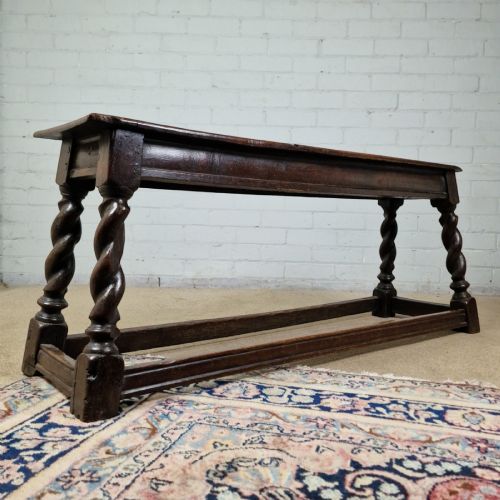
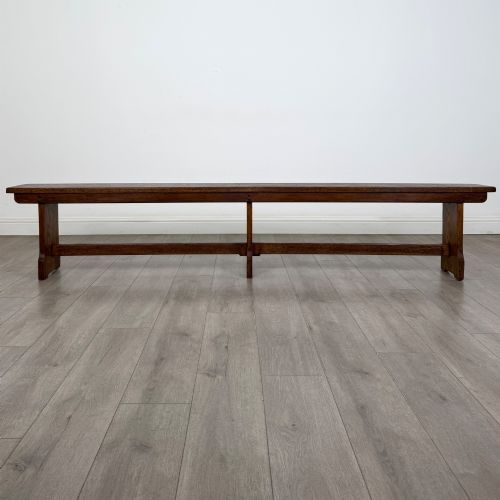
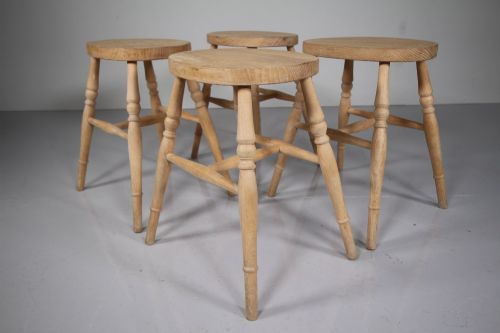
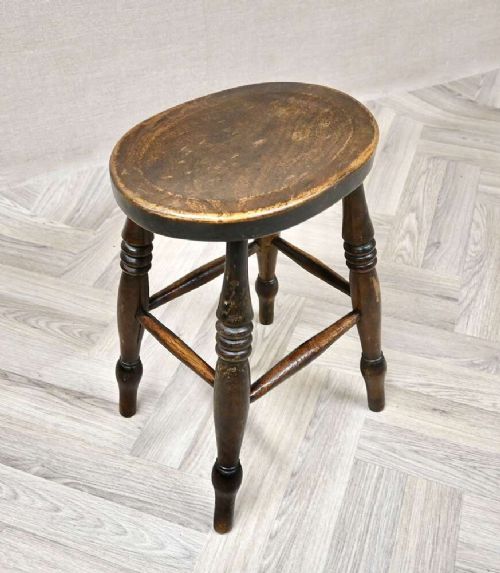
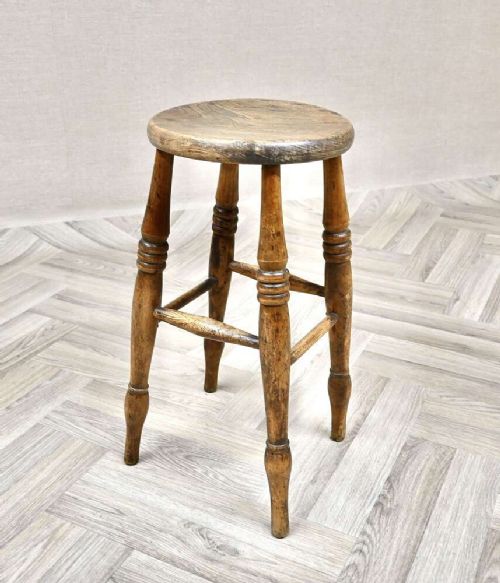
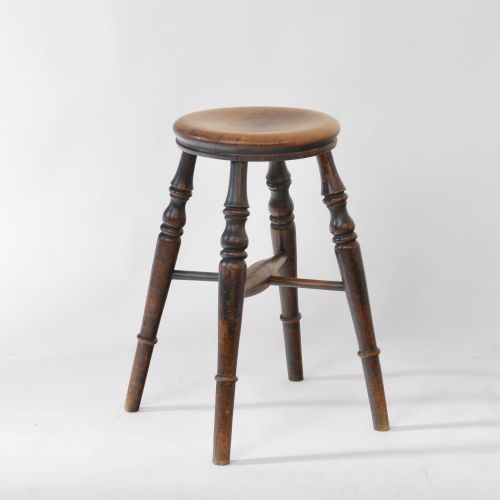
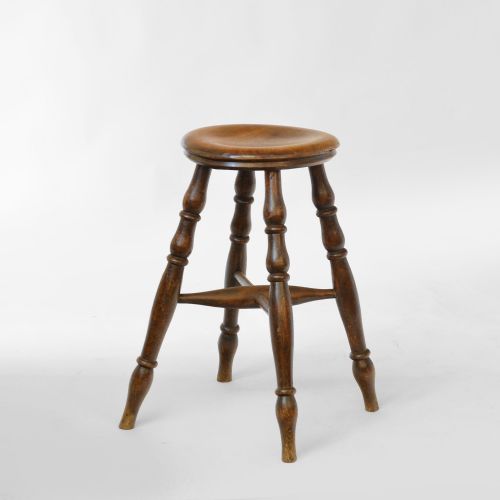
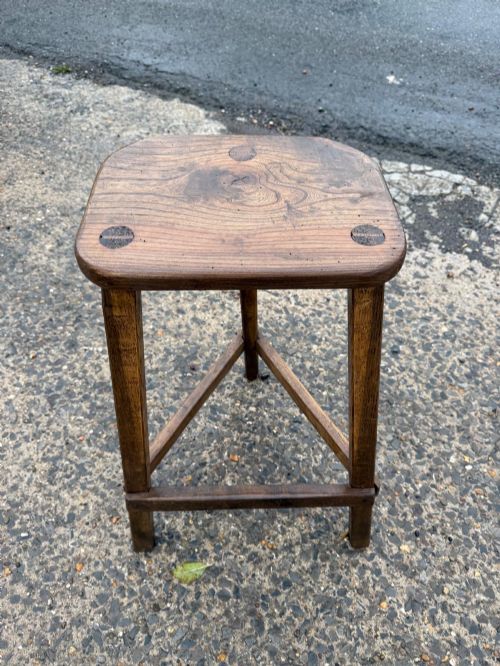
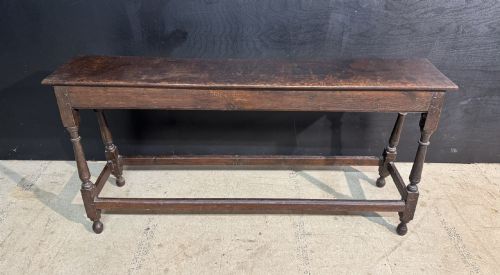
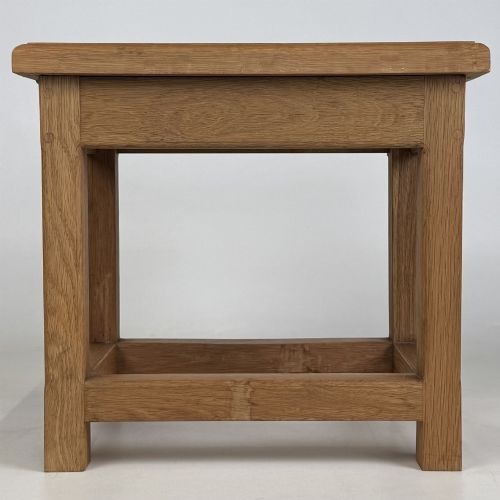
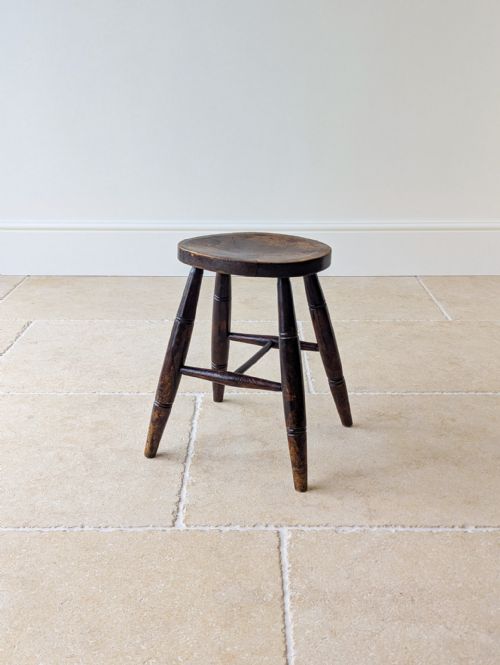
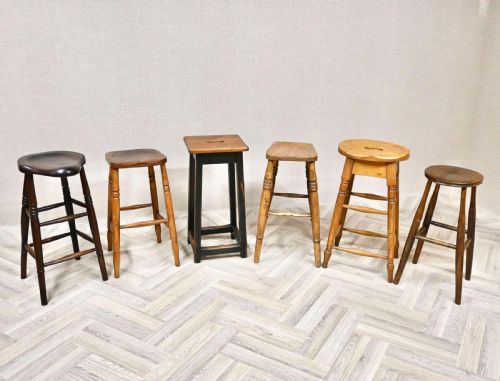
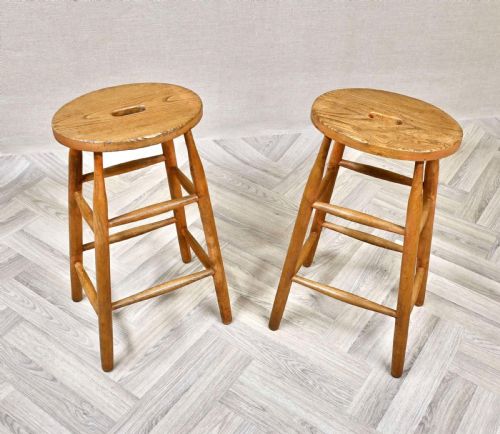
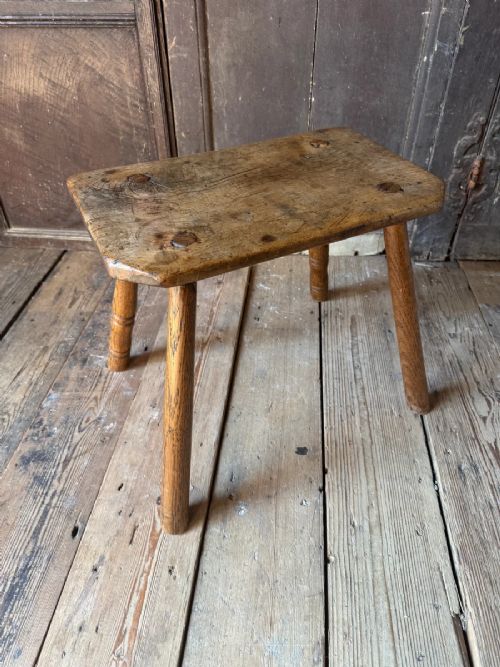
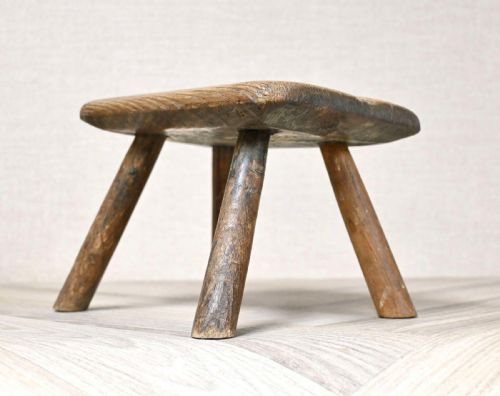
A rustic stool seat brings together unpretentious domestic utility and vernacular design, shaped for hard work in kitchens, pubs and farmhouses. When you search for a rustic stool seat, you encounter forms ranging from low milking stools with shaped tops to tall bar stools and long tavern benches.
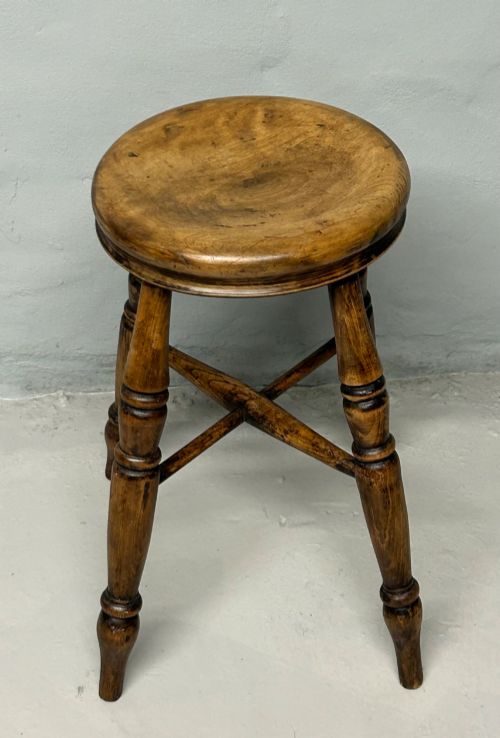
The pieces appearing on this page span the Georgian, Victorian and Edwardian eras, alongside early twentieth-century examples in elm, pine and oak. You are most likely to meet nineteenth-century vernacular pieces featuring simple wooden seats supported by sturdy turned or splayed legs.
Makers shaped these utilitarian objects for specific tasks, producing clerk's stools, machinist seats and organ benches alongside standard domestic seating. Their appeal lies in plain construction and practical forms that reflect regional British and European country traditions.
Materials and construction methods
Craftsmen built these pieces using native timbers such as oak, elm, sycamore, beech and pine, selecting woods based on local availability and structural strength. Elm and sycamore frequently formed the solid carved tops, offering resistance to splitting under heavy daily use.
Makers utilised traditional joinery techniques, turning legs on lathes and securing them into bored seats with wedges or wedged tenons for lasting stability. Surfaces were left plain or finished with early paint layers, rush weaving or simple wax polishing that aged gracefully through generations of use.
Listings feature timbers including oak, elm, pine, beech and sycamore across the Georgian, Victorian and Edwardian periods.
Assessing quality in country seating
Quality in a rustic stool seat rests upon the integrity of its timber and the retention of its original surface character. Examples retaining untouched ochre or green paint, or surfaces with deep natural patination, hold greater interest than stripped or overly restored alternatives.
Structural honesty and balanced proportions separate utilitarian survivals from lesser items. A well-balanced stance with tight joints and minimal replacement parts demonstrates superior craftsmanship within humble vernacular traditions.
Jack Grimble
The Rustic Stool Seat Glossary
- Vernacular furniture
- Objects made by local craftsmen for everyday use rather than following high-style academic designs. These pieces rely on regional materials and practical solutions.
- Joint stool
- A sturdy wooden seat constructed with mortise and tenon joints pegged together. They pre-date common use of chairs and served multiple domestic purposes.
- Dished top
- A seat surface hollowed out into a shallow concave bowl for seating comfort. This carving technique appears frequently on nineteenth-century country stools.
- Milking stool
- A low, typically three-legged seat designed for stability on uneven agricultural floors. Their simple construction reflects direct functional demands.
- Rush seat
- Seating woven from marsh rushes twisted around a frame to create a flexible platform. This technique provides traditional texture to ladderback and country chairs.
Rustic Stool Seat: Frequently Asked Questions
What is a rustic stool seat?
A rustic stool seat is a utilitarian wooden seating form created for practical tasks in homes, farms, workshops and taverns. These pieces feature unpretentious designs rooted in regional country traditions.
They rely on solid native timbers and straightforward construction methods, prioritizing everyday utility over decorative elaboration.
How were these stools used historically?
These stools served diverse practical functions across domestic and commercial settings, from milking cows in agricultural sheds to pulling up to hearths. Specific variants supported workers in trades, such as clerk's stools and machinist seats.
Their sturdy builds allowed them to double as small side tables or low benches when needed around the home.
How do I date a country stool?
Dating relies on examining tool marks, timber species, wear patterns and construction methods relative to known stylistic periods. Nineteenth-century examples often display specific leg turnings and adzed seat surfaces.
Changes in hardware, such as the presence of hand-cut versus machine-made nails, also help establish an approximate era.
How do I care for antique timber?
Maintain antique wooden surfaces by keeping them away from direct heat sources and sudden humidity shifts that cause timber to split. Apply a microcrystalline wax sparingly to nourish the wood and protect the original finish.
Avoid harsh chemical cleaners or excessive water, wiping surfaces gently with a soft dry cloth instead.