

Rustic Stick Back Chair
A rustic stick back chair brings honest country craft into a modern interior, offering sturdy seating shaped by generations of domestic use.
Rustic Stick Back Chair
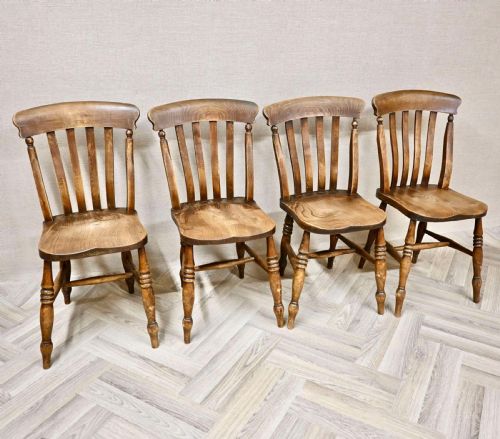
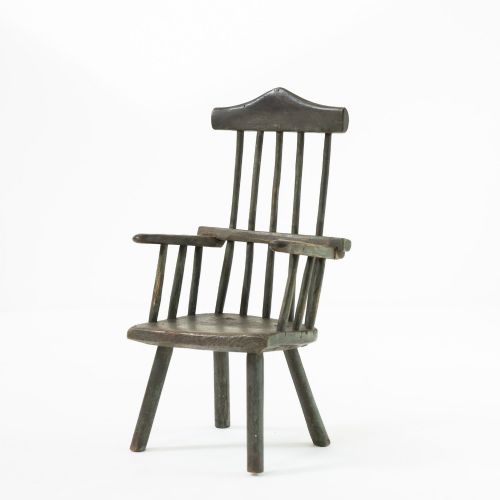
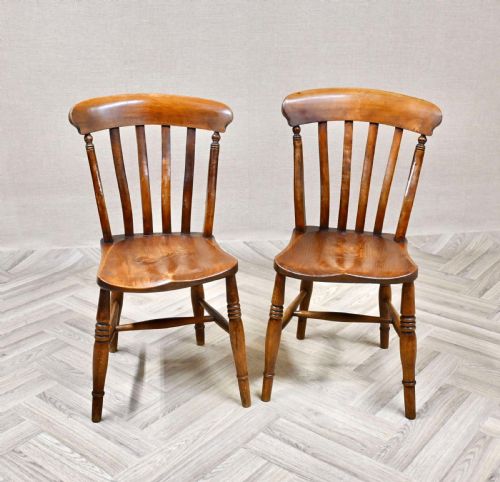
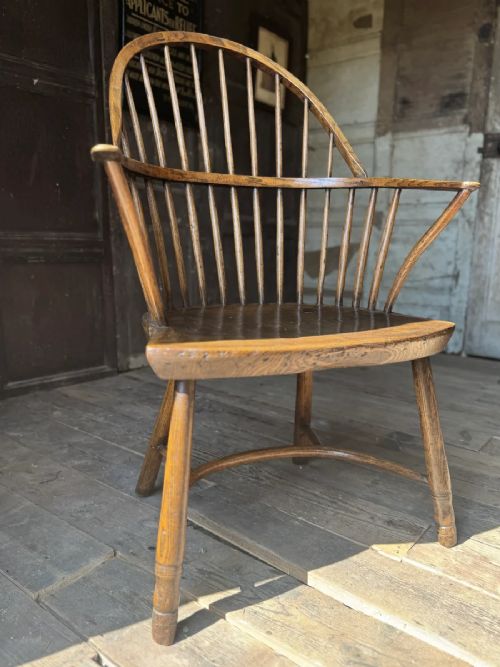
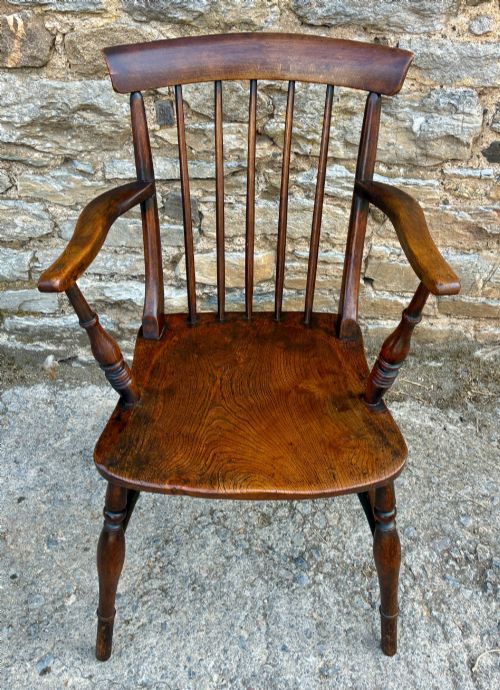
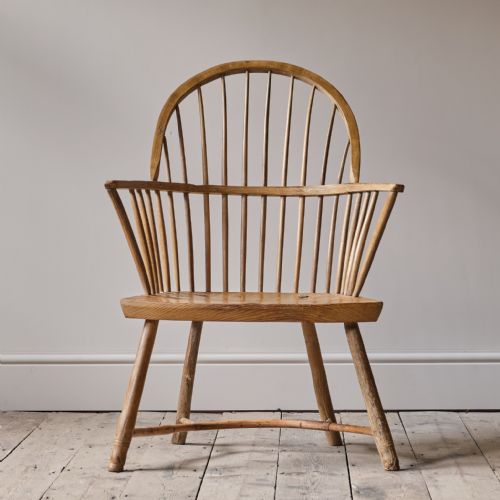
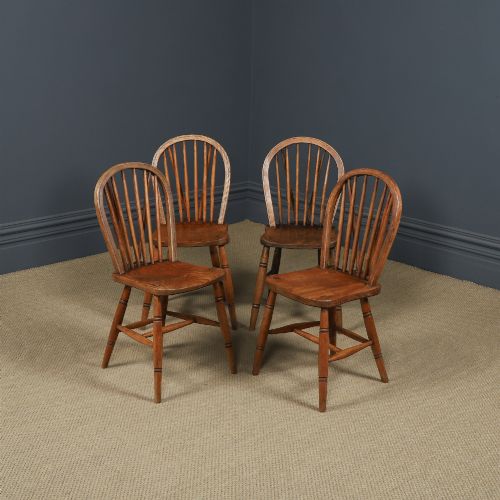
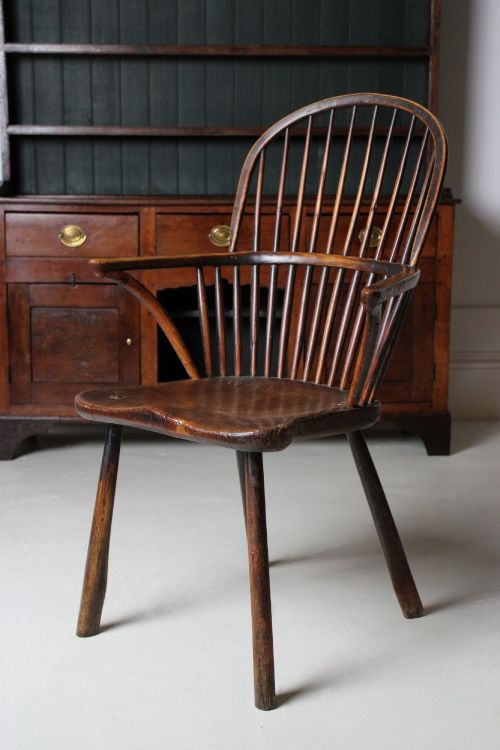
When you examine a rustic stick back chair on this page, you encounter domestic seating rooted in English, Welsh, and regional traditions. The selection spans armchairs, dining chairs, and child's chairs originating from periods such as the Georgian and Victorian eras, as well as the wider nineteenth century.
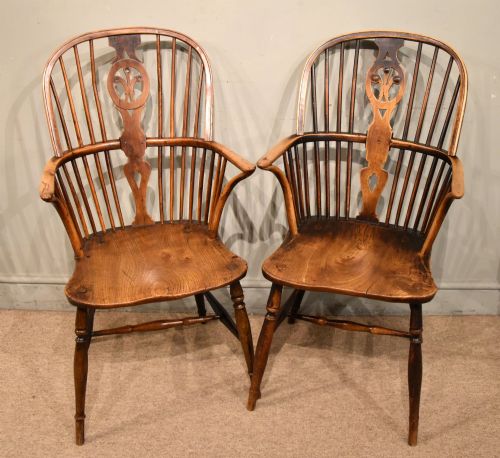
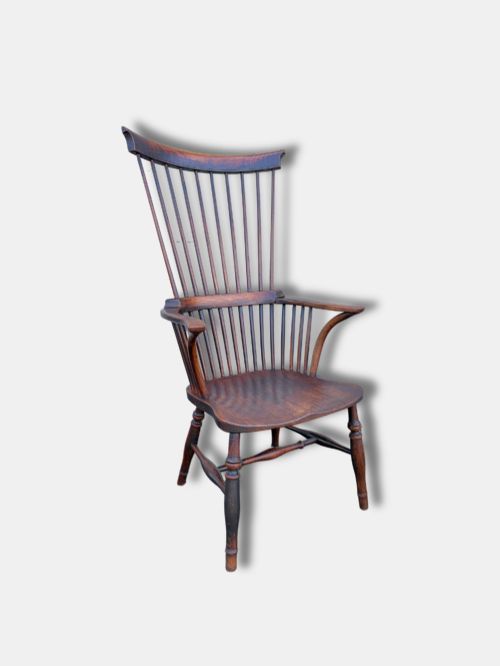
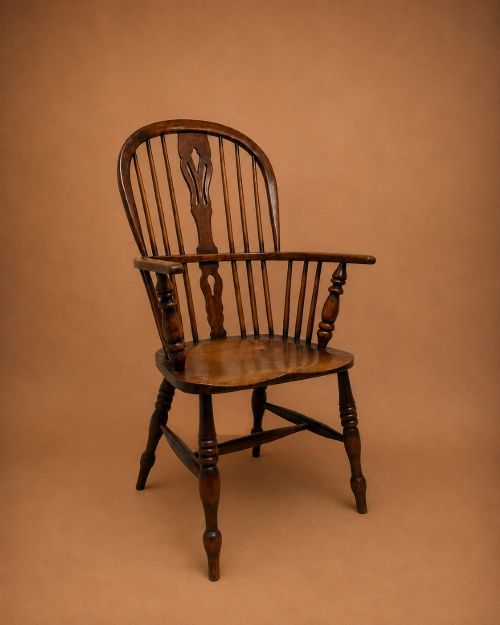
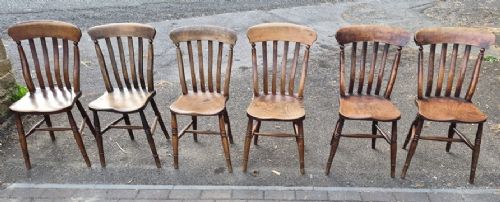
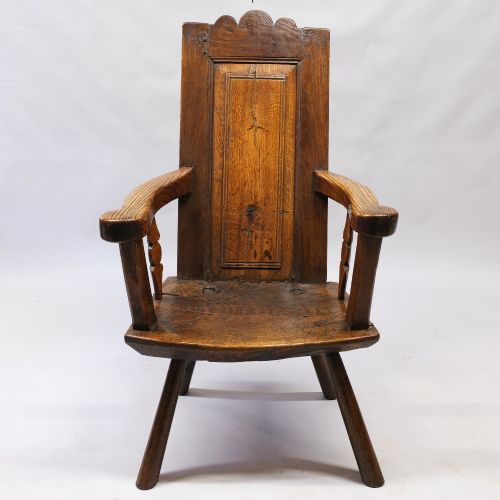
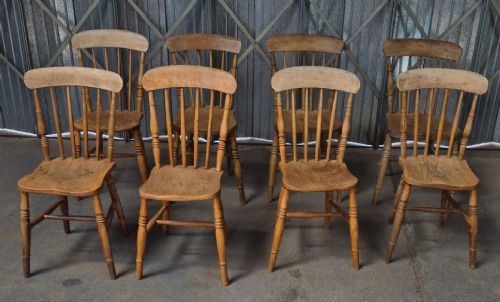
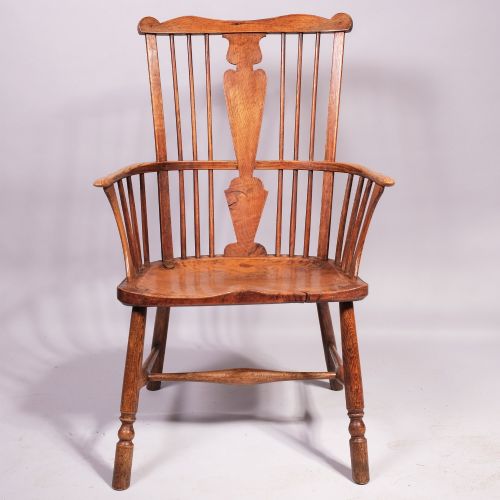
The designs range from high comb back and hoop back Windsor forms to vernacular panel-backed and primitive armchairs. These pieces often arrive as single items, pairs, or matched sets intended for the kitchen, farmhouse, or cottage.
Regional variations emerge clearly across the inventory, including West Country and Thames Valley pieces alongside Welsh vernacular examples. Buyers seeking a rustic stick back chair will find that these regional traits dictate the specific rake of the spindles and the sculpting of the seat.
Materials and Construction
Cabinet makers and rural joiners built these seats using a combination of native hardwoods selected for specific structural duties. Elm typically forms the solid, heavily sculpted seat plank because its interlocking grain resists splitting under pressure.
Ash, beech, and oak provide the rigid strength required for spindles, legs, and bow backs, while select examples incorporate yew, fruitwood, laburnum, or burr elm for decorative contrast. Surfaces are frequently left bare to age naturally, though certain pieces carry early coats of paint.
Several armchairs incorporate contrasting woods like laburnum and fruitwood simply because the maker used whatever timber sat to hand in the workshop.
Design and Proportion
The distinction between ordinary utility seating and superior examples rests in the fluency of the lines and the generosity of the timber. A well-proportioned comb back or hoop back demonstrates careful thinning of the spindles and a balanced rake to the legs that provides both visual lightness and physical stability.
The depth of the saddle in the elm seat and the complexity of the turning on the arm supports also separate standard kitchen chairs from ambitious vernacular masterworks. Grain selection plays a definitive role, with richly figured burr elm or varied mixed-wood construction elevating the visual impact.
The Rustic Stick Back Chair Glossary
- Comb back
- A Windsor chair variation where the vertical spindles extend upward to form a horizontal top rail resembling the teeth of a comb. This style frequently appears in eighteenth-century Welsh and English regional pieces.
- Hoop back
- A continuous bentwood bow that forms both the arms and the backrest in a single fluid arc. It provides robust structural integrity and defines many nineteenth-century kitchen dining chairs.
- Crinoline stretcher
- An arched underframe connecting the legs of a chair to provide lateral bracing. This feature is commonly found on Georgian West Country examples.
- Vernacular
- Objects designed by local craftsmen using regional traditions and available materials rather than following academic pattern books. This approach yields diverse domestic seating with distinct local characteristics.
- Harlequin set
- A collection of chairs assembled to form a matching dining group after the fact, sharing general stylistic traits while displaying individual variations in turning and timber.
Rustic Stick Back Chair: Frequently Asked Questions
How do I date a rustic stick back chair?
Dating relies on observing construction methods, tool marks, and timber wear patterns alongside established regional styles. Eighteenth-century models often display simpler, heavier turnings and native fruitwood accents, whereas Victorian examples tend to feature standardised production techniques.
Changes in seat sculpting and stretcher design also offer chronological clues. Comparing the piece to documented regional archetypes helps narrow down the period of manufacture.
Are these chairs suitable for daily dining?
Most of these pieces were originally constructed for heavy kitchen and farmhouse use, making them naturally durable for contemporary seating. Their solid elm seats and pegged joints are engineered to withstand regular domestic life.
Buyers should ensure the frame remains rigid and the wedged joints are secure before daily deployment. Adding simple pads can protect historic seat timber from excessive friction.
What is a Thames Valley chair?
Thames Valley chairs represent a specific regional school of Windsor chair production centred around the river networks near London. They are typically characterised by generous proportions, finely turned ash or beech undercarriages, and deep elm seats.
These pieces often form larger sets suited for formal country dining rooms. Their refined joinery marks them out from more primitive vernacular seating.
How should I care for timeworn wood?
Maintaining historic wooden surfaces requires minimal intervention to preserve the natural patina accumulated over centuries. Applying a light microcrystalline wax periodically protects the dry timber without altering its colour or finish.
Keep these seats away from direct heat sources and rapid humidity fluctuations to prevent the elm and ash from splitting. Gentle dusting with a soft cloth is sufficient for routine upkeep.