


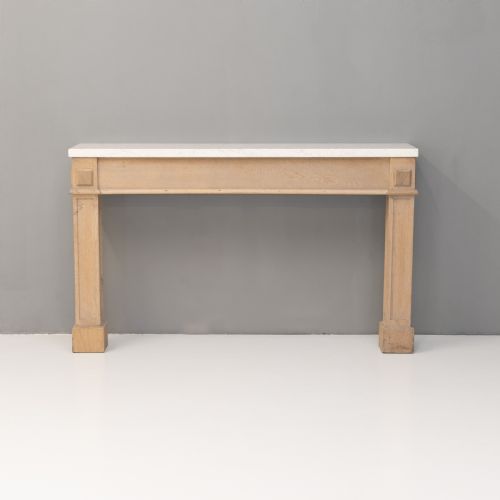


Rustic Provincial Hall Table
A rustic provincial hall table brings earthy utility and straightforward charm to a corridor, offering solid timber surfaces and practical proportions shaped by regional traditions.
Rustic Provincial Hall Table
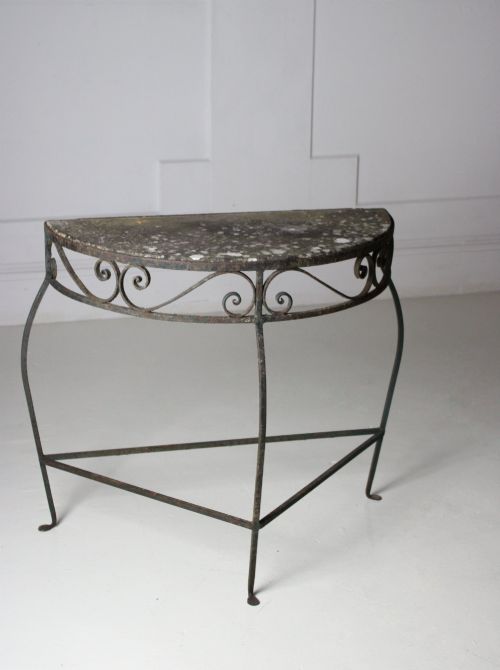
A rustic provincial hall table encompasses practical domestic furniture produced across European regions during the eighteenth and nineteenth centuries. These pieces serve as functional hallway surfaces, taking forms such as console tables, side tables, serving tables, and dresser bases.
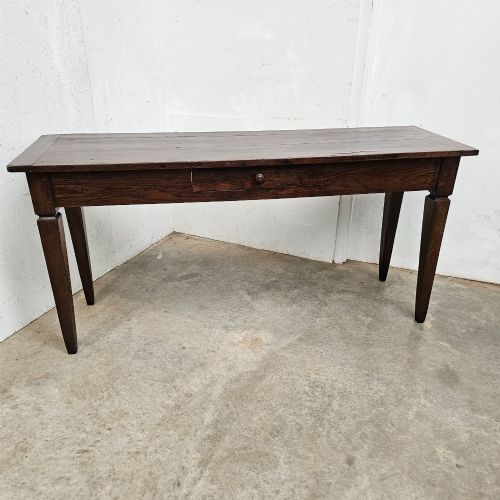
The version most commonly met on this page is the French provincial table, often fashioned from regional hardwoods like oak, cherrywood, or fruitwood. Such tables frequently feature simple drawers, scrubbed tops, or trestle designs suited to daily utilitarian use.
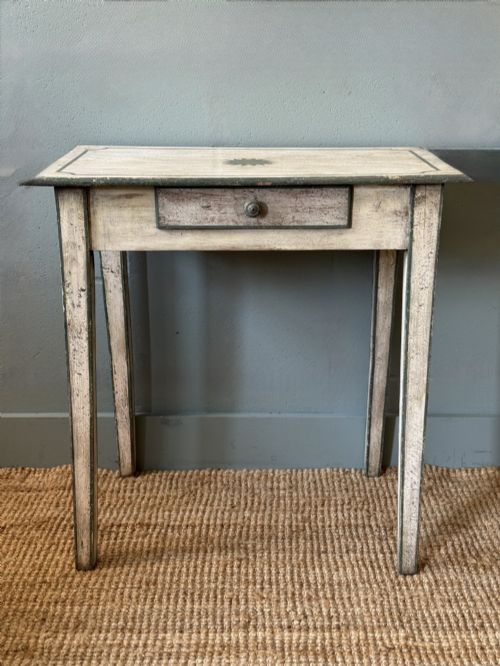
Beyond French origins, the selection includes English, Italian, Scandinavian, and Dutch examples spanning the eighteenth century through to the Edwardian era. These regional interpretations incorporate local timbers such as elm, pine, and walnut alongside painted finishes.
Materials and construction methods
Construction relies heavily on regional hardwoods and softwoods including oak, pine, fruitwood, elm, and cherrywood, selected for local availability and durability. Carpenters joined these solid timbers using traditional joinery methods suited to hardworking domestic furniture.
Surfaces frequently display applied paint finishes or natural scrubbed grains, while hardware components incorporate brass and wrought iron. Trestle supports, turned legs, and built-in drawers add structural stability and utility to the tables.
Pot-shelf tables once kept heavy cookware off damp flagstone floors.
Factors that distinguish quality
Quality varies according to the selection of timber and the integrity of the original construction, with dense hardwoods like oak and cherry offering greater longevity than softer woods. The honesty of the timber's surface treatment, whether an unpretentious scrubbed finish or an authentic period painted patina, dictates visual depth.
Proportional harmony and the subtlety of hand-turned legs or dovetailed drawers distinguish finer regional pieces from simpler utility items. The integration of original hardware, such as brass pulls and wrought iron bracing, further separates standard examples from better workshop productions.
The Rustic Provincial Hall Table Glossary
- Console table
- A table designed to stand against a wall, frequently fixed with brackets or supported by front legs. These narrow tables suit hallways and entrance spaces where floor area is limited.
- Dresser base
- The lower section of a traditional storage unit featuring drawers or cupboards beneath a wide top surface. These substantial pieces function effectively as serving tables or hallway consoles.
- Trestle table
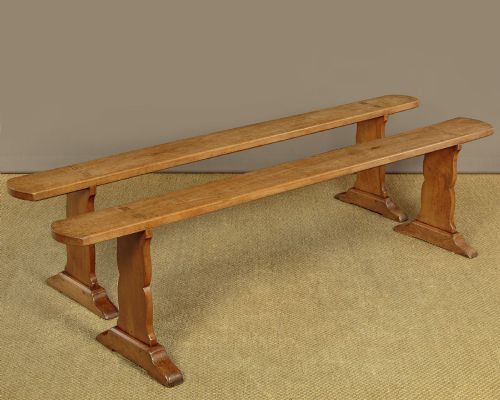
- A table comprising a horizontal beam supported by two vertical legs or frames at either end. This sturdy construction allows for maximum legroom beneath the surface.
- Fruitwood
- Timber harvested from fruit-bearing trees such as cherry, pear, or apple, valued for its fine grain and warm tone. Cabinetmakers utilised these woods extensively in provincial furniture making.
- Scrubbed finish
- A wooden surface washed and scrubbed repeatedly to clean the grain, leaving a pale, raw texture. This treatment is common on utilitarian tables designed for active domestic use.
Rustic Provincial Hall Table: Frequently Asked Questions
Where should I place a console table?
Console tables fit naturally against entrance hallway walls where their narrow profiles prevent obstruction while offering a surface for everyday items.
They also serve effectively in dining areas as serving tables or in living rooms alongside seating arrangements.
How do I care for scrubbed timber?
Scrubbed wooden surfaces benefit from regular dusting with a dry cloth and occasional gentle cleaning using mild soap and water when necessary.
Avoiding excessive moisture and direct heat preserves the natural texture of untreated or lightly finished woods like sycamore and elm.
Are these tables strictly French?
While French provincial examples appear frequently, the selection incorporates pieces originating from English, Italian, Dutch, Spanish, and Scandinavian workshops.
Each region utilised distinct local timbers and decorative finishes that reflect their specific rural cabinetmaking traditions.