



Rustic Pottery Jar
A rustic pottery jar brings honest, earthen texture to a room, offering practical utility and timeless utility for simple interiors.
Rustic Pottery Jar
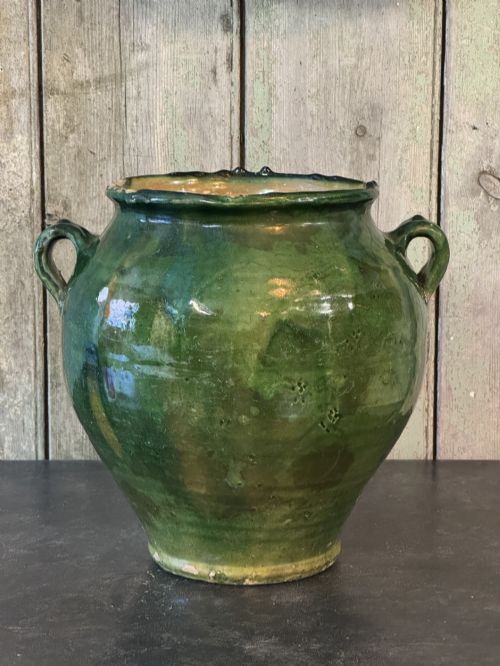
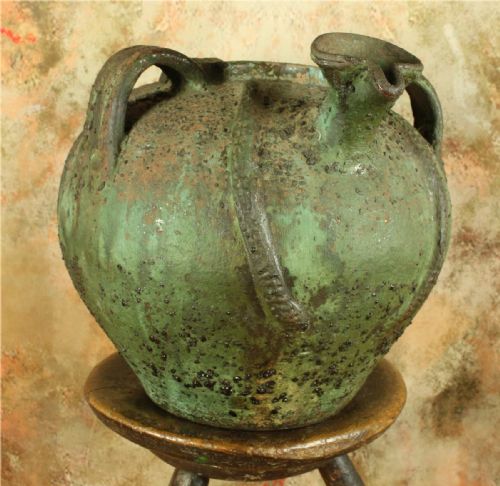
A rustic pottery jar encompasses sturdy vessels shaped from terracotta, earthenware, and salt glazed stoneware across the eighteenth and nineteenth centuries. These utilitarian pots served humble storage needs for olive oil, wine, vinegar, and confit across French, Italian, and Mediterranean country households.
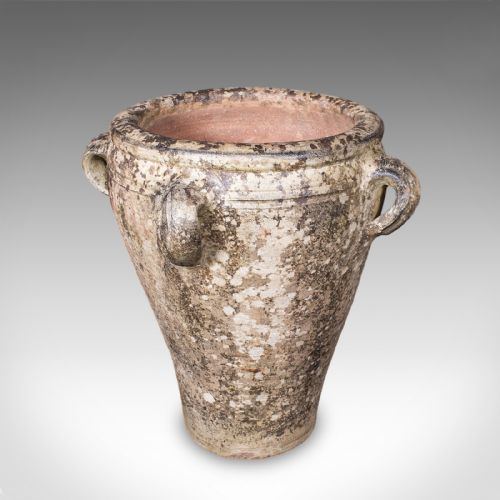
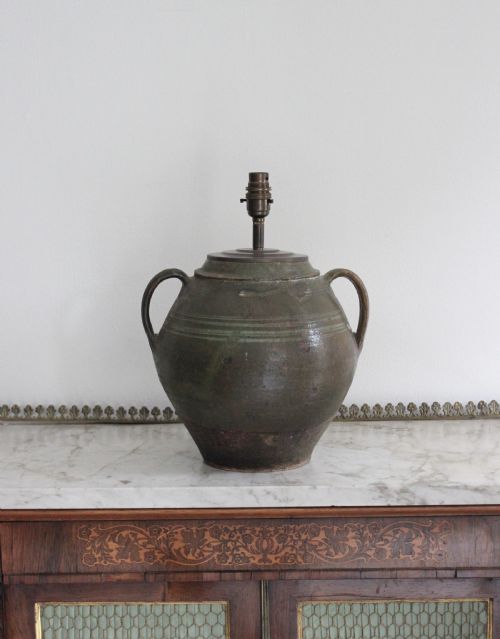
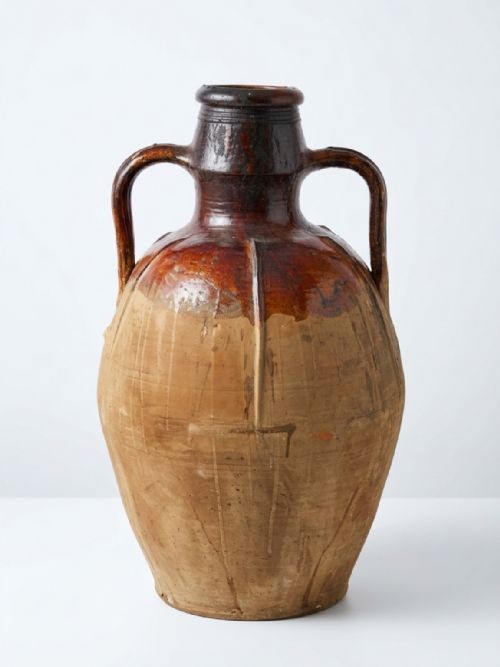
The most common examples encountered on this page are French confit pots and Italian terracotta wine or olive jars dating from the nineteenth century. Buyers often meet large storage vessels featuring multiple handles, green lead glazes, or weathered terracotta surfaces suited to garden and interior display.
Form follows function closely in these pieces, yielding generous bellies, wide rims, and stout handles designed for heavy farm use. Makers shaped these jars for cellar storage rather than parlour decoration, resulting in honest proportions and thick walls.
Materials and construction
Potters threw or coiled local clay on simple wheels before firing the vessels in traditional kilns heated by wood or coal. The resulting bodies rely primarily on porous terracotta, dense earthenware, or vitrified stoneware.
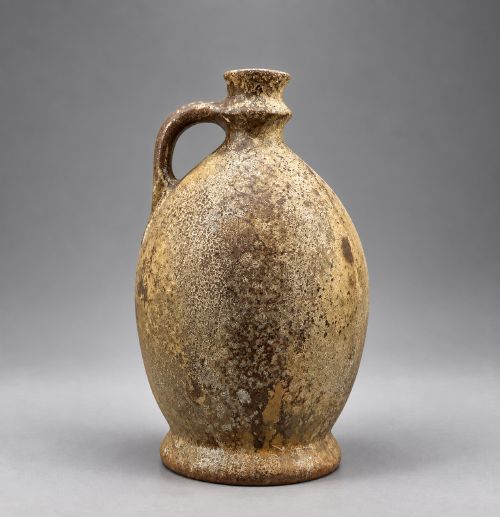
Glazing techniques vary from raw unglazed surfaces to rich green lead glazes and industrial salt glaze applications. Salt glazing involved throwing common salt into the kiln during high-temperature firing, creating a distinctive orange-peel texture on stoneware flagons and vinegar barrels.
Rustic Pottery Jar Retail Price Guide 2026
Typical asking prices for rustic pottery jar among the pieces listed under this phrase on Sellingantiques today, from the lower quarter to the upper quarter. They describe what is for sale here now, not the wider market.
Listings feature nineteenth-century French confit pots alongside eighteenth-century olive oil jugs in terracotta, earthenware, and salt glazed stoneware.
Assessing quality in country pottery
Quality in a rustic pottery jar rests on the balance of form, the integrity of the surviving glaze, and the character of the surface wear. Pots with deep, uncompromised glaze pooling and well-preserved throwing rings command greater interest.
The degree of honest handling marks, kiln scars, and historical surface patination distinguishes a superior utilitarian vessel from a plain container. Weathering that speaks to genuine agricultural service elevates the presence of the piece without obscuring its original construction.
The Rustic Pottery Jar Glossary
- Confit pot
- A traditional French earthenware vessel featuring handles, used originally for preserving and storing meats or fats. These pots typically display a partially glazed body.
- Salt glaze
- A glossy, slightly pitted finish created by introducing salt into the kiln during the high-temperature stage of firing stoneware. This process forms a durable glassy coating on the clay body.
- Terracotta
- Fired unglazed clay of a brownish-red colour, commonly utilised for large garden planters, amphorae, and Mediterranean storage vessels. It remains porous unless sealed.
- Amphora
- A tall ancient storage jar with two handles and a narrow neck, adapted in later centuries for large-scale garden and courtyard decoration. These heavy vessels usually rest on pointed bases or separate stands.
- Earthenware
- Porous pottery fired at lower temperatures than stoneware, requiring a glaze to hold liquids securely. It forms the body of most traditional oil and confit jars.
Rustic Pottery Jar: Frequently Asked Questions
What were rustic pottery jars used for?
These vessels served essential domestic and agricultural functions across European farmhouses and estates. Families relied on them to store, preserve, and transport bulk provisions such as olive oil, wine, vinegar, and preserved meats.
Over decades of service, the porous clay and stout handles helped maintain stable conditions for stored goods in cool cellars and larders. Today, their generous proportions lend themselves to simple decorative placement in living spaces and gardens.
How do I clean an old clay jar?
Cleaning requires gentle care to preserve the historical patina and fragile surface glazes built up over centuries. Warm water and a soft brush remove surface dust without damaging the porous terracotta or earthenware beneath.
Avoid harsh chemical detergents or abrasive scouring pads that can strip away dried oils or delicate historic finishes. Allow the vessel to dry completely if brought indoors after garden use.
Can these jars stay outside in winter?
Terracotta and earthenware jars absorb moisture, making them vulnerable to freezing temperatures if left exposed to standing water. Ice expansion inside the porous clay body causes cracking and structural failure during severe frosts.
Protect garden planters and amphorae by moving them under shelter during freezing months or raising them off the ground on pot feet to ensure proper drainage.
How do I date a 19th century jar?
Dating relies on observing manufacturing marks, glaze characteristics, and tool signatures left by the potter on the clay body. Nineteenth-century pieces often display hand-thrown ridges, heavier lead glazes, and thick utilitarian walls shaped on traditional wheels.
Comparing handle placement and rim profiles against documented regional styles from France and Italy helps narrow the decade of production. Surface wear and historical repair marks also provide clues to the age of the vessel.