


Rustic Potboard Dresser
A rustic potboard dresser delivers utilitarian charm through open lower shelving and solid timber construction, anchoring a traditional kitchen with enduring practicality.
Rustic Potboard Dresser
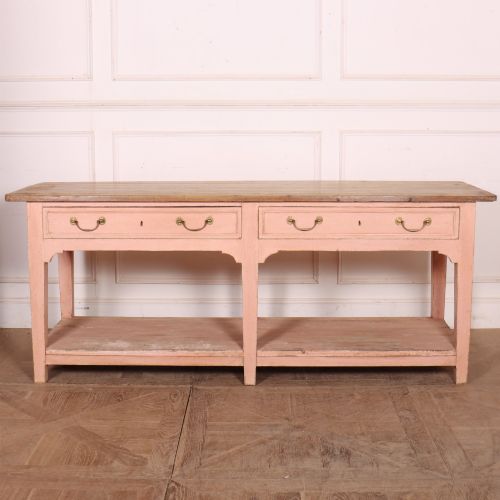
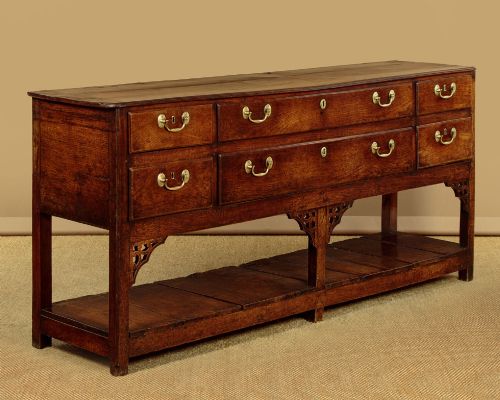
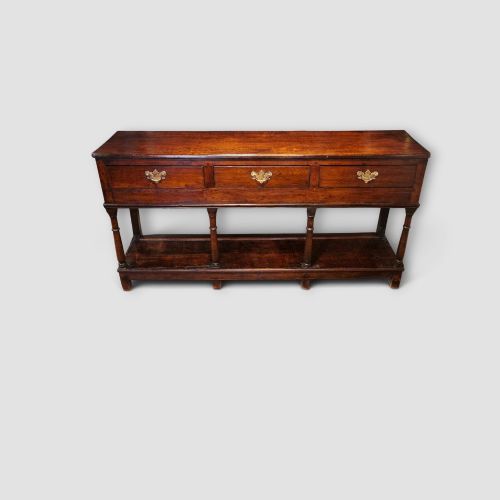
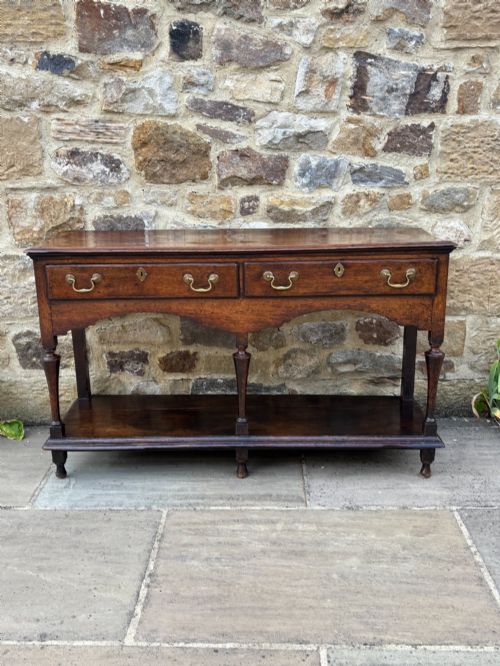
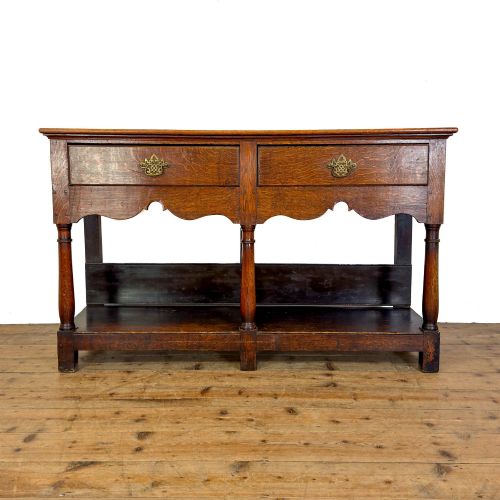
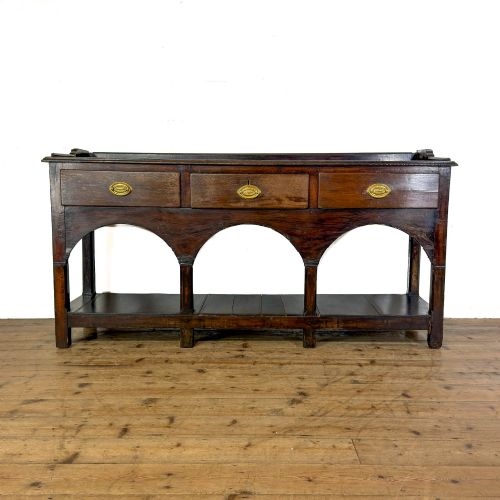
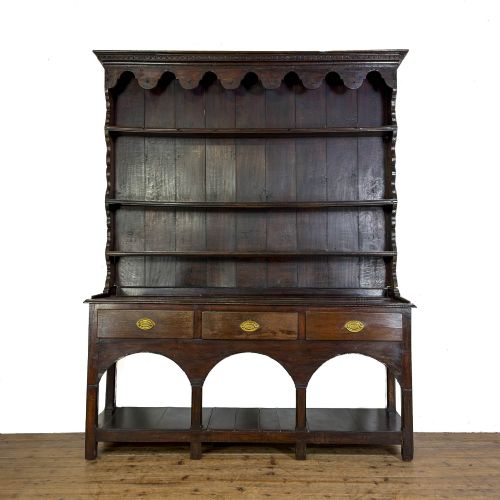
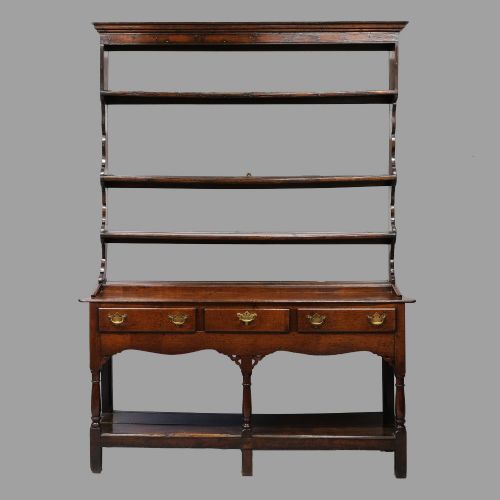
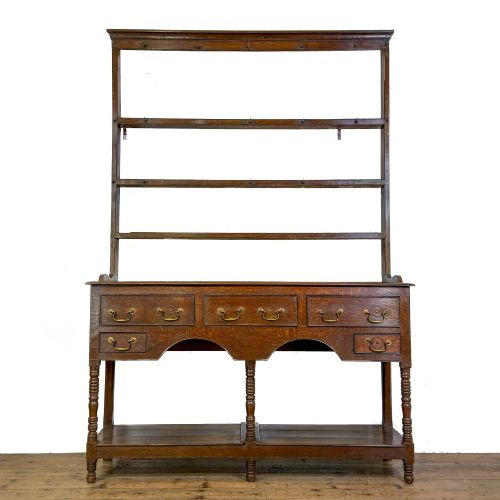
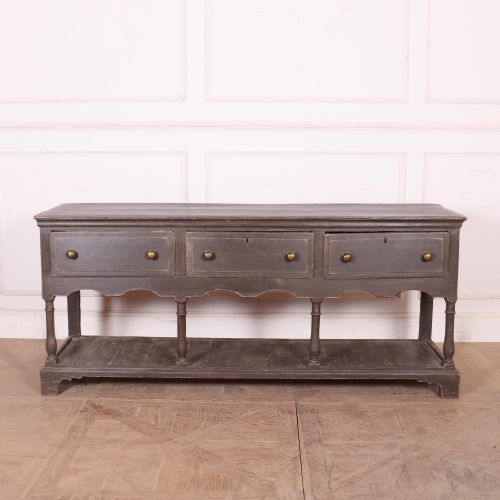
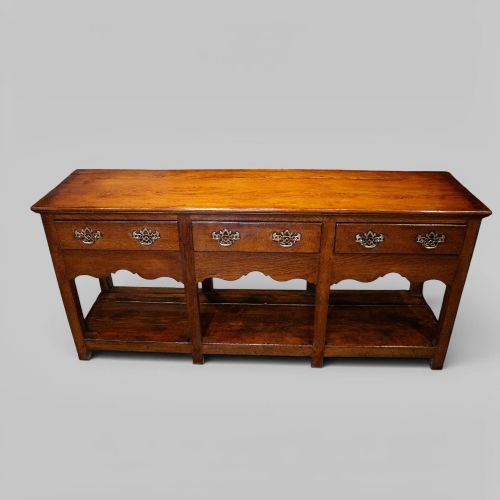
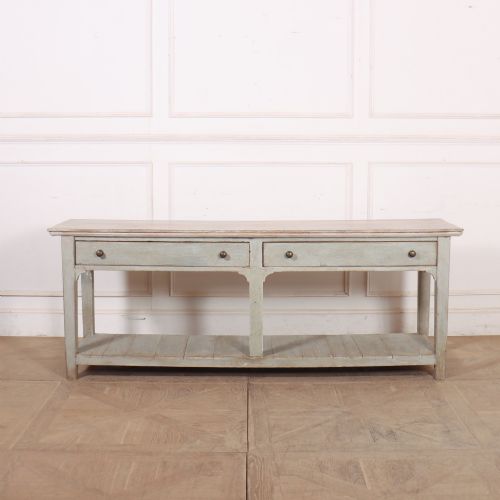
A rustic potboard dresser combines a sturdy surface for food preparation or serving with a low open shelf beneath, historically designated for storing pots and pans. These pieces emerge predominantly in oak and pine from eighteenth and nineteenth century workshops across England, Wales, and Scotland.
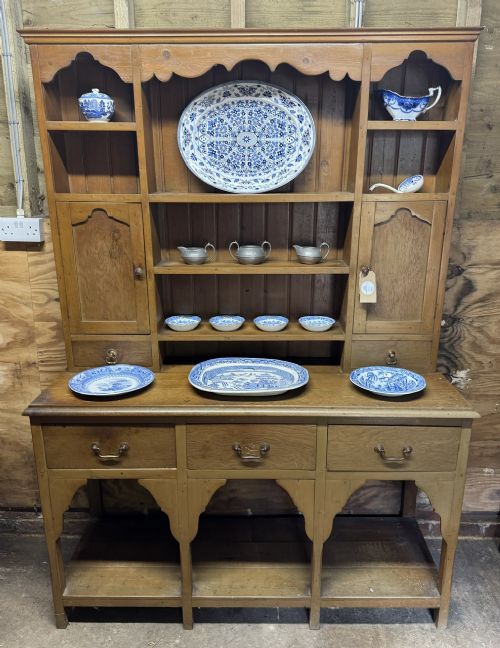
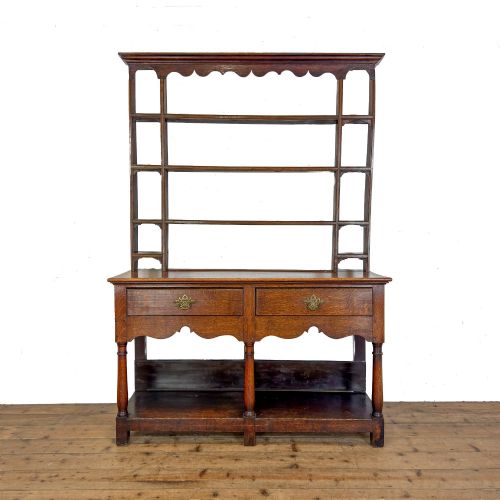
The layout typically ranges from low dresser bases featuring banks of drawers to taller formats incorporating plate racks above. Buyers frequently encounter regional variants, particularly Welsh vernacular designs and English country examples executed in native timbers.
Examples span Georgian periods through to the early twentieth century, showing straightforward joinery and practical proportions intended for everyday domestic use. The form remains versatile for modern interiors requiring robust storage and display surfaces.
Materials and Construction
Cabinet makers built these pieces using solid native hardwoods and softwoods, relying heavily on oak and pine for structural integrity. Surfaces often display original painted finishes, bleached treatments, or bare timber showing decades of handling.
Joinery techniques involve pegged tenons, hand-cut dovetails on drawer boxes, and thick planked tops designed to withstand heavy daily use. Iron and brass hardware appears on drawer pulls and hinges, complementing the heavy timber frames.
Some potboards sat low enough to let household terriers nap underneath while dinner preparations hummed above.
Distinguishing Quality
Quality rests upon the integrity of the timber, the retention of original surface patination, and the honesty of the construction. Pieces retaining their original potboards, backboards, and drawer linings command greater attention from purists.
Proportion and regional character also dictate distinction, with vernacular Welsh and English country pieces showing individuality in drawer arrangement and leg turnings. The depth of colour achieved through centuries of wax and friction separates superior surfaces from lesser ones.
The Rustic Potboard Dresser Glossary
- Potboard
- The lower open shelf positioned close to the floor, traditionally used for storing heavy pots and earthenware. It sits upon the lower stretchers of the dresser base.
- Dresser Base
- The lower section of a kitchen dresser, functioning as a sideboard or serving table without the upper plate rack. Many survive independently from their original racks.
- Vernacular
- Regional furniture built by local craftsmen using traditional methods and local materials, reflecting specific geographic styles rather than high London fashion. Welsh vernacular pieces are particularly distinct.
- Patina
- The surface sheen and colour developed over decades or centuries through use, cleaning, and exposure to light. Original patination is valued for its depth and historical honesty.
- Plate Rack
- The shelved superstructure mounted on top of some dressers to display ceramic plates and platters. It attaches directly to the rear of the dresser base.
Rustic Potboard Dresser: Frequently Asked Questions
What is a potboard base?
A potboard base is the lower portion of a dresser featuring a flat serving surface above drawers and an open shelf at the bottom. This layout provided accessible storage for heavy kitchen utensils in traditional homes.
Today, these sturdy bases function effectively as sideboards, console tables, or kitchen islands in contemporary living spaces.
How do I date an oak dresser?
Dating relies on observing construction methods, timber selection, and hardware styles across the piece. Eighteenth-century examples often display hand-cut dovetails, pegged joints, and heavy oak boards.
Nineteenth-century pieces may introduce machine-sawn timber, pine secondary woods, and different drawer configurations while retaining similar vernacular forms.
Are these pieces strictly from Wales?
While Welsh dressers are prominent in regional cabinetmaking history, many examples originate from English and Scottish country workshops. Each region utilised local woods like native oak and pine, resulting in subtle variations in proportion and drawer layout.
Identifying origins depends on timber analysis and stylistic traits associated with specific rural cabinetmakers.
Can I use a dresser base in a modern kitchen?
These low bases offer practical dimensions and durable wooden surfaces that suit contemporary kitchen and dining areas. Their deep drawers and open potboards accommodate modern storage needs while introducing historical character.
Placing them against plain walls allows the aged timber and traditional joinery to stand out as a focal point.