

Rustic Pine Storage Chest
A rustic pine storage chest provides honest utility, combining the warmth of softwood with robust construction built for holding household goods.
Rustic Pine Storage Chest
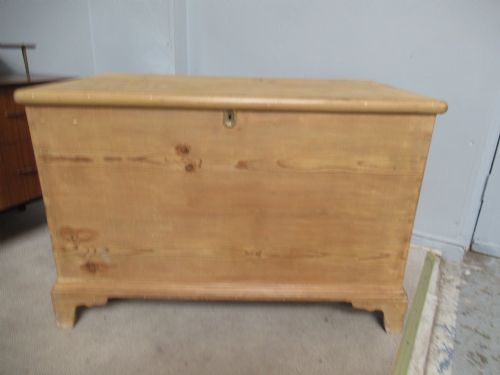
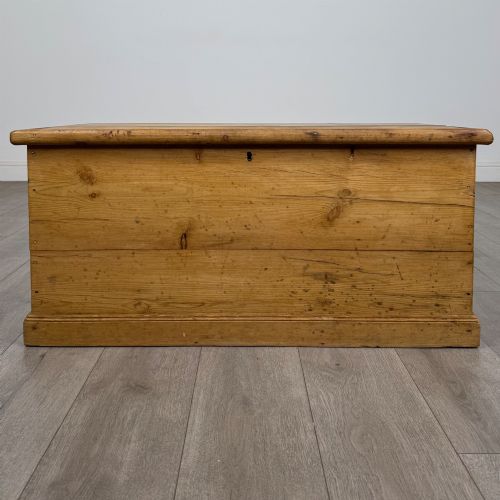
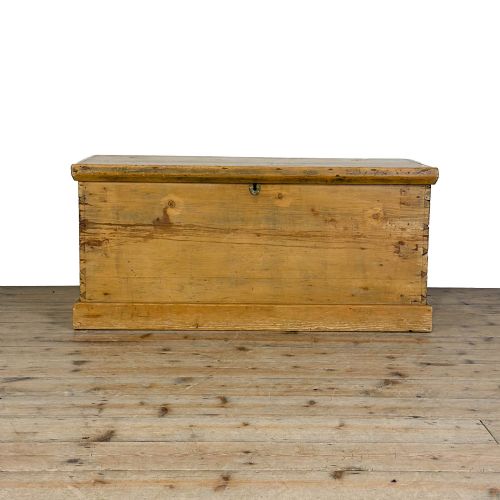
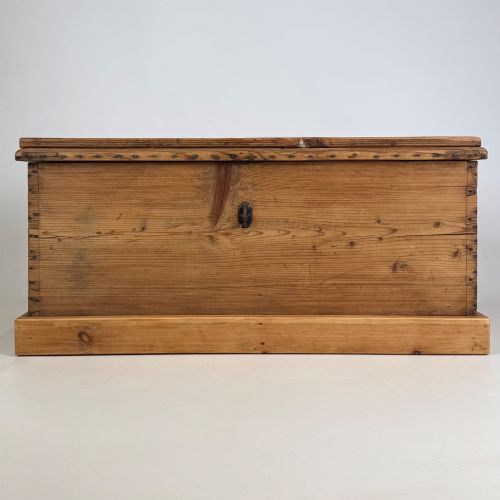
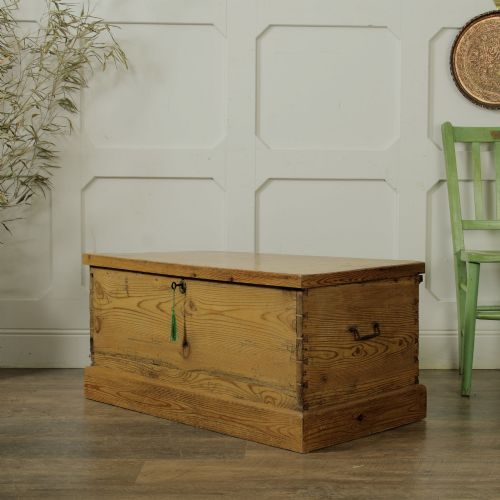
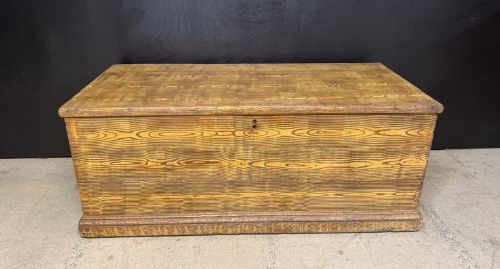
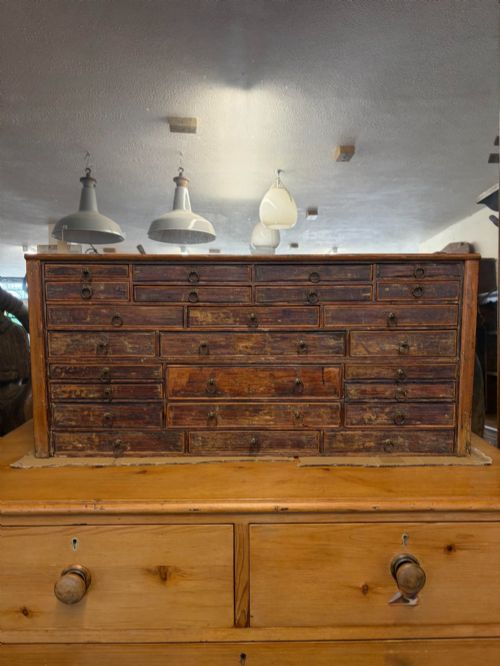
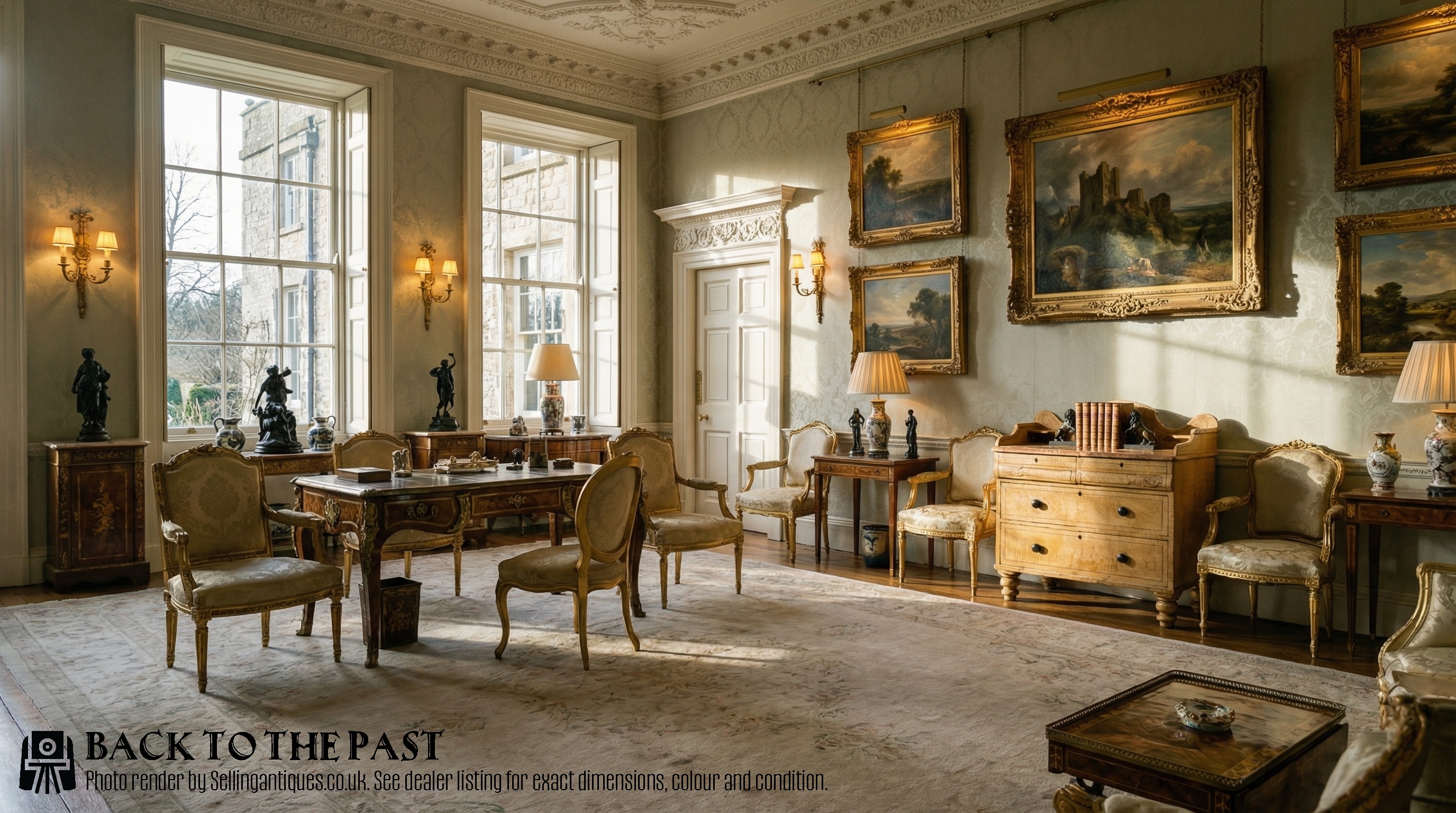
A rustic pine storage chest encompasses blanket boxes, trunks, coffers, and mule chests originating primarily from the Victorian and 18th Century periods. These pieces serve practical domestic needs, offering deep compartments for linens, garments, and household items. The selection leans heavily toward British and European country workshops, showing everyday utility rather than formal court furniture.
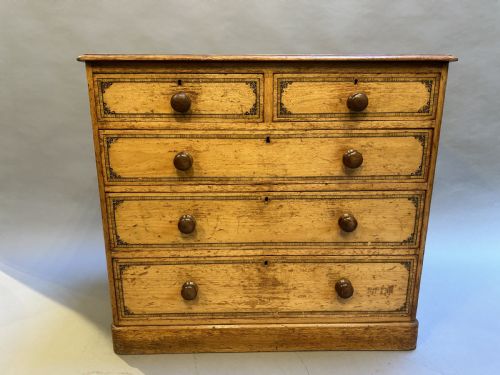
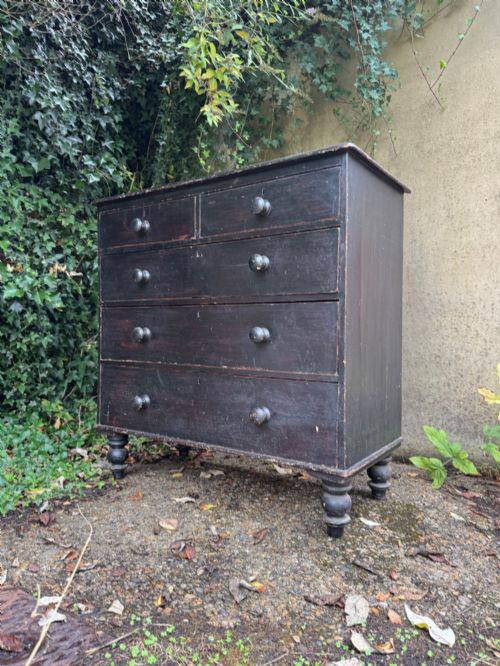
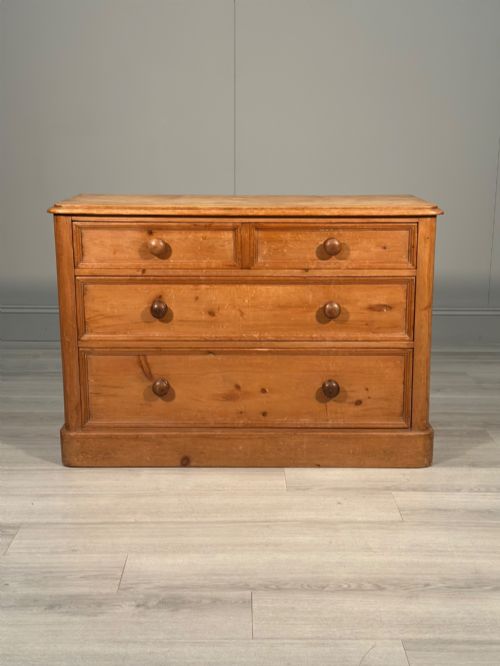
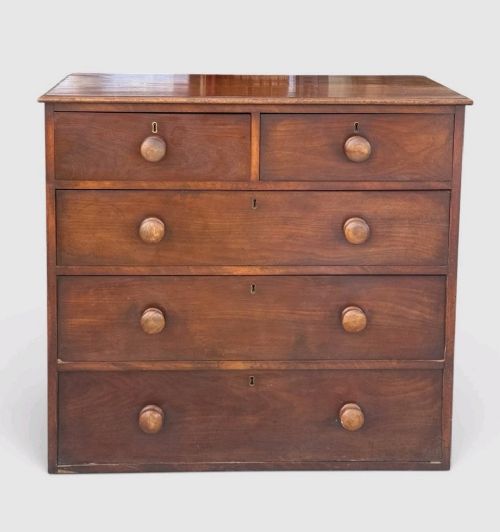
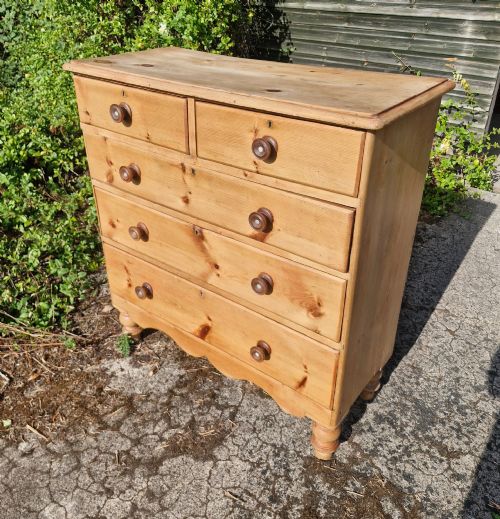
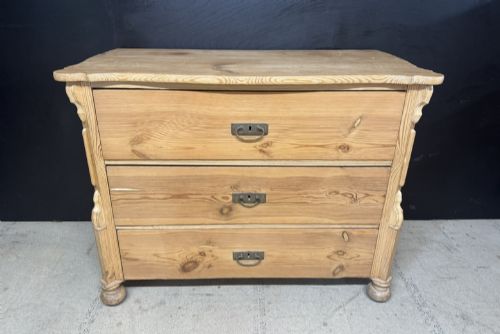
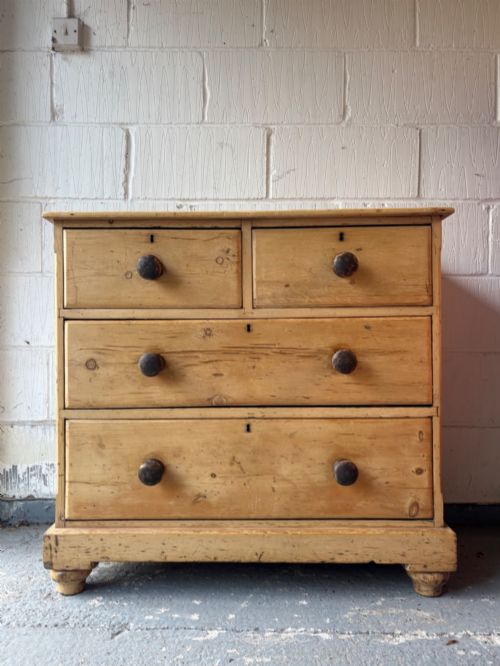
Buyers encounter lift-lid trunks alongside multi-drawer chests of drawers and low kitchen dresser bases built from native softwoods. Many examples carry traces of their working history through scumble paint, stencilling, or scrubbed surfaces. These items bridge utilitarian storage and regional decorative traditions.

Materials and construction
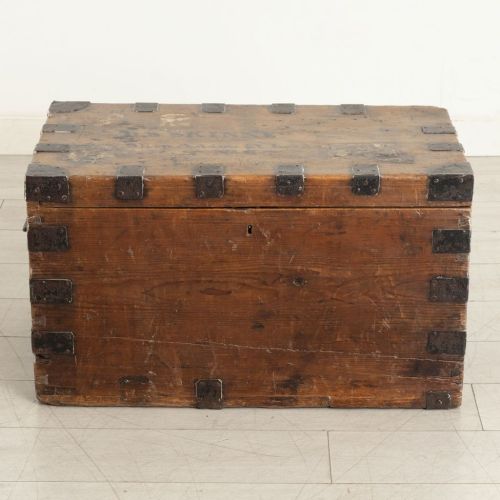
Makers relied primarily on pine and pitch pine, selecting straight-grained softwood for carcases and thicker planks for lids and bases. Iron and brass hardware, including hand-forged strapwork hinges and carrying handles, secured the heavy joints required for travel and daily service. Fasteners and fittings were chosen for maximum durability under strenuous use.
Surfaces received various finishes depending on the intended domestic environment, ranging from plain waxed pine to decorative paint and scumble glaze. Joinery techniques prioritised strength, utilising dovetailed corners on drawers and sturdy pegged joints on coffers and blanket boxes.
Rustic Pine Storage Chest Retail Price Guide 2026
Typical asking prices for rustic pine storage chest among the pieces listed under this phrase on Sellingantiques today, from the lower quarter to the upper quarter. They describe what is for sale here now, not the wider market.
Assessing quality and character
The distinction between ordinary utility boxes and finer survivals lies in the integrity of the original surfaces and structural timber. Pieces retaining undisturbed paint, original ironwork, or fitted internal compartments command greater interest among collectors. Alterations to hardware or heavy over-scraping diminish the historical honesty of the piece.
Proportion and timber selection also separate regional country pieces from standard workshop output. Dense pitch pine with tight growth rings provides a heavier, more stable carcase than common softwood, while well-balanced proportions elevate domestic furniture beyond mere utility.
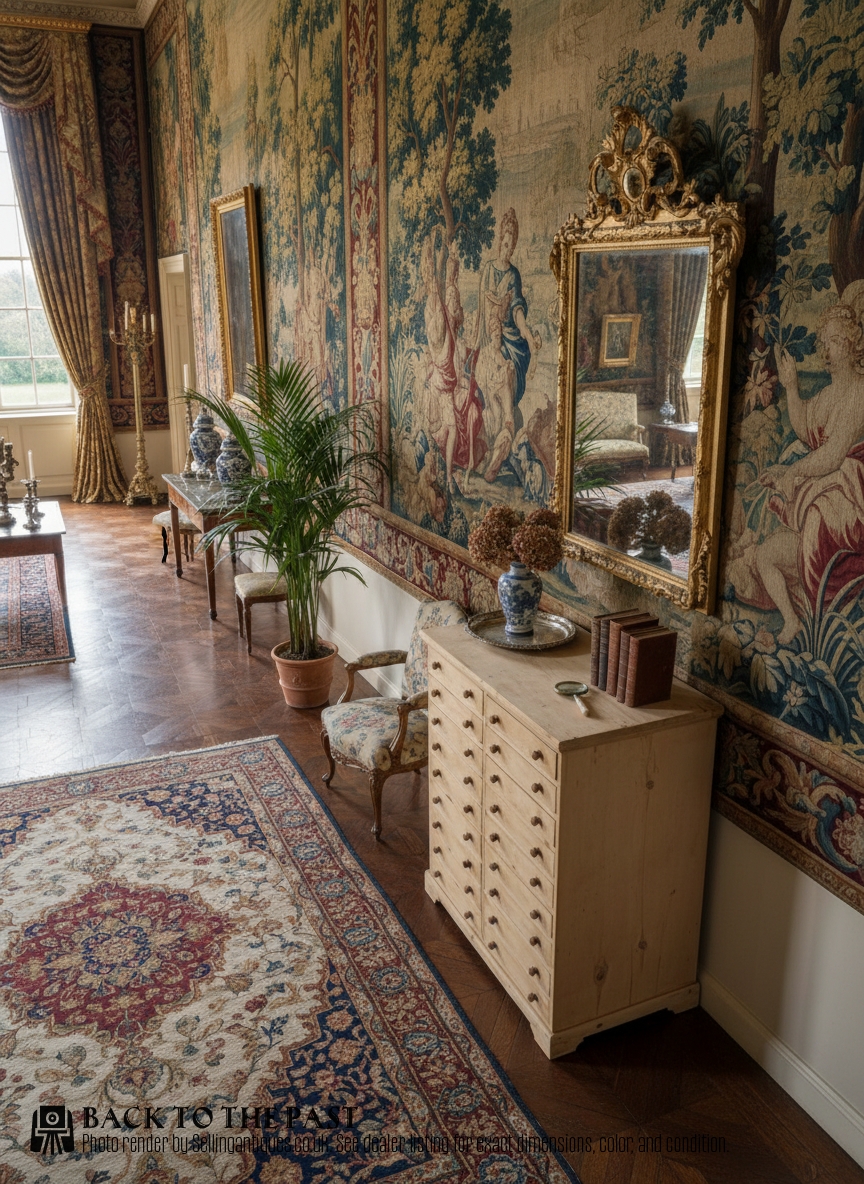
Luxmore's of Ilfracombe
The Rustic Pine Storage Chest Glossary
- Blanket box
- A large rectangular chest with a hinged lid, traditionally utilised for storing woollen blankets and household linens. These boxes sit low to the floor and often feature simple panelled construction.
- Mule chest
- A storage chest featuring one or more drawers built beneath the main compartment. This form evolved from the standard blanket box by adding drawer space for smaller garments.
- Scumble paint
- A decorative glaze technique applied over a lighter base coat to imitate the grain pattern of more expensive hardwoods. It was widely employed on 19th-century utility furniture.
- Strapwork
- Flat metal bands, often hand-forged from iron, fixed across the exterior corners and lids of trunks for structural reinforcement. This reinforcement protected vulnerable edges during transport.
- Pitch pine
- A durable, resinous softwood derived from pine species yielding timber with high natural oil content. It resists wear and displays strong grain definition.
Rustic Pine Storage Chest: Frequently Asked Questions
What is a rustic pine storage chest used for?
These chests serve as practical furniture for stowing blankets, linens, and bulky household items out of sight. Their sturdy lids also allow them to function as occasional benches or low display surfaces.
Historically, they travelled with owners or kept domestic goods secure in bedrooms and hallways. Today, they integrate easily into living spaces to provide hidden storage while adding natural wood texture.
How do I date an antique pine chest?
Dating relies on examining construction methods, hardware types, and timber characteristics. Hand-forged iron strapwork, hand-cut dovetails, and early fastening techniques typically point toward the 18th century or early Victorian era.
Subsequent late 19th-century pieces often display machine-sawn timber and more standardised brass fittings. Original painted surfaces or period stencilling also offer clues to the decade of manufacture.
Are these chests made of solid pine?
Makers constructed these storage pieces from solid native softwoods, primarily standard pine or dense pitch pine. Backboards and drawer bases might employ secondary timbers, but the main carcases and lids are solid wood.
This solid construction allowed the timber to withstand heavy daily use and seasonal humidity changes. It also permits the surfaces to be waxed, scrubbed, or repainted over generations.
How should I care for a waxed pine chest?
Maintain waxed pine surfaces by applying a traditional beeswax polish sparingly and buffing with a soft cloth. Keep the wood away from direct heat sources and strong sunlight to prevent the timber from drying out or cracking.
Regular dusting with a dry cloth protects the patina developed over decades of handling. Avoid using liquid chemical cleaners that can strip the historic wax finish.