


Rustic Pine Sea Chest
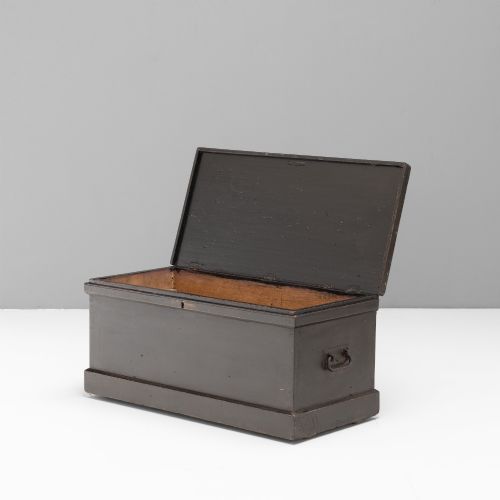
A rustic pine sea chest offers robust utilitarian storage, built with honest pine boards and iron hardware to withstand hard journeys.
Rustic Pine Sea Chest
A rustic pine sea chest is a practical storage trunk built from softwood timber designed for travel, storage, and utility across domestic and military settings. When you search for a rustic pine sea chest, you encounter heavy wooden boxes dating from the nineteenth century into the early twentieth century.
The pieces on this page appear in Victorian and 19th Century contexts, encompassing styles from rustic country and farmhouse to military campaign. Forms range from dome top chests and travel trunks to fitted tool chests and travelling boxes.
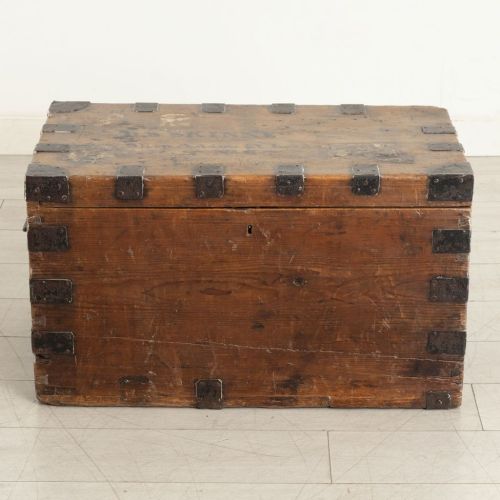
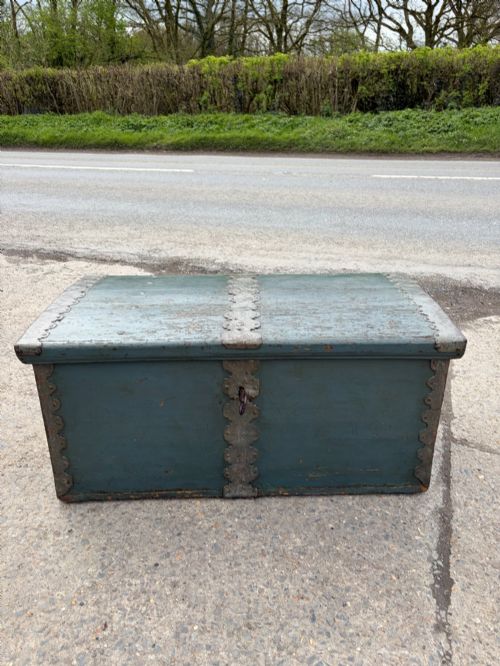
Most examples rely on solid pine construction, often enhanced with original paint finishes, scumble glaze, or iron bound reinforcement. Side lifting handles and working locks complete the typical specification found across these listings.
Materials and construction
Makers constructed these chests primarily from solid pine boards, chosen for availability and resilience in transit. Joinery prioritised strength over decoration, holding up against the rigours of nineteenth-century travel and daily utility.
Iron and brass hardware reinforced corners, lids, and edges to prevent splitting during movement. Original paint, scumble glaze, and internal paper linings often survived to protect the softwood underneath.
The listings on this page span the Victorian era, the nineteenth century, and the nineteen-twenties, utilising pine, iron, brass, and paint.
Judging quality in pine chests
Quality rests in the survival of original surfaces, such as early paint finishes or scumble glazes, rather than stripped bare wood. Unaltered hardware, including working locks and robust side lifting handles, elevates a piece above standard utility boxes.
Structural integrity dictates value, with well-joined pine boards and tight corners withstanding decades of use. Distinctive forms, such as dome tops or specific military provenances, separate standard storage trunks from notable examples.
The Rustic Pine Sea Chest Glossary
- Scumble
- A decorative paint technique involving a translucent top glaze dragged over a lighter base colour to imitate grain. This finish appears on several nineteenth-century trunks.
- Dome top
- A curved lid construction designed to shed water during sea voyages. This profile provides extra interior height.
- Campaign chest
- Portable furniture built in sections with recessed brass handles for military transport. These pieces were designed for officers on active service.
- Iron bound
- Chests reinforced with iron straps and corner plates for extra durability. This strengthening protected the pine structure from heavy impact.
Rustic Pine Sea Chest: Frequently Asked Questions
What were pine chests used for?
These trunks served as durable luggage for travellers, sailors, and soldiers transporting personal belongings across long distances.
At home or in workshops, they doubled as heavy-duty storage for tools, linens, and household goods.
How do I date a pine chest?
Dating relies on construction methods, hardware styles, and timber characteristics recorded in the nineteenth and early twentieth centuries.
Examining hinges, locks, and surface treatments like original paint or scumble glaze helps narrow the period of origin.
Are these chests waterproof?
While dome top and travel chests offered protection against rain and damp conditions during transit, they were not fully submersible.
Iron bound corners and tight pine joints kept moisture out of the interior cargo during sea voyages.
How do I clean a painted pine chest?
Maintain original paint and scumble finishes by dusting gently with a dry, soft cloth without using harsh chemical cleaners.
Preserving the aged surface protects the historical character of the nineteenth-century pine boards.