
Rustic Pine Kitchen Cupboard
A rustic pine kitchen cupboard brings enduring utility and unpretentious character to the heart of the home.
Rustic Pine Kitchen Cupboard
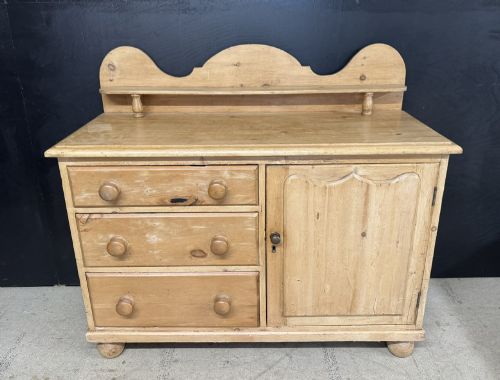
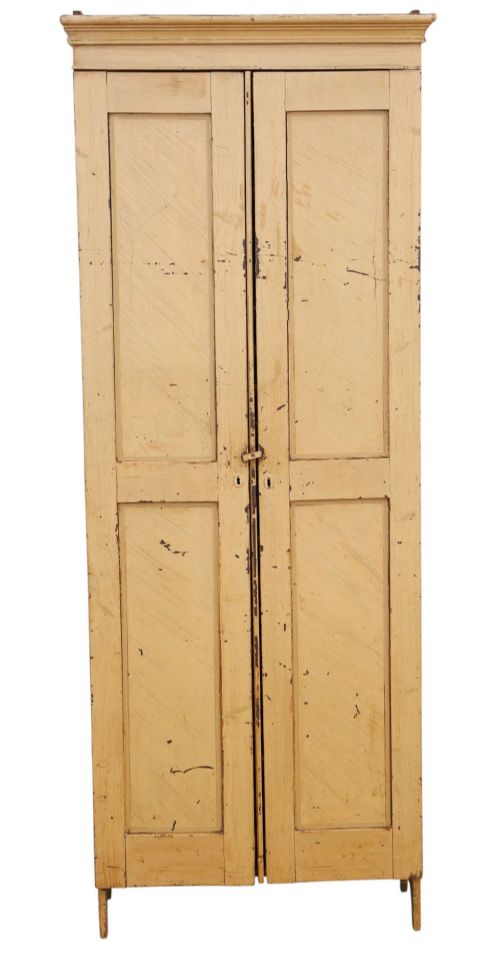
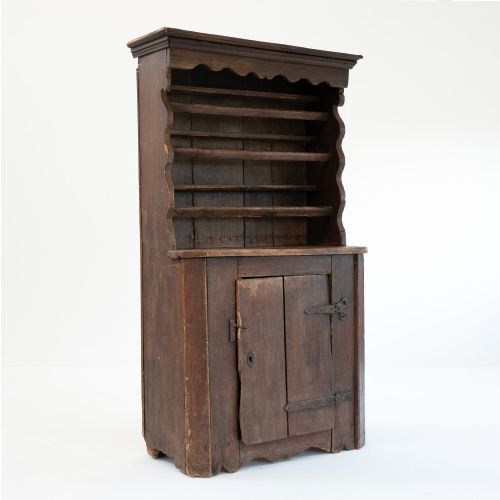
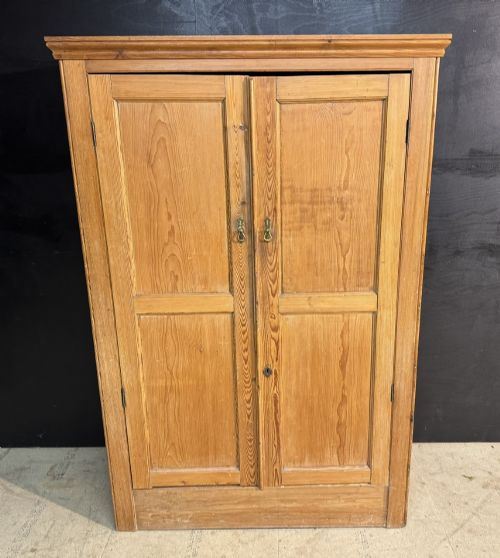
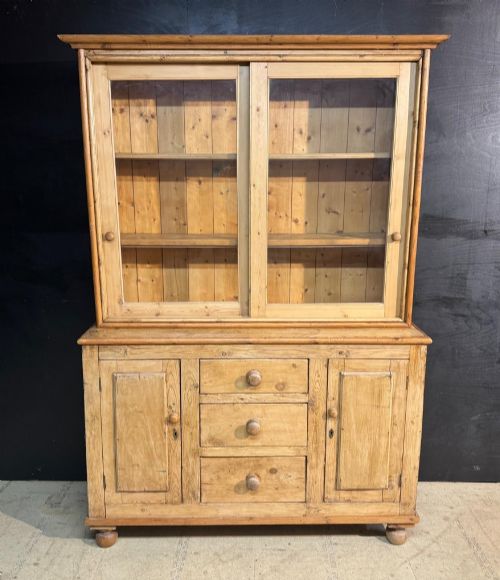
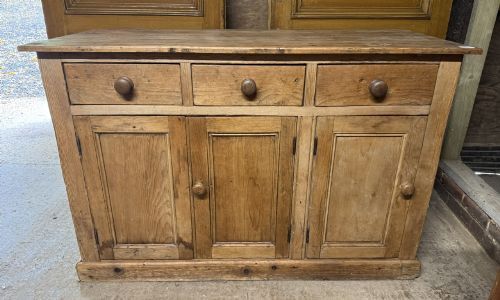
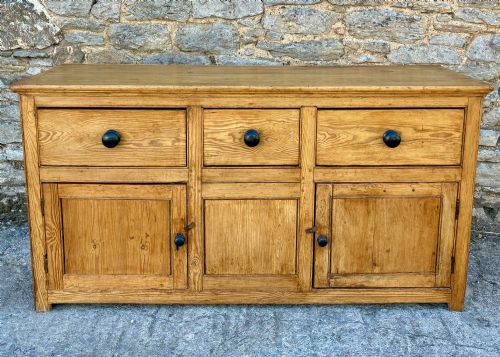
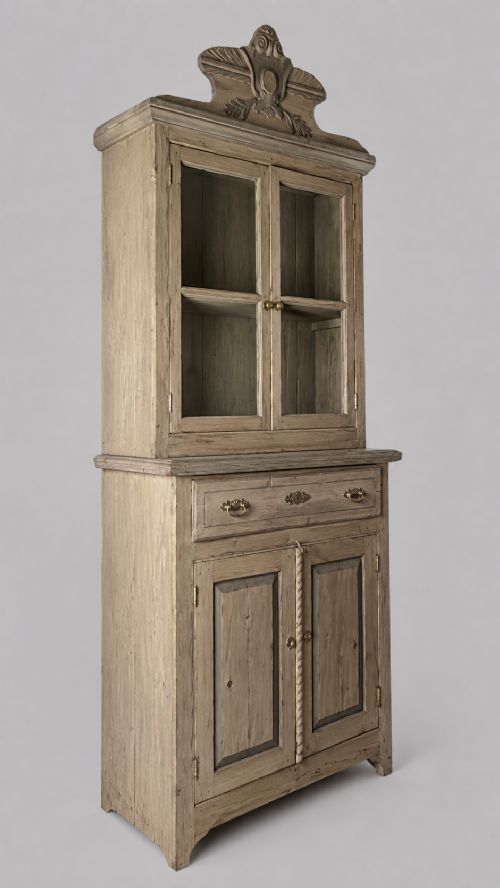
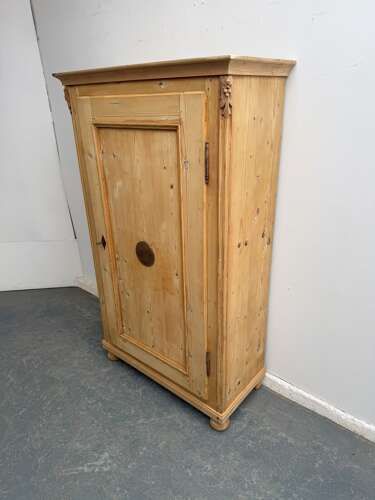
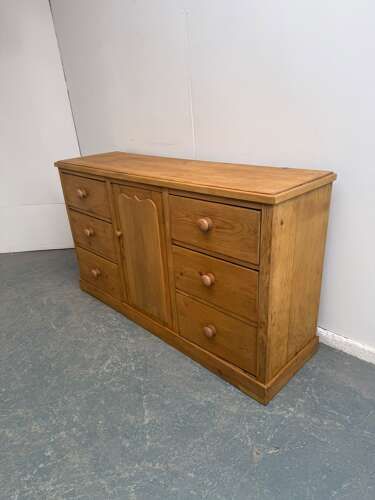
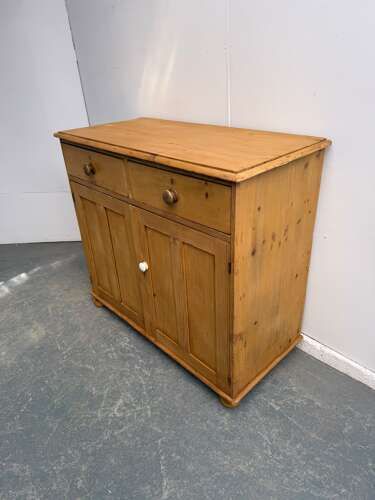
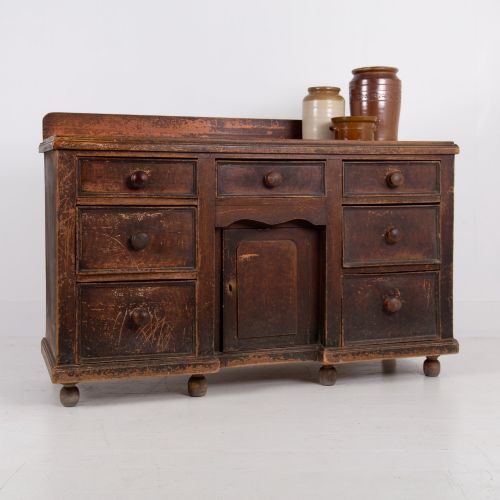
A rustic pine kitchen cupboard represents practical domestic storage shaped by regional workshops and country houses across Britain and continental Europe. These pieces encompass tall housekeeper units, larder cabinets, and multi-drawer dresser bases designed for daily provisions and utensils.
The pieces on this page span the eighteenth, nineteenth, and early twentieth centuries, reflecting utilitarian domestic traditions. Buyers will regularly encounter Victorian and Georgian examples alongside French provincial, Scandinavian, and Hungarian forms.
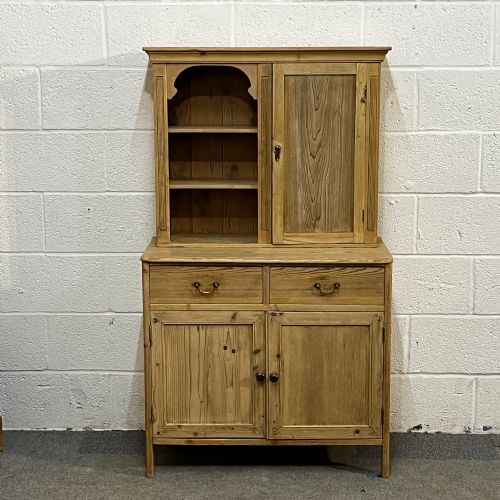
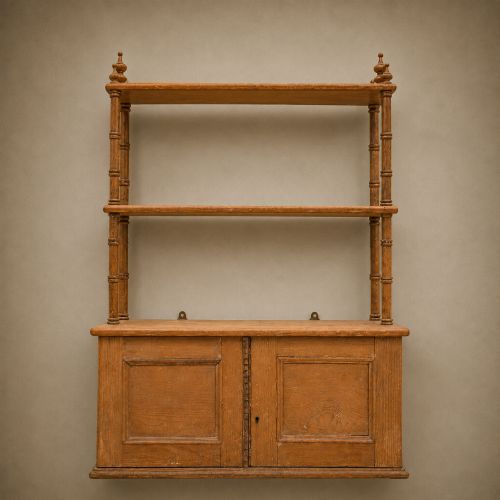
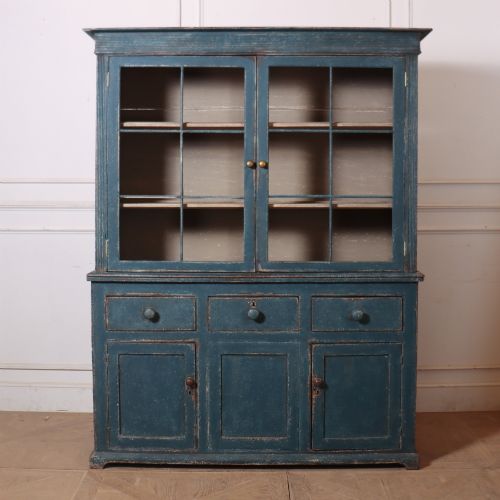
The selection ranges from compact wall shelves with cupboards to massive two-part dressers and glazed display cabinets. Unpretentious construction and functional compartmentalisation remain the defining characteristics of this group.
Materials and construction
Makers utilised solid pine as the primary timber, valued for its accessibility and workability in provincial workshops. Secondary woods occasionally appeared in internal drawer linings and structural framing.
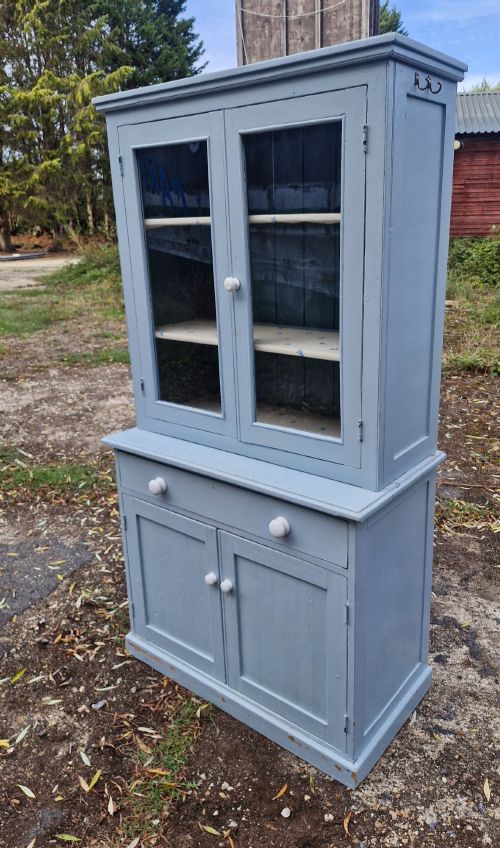
Surface treatments varied between natural wax finishes that highlighted the grain and applied layers of paint. Iron and brass fittings, including hinges, drop handles, and latches, secured doors and drawers built for heavy domestic use.
What separates the tiers
Construction integrity and the survival of original structural elements set finer examples apart from standard utility furniture. Dovetail joints in drawers and well-hung doors indicate careful regional joinery.
The preservation of an authentic surface finish, whether aged wax or genuine historic paint, defines the integrity of a piece. Altered proportions or stripped surfaces alter the character established by nineteenth-century makers.
The Rustic Pine Kitchen Cupboard Glossary
- Dresser base
- A low sideboard fitted with drawers and cupboards beneath a flat top, traditionally used for food preparation and serving. These pieces form the lower section of larger kitchen furniture arrangements.
- Larder cupboard
- A tall storage unit designed with internal shelves and ventilation panels for food preservation before refrigeration. These cabinets provide substantial vertical storage capacity.
- Confiturier
- A French provincial bedside or kitchen cupboard originally built to store pots of preserved meat or fruit. The term translates directly to jam cupboard.
- Breakfront
- A piece of furniture featuring a central section that projects forward from the flanking outer wings. This architectural arrangement adds depth to larger dressers and sideboards.
- Vented cupboard
- A cabinet fitted with pierced timber or wire-mesh panels to allow air circulation for perishable goods. These panels distinguish food storage from general utility storage.
Rustic Pine Kitchen Cupboard: Frequently Asked Questions
How do I clean a waxed pine cupboard?
Apply a traditional beeswax polish sparingly with a soft cloth and buff gently along the grain. Avoid modern silicone sprays that build up and attract dust over time.
Regular light dusting preserves the natural lustre of the timber. Keep the cupboard away from direct heat sources to prevent the pine from drying out or splitting.
Can I paint a stripped pine cupboard?
Preparation requires lightly sanding the surface and applying a suitable primer to prevent resin bleed from the pine knots. Traditional casein or chalk paints adhere well and suit period aesthetics.
Consider whether the timber already carries a historic waxed patina that deserves preservation. Painting remains a reversible choice if executed with breathable paints.
How do I date an old pine cupboard?
Examine the construction methods of the drawers and backboards, looking for hand-cut dovetails and irregularly sawn timber marks. Machine-cut screws and uniform plywood indicate later twentieth-century manufacturing.
Hardware styles and lock types offer further chronological clues, though handles are frequently replaced. Compare the overall proportions and moulding profiles with documented regional pieces from the eighteenth and nineteenth centuries.
Are these cupboards suitable for modern kitchens?
Freestanding pine cupboards provide flexible storage that adapts easily to contemporary layouts without permanent fitted installation. Their deep shelves accommodate heavy crockery, dry goods, and small appliances.
Measure available floor space and ceiling height carefully before purchase, as nineteenth-century proportions often exceed standard modern cabinetry dimensions.