

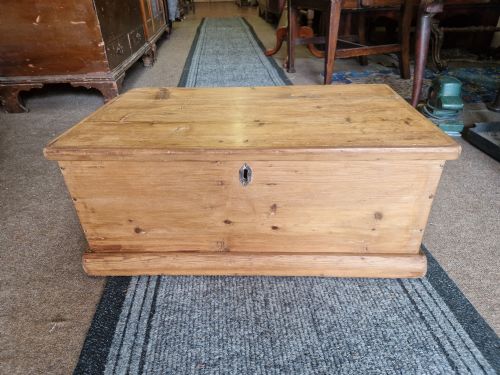


Rustic Pine Keepsake Box
A rustic pine keepsake box brings straightforward timber character and historic utility into a room, offering practical containment with folk art charm.
Rustic Pine Keepsake Box
When you search for a rustic pine keepsake box, you encounter timber storage vessels spanning several centuries of domestic craft. These pieces range from simple unadorned boxes to vividly decorated containers associated with regional folk traditions.
The versions most commonly met on this page date from the nineteenth century, including Victorian examples and mid-century Scandinavian pieces. Forms vary from small storage boxes and chests to diminutive trunks designed for personal treasures.
Origins stretch across Britain, Wales, and continental Europe, encompassing Welsh workshops and Swedish folk art traditions. Each object reflects the utilitarian needs of past households combined with local decorative preferences.
How they were made
Construction relies primarily on pine timber, shaped into box and chest forms using traditional joinery methods suited to domestic workshops. Makers utilised readily available softwood to build robust containers intended for everyday household use.
Surface decoration frequently involves hand-applied paint and pigment, creating folkloric motifs characteristic of Scandinavian country style and European folk art. Metal elements such as iron, wrought iron, and brass provide structural reinforcement and functional hinges or latches.
Rustic Pine Keepsake Box Retail Price Guide 2026
Typical asking prices for rustic pine keepsake box among the pieces listed under this phrase on Sellingantiques today, from the lower quarter to the upper quarter. They describe what is for sale here now, not the wider market.
A tiny Victorian trunk found here proves that even luggage once came in miniature, perfect for storing secrets.
What varies in quality
The distinction between standard utility items and finer decorative examples lies in the survival of original painted surfaces and regional folk art details. Pieces retaining authentic pigment and intentional decorative schemes command greater interest than plain, utilitarian containers.
Structural integrity and the retention of original hardware, including iron or brass fastenings, influence the character of each box. The subtlety of proportions and the evidence of early hand-tool work further distinguish exceptional examples from simpler vernacular pieces.
The Rustic Pine Keepsake Box Glossary
- Pine
- A softwood timber commonly used for historic domestic furniture and storage boxes due to its accessibility and workability. It accepts paint and finishes readily.
- Folk art
- Artistic work produced from an indigenous culture or peasant tradition, often featuring hand-painted motifs. These designs reflect regional identities rather than academic art canons.
- Baroque
- An ornate artistic style originating in the seventeenth century, characterised by dynamic forms and theatrical details. In Scandinavian pieces, this translated into robust, curved structural lines.
- Regency
- A British stylistic period spanning the early nineteenth century, known for refined classical proportions. Pieces from this era often blend formal restraint with traditional materials.
- Trunk
- A large, sturdy box used historically for travel or substantial storage, frequently fitted with metal mounts for durability. Smaller variations function well as keepsake containers.
Rustic Pine Keepsake Box: Frequently Asked Questions
What periods do these boxes come from?
The selection includes pieces spanning from the seventeenth century through to the late nineteenth century. Many examples date specifically from the Victorian era and the mid-nineteenth century.
Earlier specimens reflect seventeenth and eighteenth-century craftsmanship, such as Swedish Baroque forms, while later pieces showcase Victorian country and folk art traditions.
How were these boxes used historically?
These wooden vessels served as practical containers for storing personal valuables, documents, textiles, and household keepsakes. Their robust construction protected contents from dust and damp in domestic settings.
Smaller trunks and decorative boxes were frequently kept in bedrooms or parlours for everyday utility and personal organisation.
Are painted finishes original?
Many nineteenth-century and Scandinavian examples feature hand-applied paint and pigment that form an integral part of their folk art heritage. These decorative surfaces reflect regional styles and traditional motifs specific to their area of origin.
Careful inspection reveals how pigment interacts with the underlying pine timber over decades of exposure and handling.
How do I style a pine keepsake box at home?
These boxes integrate easily into modern or traditional interiors as functional tabletop storage or decorative focal points on shelves. Their modest scale makes them suitable for holding small items while adding historic texture to a room.
Pairing a painted folk art box with simple wooden furniture highlights the natural grain and historic patina of the pine.