



Pine Document Box
These pine document box pieces offer practical utility paired with honest folk art character, bringing period charm to any room.
Pine Document Box
A pine document box serves as a portable container designed for safe storage of letters, papers and valuables, drawing on traditions of functional domestic joinery. These utilitarian containers range from plain utilitarian storage to highly decorative folk art objects intended for display.
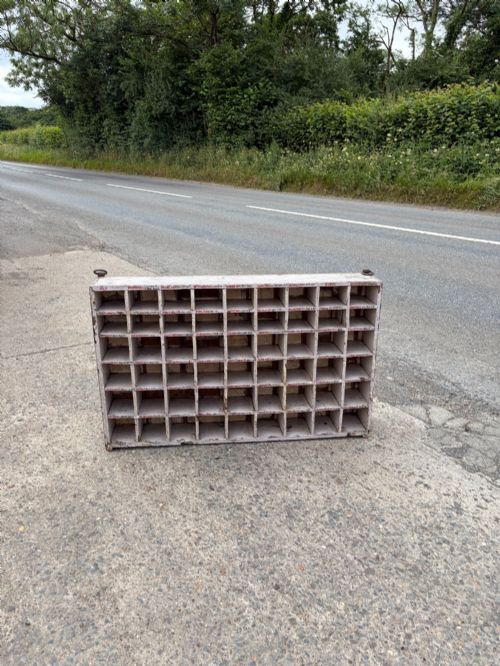
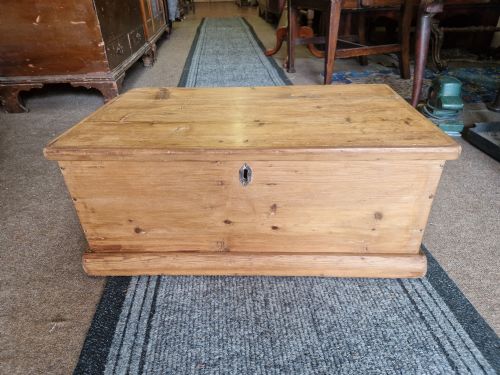
Buyers meeting this selection encounter pieces primarily from the nineteenth century, alongside occasional early twentieth century pigeon holes. Forms span simple rectangular boxes, dome top boxes, oval strong boxes and sarcophagus shapes, often showing Scandinavian or British country origins.
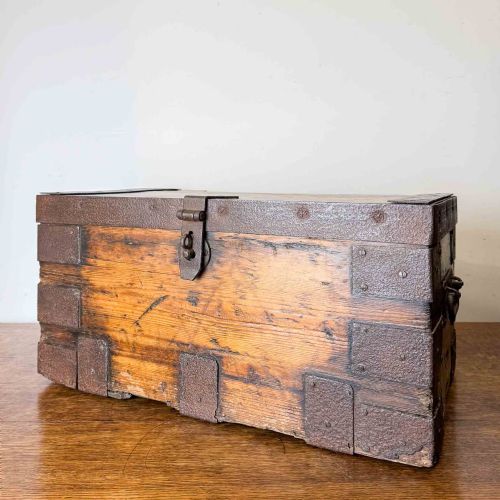
The assortment includes specialised items such as table top writing desks and iron bound strongboxes alongside standard storage boxes and trunks. Most examples rely on softwood construction, occasionally incorporating elm or augmented with wrought iron bindings for security.
How they were made
Makers constructed each pine document box using solid timber boards joined with traditional methods suited to everyday service. Surface treatments frequently involve hand painted finishes, displaying historic layers of pigment that define regional Scandinavian and folk art aesthetics.
Structural reinforcement often incorporates iron or wrought iron straps, hinges and metal bindings to protect corners and secure lids against heavy use. Strongboxes and document chests utilise these metallic additions alongside timber construction to ensure contents remain protected.
Pine Document Box Retail Price Guide 2026
Typical asking prices for pine document box among the pieces listed under this phrase on Sellingantiques today, from the lower quarter to the upper quarter. They describe what is for sale here now, not the wider market.
Several strongboxes wear coats of historic green paint, proving that our ancestors understood the calming power of a well-chosen hue.
What varies in quality
Quality in a pine document box rests on the preservation of original painted surfaces and the integrity of the underlying timber joinery. Pieces retaining their early or original paint schemes command greater interest among collectors than stripped or later repainted examples.
The sophistication of construction also separates standard utilitarian containers from bespoke folk art pieces featuring shaped profiles, dome tops or complex iron work. Details such as dovetail joints, hand forged metal bindings and intact internal fittings elevate the standing of an individual box.
The Pine Document Box Glossary
- Strongbox
- A heavily reinforced storage container designed to secure valuables, typically constructed with timber and bound in iron or wrought iron straps.
- Dome top box
- A storage box featuring a rounded, curved lid that allows for increased internal capacity and sheds moisture effectively.
- Folk art
- Decorative and utilitarian objects made within a traditional cultural community, often characterised by naive painting styles and vernacular forms.
- Sarcophagus box
- A container shaped with a sloping or pedimented lid resembling ancient stone coffins, popular for decorative desktop storage during the nineteenth century.
- Writing slope
- A portable slant topped box designed to provide an angled surface for correspondence while housing stationery and documents inside.
Pine Document Box: Frequently Asked Questions
How were these boxes used originally?
These boxes served households, merchants and officials as secure portable receptacles for keeping legal papers, correspondence and small valuables protected from dust and damage.
Many functioned on tabletops or desks, while iron bound strongboxes provided additional security against theft and heavy handling.
How should I style a pine document box at home?
A pine document box suits placement on sideboards, consoles or shelves where its historic timber texture and painted surface add warmth to an interior.
They also function practically for storing modern letters, photographs or keepsakes while maintaining a decorative presence in living spaces.
How can I tell the period of a pine document box?
Dating relies on examining construction methods, nail types, timber patination and the characteristics of any surviving painted decoration.
Nineteenth century examples often display hand forged ironwork, vernacular Scandinavian folk art motifs or traditional pegged joinery typical of the period.