
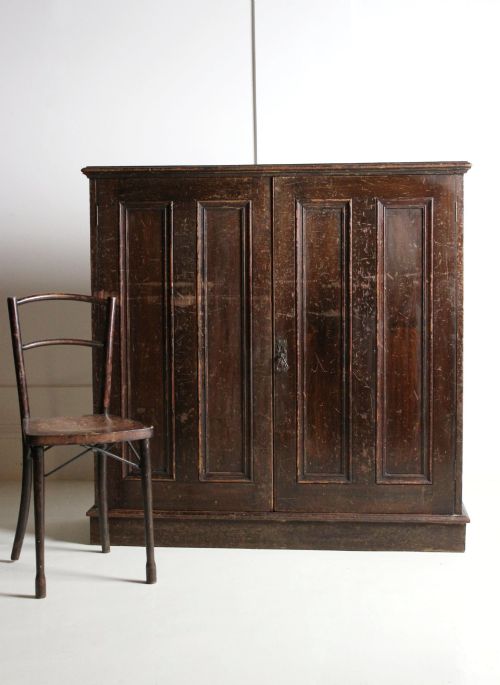
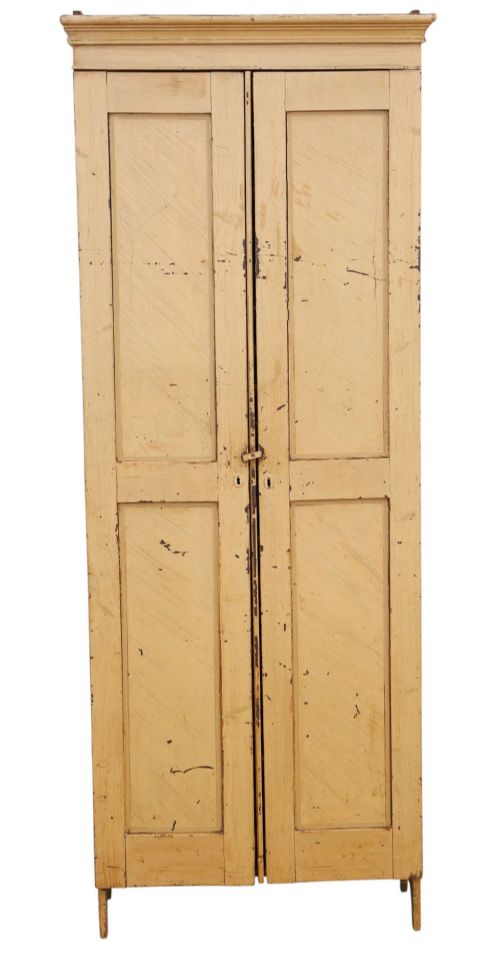
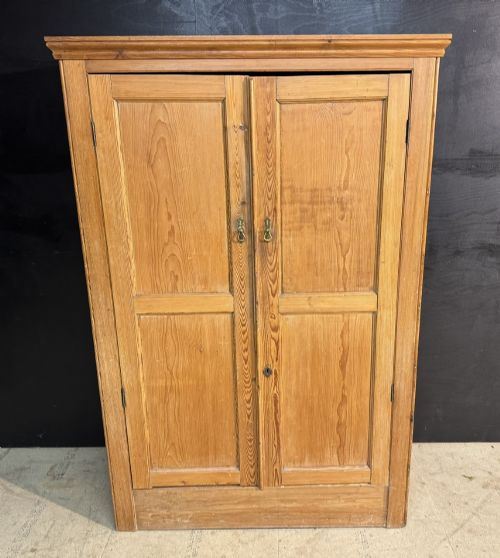
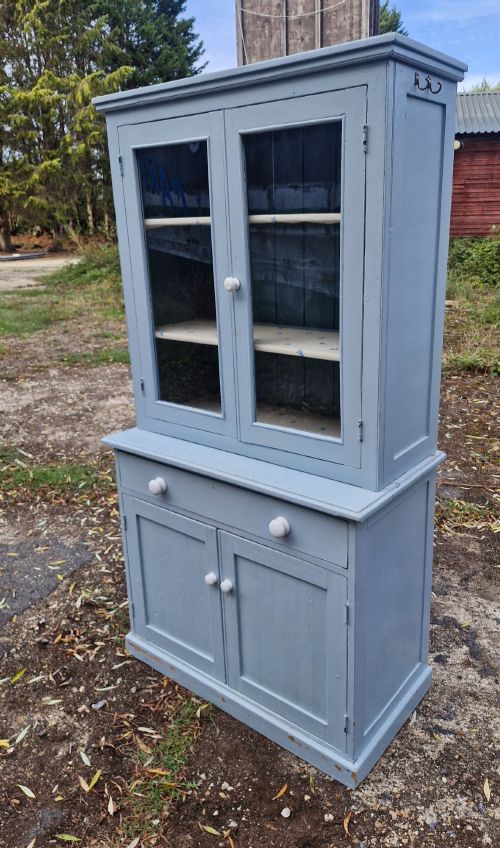
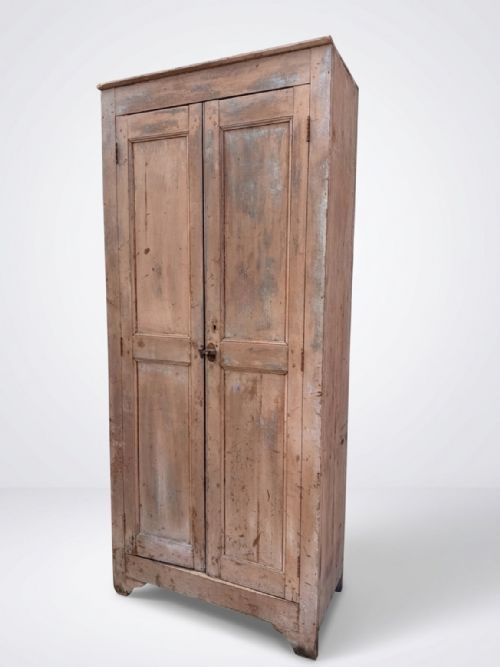
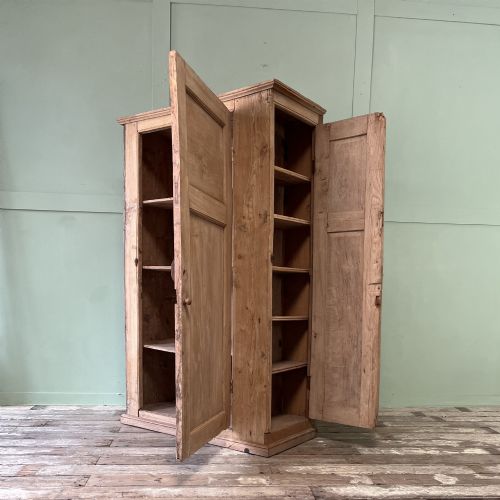
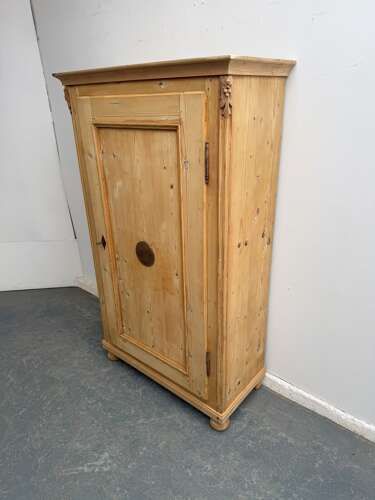
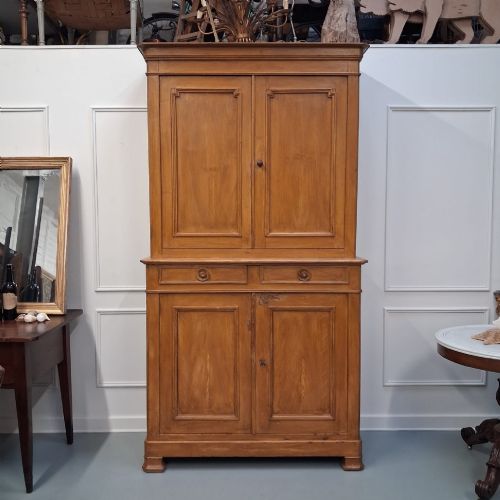
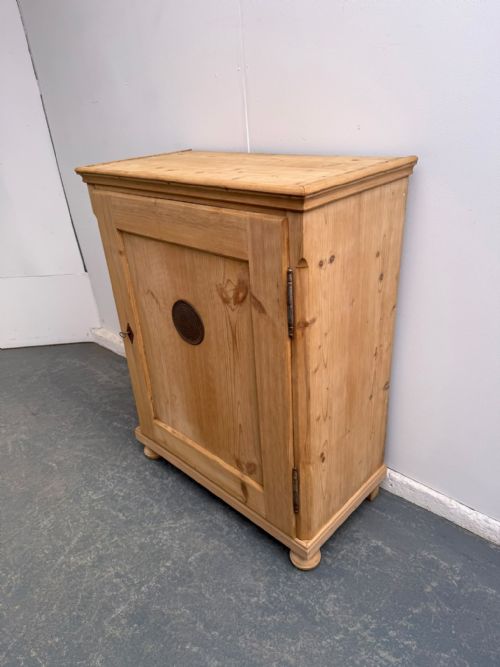
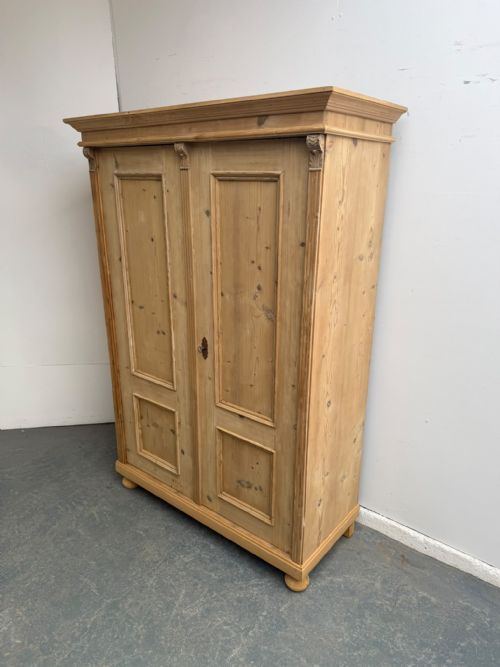

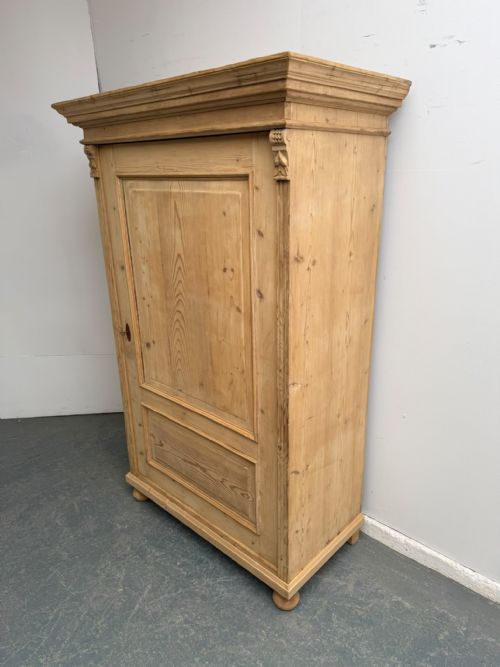
Rustic Pantry Cabinet
These rustic pantry cabinet pieces are honest storage cupboards built for daily provisioning, offering deep shelves and period character to country kitchens.
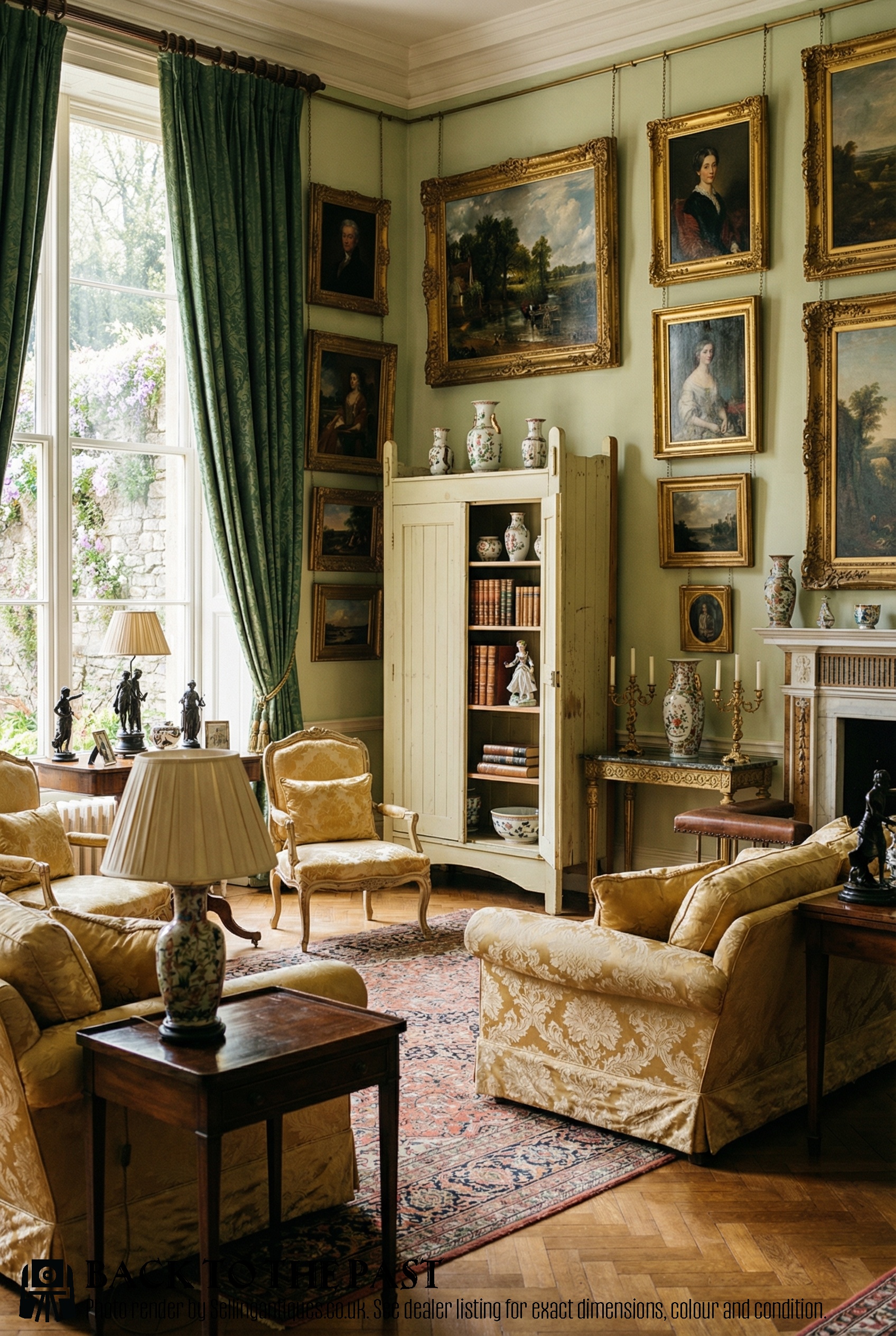
Rustic Pantry Cabinet
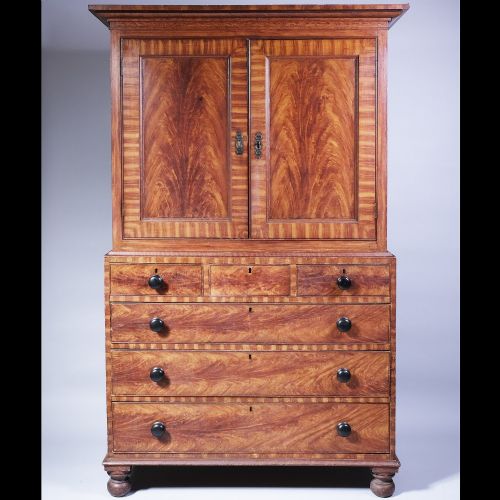
A rustic pantry cabinet serves as a hardworking storage piece designed to hold household provisions, utensils, and linens in domestic spaces. The pieces encountered here span from the eighteenth century through to the early twentieth century, taking the form of tall housekeepers' larders, two-part kitchen units, and food cupboards.
Most examples originate from British, French, and Scandinavian provincial workshops, reflecting regional vernacular traditions. Buyers will most frequently meet nineteenth-century pine and oak iterations, often finished in original paint, scumble, or bare wax.
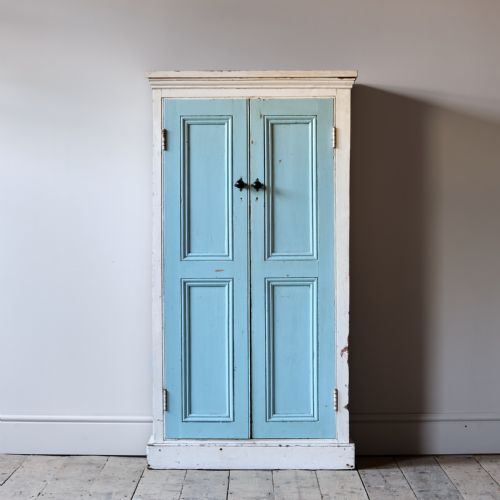
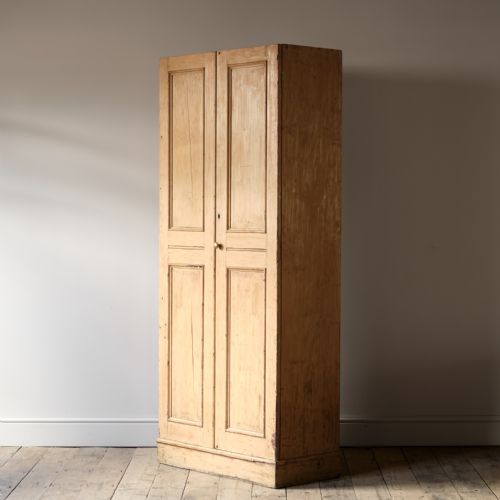
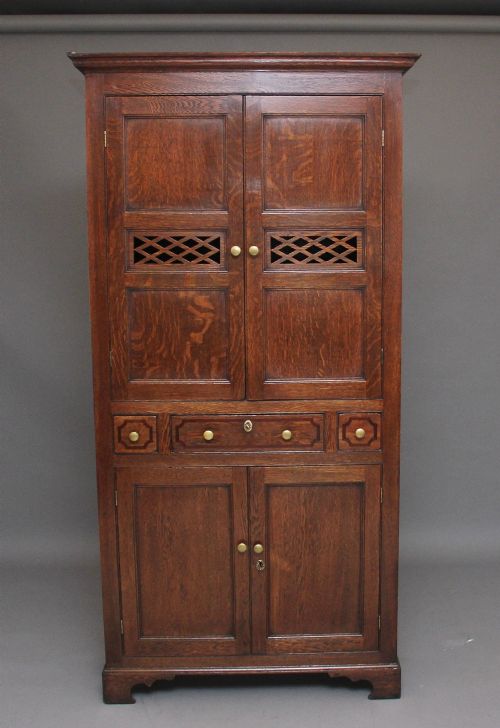
Forms range from narrow single-door cupboards to substantial four-door storage units with internal shelving and ventilation panels. These items bring robust utility and regional character to modern kitchen and dining interiors.
How they were made
Makers relied primarily on solid pine, oak, elm, and teak, selected for local availability and structural durability. Panels were frequently fielded or planked to handle seasonal movement in unheated country homes.
Hardware consists of iron hinges, latches, and brass pulls that secure heavy doors against regular use. Surface treatments range from simple wax to layered historic paint finishes, scumbling, and traditional milk paint.
Materials across the inventory include pine, oak, elm, teak, painted wood, iron, and brass.
What varies in quality
Quality rests upon the integrity of the original construction, timber selection, and the survival of primary surfaces. Superior examples retain their original backboards, internal shelving arrangements, and period ironmongery without extensive timber replacement.
Proportion and scale dictate desirability, with shallow larders and tall narrow cupboards commanding particular attention for domestic placement. The distinction between a utilitarian workshop piece and a finer regional vernacular build lies in the crispness of joinery and the depth of the patination.
The Rustic Pantry Cabinet Glossary
- Scumble paint
- A decorative oil-based glaze technique applied over a lighter base coat to simulate more expensive wood grains. It creates a mottled, textured finish common on nineteenth-century country furniture.
- Housekeeper's cupboard
- A large storage piece traditionally used in manor houses to store household linens, dry goods, and tableware. These units often feature upper cupboards and lower banks of drawers.
- Vented cupboard
- A storage cabinet fitted with pierced tin, wire mesh, or slatted panels to permit air circulation around perishable foodstuffs. This design kept bread, cheese, and meats cool before mechanical refrigeration.
- Fielded panel
- A wooden door panel with bevelled edges that fits into a grooved frame, allowing the timber to expand and contract with humidity changes. It adds structural strength and visual depth to the facade.
- Vernacular furniture
- Domestic objects built by local craftspeople using regional materials and traditional methods, prioritizing utility over high-style academic design.
Rustic Pantry Cabinet: Frequently Asked Questions
How do I clean a painted pine cupboard?
Dust the surface regularly with a soft, dry cloth to remove grit without disturbing fragile historic finishes. Avoid modern chemical solvents that can strip original milk paint or scumble glazes.
Nourish bare pine sections with a traditional beeswax polish applied sparingly and buffed gently. Keep the timber away from direct heat sources and dramatic humidity fluctuations to prevent warping.
Were these cupboards built in one piece?
Larger larders and housekeepers' cupboards were frequently constructed in two sections, featuring a smaller upper cabinet resting upon a deeper base. This method aided transport through narrow farmhouse doorways.
Smaller cupboards and single-door food cabinets were built as rigid single units. Check the construction joints if moving the piece between rooms.
How do I tell an 18th century cupboard from a Victorian one?
Eighteenth-century pieces typically display pegged mortise and tenon joinery, hand-riven timber, and deep patination earned through generations of domestic use. Oak and elm are more common in these earlier vernacular builds.
Victorian pieces often utilise machine-sawn pine, standardised iron hinges, and applied beaded mouldings. Painted surfaces from the nineteenth century frequently show multiple historic layers.
Can I use a pantry cabinet in a modern kitchen?
These cabinets offer deep shelving and generous volume that suit modern kitchen storage needs for dry goods and tableware. Their slim profiles allow them to fit into tight alcoves where standard fitted units fail.
Ensure the floor is level so the heavy doors hang correctly on their original iron hinges. Ventilation holes on period food cupboards help keep stored items airy.