


Rustic Painted Buffet
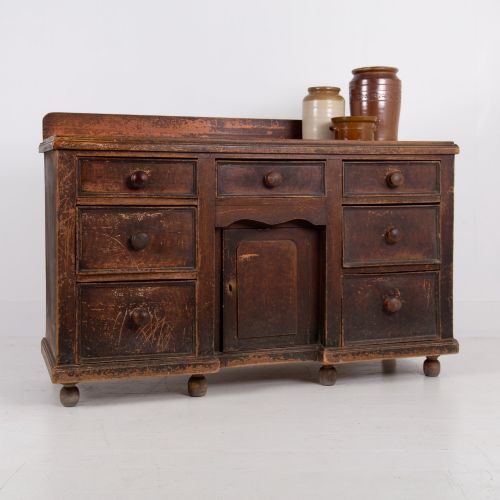
A rustic painted buffet grounds a room with regional character, offering practical storage through time-worn surfaces and honest country proportions.
Rustic Painted Buffet
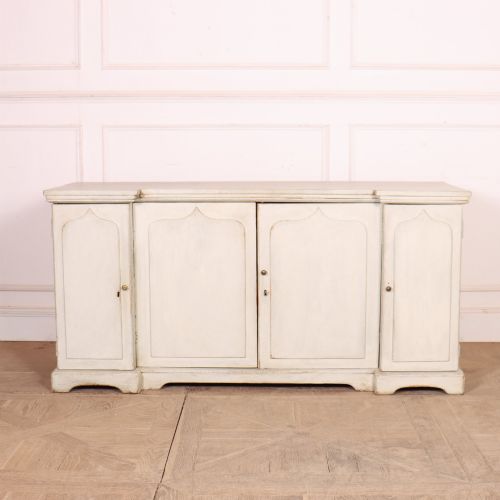
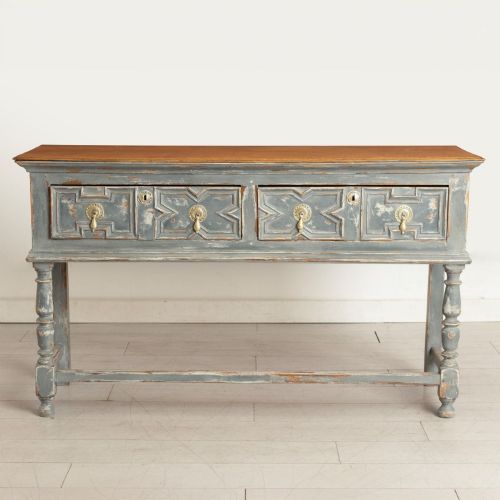
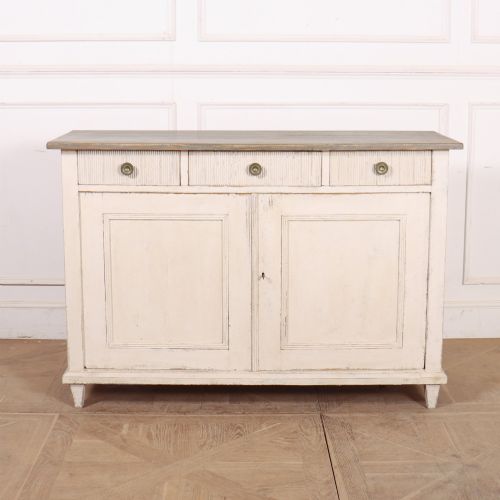
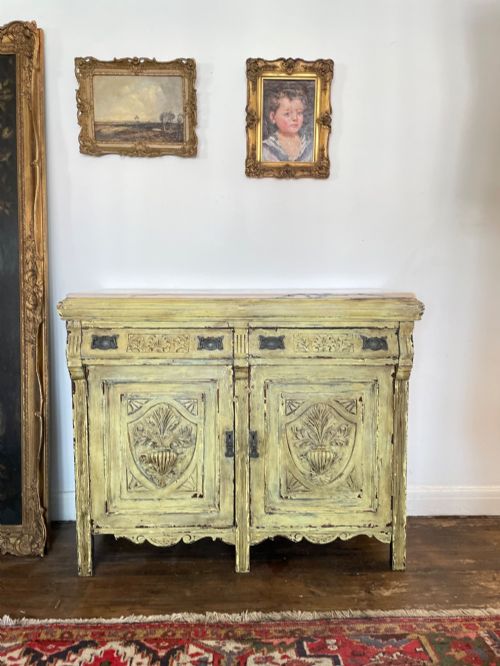
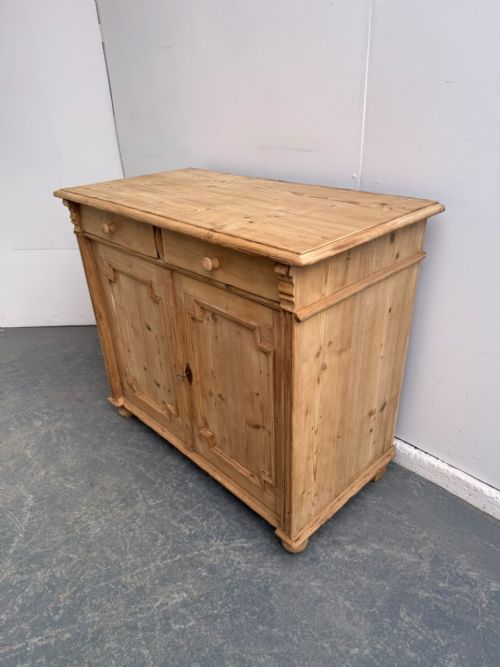
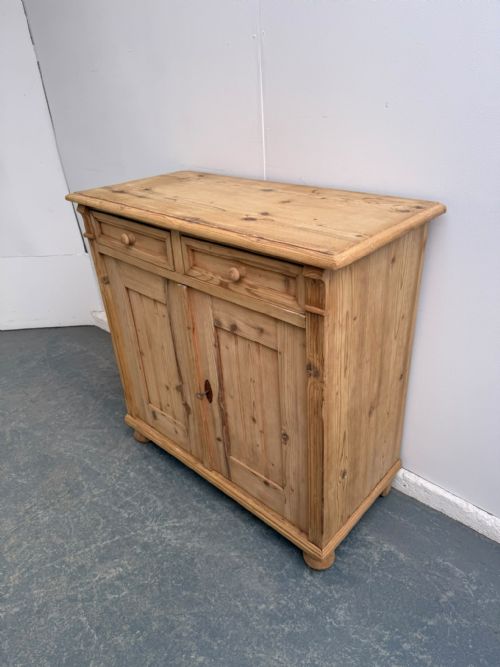
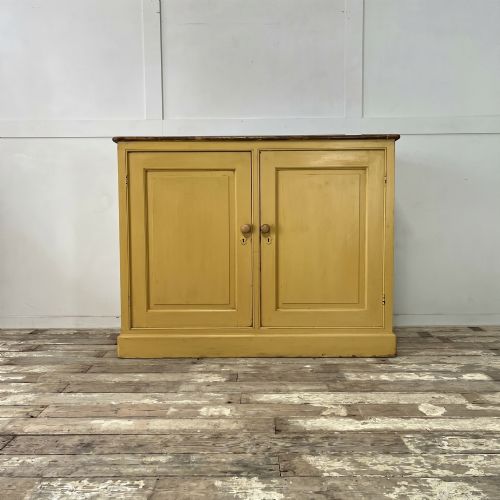
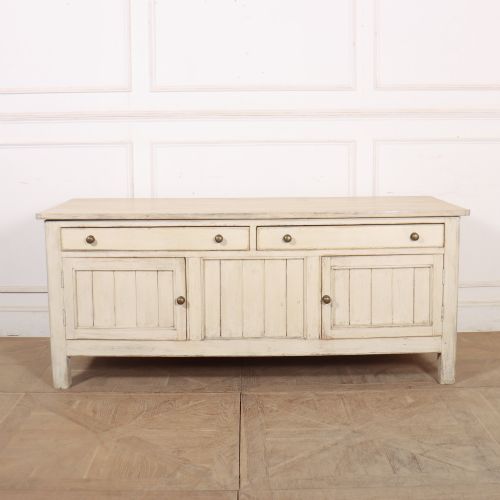
A rustic painted buffet combines functional kitchen and dining storage with the decorative charm of regional cabinet-making traditions. When searching this phrase, a buyer encounters substantial furniture designed for practical service in domestic interiors, from country houses to simple farmhouses.
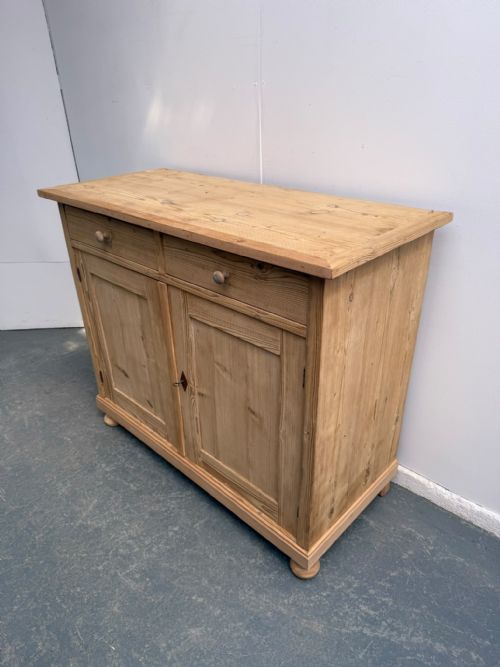
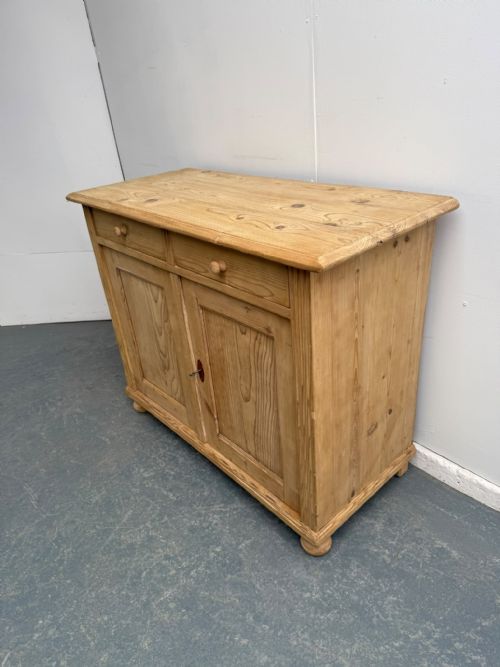
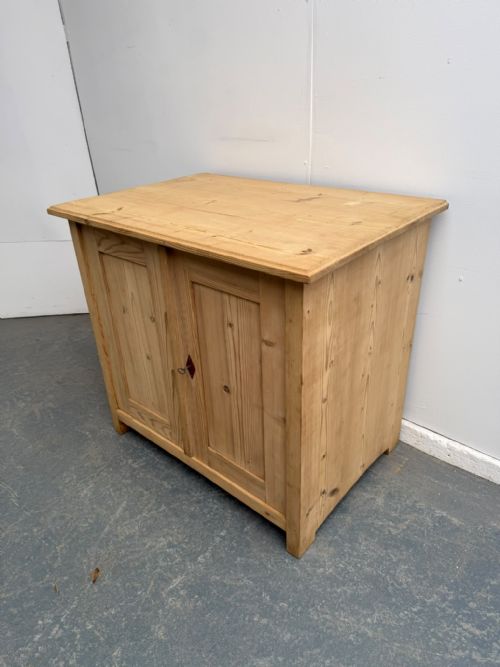
The selection here spans diverse forms including dresser bases, two-door storage cupboards, sideboards, and tall kitchen cabinets. Pieces originate from English, Scottish, French, and Scandinavian workshops, reflecting distinct local approaches to utility and design.
Dating primarily from the eighteenth, nineteenth, and early twentieth centuries, these items show the heavy use expected of hardworking kitchen furniture. Many survive with their original surface treatments, whether scraped paint, layered colour, or honest wood finishes.
What varies in quality
Quality rests in the integrity of the original construction and the survival of authentic surface decoration rather than smooth perfection. Pieces retaining their original unstripped paint layers hold distinct visual depth compared to those altered or stripped down to bare wood.
Proportion and regional vernacular detail dictate the distinction between standard utility furniture and finer cabinet-making. Well-balanced cornices, sturdy potboards, and retained internal shelving demonstrate superior original intent.
Listings feature eighteenth, nineteenth, and early twentieth-century examples built from pine, oak, and painted wood.
The Rustic Painted Buffet Glossary
- Dresser base
- A low sideboard or cabinet featuring drawers and cupboards, historically used for food preparation and storage in the kitchen.
- Potboard
- An open lower shelf built into a dresser base, traditionally used for storing heavy pots and pans off the damp floor.
- Ragwork paint
- A decorative surface technique where rags are used to manipulate wet paint, creating a mottled or textured finish.
- Breakfront
- A cabinet design where the central section projects forward from the flanking outer sections, adding architectural depth.
- Buffet à deux corps
- A large traditional continental cupboard featuring an upper and lower section built as a single imposing unit.
Rustic Painted Buffet: Frequently Asked Questions
How do I use a buffet in a modern kitchen?
These cabinets provide generous surface area for food preparation alongside deep cupboards for everyday tableware and cookware storage.
Their substantial height and surface depth also make them ideal sideboards for serving food during gatherings.
What is the difference between a dresser base and a sideboard?
A dresser base typically includes sturdy timber construction with deep drawers and lower cupboards originating from working country kitchens.
Sideboards often share similar low proportions but frequently lean towards formal dining room service rather than heavy culinary preparation.
How should I care for original painted wood?
Protect the fragile historic surfaces by keeping pieces away from direct heat sources and strong sunlight that can dry out old pigments.
Dust gently with a dry cloth and avoid harsh chemical cleaners that strip away the accumulated patina of decades.
How can I tell a nineteenth-century piece from an eighteenth-century one?
Earlier eighteenth-century examples frequently utilise solid oak construction and simpler, heavier joinery dictated by regional country traditions.
Nineteenth-century pieces often showcase wider use of pine, varied regional painted finishes, and more standardised hardware components.