

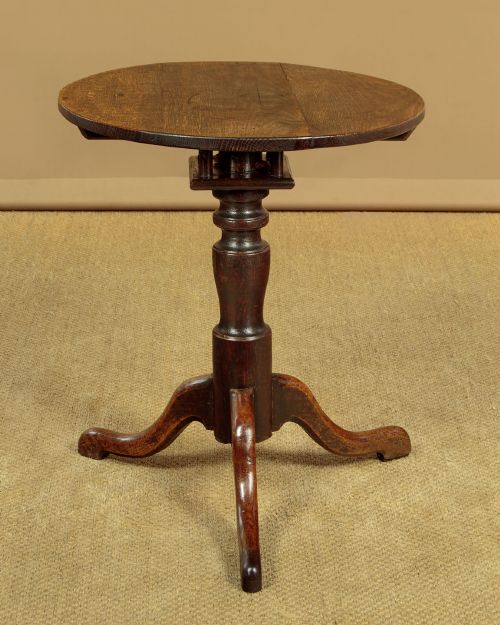


Rustic Oak Tripod Table
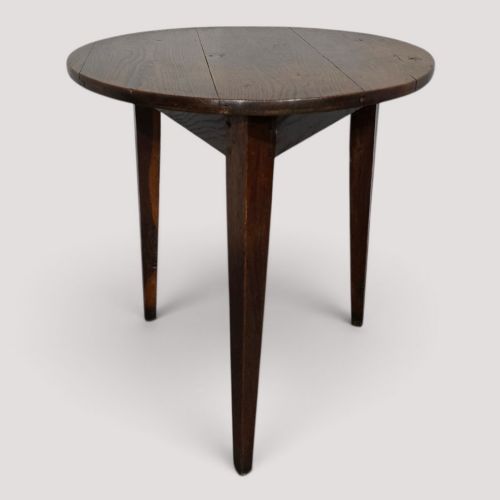
A rustic oak tripod table brings straightforward country utility and honest carpentry into a room.
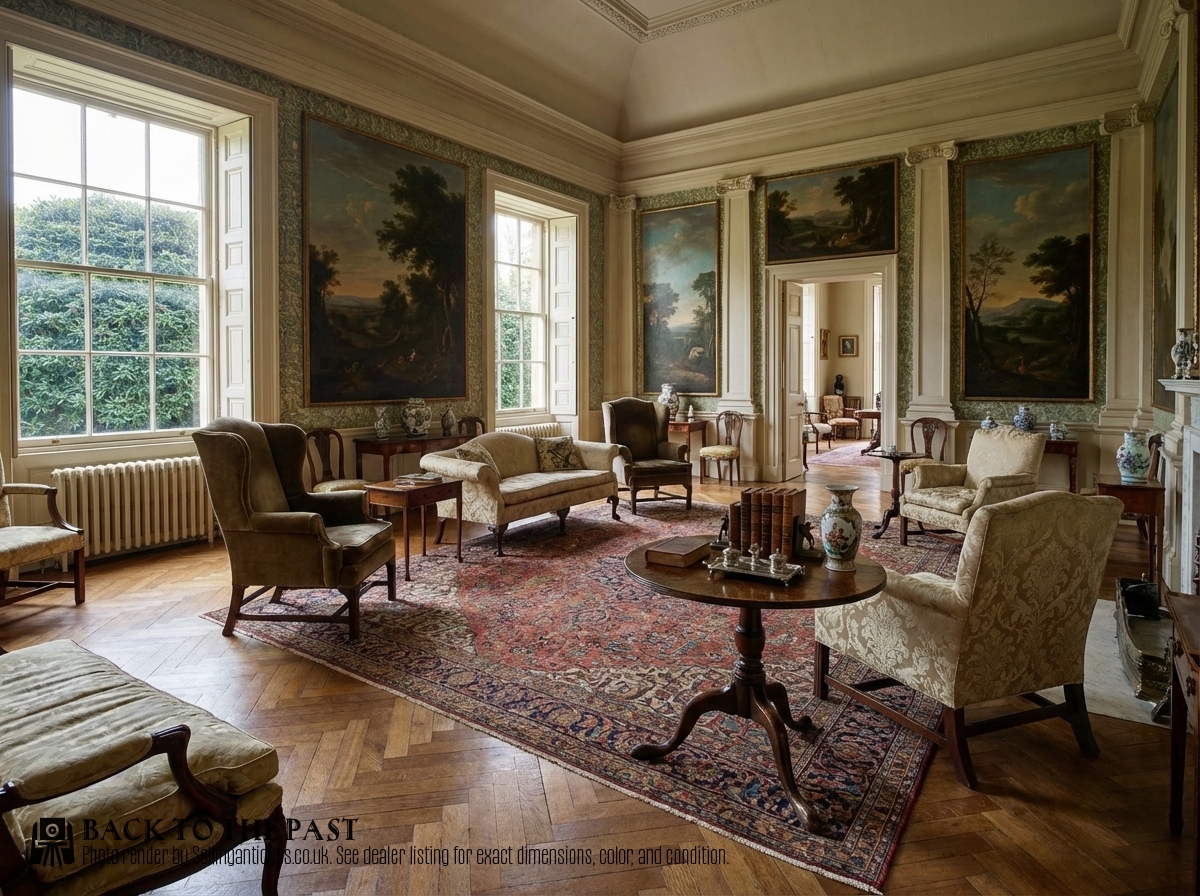
Rustic Oak Tripod Table
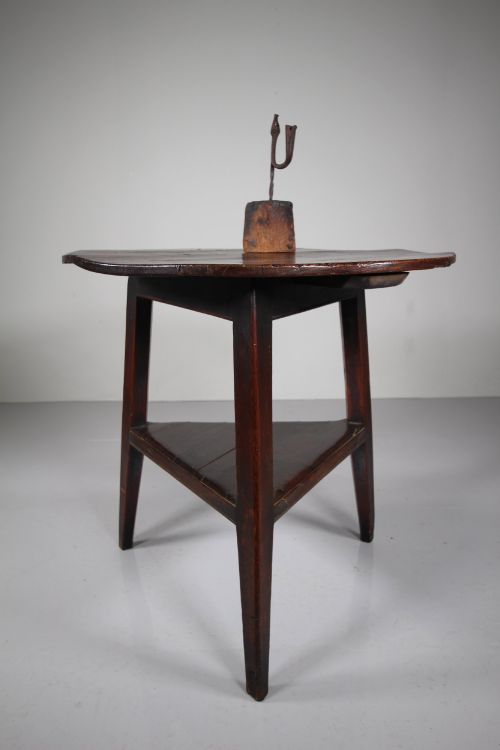
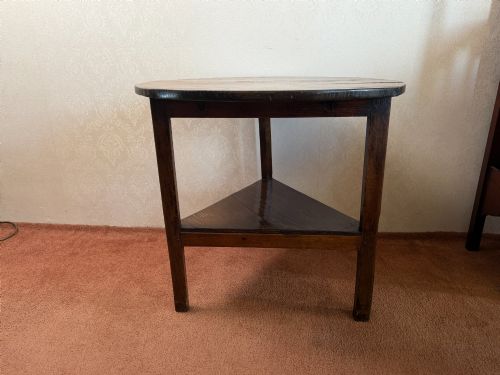
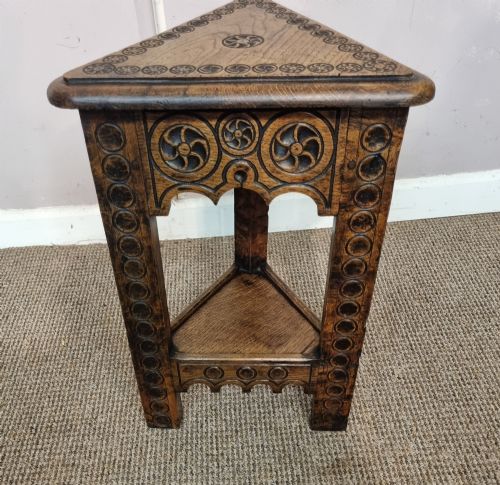
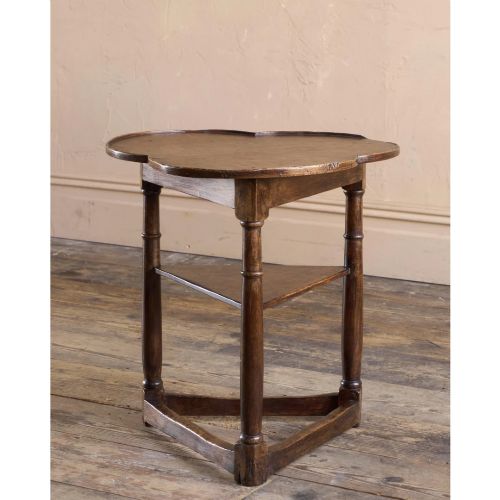
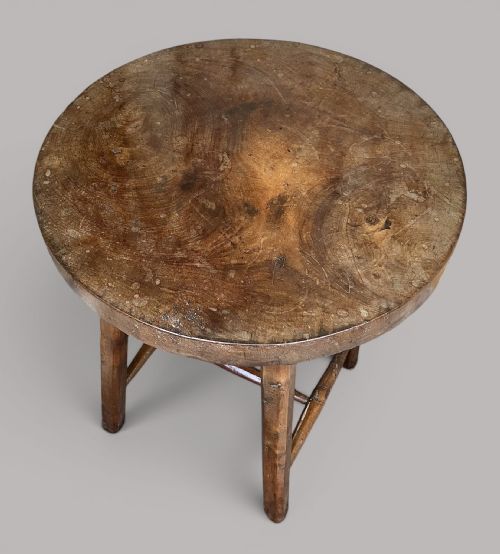
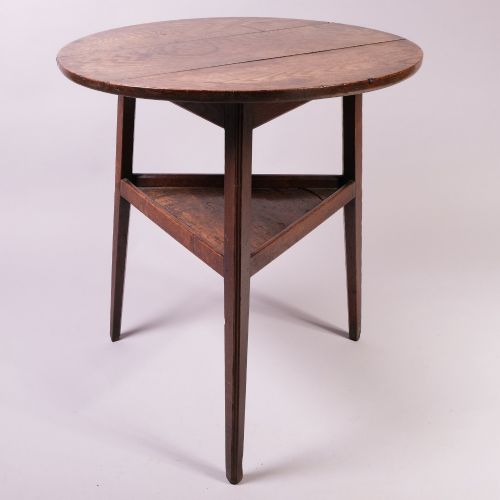
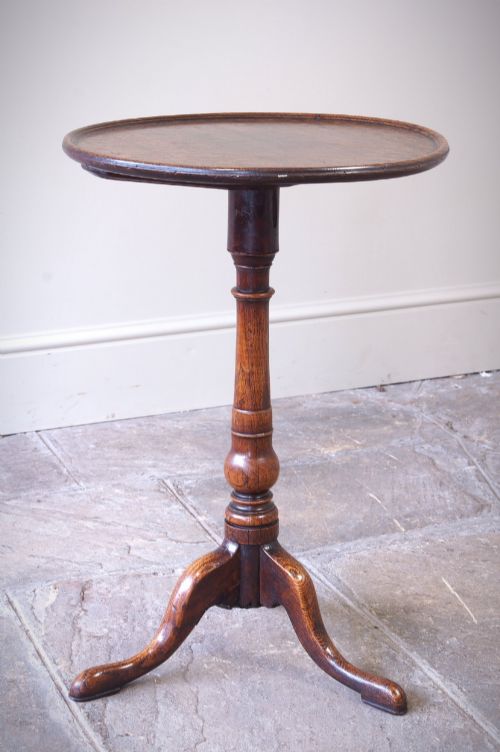
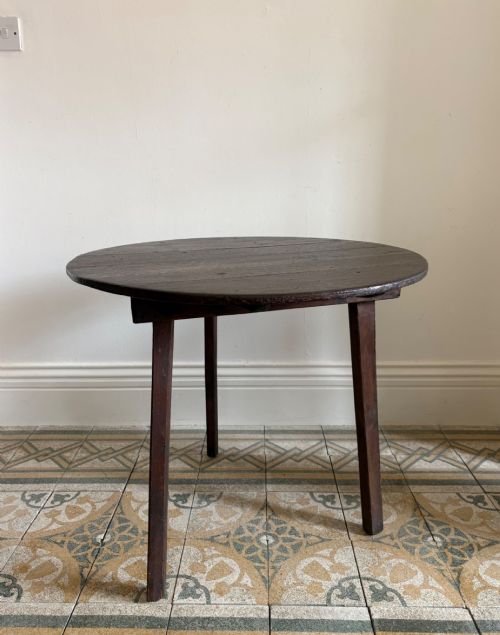
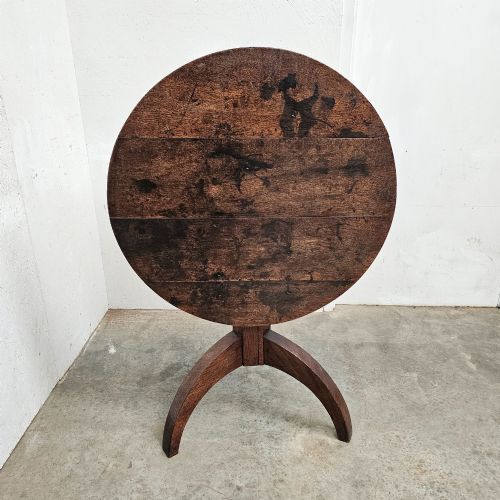
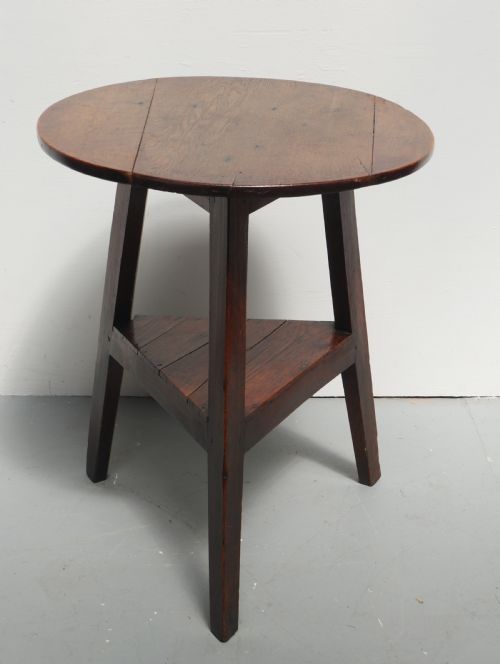
When you search for a rustic oak tripod table, you encounter compact circular or triangular tables supported by three legs, often termed cricket tables or occasional stands. These pieces belong to vernacular traditions originating across the eighteenth and nineteenth centuries, spanning Georgian country workshops and later revival periods.
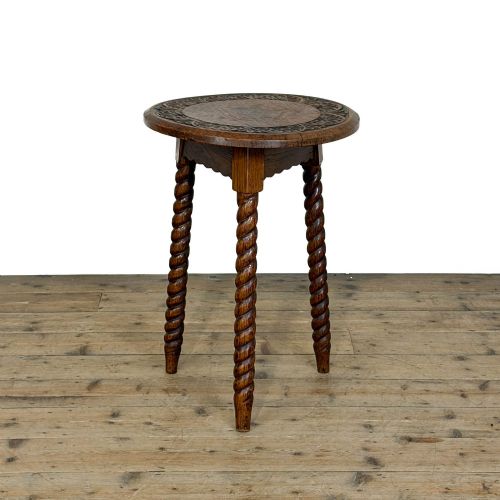
The most frequent examples found here take the form of sturdy oak cricket tables with plank or circular tops raised on three splayed legs. Makers built them for utility in farmhouses and cottages, resulting in simple lines and honest functional design.
How they were made
Carpenters constructed these tables using solid native hardwoods, primarily oak combined with elm, ash, or pine for bases and secondary framing. Traditional joints such as pegged tenons and through-tenoned legs secured the three-legged frame firmly to the underside of the top.
Surface preparation relied on simple hand planes and drawknives, leaving tool marks and natural grain variations visible across the timber. Some examples display painted finishes or turned details like bobbin legs, reflecting local vernacular preferences.
Several tables show scars from centuries of spilt ale and hurried candlelit suppers.
What varies in quality
Quality rests upon the integrity of the timber selection and the retention of original structural surfaces rather than decorative excess. Tables retaining their early pegged joints and unpainted, patinated hardwood display superior craftsmanship compared to later heavily restored equivalents.
Proportion and balance define the upper tier of these pieces, where splayed legs provide stable support without clumsy alterations. The integration of contrasting secondary woods, such as pine bases paired with oak plank tops, shows regional utility rather than diminished standard.
The Rustic Oak Tripod Table Glossary
- Cricket table
- A small three-legged table, typically featuring a round top and pegged construction used in vernacular households.
- Vernacular
- Everyday domestic furniture made by regional craftsmen using local materials rather than following metropolitan fashion.
- Trefoil top
- A three-lobed tabletop shape sometimes found on early tripod tables.
- Tilt-top
- A tabletop hinged to a pillar and tripod base, allowing the surface to fold flat when not in use.
- Pollard oak
- Timber gathered from trees that were pollarded, producing dense wood with decorative clustered grain patterns.
Rustic Oak Tripod Table: Frequently Asked Questions
What is a cricket table?
A cricket table is a small three-legged occasional table traditionally made from oak or other local hardwoods. The three-legged design kept the table stable on uneven flagged or dirt floors in old cottages.
These pieces served flexible domestic roles, from holding mugs near the hearth to supporting everyday household tasks.
How do I style a tripod table?
A rustic tripod table fits well beside an armchair or as a small lamp stand in a sitting room. Its compact footprint allows it to occupy corners or tight spaces without crowding the room.
Keep objects placed on top simple to let the grain and timber texture remain visible.
How do I date an oak tripod table?
Dating relies on examining the construction methods, tool marks, and wood species used in the frame. Eighteenth-century examples often show pegged joints and hand-planed surfaces characteristic of regional country workshops.
Later nineteenth-century pieces may incorporate machine-sawn timber or different secondary woods beneath the top.
Were these tables painted originally?
Some period tables feature early or historic painted finishes over the oak and pine structures. Regional makers often applied paint to protect the timber or match local cottage interiors.
Traces of early pigment add character and record the working history of the piece.