




Rustic Oak Open Armchairs
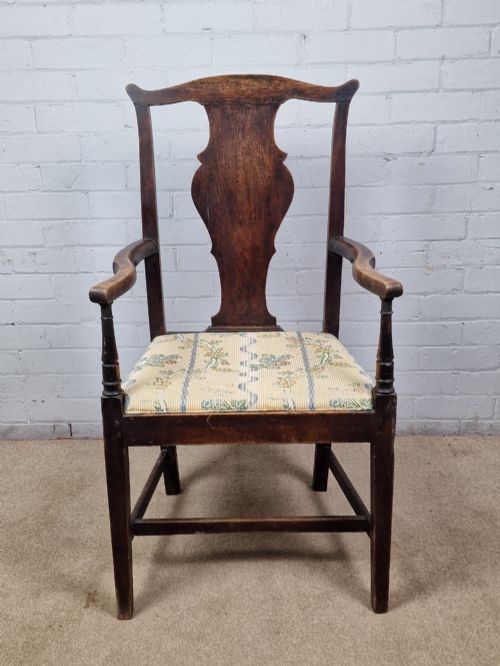
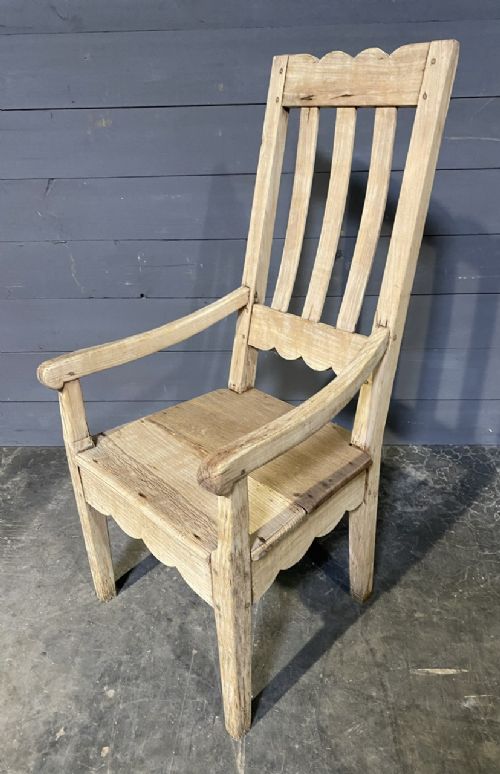
These rustic oak open armchairs offer honest vernacular form and timber, bringing grounded character to a room.
Rustic Oak Open Armchairs
Rustic oak open armchairs encompass sturdy country seating produced across the seventeenth, eighteenth, and nineteenth centuries. Examples range from early Welsh and English vernacular forms to continental French Breton and Arts and Crafts interpretations.
Buyers meet pieces spanning wainscot, spindleback, ladder back, and bobbin-turned designs. Solid oak provides the primary structural frame, occasionally paired with ash, elm, or fabric and velvet upholstery.
Origins stretch from English country workshops to Welsh regions such as Carmarthenshire and across the Channel to France. Each chair demonstrates the practical regional traditions of its period.
Materials and construction
Makers utilised solid oak alongside supporting timbers like ash and elm to build rigid frames designed for heavy domestic use. Joinery relied on traditional pegged mortise and tenon joints to secure the heavy wooden components.
Decorative elements emerged directly through the shaping of the timber rather than applied ornament. Turnings, spindlework, and ladder backs formed structural and visual elements simultaneously.
Some armchairs feature pewter inlay, proving country joiners loved a bit of quiet flash.
Assessing quality
Quality rests upon the integrity of the original timber and the crispness of surviving hand-turned details. Chairs retaining their early surface patination and uncompromised structural joints stand above heavily restored examples.
Proportions and regional quirks dictate the desirability of individual chairs, with certain pieces displaying bolder local character. The harmony between the turned members and the board seats marks the hand of a skilled country joiner.
The Rustic Oak Open Armchairs Glossary
- Vernacular
- Everyday utilitarian furniture made by local joiners rather than metropolitan cabinetmakers. These pieces reflect regional traditions and readily available local materials.
- Wainscot chair
- An early wooden armchair featuring panelled back construction and solid wooden seats. They represent status and durability from the seventeenth century.
- Bobbin turning
- A form of lathe-turned decoration resembling a string of bobbins or spools. It creates repetitive circular mouldings along the legs and stretchers.
- Spindleback
- A chair back constructed with numerous thin vertical wooden spindles. This technique lightens the visual weight of the oak frame.
Rustic Oak Open Armchairs: Frequently Asked Questions
What periods do these armchairs cover?
The selection spans from the seventeenth century through the Georgian era and into the nineteenth century. Pieces also touch upon later Arts and Crafts revivals.
Dating relies on construction methods, timber patination, and regional vernacular styles rather than strict maker marks.
Where were these chairs made?
Origin locations include English country workshops, Welsh districts like Carmarthenshire, and French rural regions. Each area developed distinct regional joinery traits.
Local timber availability dictated whether oak was paired with ash, elm, or fruitwoods.
How do I distinguish regional styles?
French Breton chairs often display different carved motifs compared to English ladder back or Welsh spindleback designs. Local traditions dictated the turnings and backrest configurations.
Examining the structural geometry reveals the specific rural workshop background.
Are these chairs comfortable for daily use?
Many feature generous proportions and open arms designed for fireside utility. Solid wooden seats and upright backs encourage an upright posture.
Some examples accommodate loose cushions or upholstered pads in fabric and velvet for added comfort.