


Antique Fireplace Armchair
An antique fireplace armchair brings traditional comfort and period character to a hearth, offering a supportive seat designed for fireside warmth.
Antique Fireplace Armchair
An antique fireplace armchair provides a supportive, low-slung seat specifically designed for the hearth. These chairs take various forms, from English country house open armchairs to refined Sheraton Revival club chairs.
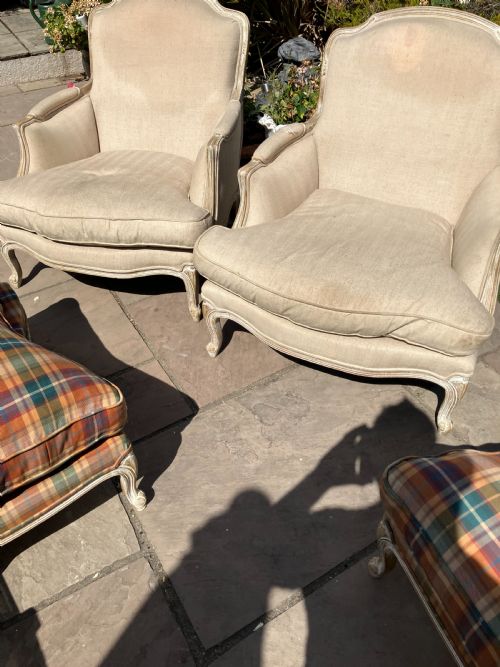
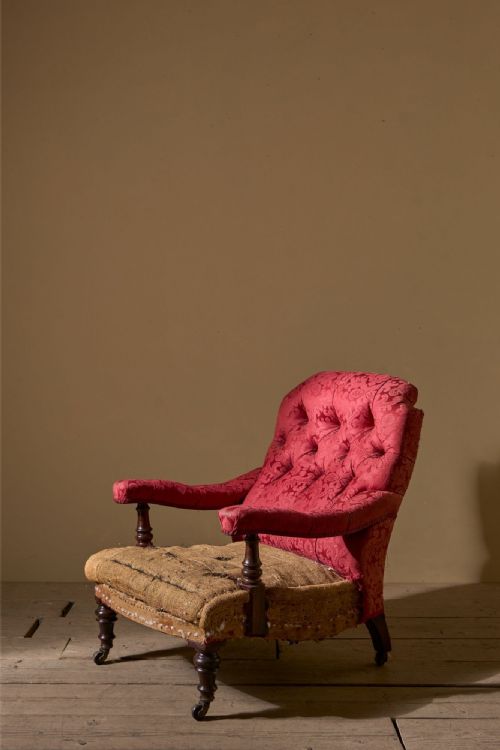
Buyers meet several distinct regional styles on this page, including French Louis XV revival models, Victorian rosewood open armchairs, and Edwardian carved mahogany seating. English wingbacked armchairs and stick back Windsor examples also appear among the selection.
Most pieces date from the nineteenth century through the early twentieth century, spanning Victorian, Edwardian, and mid-century interpretations of earlier French and English aesthetics.
How they were made
Cabinetmakers utilised hardwoods such as mahogany, walnut, and rosewood to construct the structural frames of these armchairs. Joinery methods included traditional turning, carving, and mortise-and-tenon construction.
Upholstery materials recorded across the evidence include velvet, linen, Hessian, and various decorative fabrics. Some open-frame chairs also incorporated brass details and exposed carved woodwork.
Listings span periods from the nineteenth century through the twentieth century, incorporating mahogany, walnut, rosewood, and brass.
What varies in quality
The refinement of the carved woodwork distinguishes standard seating from exceptional examples. Crisp detailing on ball-and-claw feet or floral motifs indicates superior workshop execution.
Proportion and the integrity of the original frame structure determine the overall calibre of a piece. Armchairs retaining their original timber patination and balanced proportions command greater attention.
The Antique Fireplace Armchair Glossary
- Wingback armchair
- A seat featuring protective side panels designed to shield the sitter from draughts near a fireplace. These high-backed chairs often date to the nineteenth century or later revival periods.
- Sheraton Revival
- A late nineteenth and early twentieth century style drawing inspiration from the lighter neoclassical designs of Thomas Sheraton. Pieces often feature refined mahogany frames and tapered supports.
- Stick back Windsor
- A traditional seating form constructed with individual spindles inserted into a solid wooden seat. These country chairs utilise vernacular woodworking techniques.
- Louis XV Style
- A decorative movement reviving the curving lines, cabriole legs, and asymmetrical ornamentation of the French eighteenth century. Walnut and carved woodwork frequently define these frames.
- Open armchair
- A seat featuring un-upholstered wooden armrests and sides, allowing greater visibility of the carved frame. Rosewood and mahogany versions appear across Victorian periods.
Antique Fireplace Armchair: Frequently Asked Questions
Where should I place a fireplace armchair?
These chairs find their natural home beside a hearth, where their proportions suit fireside seating. They also serve well in studies or libraries as reading chairs.
Ensure adequate clearance from direct heat sources to protect timber frames and upholstery fabrics over time.
How do I identify Victorian armchairs?
Victorian pieces often utilise darker hardwoods like rosewood and mahogany, featuring substantial proportions and deep carving. Stylistic cues frequently draw on earlier historical revivals.
Examining the construction methods underneath often reveals period-specific joinery and materials.
What is an Edwardian armchair like?
Edwardian examples tend to feature lighter frames, such as carved mahogany with details like ball and claw feet. They often reflect a refined approach to traditional domestic comfort.
These chairs commonly date from the first decade of the twentieth century.
Are French style armchairs comfortable?
French Louis XV style armchairs offer generous proportions and upholstered seats designed for relaxed seating. Their curved wooden frames support padded armrests and backs.
Walnut frames from this tradition combine decorative carved detail with practical domestic utility.