



Rustic Oak Kitchen Island
These rustic oak kitchen island options bring heavy timber utility and honest nineteenth-century craft straight into domestic spaces.
Rustic Oak Kitchen Island
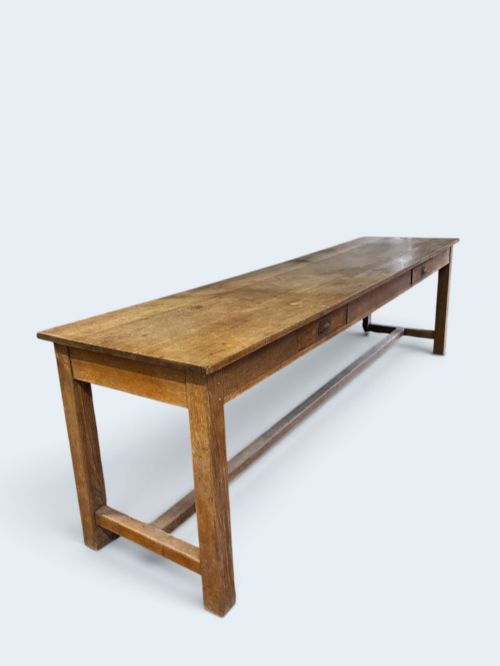
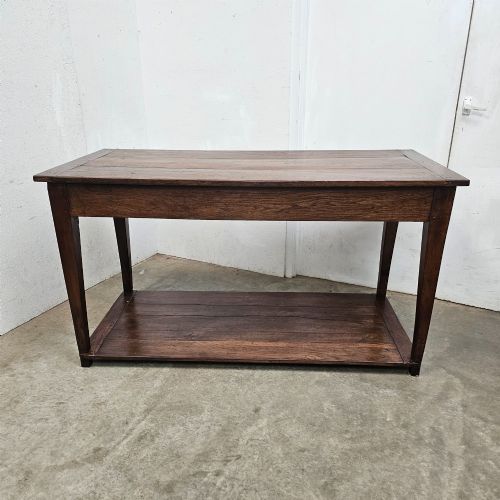
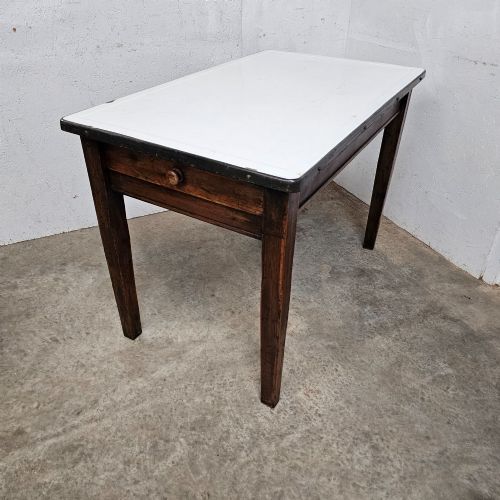
A rustic oak kitchen island draws together heavy utilitarian forms from nineteenth-century workshops, provincial farmhouses, and trade counters. When searching for a rustic oak kitchen island, buyers typically encounter sturdy French workbenches, drapers tables, and butchers blocks rather than modern fitted cabinetry.
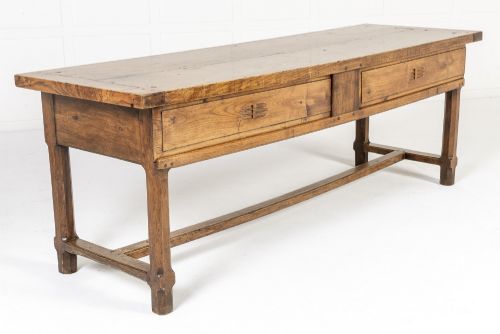
The pieces listed here span the eighteenth century through to the early twentieth century, taking shape as work tables, shop counters, and harvest tables. Many incorporate oak alongside beech, pine, and iron elements, often showing the marks of genuine daily toil.
French provincial and rustic farmhouse styles dominate the selection, bringing substantial timber surfaces and patinated framing into modern culinary spaces. These forms provide deep workspace and authentic regional character without imitating antique convention.
Assessing quality and authenticity
Quality rests entirely in the integrity of the original timber frame and the depth of natural patination accumulated through functional service. Superior examples retain their original working vises, drawers, and lower shelves without inappropriate timber replacement.
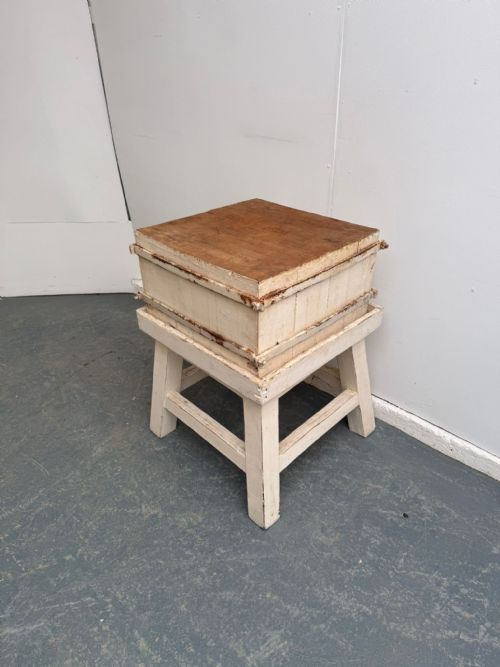
One exceptional nineteenth-century butchers block arrives bearing the actual workshop stamp of Trussant & Cie.
Trussant & Cie
The Rustic Oak Kitchen Island Glossary
- Workbench
- A heavy utilitarian table fitted with a wooden vise and thick top, originally built for carpentry or trade work.
- Drapers Table
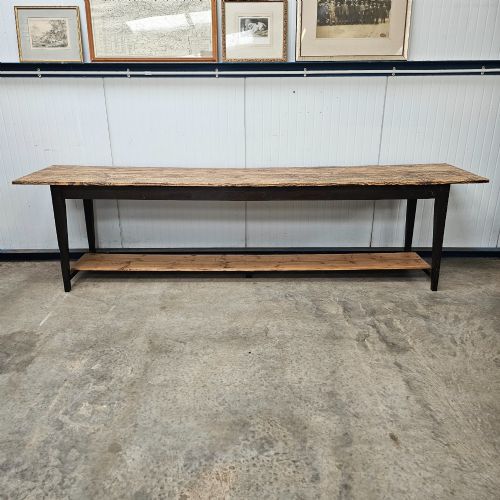
- A long, narrow display table featuring multiple tiers, historically utilised in fabric shops for measuring cloth.
- Butchers Block
- A thick, solid block of end-grain timber mounted on a sturdy stand, designed for heavy meat preparation.
- Harvest Table
- A long dining or work table built to accommodate large rural working families during seasonal gatherings.
- Patina
- The deep sheen and surface coloration developed on timber through decades of handling, cleaning, and exposure.
Rustic Oak Kitchen Island: Frequently Asked Questions
Can I use an antique workbench as a kitchen island?
These historical work tables provide exceptionally solid working heights and deep surfaces well-suited for modern kitchen food preparation.
Their heavy oak construction and built-in vices offer practical daily utility alongside distinctive provincial character.
How do I clean a vintage oak work surface?
Maintenance requires simple warm water and mild soap, avoiding harsh chemical treatments that strip the historic patinated finish.
Regular applications of natural beeswax help nourish dry nineteenth-century timber without creating an artificial gloss.
Are these tables suitable for everyday dining?
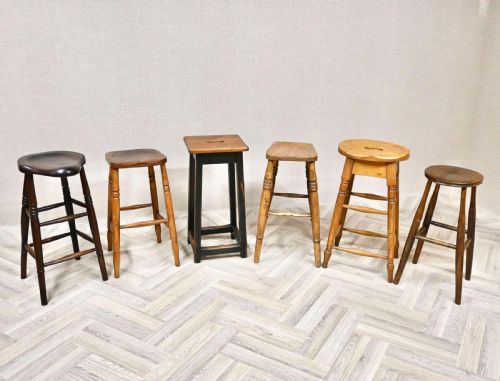
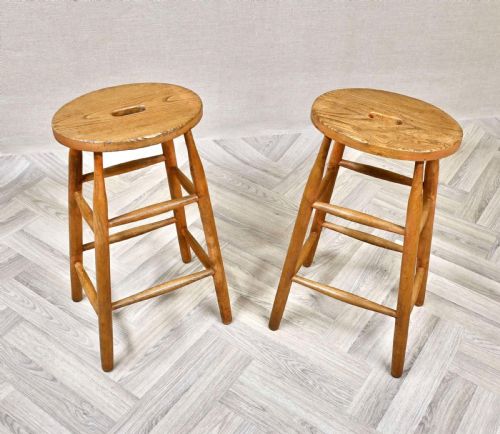
Many examples provide generous knee clearance and broad timber boards that comfortably accommodate chairs or bar stools.
Widths and lower tiers vary by origin, so measuring available room space remains essential before seating placement.
How do I distinguish a drapers table from a work table?
Drapers tables generally feature exceptional length and open lower shelving designed for folded textiles rather than heavy joinery.
Workbenches prioritize thick solid tops and integrated wooden vices, reflecting their origins in manual trade and craft.