



Rustic Oak Corner Furniture
Rustic oak corner furniture brings practical period utility to tight angles, using solid timber to anchor overlooked room spaces with traditional character.
Rustic Oak Corner Furniture
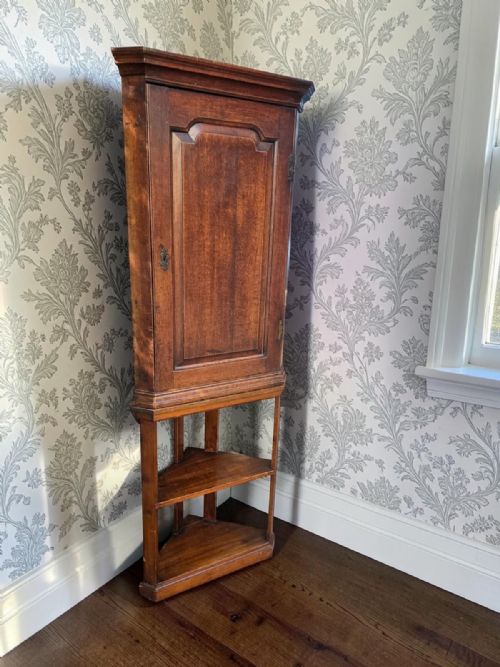
When you search for rustic oak corner furniture, you are looking at sturdy storage and seating designed to fit domestic angles cleanly. The selection centres heavily on corner cupboards and cabinets, alongside occasional seating and settles.
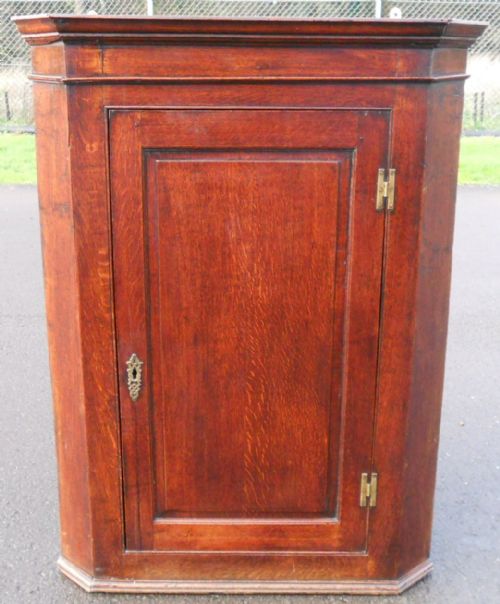
You are most likely to meet wall-hanging or floor-standing corner cupboards from the eighteenth century and the Georgian period. These pieces originate frequently from regional workshops in Wales and the West Country.
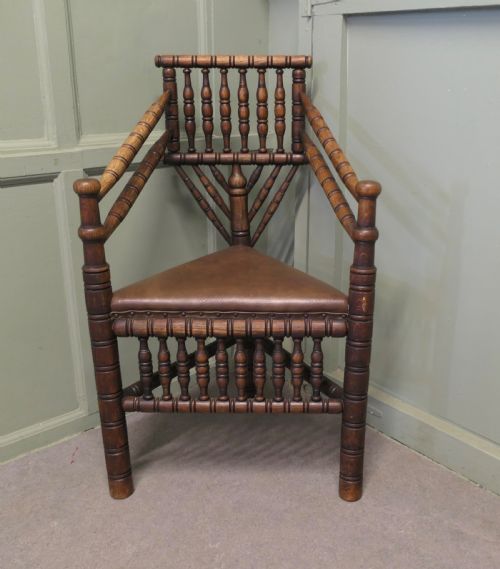
Alongside fitted cupboard forms, the inventory occasionally surfaces wider vernacular seating like settles and turners chairs. These items share the robust timber construction typical of rural domestic production.
Materials and construction methods
Makers relied on solid oak as the primary structural timber, frequently complemented by secondary woods such as mahogany in later pieces. Timber surfaces often display natural grain patterns and pegged joinery characteristic of vernacular cabinet-making.
Metal hardware plays a functional role in assembly and operation, utilising brass for hinges and escutcheons alongside iron or general metal elements. Glass panels appear in select doors, while leather inserts feature in specific seating designs.
A sturdy bacon settle stands ready to keep the household wind at bay while curing the winter provisions.
Quality and craftsmanship
The standard of execution separates everyday utility items from superior regional pieces. Better examples demonstrate careful timber selection, balanced proportions, and well-executed panel construction that withstands centuries of use.
Surface finish and regional provenance influence the standing of an item. Pieces retaining original patination and distinct local characteristics from areas like Montgomeryshire hold greater interest for collectors.
The Rustic Oak Corner Furniture Glossary
- Corner cupboard
- A storage unit built with a triangular footprint designed to fit snugly into the internal angle of a room. These pieces feature either single or double doors, and can be hung on walls or stand directly on the floor.
- Vernacular
- Objects made by local craftsmen for regional domestic use rather than following formal metropolitan high-style designs. This tradition values utility and local material availability above prevailing court fashions.
- Settle
- A high-backed wooden bench with solid arms and a closed base intended to block draughts in older homes. Often constructed from oak, they provide both seating and enclosed storage beneath the seat.
- Turners chair
- An early form of seating constructed entirely from turned wooden spindles and posts fitted together. These chairs reflect specialised wood-turning techniques common before the widespread adoption of joined panel framing.
Rustic Oak Corner Furniture: Frequently Asked Questions
What is rustic oak corner furniture?
Rustic oak corner furniture encompasses storage cupboards, cabinets, and seating built from solid oak to occupy room angles efficiently. These items date primarily from the eighteenth and nineteenth centuries.
They reflect regional cabinet-making traditions, prioritizing sturdy construction and practical form over decorative refinement.
How were corner cupboards used?
Corner cupboards served to store household provisions, ceramics, and glassware while utilising otherwise dead space in domestic rooms. Hanging versions preserved floor area in smaller chambers.
Floor-standing variations offered larger two-part capacities for dining rooms and parlours.
How do I identify eighteenth century oak?
Eighteenth century oak pieces display distinct hand-planed surfaces, pegged mortise and tenon joints, and deep natural patination developed over centuries. Regional vernacular items often show individual local building quirks.
Timber grain density and construction weight separate these older examples from later Victorian reproductions.
Where were these pieces made?
Many surviving pieces originate from regional workshops across Wales and the West Country of England. Local craftsmen utilised accessible native timber stocks to supply rural and provincial homes.
These geographic origins frequently impart distinct regional design characteristics to the finished furniture.