


Rustic Oak Box
A rustic oak box brings centuries of country craftsmanship into a room, offering sturdy storage with honest, time-worn character.
Rustic Oak Box
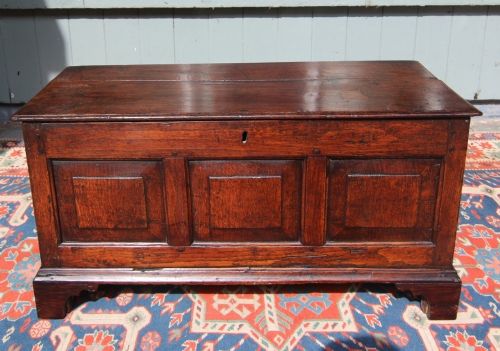
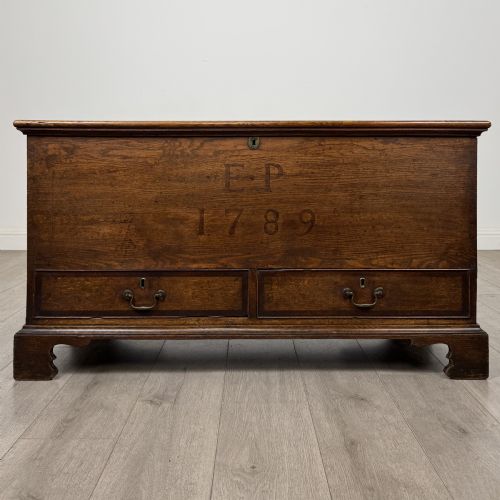
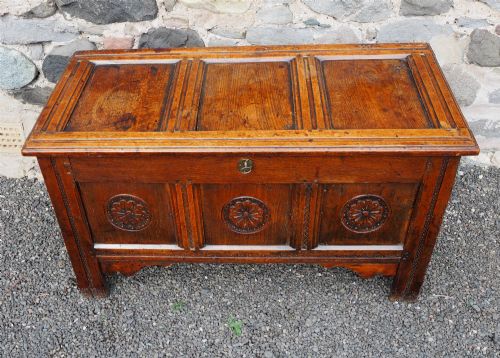
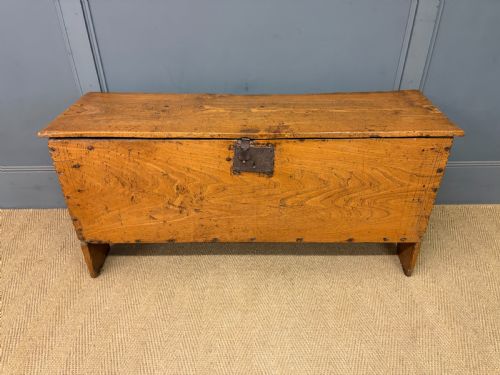
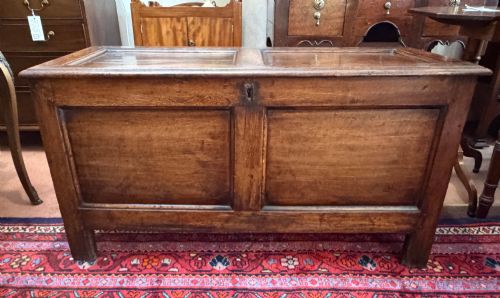
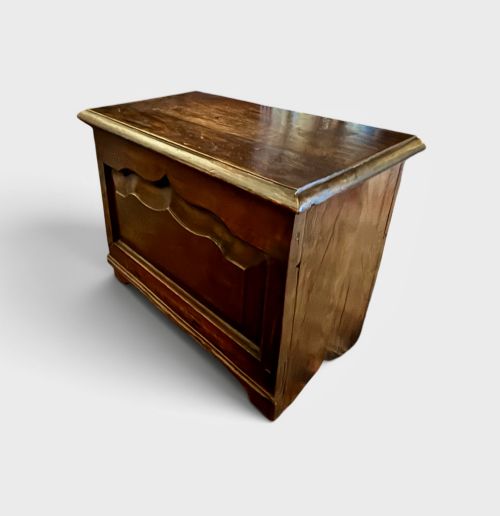
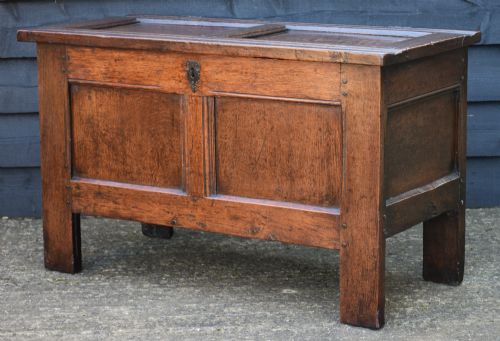
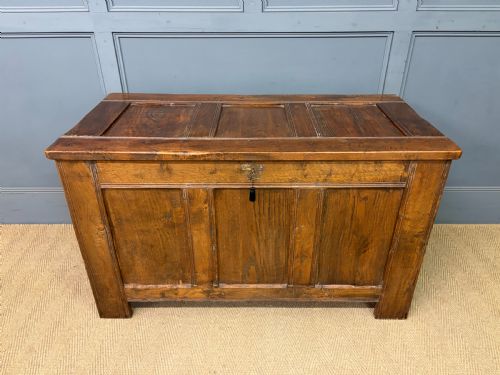
A rustic oak box encompasses a broad range of utilitarian containers designed for domestic storage, spanning small desk-top receptacles to substantial coffers and blanket chests. The pieces gathered under this search phrase date primarily from the seventeenth, eighteenth, and nineteenth centuries, reflecting long traditions of rural joinery.
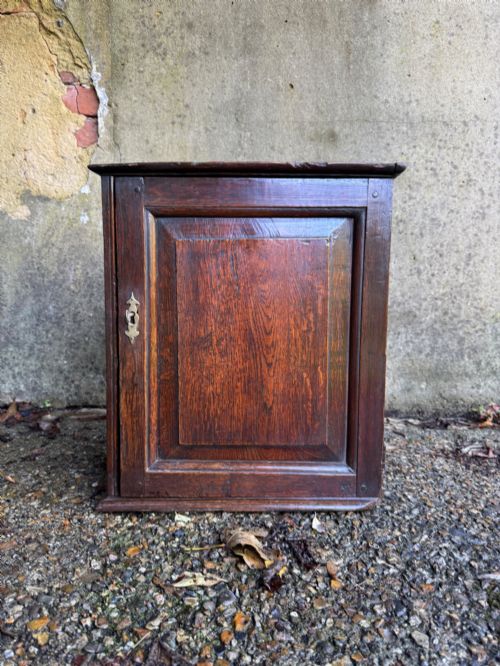
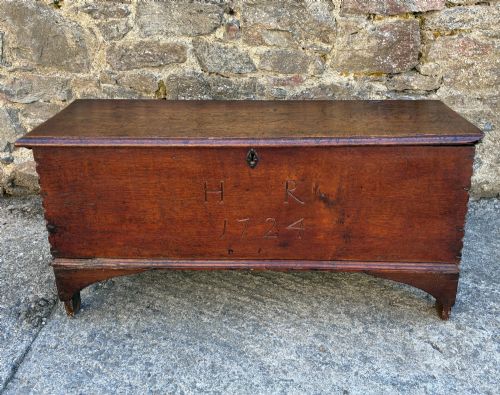
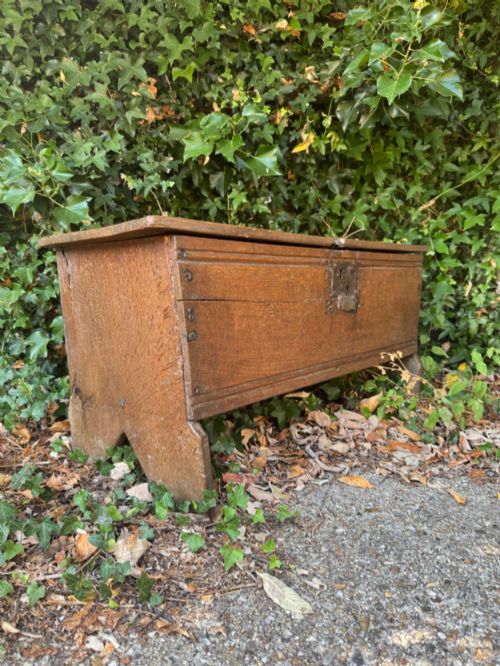
The assortment on this page leans heavily toward country-made coffers, bible boxes, and wall-hanging candle boxes rather than refined urban furniture. Makers worked with locally available timber, producing sturdy items intended for daily use in farmhouses, cottages, and provincial homes.
Beyond standard chests, the selection includes specialised forms such as slant-front bible boxes, flour bins, and box settles fashioned from solid oak, elm, and pine. These domestic objects reveal how earlier generations stored precious texts, dry goods, and textiles.
Factors determining quality and desirability
Quality in a rustic oak box rests largely on the integrity of the timber and the proportion of the piece, with smaller, neat-proportioned examples commanding particular attention. The depth of patination and the survival of original surfaces, such as early iron hardware or traces of historic paint, elevate a piece above standard utilitarian items.
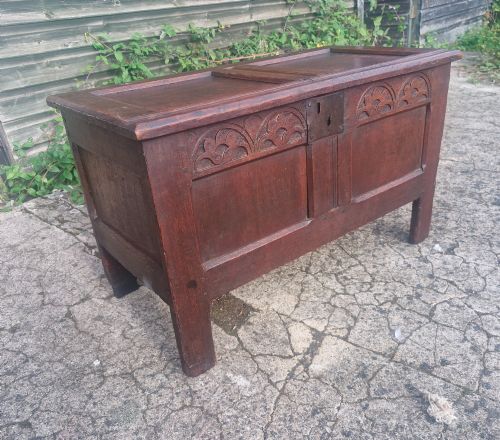
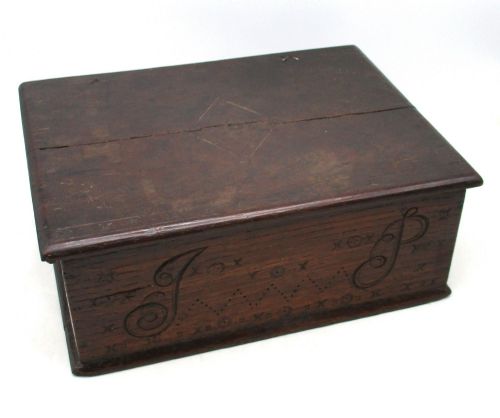
The sophistication of the carving and joinery marks the difference between basic village craftsmanship and more accomplished country workshops. Crisp carving on panels or stiles, balanced proportions, and minimal later alterations separate exceptional survivals from heavily restored examples.
An eighteenth-century salt box preserves a trace of red paint, whispering of a country kitchen's long-forgotten colour scheme.
The Rustic Oak Box Glossary
- Bible box
- A small tabletop box with a sloping or flat lid, originally constructed to hold a family bible or important documents. These pieces frequently feature carved decoration on the front panel and small interior till compartments.
- Coffer
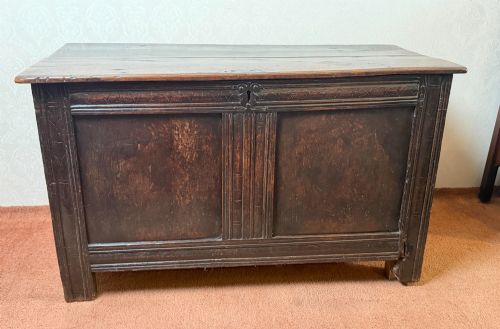
- A heavy wooden chest with a lid, used historically for storing valuables, linen, or documents. Early examples often rest on extended stile feet and feature panelled construction.
- Mule chest
- A storage chest combining the deep box of a coffer with one or more drawers built into the base. This form emerged as domestic storage needs evolved during the seventeenth and eighteenth centuries.
- Patina
- The surface sheen and colour developed by wood over centuries through handling, exposure to light, and application of wax. A desirable surface shows depth without modern chemical stripping.
- Stiles
- The upright vertical members of a frame-and-panel construction that often extend downward to form the feet of a chest. In early pieces, these supports are frequently subject to ground damp and subsequent timber replacement.
Rustic Oak Box: Frequently Asked Questions
What were bible boxes used for?
Bible boxes served as secure receptacles for household bibles, legal documents, and writing materials in centuries past. Their sloping lids frequently doubled as makeshift writing desks when placed upon a table.
Inside, smaller compartments known as tills held inkwells, quills, and sealing wax. These portable boxes kept vital texts protected from damp cottages and household smoke.
How do I date an old oak box?
Dating relies on examining the construction methods, tool marks, and style of any carved ornamentation. Hand- cleft timber, pegged joints, and wrought iron hardware generally point to seventeenth or eighteenth-century origins.
Later nineteenth-century pieces often display standardised machine-sawn boards and different fastener types. Comparing the hinges and lock plates against known period examples provides further clarity.
Where should I place a coffer at home?
Coffers work well at the foot of a bed, beneath a window, or as a coffee table in a living room. Their robust flat tops provide convenient surface space while concealing bulky blankets or seasonal items inside.
Keep wooden storage pieces away from direct heat sources like radiators to prevent the dry oak from splitting. Allowing adequate air circulation around antique timber preserves its structural stability.
Why do some boxes have painted finishes?
Early furniture was frequently painted to protect cheaper secondary woods or simply to suit contemporary decorative tastes. Pigments derived from natural sources were mixed with oils to create durable coloured coatings.
Survival of original paint traces is scarce and valued by collectors as evidence of early domestic appearance. Most pieces, however, were stripped or waxed down to the bare timber in subsequent centuries.