


Rustic Oak Bedside Tables
These rustic oak bedside tables bring warmth and honest timber grain straight to the bedroom.
Rustic Oak Bedside Tables
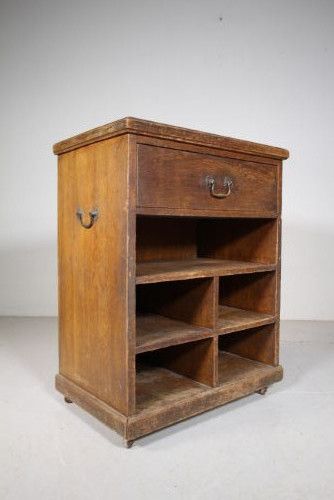
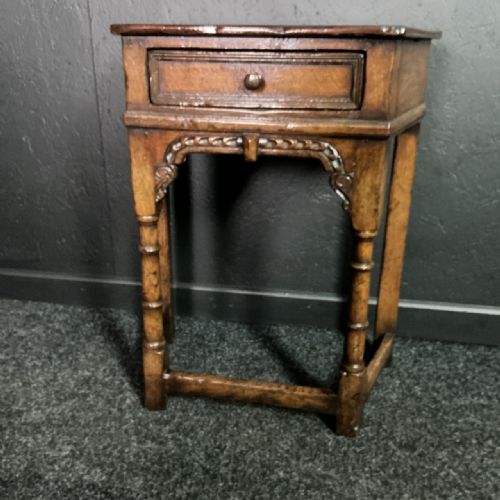
Rustic oak bedside tables encompass sturdy timber pieces drawn from periods spanning the eighteenth century through to the twentieth century. These furnishings appear primarily as small bedside cabinets, side tables, and low chests of drawers designed to sit beside a bed.
The pieces often bear regional or stylistic traits associated with English country, Georgian, Jacobean Revival, and French provincial aesthetics. Buyers meeting these items on this page will frequently encounter solid oak construction combined with practical storage formats like cupboards and drawers.
Makers and makers' workshops throughout the eighteenth, nineteenth, and early twentieth centuries produced these compact tables to serve functional bedside needs. The selection bridges centuries of traditional cabinet making, offering robust surfaces and natural timber patination.
Materials and construction
Cabinet makers relied primarily on solid oak, frequently augmented by secondary timbers such as pine, alongside iron and brass hardware fittings. Surfaces occasionally display historical paint finishes, limed treatments, or bleached patinas reflecting changing interior tastes across different eras.
Joinery techniques relied on traditional hand tools, resulting in sturdy side tables and bedside cabinets built to withstand daily use. The interplay between heavy oak planks and subtle carved friezes or panel details highlights the practical execution behind each item.
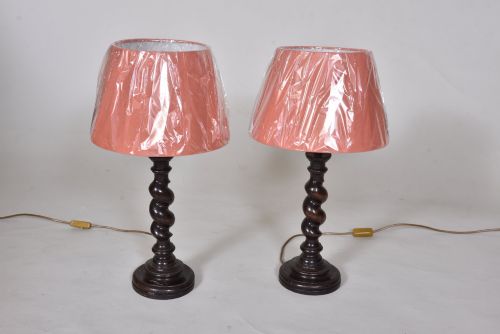
Some nineteenth-century oak lamp bases started life as sturdy table legs before finding a second career holding up evening reading lights.
Judging quality
Quality rests in the integrity of the timber selection and the restraint of the carving, distinguishing utilitarian pieces from finer cabinet work. Superior examples show thoughtful proportions and uncompromised structural stability across their oak frames and drawers.
The depth of the natural patination and the preservation of original brass or iron hardware heavily influence the character of an individual piece. Lesser items may suffer from unsympathetic surface treatments or heavy-handed later alterations that obscure the historic timber grain.
The Rustic Oak Bedside Tables Glossary
- Patina
- The deep surface sheen and rich colour developed by oak timber through decades of handling and exposure to light. This gradual ageing process creates a warm texture unique to older furniture.
- Frieze
- The decorative horizontal band situated immediately beneath the top surface of a cabinet or table. Carved details in this zone often help date the piece.
- Bleached oak
- Timber that has undergone a lightening process to reveal the pale grain beneath, popular in specific French and English decorative traditions. It offers a softer visual weight in modern interiors.
- Bedside cabinet
- A small enclosed storage piece featuring a door or drawers, distinct from an open table. It provides hidden space for nighttime necessities.
- Side table
- A versatile small table used traditionally for holding lamps or decorative objects. In a bedroom context, it serves as an open alternative to a traditional bedside cupboard.
Rustic Oak Bedside Tables: Frequently Asked Questions
How do I date an oak bedside table?
Dating relies on examining construction methods, tool marks, and the style of any carved friezes or hardware. Earlier eighteenth-century examples display hand-prepared timbers and traditional joinery distinct from later twentieth-century production.
Examining the underside, drawer linings, and the nature of the oak grain helps confirm the period. Comparing the piece against documented examples from the same stylistic tradition provides further clarity.
Are these tables suitable for daily use?
These solid oak pieces were built for practical utility and remain exceptionally durable for everyday bedroom placement. Their robust construction handles lamps, books, and nightly items with ease.
Routine care involves simple dusting and avoiding excessive moisture to protect the historic timber. The durable nature of oak ensures they endure modern domestic life comfortably.
How do I care for antique oak?
Maintaining antique oak involves keeping the timber away from direct heat sources and sudden humidity changes. Regular gentle dusting preserves the natural wax or oil finish without stripping the patina.
Avoiding harsh chemical cleaners protects the historic surface character. Periodic application of suitable furniture wax maintains the moisture balance in the wood.