


Rustic Nightstands
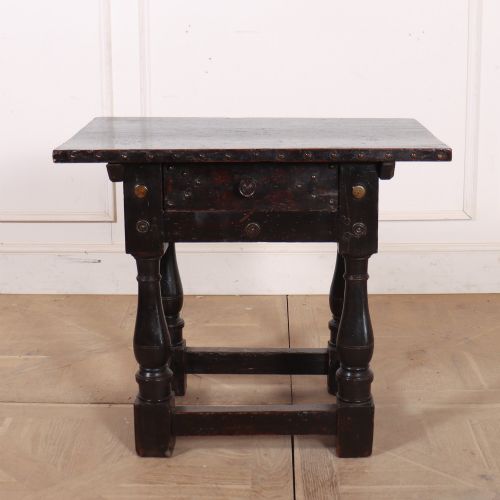
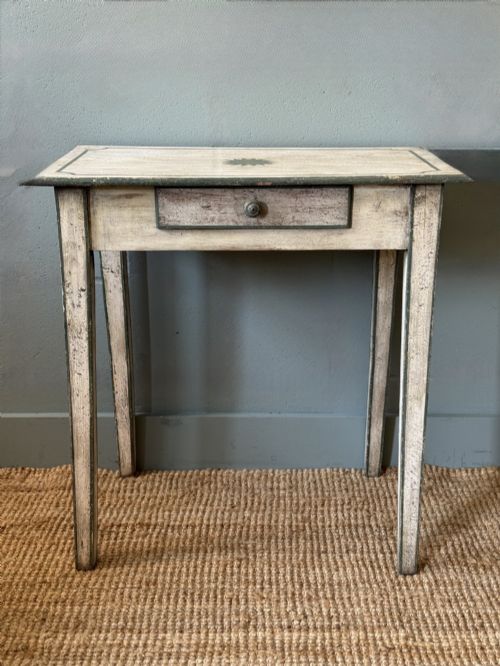
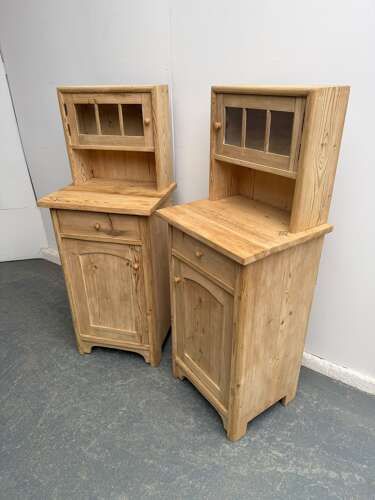
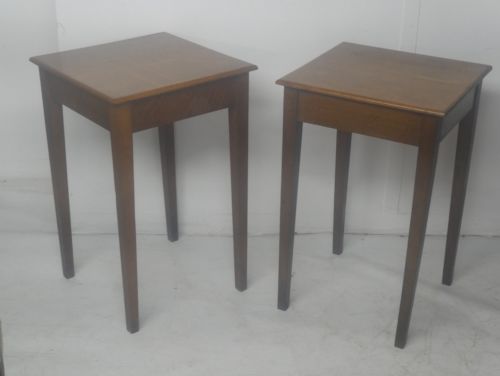
These rustic nightstands bring practical charm and tactile character to a bedroom.
Rustic Nightstands
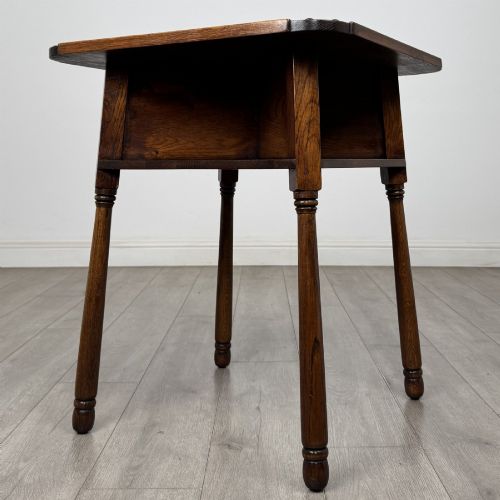
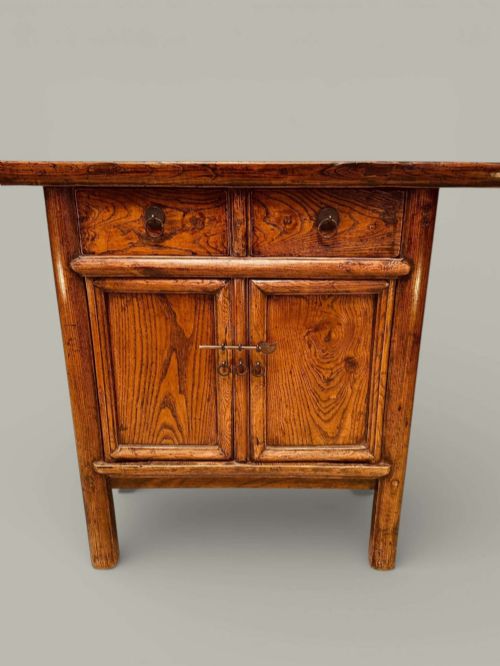
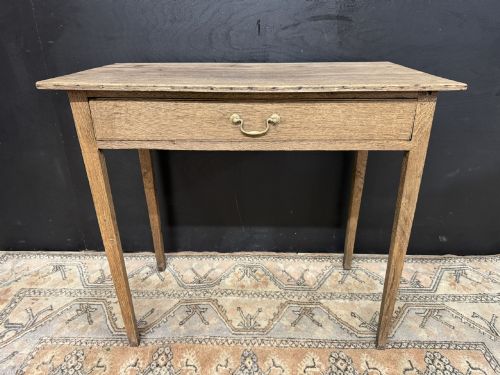
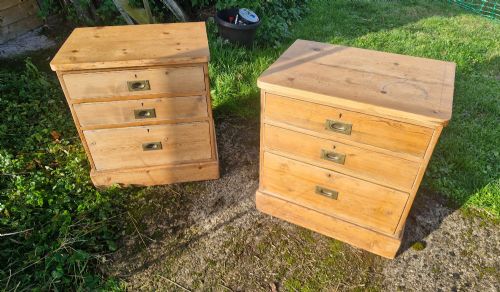
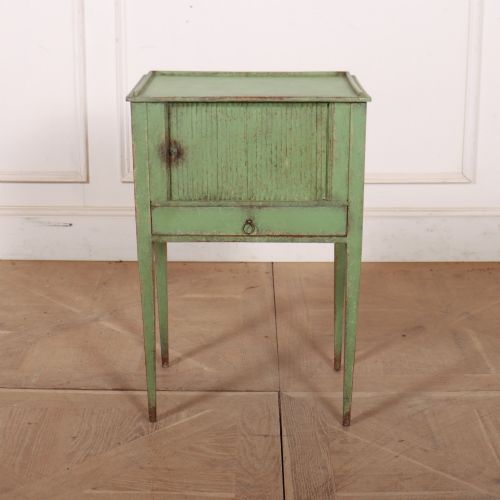
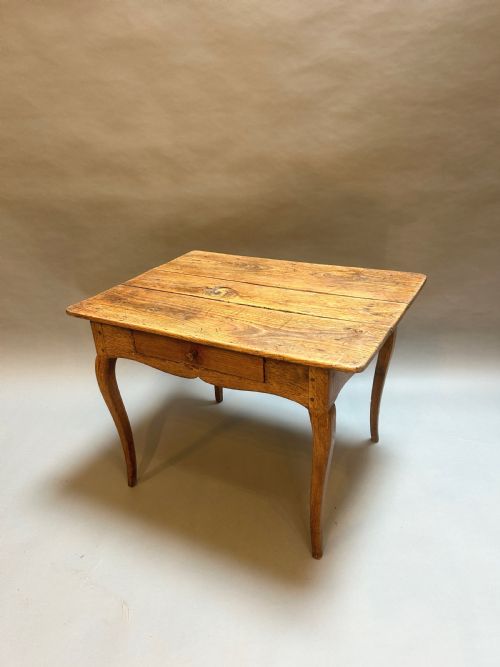
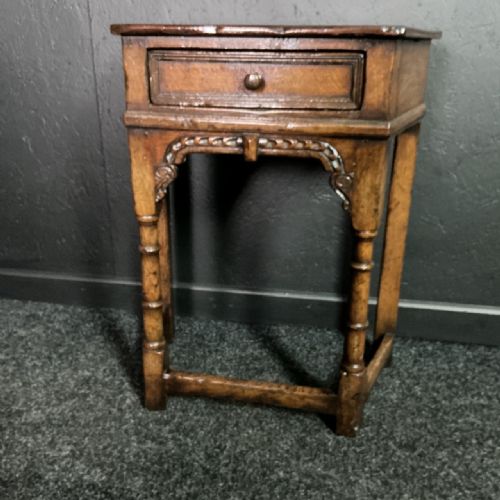
Rustic nightstands encompass practical bedside storage and small lamp tables drawn from periods spanning the eighteenth century through to the early twentieth century. When searching for rustic nightstands, buyers encounter utilitarian forms such as pot cupboards, bedside cabinets, and small occasional tables designed for domestic utility.
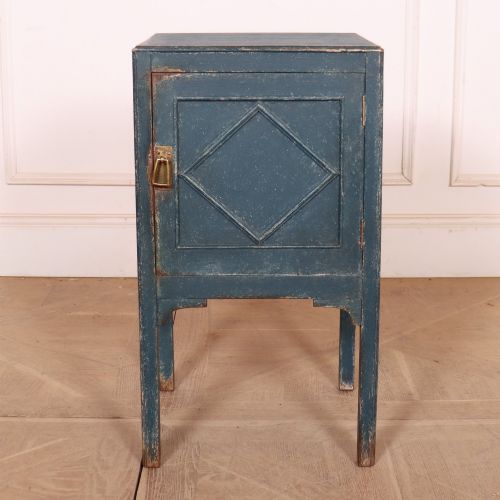
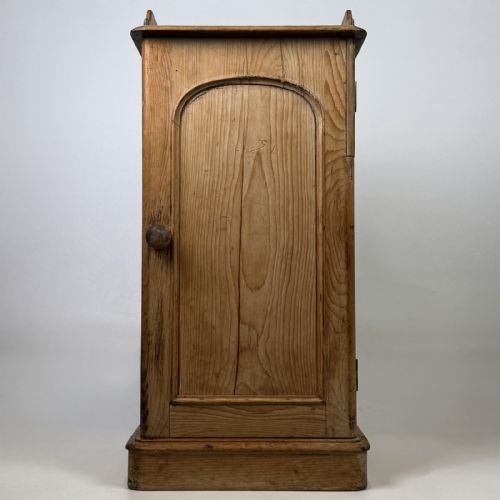
The pieces appearing here lean heavily toward regional European craftsmanship, featuring English country pine, French fruitwood, Italian walnut, and painted Scandinavian surfaces. Most examples take the form of enclosed bedside cupboards or open side tables rather than purpose-built modern bedside units.
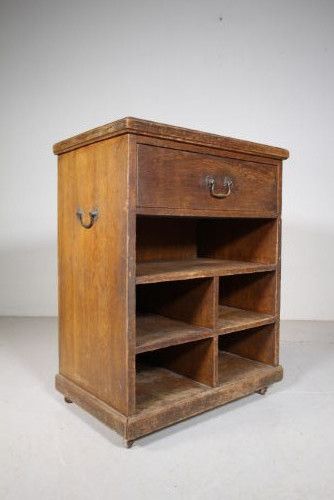
Makers from various rural traditions utilised sturdy local timbers to construct durable furniture for everyday use. Buyers will find side tables, washstands, and small chests of drawers that serve the same bedside function.
How they were made
Makers constructed these pieces using solid timbers like pine, oak, walnut, and fruitwood, often joining them with traditional hand-cut joints rather than metal fasteners. Surfaces frequently show the marks of early tools, hand-planing, and pegged construction.
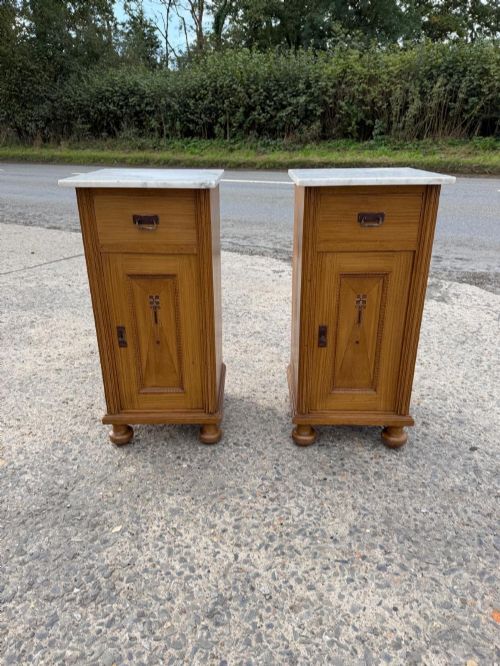
Many examples carry layers of historic paint, ranging from pale greys and blues to dark pigments, while others display waxed natural grain or marble tops. Iron and brass fittings provide structural hinges and drawer pulls on the cabinet doors and small drawers.
Rustic Nightstands Retail Price Guide 2026
Typical asking prices for rustic nightstands among the pieces listed under this phrase on Sellingantiques today, from the lower quarter to the upper quarter. They describe what is for sale here now, not the wider market.
What varies in quality
Quality in these pieces rests in the integrity of the timber, the honesty of the surface finish, and the balance of proportions. Examples retain original hardware and unaltered patination rather than over-restored or stripped surfaces.
Regional variations dictate the character of the construction, where tighter joinery and thoughtful carved details elevate a simple utility table into a finer example of period country furniture.
The Rustic Nightstands Glossary
- Pot cupboard
- A small bedside cabinet originally designed to house a chamber pot behind a single door. These enclosed units now serve as practical nightstands.
- Washstand
- A wooden stand traditionally holding a basin and pitcher for morning ablutions. Their compact height suits modern bedside use.
- Fruitwood
- Timber milled from fruit-bearing trees such as pear, cherry, or apple. It yields a dense surface with a warm tone often seen in continental provincial tables.
- Upstand
- A low wooden rail raised along the back and sides of a table or cabinet top. It prevents items from sliding off the rear edge.
- Patina
- The surface sheen and colour developed through decades of handling, waxing, and ageing. It separates untouched historic timber from modern chemical finishes.
Rustic Nightstands: Frequently Asked Questions
What is a rustic nightstand?
A rustic nightstand is typically an antique bedside cabinet, pot cupboard, or small side table constructed from solid timbers like pine or oak. They offer compact storage beside a bed while displaying the honest marks of age and regional craftsmanship.
These pieces originate from various nineteenth and eighteenth-century traditions, often finished in natural waxed wood or historic paint.
How do I choose the right height?
Measure the top of your mattress and match it against the height of the bedside cabinet or table. Traditional bedside cupboards and lamp tables vary considerably, so checking dimensions ensures the surface sits comfortably level with your mattress.
Shorter side tables work well with low frames, while taller pot cupboards suit standard bed heights.
Are these pieces made of solid wood?
Yes, listings feature solid timbers including pine, oak, walnut, and fruitwood rather than manufactured board. Artisans built them to withstand daily domestic service using thick planks and traditional joinery.
This solid construction allows the wood to be waxed, painted, or stripped over generations without losing structural integrity.
How do I care for painted wood?
Protect painted surfaces by dusting with a dry cloth and avoiding harsh chemical cleaning agents. Historic paint finishes respond best to gentle care that preserves their original appearance.
Keep wooden furniture away from direct heat sources to prevent the timber from splitting.