


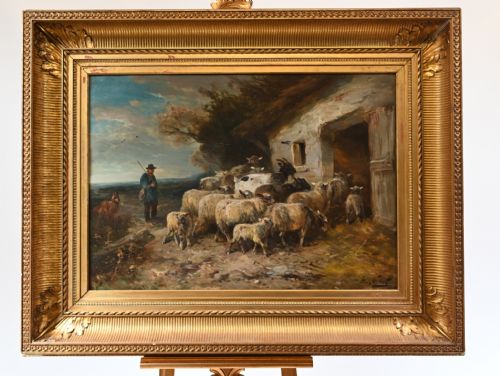

Rustic Landscape Oil
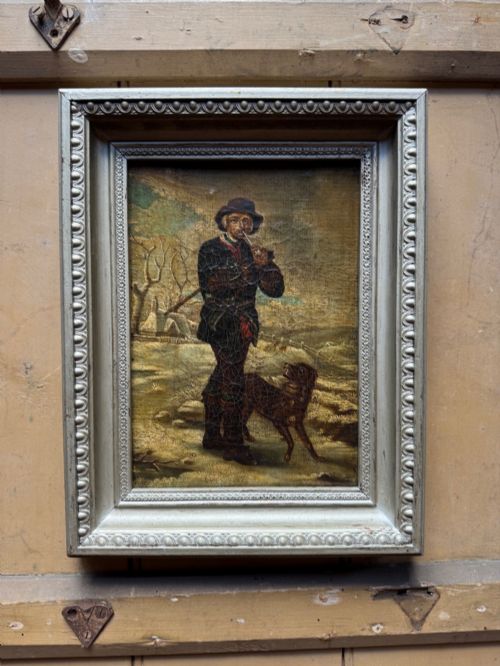
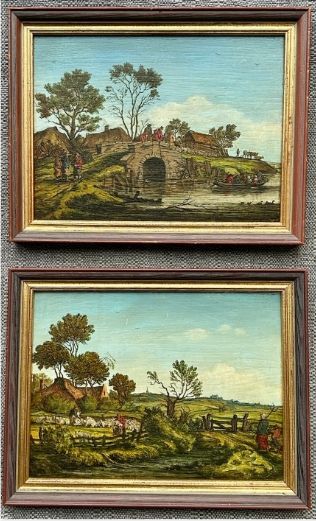
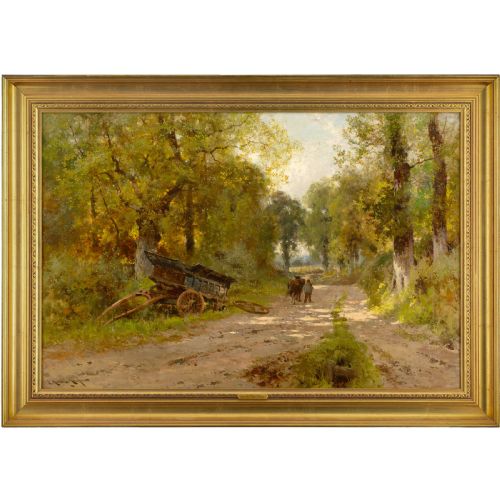
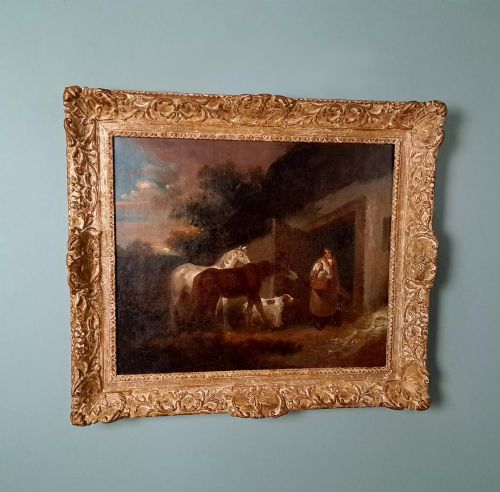
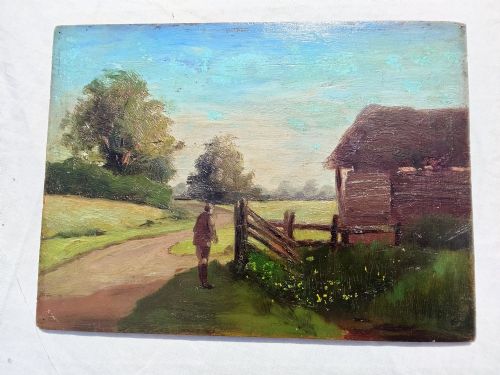
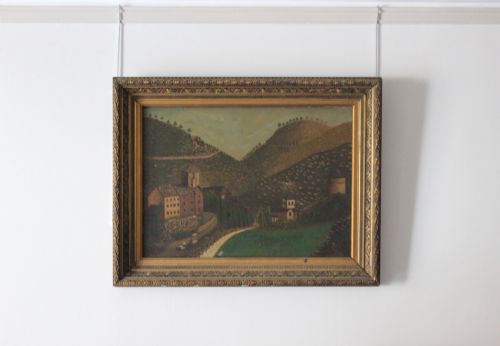
A rustic landscape oil captures the quiet rural scenes, pastoral animals, and country cottages painted across several centuries.
Rustic Landscape Oil
A rustic landscape oil brings countryside scenes, farmyards, and pastoral life into view through centuries of artistic tradition. When searching for this phrase, buyers encounter works spanning from the eighteenth century through the twentieth century, with nineteenth-century examples appearing most frequently.
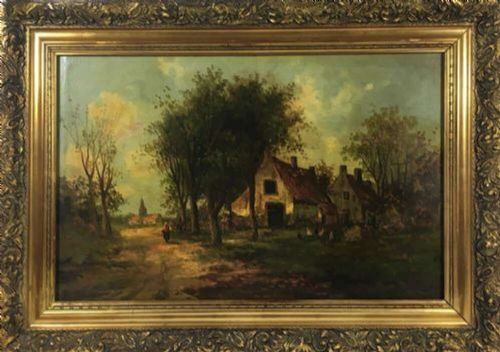
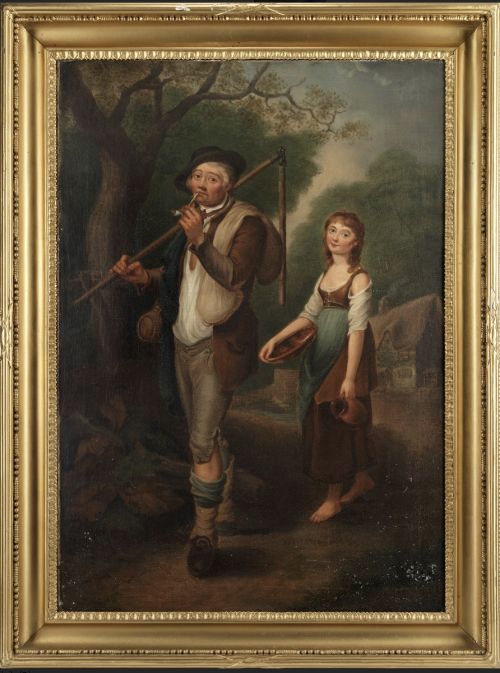
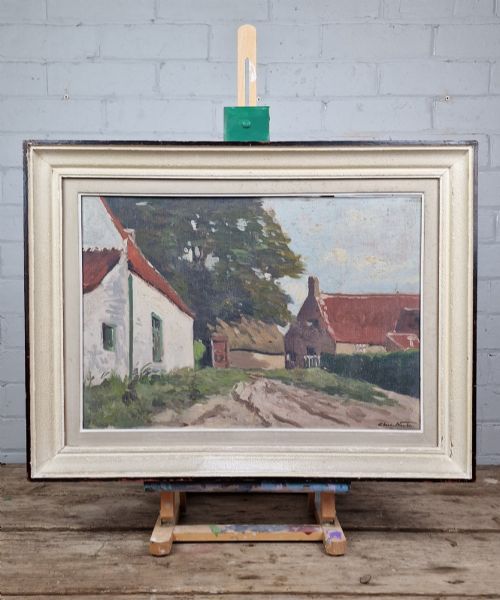
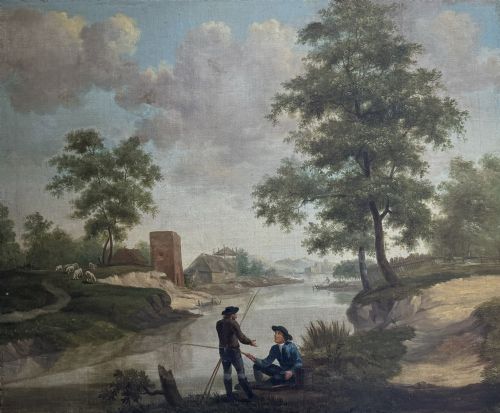
The subjects range from tranquil riverbanks and thatched cottages to shepherds tending flocks and cattle resting in pastures. Painters working within British, Flemish, French, and Belgian schools recorded these rural views on canvas, wood panels, and boards.
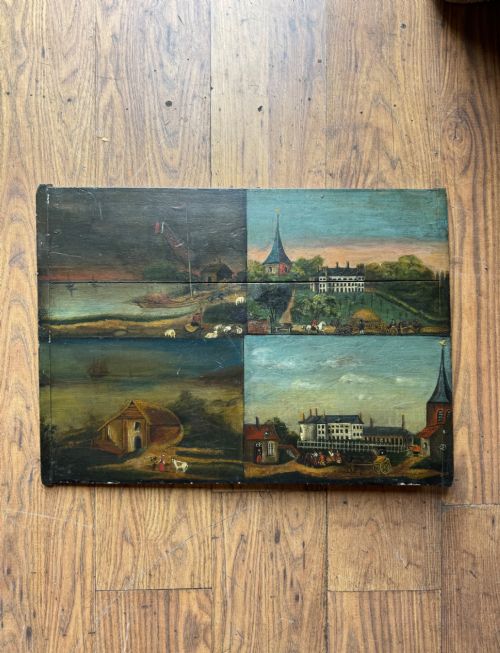
Makers include named artists alongside regional schools and provincial folk painters who captured everyday rural existence without idealisation. These works preserve vanished agrarian routines through traditional brushwork and pigment.
Distinguishing quality in pastoral works
Quality rests upon the confidence of the brushwork, the handling of natural light, and the accuracy of composition within the pastoral scene. Works by established academy-trained painters display sophisticated tonal control and atmospheric depth compared to provincial or naive pieces.
The condition of the pigment layer, stability of the wooden panel or canvas, and the presence of original framing contribute to the standing of an individual painting. Subtle rendering of figures, animals, and foliage separates accomplished compositions from more formulaic workshop productions.
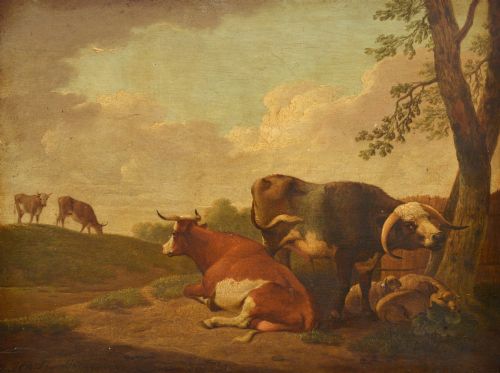
Several sheep, cattle, and a very indignant pet kid managed to make their way into the nineteenth-century pastures.
W Klombeck·John Horace Hooper·William Joseph Shayer Senior·Hendrik Willem Schweickhardt·Thomas Barker of Bath·Charles Houben·George Morland·Thomas Hicks·Owen Bowen·John Constable·John Bell·Henry Schouten·W.E. Evans·Rosa di Tivoli·Henry John Yeend King·Andre de Moller·Majorie Hoare·Charles Vickers·R. Palnay·J Barclay·James William Booth·John Wright Oakes·Ralph Dorrance·Fred Stead·John Henry Dell
The Rustic Landscape Oil Glossary
- Canvas
- A heavy woven fabric stretched across a wooden frame to serve as a painting surface. It provides flexibility and a characteristic surface texture.
- Giltwood
- Wood that has been coated with a thin layer of gold leaf or gilt powder. This material frequently frames nineteenth-century landscape oils.
- Oil Paint
- A slow-drying medium composed of pigments suspended in a drying oil, typically linseed oil. This medium allows for rich colour blending and fine detail.
- Panel
- A flat piece of wood used as a rigid support for painting instead of canvas. Oak and other hardwoods appear in earlier works.
- Barbiscuit
- An alternative designation for nineteenth-century French landscape painters working near Fontainebleau. These artists emphasised direct observation of nature.
- Provincial
- Descriptive of art created outside major metropolitan centres by regional practitioners. These pieces often display a direct, unpretentious approach to rural subjects.
Rustic Landscape Oil: Frequently Asked Questions
What is a rustic landscape oil?
A rustic landscape oil is an artwork executed in oil paint that depicts countryside scenes, agricultural workers, farm animals, and rural architecture. These paintings record agrarian life across the eighteenth, nineteenth, and twentieth centuries.
They reflect changing attitudes toward the countryside, moving from idealised pastoral views to more realistic portrayals of rural labour and provincial landscapes.
How were these landscape paintings created?
Artists used oil paints composed of ground pigments mixed with binding oils, applying them to woven canvas, wooden panels, or prepared boards. They employed brushes and palette knives to build up layers of colour and light.
Many of these works were produced in the studio based on field sketches, while others were painted directly outdoors to capture changing weather and natural illumination.
Where should I hang a landscape oil?
These paintings suit spaces that benefit from natural warmth, such as living rooms, studies, or hallways with controlled lighting. Placing them away from direct sunlight protects the oil pigments from fading over time.
Pairing the work with a compatible period frame enhances its visual presence on the wall and connects the painting to traditional interior settings.
How do I identify the period of a painting?
Period identification relies on examining the stretcher frames, canvas preparation, pigments, and the clothing or architecture depicted in the scene. Stylistic clues such as brushwork techniques and framing styles also provide dates.
Signatures, dates inscribed on the reverse, and artist records help narrow down the decade of creation for signed or attributed works.